
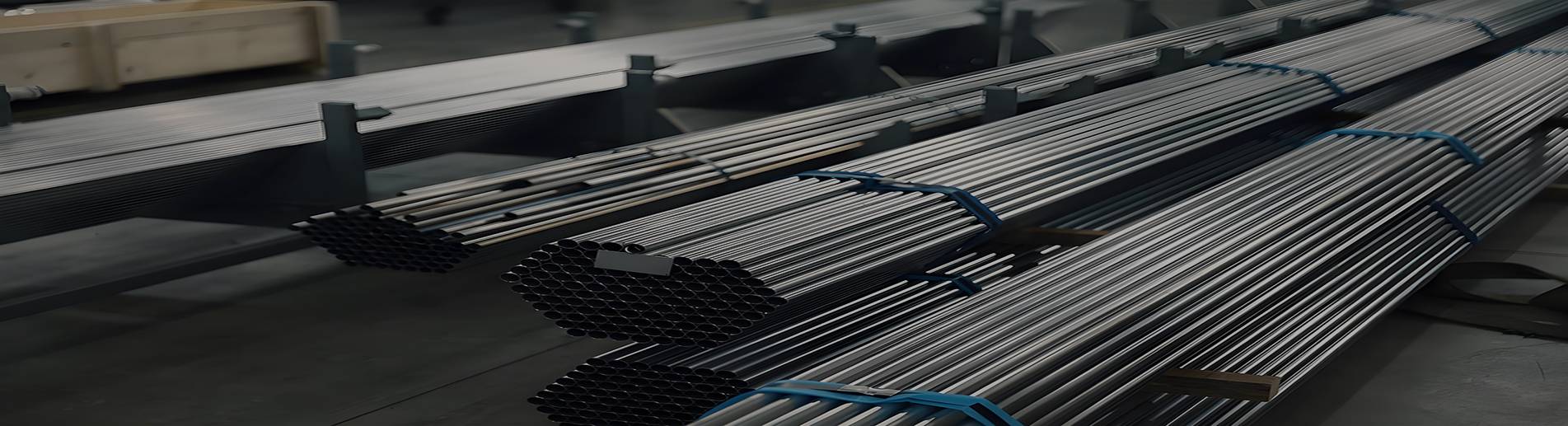
Inconel 617 alloy round bar price per kilogram
Inconel 617 alloy round bar price per kilogram is commonly about USD 45 to 90 per kg for standard industrial stock sizes. Large forged bars, small pre...
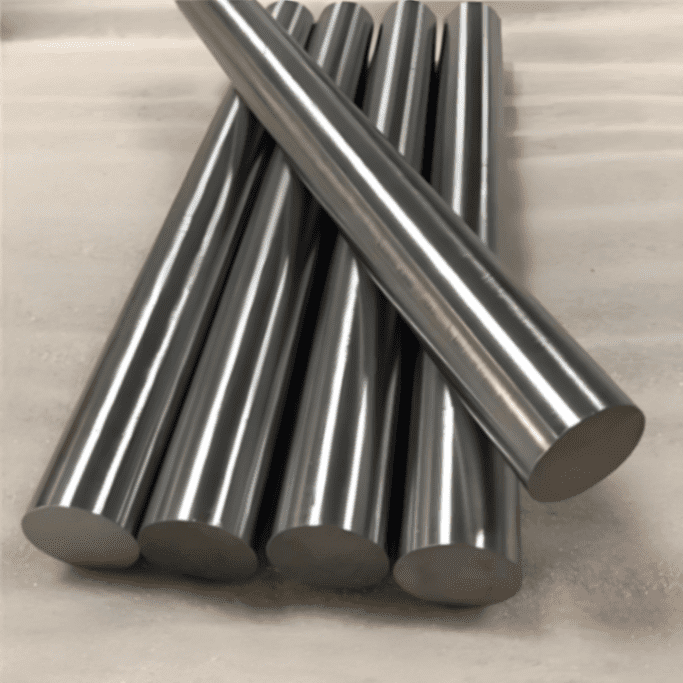
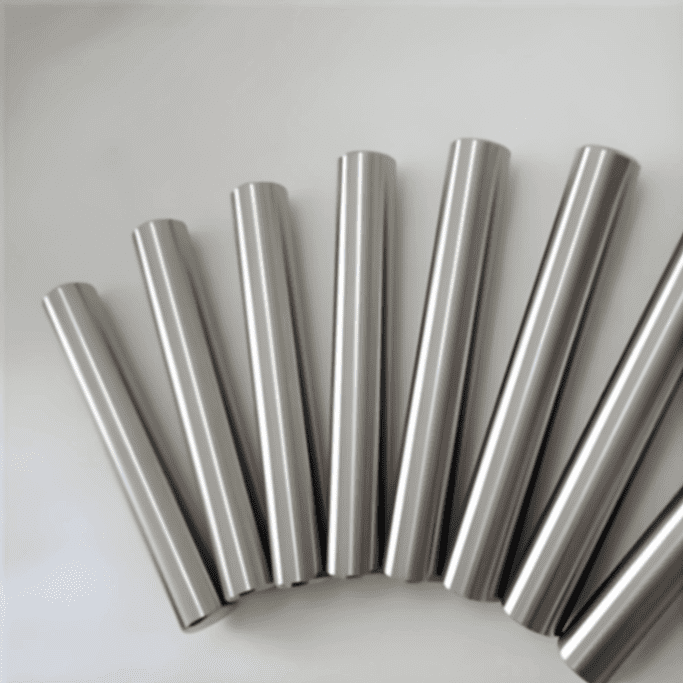
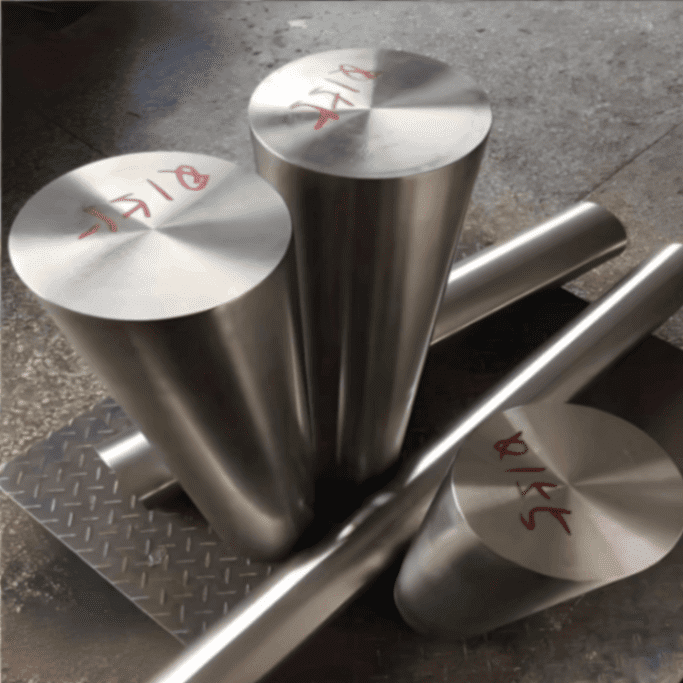
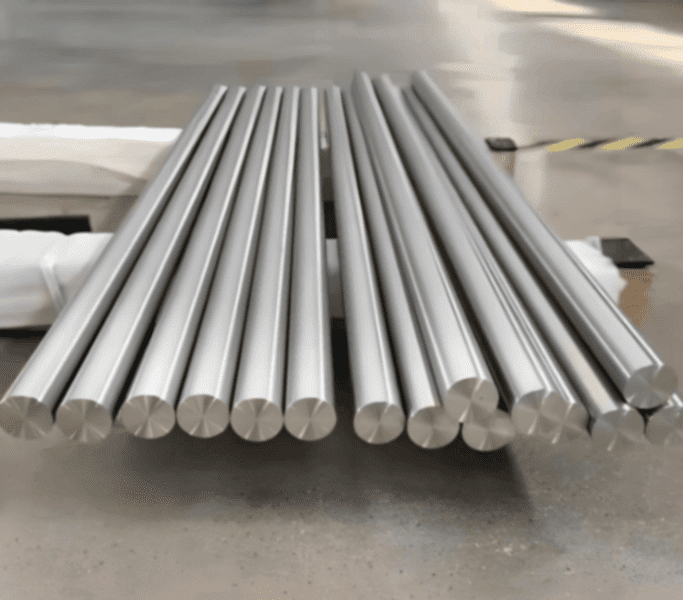
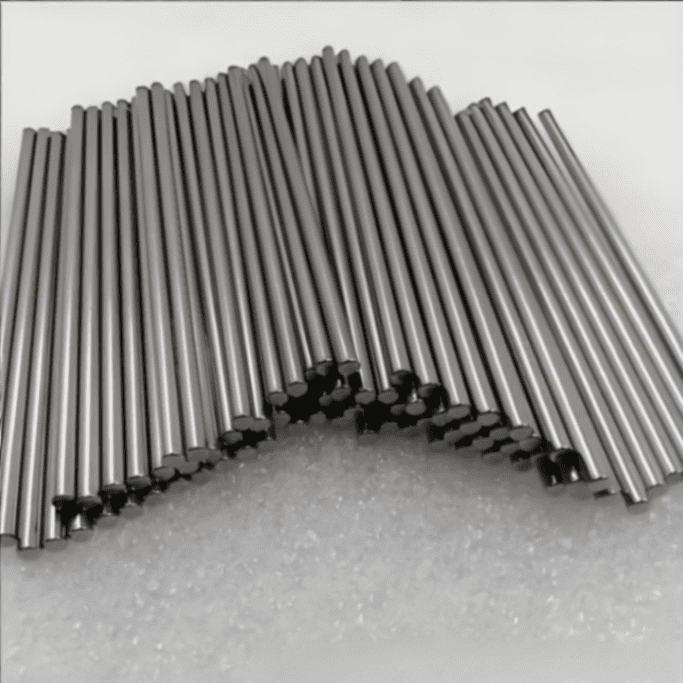
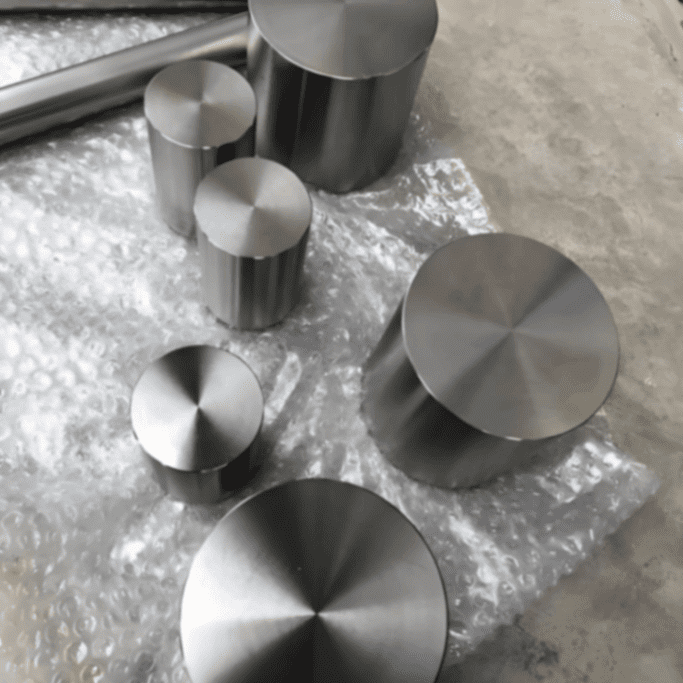
In recent years, when handling inquiries for Nimonic 75 round bars, one clear trend we have observed is that customers rarely ask directly for the price per kilogram. Instead, they are more concerned about whether prices in 2026 are rising or falling compared to previous years, when the best time to place orders is, and what factors are driving price changes. Unlike standard stainless steel, this type of material does not follow a simple spot price index. The cost of Nimonic 75 round bars is influenced by multiple factors, including nickel prices, energy costs, melting routes, dimensional precision, end-use industry demand, and the global trade environment. For buyers managing procurement plans, understanding how prices are formed is far more important than focusing on a single quotation.
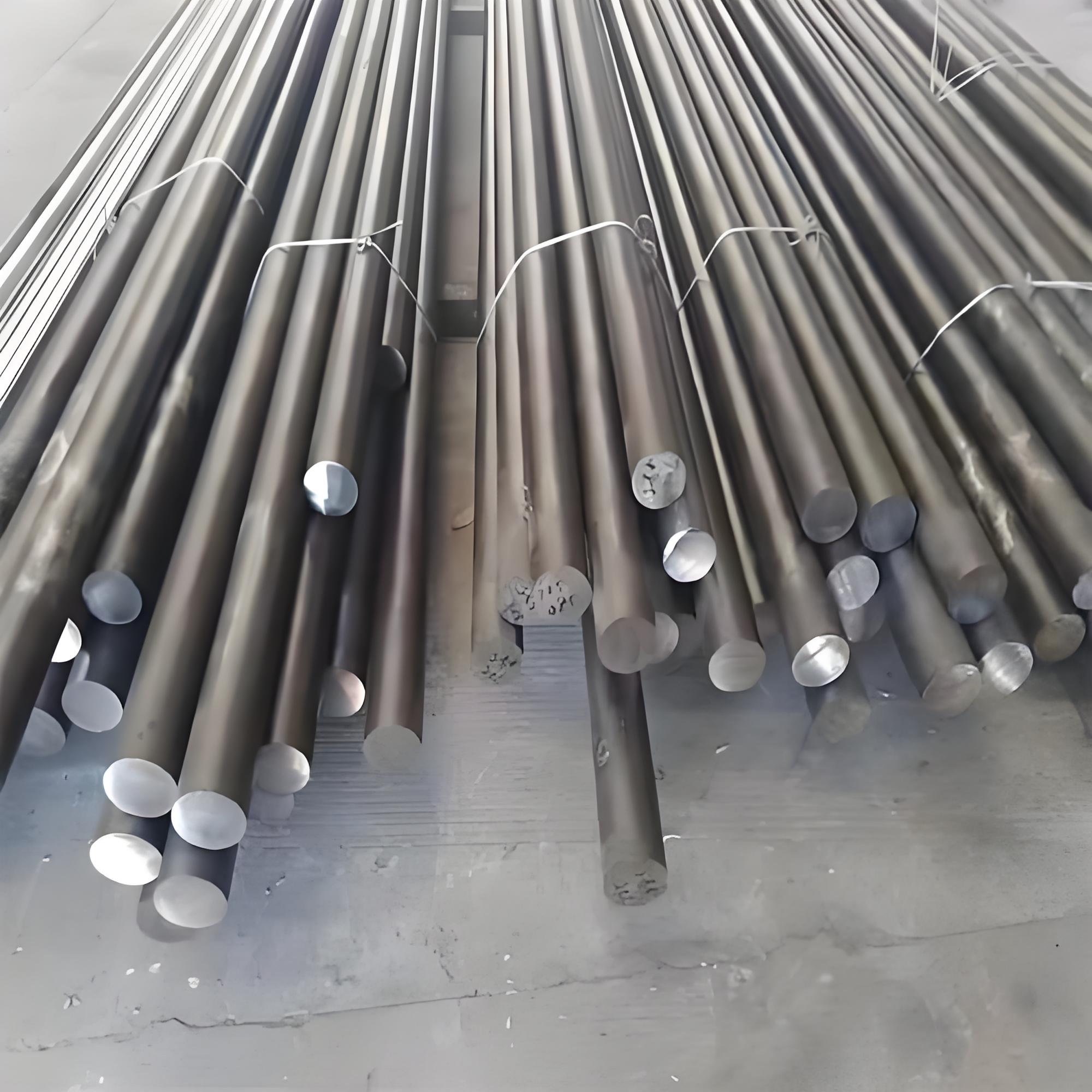
Nimonic 75 is a nickel-chromium-based heat-resistant alloy known for its good oxidation resistance, stable high-temperature microstructure, and suitability for long-term service in medium-to-high temperature environments. Although it is not as frequently compared with precipitation-strengthened alloys like Nimonic 80A or Inconel 718, it remains a mature and reliable material choice for many high-temperature components.
From our factory experience, Nimonic 75 round bars are commonly used in heat treatment fixtures, combustion system components, furnace parts, certain aerospace engine components, high-temperature chemical processing equipment, and industrial heating system parts. In many cases, customers purchase round bars not for direct use but for further machining, forging, or welding, which places high demands on dimensional stability, surface quality, and batch consistency.
In the market, the circulation volume of Nimonic 75 is generally lower than that of more widely used nickel alloys. This results in lower price transparency and more noticeable price differences between standard and non-standard specifications. When customers require specific diameters, tight tolerances, ultrasonic testing, or precision-finished surfaces, price gaps between suppliers become even more significant.
For this reason, the Nimonic 75 round bar market is not purely spot-based. While quotations may appear to refer to the same grade, they often differ significantly in melting route, delivery condition, heat treatment requirements, and documentation level. Buyers who focus only on surface-level pricing may easily misjudge the true value.
Looking ahead to 2026, we expect the price trend for Nimonic 75 round bars to show “high-level fluctuations, localized upward movement, and strong dependence on raw material costs,” rather than a sharp one-sided decline. The reason is straightforward: as long as nickel and energy prices remain elevated, finished alloy prices are unlikely to return to previously lower levels.
Compared with previous years, 2026 is more likely to show divergence rather than extreme volatility. Standard specifications and large-volume orders may see relatively stable pricing due to improved supply chain maturity and competition. However, small batches, non-standard sizes, precision-finished bars, and orders requiring third-party inspection or high documentation standards will likely maintain higher unit costs.
From a manufacturing perspective, price trends are influenced not only by raw material fluctuations but also by order structure. If aerospace, industrial gas turbine, and heat treatment equipment industries maintain stable demand in 2026, the baseline demand for heat-resistant alloys like 75 will remain strong, limiting suppliers’ willingness to reduce prices.
In practical procurement terms, the 2026 price of Nimonic 75 round bars is likely to be “not particularly cheap, but not uniformly rising across all specifications.” Differences will mainly depend on specifications, delivery timelines, and quality requirements.
The most critical factor affecting the price of Nimonic 75 round bars remains the cost of key alloying elements, particularly nickel and chromium. Nickel represents a significant portion of the material cost, and any fluctuation in global nickel prices directly impacts supplier quotations. When nickel prices rise sharply, suppliers are unlikely to maintain old pricing due to raw material replenishment risks.
Although chromium accounts for a smaller proportion of total cost, it is essential for oxidation resistance and alloy stability. If chromium prices rise alongside nickel, combined with melting losses and scrap recovery cost variations, the final bar price will also increase.
Global mining supply also plays a role. The supply of nickel ore, ferronickel, intermediates, and refined nickel is closely tied to policies in major producing countries such as Indonesia and the Philippines. Changes in export regulations, taxes, or production quotas can quickly impact raw material procurement costs.
Trade policies are another important factor. Nickel alloys are not isolated from global trade dynamics. Tariff adjustments, origin restrictions, shipping disruptions, and geopolitical factors can all increase the overall supply chain cost. In many cases, it is not the material itself becoming more expensive, but the entire supply chain.
From our experience, buyers often underestimate the impact of raw material inventory timing. If nickel prices rise and suppliers have limited stock, new quotations will increase quickly. Conversely, suppliers who secured raw materials earlier may offer more stable pricing for a period. As a result, procurement timing within 2026 can significantly affect costs.
Energy costs are a major component in producing nickel-based heat-resistant alloys like Nimonic 75. Processes such as melting, remelting, forging, heat treatment, finishing, and inspection all require significant energy input. High-temperature furnace operation and heat treatment cycles are particularly energy-intensive.
If electricity, natural gas, or industrial fuel prices remain high in 2026, processing costs will not decrease significantly, even if raw material prices stabilize. Buyers often focus only on nickel prices, but energy costs can represent a substantial portion of the total cost, especially for small-batch or custom orders.
Transportation costs are also a key variable. Nickel alloy round bars are typically heavy, require strict packaging, and involve higher shipping insurance and crate costs. Increases in ocean freight, port charges, or inland logistics directly raise delivered costs, particularly for export orders.
Environmental compliance costs will also continue to impact pricing. Alloy production involves emission control, heat treatment management, surface treatment processes, and waste disposal compliance. These are no longer optional but essential cost components.
From a manufacturing standpoint, standardized, traceable, and compliant production cannot be achieved at extremely low prices. This explains why some unusually low quotations often lack clarity regarding delivery condition, documentation, or inspection scope.
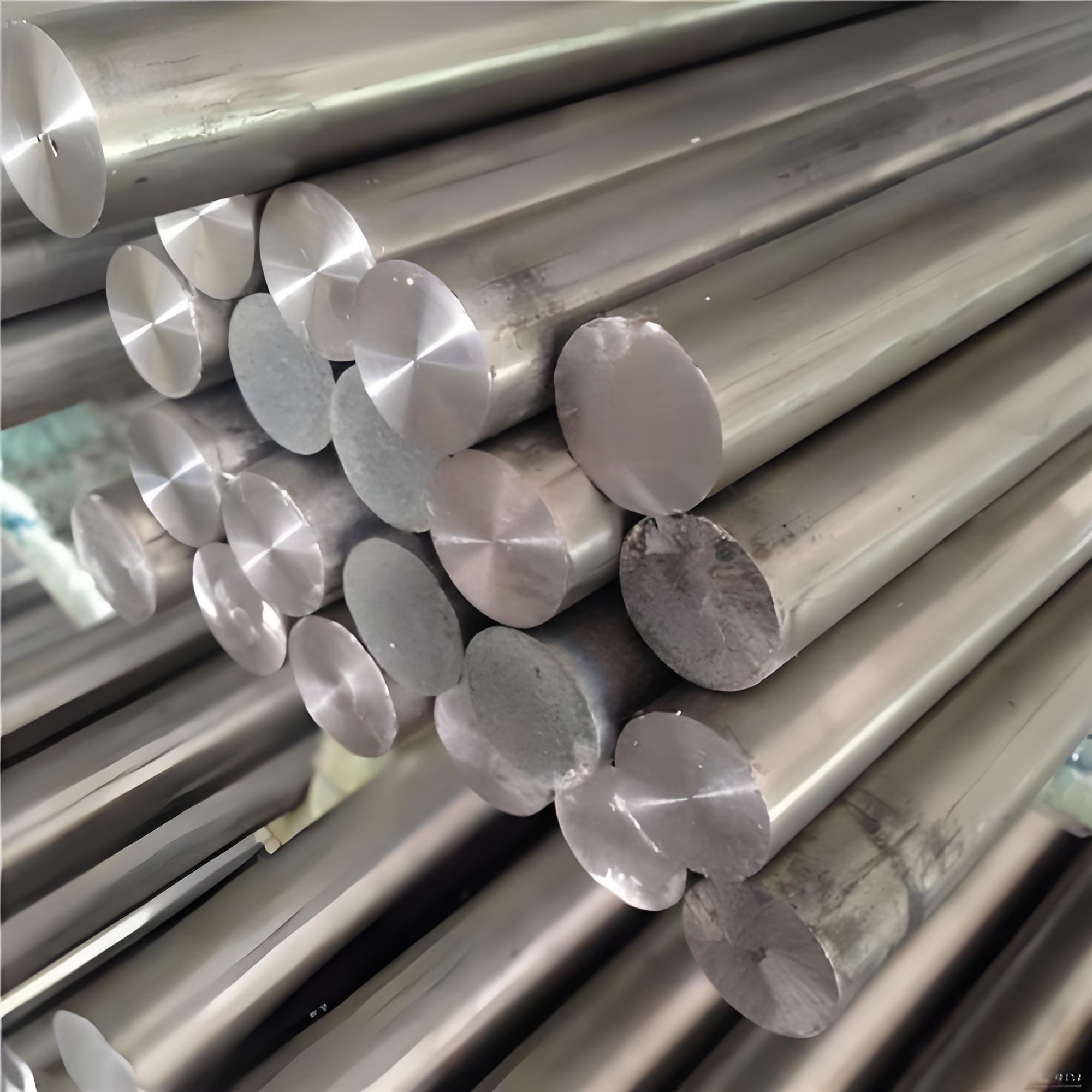
The price of Nimonic 75 round bars in 2026 depends not only on cost factors but also on demand. Current industry expectations suggest stable demand from aerospace, industrial gas turbines, heat treatment equipment, petrochemical high-temperature systems, and certain power generation sectors. Although 75 is not the primary choice for all high-temperature applications, it maintains steady demand within specific temperature and oxidation environments.
Demand from aerospace and gas turbine sectors typically prioritizes quality over price. When production schedules increase or maintenance demand rises, manufacturers prioritize high-specification orders, reducing flexibility for general industrial orders.
On the supply side, availability depends on production capacity. While Nimonic 75 is not extremely rare, the number of facilities capable of consistently producing high-quality bars with controlled microstructure and dimensions is limited. This is especially true for forged bars, precision-finished bars, and high-level ultrasonic testing requirements.
Export policies can also affect pricing. Stricter regulations or logistics uncertainties in major supply regions may drive price increases, while reduced international demand or inventory adjustments may temporarily ease prices.
Our assessment is that in 2026, the market will show “stable availability for standard materials, but tighter supply for high-quality products.” In other words, materials may be available, but those meeting strict project requirements with full documentation will command stronger pricing.
Specifications have a direct impact on pricing. Smaller diameters often require more processing steps and have higher yield losses, meaning they are not necessarily cheaper than larger sizes. Conversely, large-diameter forged bars involve greater forging difficulty, structure control, and heat treatment requirements, which can increase costs.
Length requirements also affect pricing. Standard mill lengths are more cost-effective, while custom cut lengths, fixed precision sizes, or low-loss requirements increase cutting losses and sorting costs.
Tighter tolerances lead to higher prices. Black bars, peeled bars, turned bars, and ground bars differ significantly in cost. For precision machining, higher-quality bars may reduce machining costs, but unnecessary precision can increase material expenses.
Heat treatment conditions also add cost. If specific solution treatment, stabilization, or other requirements are specified, additional processing and validation steps are required.
Surface finishing costs—such as turning, grinding, pickling, chamfering, individual protection, laser marking, and ultrasonic testing—are often overlooked during inquiry but significantly impact final pricing.
| Specification Type | Price Impact | Description |
| Standard Black Bar | Baseline | Suitable for projects with extensive downstream machining |
| Turned / Ground Bar | Higher unit price | Includes finishing, tolerance control, and surface requirements (reference only) |
Pricing logic varies across regions such as North America, Europe, and Asia. North America typically emphasizes traceability, documentation, compliance, and supply chain reliability, resulting in higher final prices.
Europe combines high standards with high energy and labor costs, making alloy pricing relatively firm, especially for projects requiring strict documentation.
Asia offers more flexibility and a wider price range due to diverse supply chains. While lead times and customization are often advantages, buyers must carefully evaluate what is included in each quotation.
As a general industry reference for 2026, standard Nimonic 75 round bar prices in the international market are expected to range approximately between $35–$60/kg. Special specifications, precision finishes, or high documentation requirements will typically result in higher prices. These figures are for reference only and not substitutes for formal quotations.
| Region | Market Characteristics | Price Trend |
| North America / Europe | High standards and compliance requirements | Generally higher (reference only) |
| Asia | Flexible supply chains | Wider price range (reference only) |
In practice, total procurement cost depends not only on ex-factory price but also on inspection, packaging, logistics, insurance, and customs clearance.
For buyers planning Nimonic 75 procurement in 2026, the first recommendation is to lock in demand early rather than waiting for lower prices. Alloy prices tend to rise quickly with raw materials but fall slowly when costs decline.
Second, prioritize bulk purchasing. Consolidating smaller orders into larger batches improves material utilization and reduces cutting losses, often resulting in better pricing and delivery stability.
Third, consider long-term agreements. For ongoing demand, stable supplier partnerships can secure pricing, capacity, and delivery timelines.
Fourth, optimize specifications. Many high costs result from overly specific requirements rather than the material itself. Adjusting dimensions to standard production ranges can reduce overall costs.
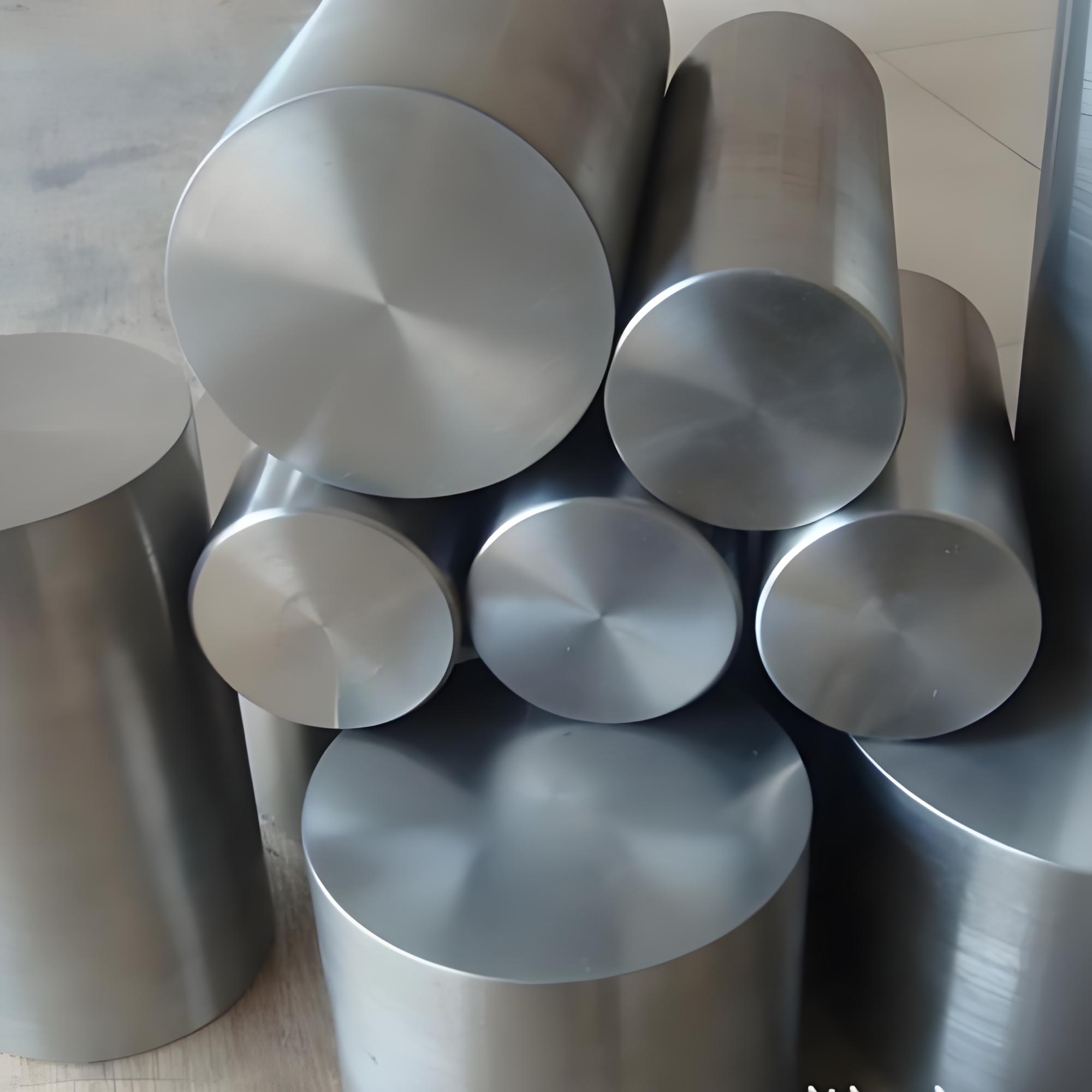
Fifth, focus on total cost rather than unit price. For example, cheaper black bars may result in higher machining costs and defect risks compared to slightly more expensive finished bars.
In our daily operations at Shanghai NC Metal Materials Co., Ltd., we often advise customers that the most effective way to control costs is not aggressive price negotiation, but clearly defining specifications, tolerances, surface condition, delivery time, and documentation upfront.
What is the approximate price of Nimonic 75 round bar in 2026?
Industry estimates suggest that standard specifications may range from approximately $35–$60/kg in 2026. Higher specifications, precision finishes, or additional testing requirements will increase pricing. Actual prices depend on specifications, quantity, delivery condition, and logistics.
Is Nimonic 75 available in stock? What about lead time?
Some standard sizes may be available, but Nimonic 75 is not widely stocked across all specifications. Custom sizes, precision finishes, or full documentation requirements usually require production, leading to longer lead times.
How can I determine if a quotation is reasonable?
Do not focus solely on price per kilogram. Evaluate whether the quotation clearly defines grade standards, tolerances, heat treatment condition, surface finish, documentation, inspection scope, and packaging. Low prices with vague specifications often lead to quality or cost issues later.
More from this category
Inconel 617 alloy round bar price per kilogram is commonly about USD 45 to 90 per kg for standard industrial stock sizes. Large forged bars, small pre...
The latest Inconel 625 alloy bar price per kg depends on nickel, molybdenum, niobium, and chromium raw material costs, as well as bar diameter, manufa...
Inconel X-750 alloy bar price depends on nickel raw material cost, bar diameter, product condition, heat treatment, specification, surface finish, dim...
Inconel 602CA alloy bar price per kg is usually higher than common Inconel 600 and Inconel 601 bars because Alloy 602CA is a premium high-temperature ...
 English English
  Korean
 Arabic
 Spanish
 German
 Portuguese
 French
 Russian
 Italian
 Vietnamese