
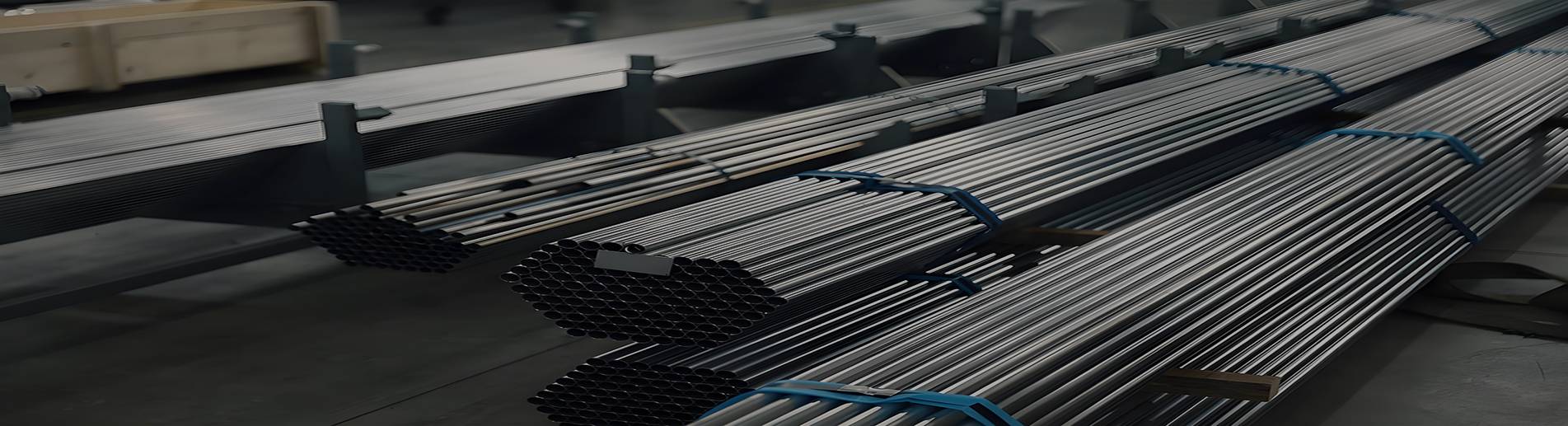
Inconel 617 alloy round bar price per kilogram
Inconel 617 alloy round bar price per kilogram is commonly about USD 45 to 90 per kg for standard industrial stock sizes. Large forged bars, small pre...
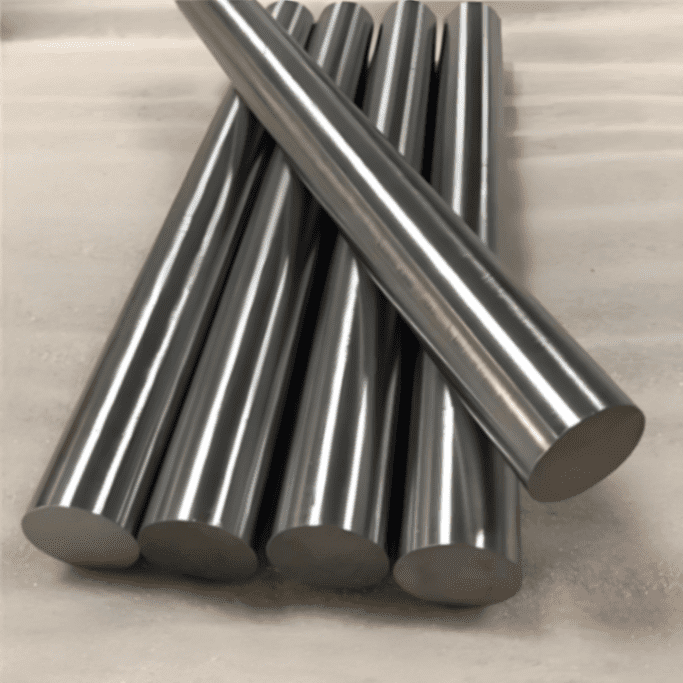
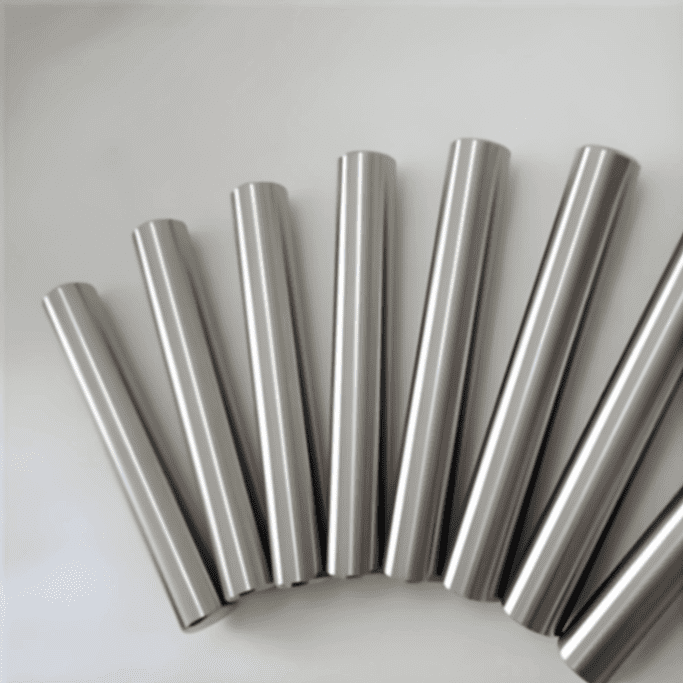
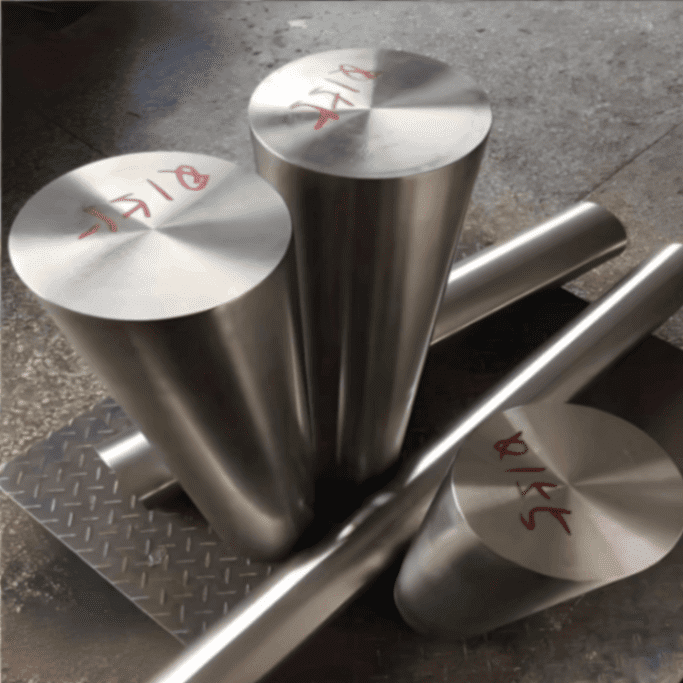
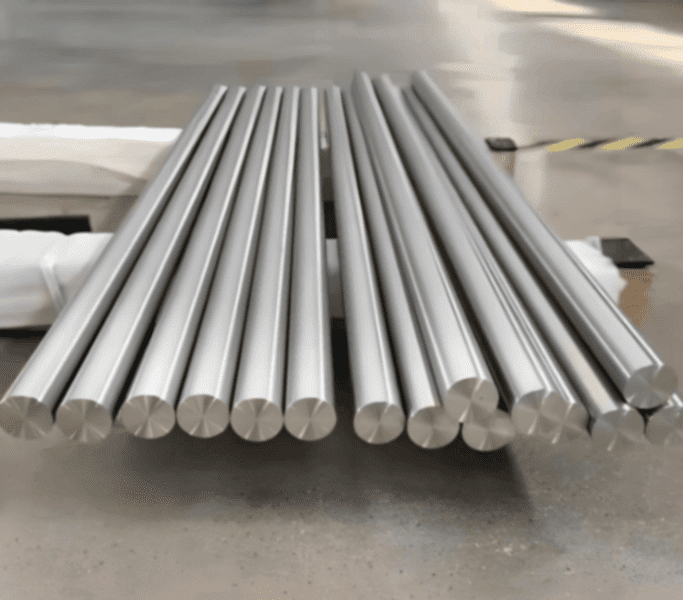
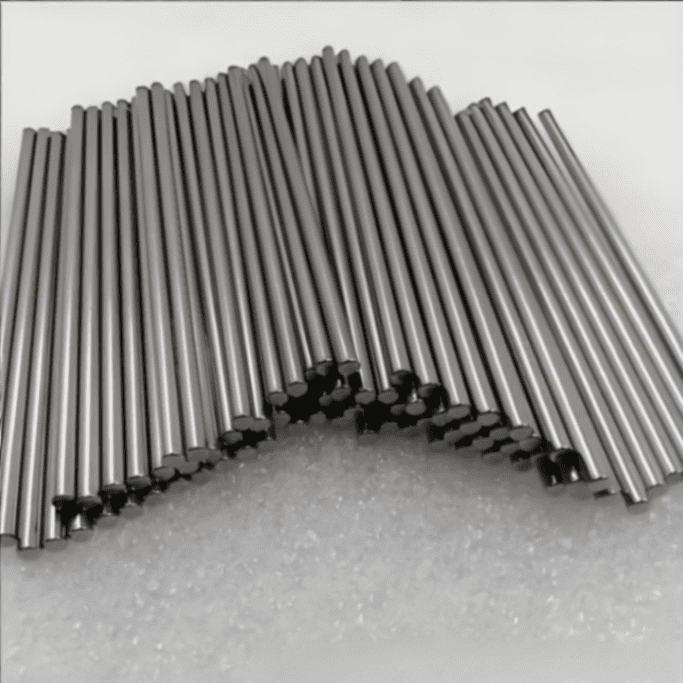
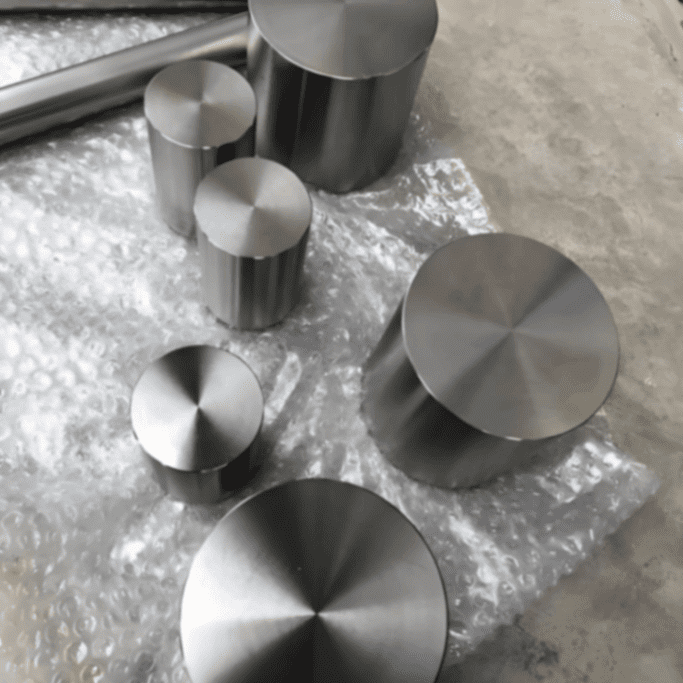
In our daily inquiries, pricing for Nimonic 105 is one of the most frequently asked questions—almost every week—especially regarding bars and why aerospace forgings are significantly more expensive. Based on our in-house production and quotation experience, Nimonic 105 is not a material that can be priced simply by grade. Its final unit price is determined by multiple factors, including product form, applicable standards, aerospace certification, dimensional tolerances, heat treatment condition, inspection requirements, and order quantity. Below, we break down the pricing logic for Bars, Forgings, and Aerospace applications to help procurement, engineering, and project teams obtain more realistic quotations more efficiently.
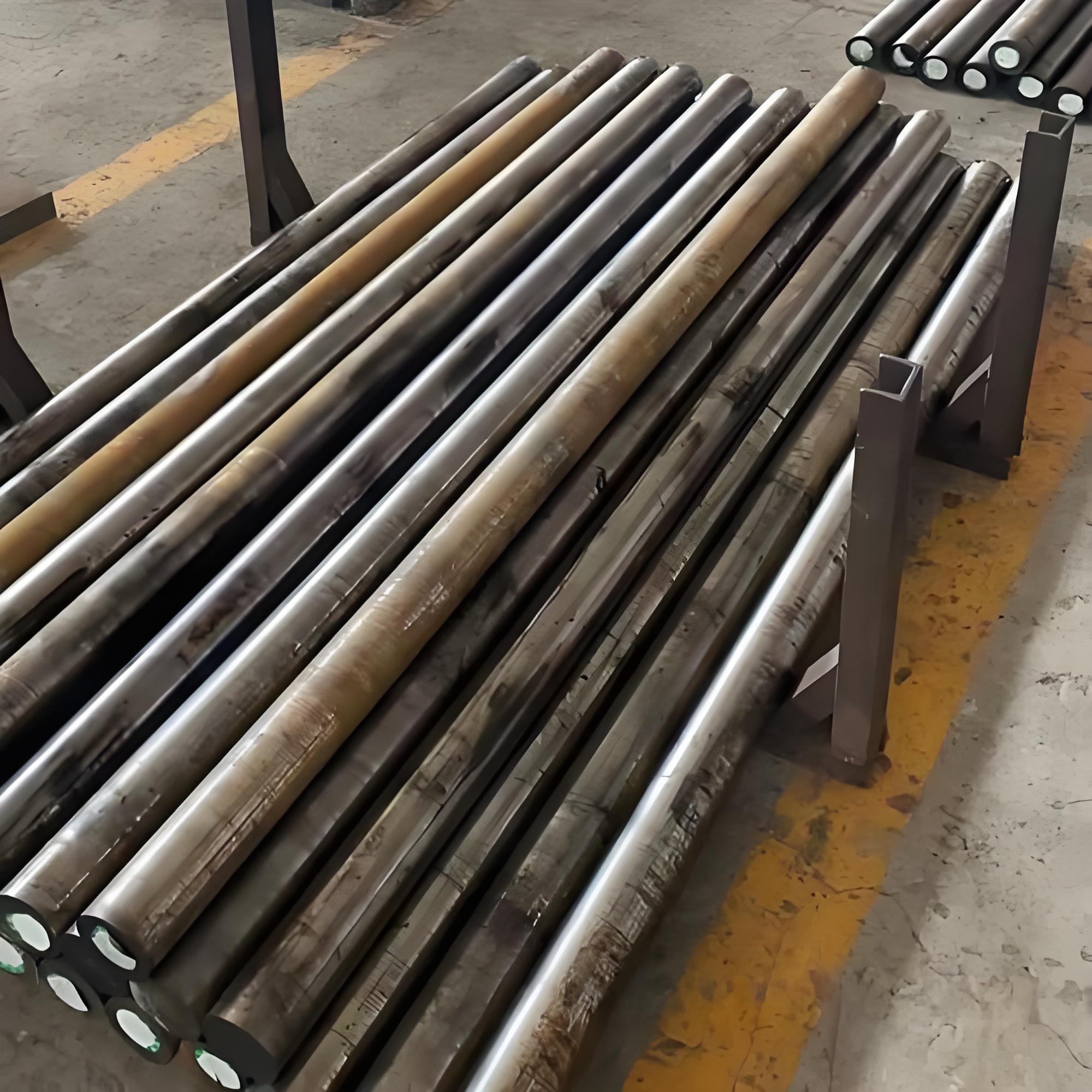
Nimonic 105 is a typical nickel-based superalloy characterized by excellent high-temperature strength, strong creep resistance, and stable oxidation resistance. It is particularly suitable for long-term service under high temperatures, complex stresses, and thermal cycling conditions. Its strengthening mechanism mainly comes from solid solution strengthening and age-hardening precipitation, enabling it to maintain reliable mechanical performance in medium-to-high temperature ranges after proper heat treatment.
In terms of applications, Nimonic 105 is more commonly used in high-performance components rather than general industrial parts. Typical applications include aerospace engine fasteners, rings, forgings, load-bearing components, parts near gas flow paths, and components subject to thermal fatigue. It is also used in gas turbines, nuclear high-temperature components, and advanced thermal equipment, but the most demanding and price-sensitive market remains aerospace applications.
Compared with more widely available alloys like Inconel 625, Nimonic 105 has a smaller market volume and is often produced in non-standard sizes. This means its pricing is influenced not only by material cost but also by production scheduling efficiency, yield rate, and certification costs. In other words, pricing for Nimonic 105 must be analyzed based on actual application scenarios rather than a simple grade-based lookup.
In the industry, Nimonic 105 pricing is typically differentiated by product form. Bars, forgings, and pre-machined parts may originate from the same heat, but their final prices can vary significantly due to differences in manufacturing routes, yield rates, and inspection requirements.
For bars, standard hot-rolled or forged bars with solution and aging treatment are relatively cost-controlled. Small-diameter bars with moderate finishing requirements and standard certification are usually priced lower than aerospace-grade forgings. However, if bars require ultrasonic testing, low segregation control, traceability, and tighter dimensional tolerances, the price increases accordingly.
Forgings are different. The cost of Nimonic 105 forgings includes raw material, billet preparation, die forging or open-die forging, post-forging heat treatment, machining allowance control, inspection, trimming, stress relief, and sometimes secondary machining. For small-batch, complex-shaped forgings, yield rates are lower and process control is stricter, leading to higher per-kilogram prices compared to bars.
| Product Form | Reference Price (USD/kg) | Description |
| Bar | 48 – 85 | Depends on size, standards, heat treatment, and inspection requirements |
| Forgings | 65 – 130 | Depends on forging ratio, complexity, inspection, and aerospace certification |
Large-diameter forged bars may fall between bar and forging pricing, while near-net-shape forgings, rings, and discs may exceed the above range. In practice, manufacturers distinguish between billet-level forgings and near-finished components, as their cost structures differ significantly.
The cost differences are mainly driven by three factors: deformation processing intensity, yield rate, and inspection level. Forgings require more high-temperature processing and stricter control; complex shapes reduce yield; and aerospace-grade products require higher inspection standards and documentation, increasing per-unit cost.
When Nimonic 105 is used for aerospace applications, the pricing logic changes significantly. Many buyers initially focus on stock availability, but the real cost driver is the ability to meet aerospace production and delivery requirements, including standards, traceability, inspection coverage, performance verification, and documentation completeness.
Aerospace-grade materials typically follow AMS, BS, or project-specific standards. However, the cost impact comes not just from the standard itself, but from the associated process and documentation requirements. These include tighter chemical composition control, complete heat treatment records, mechanical testing in specified directions and conditions, and mandatory non-destructive testing such as ultrasonic or penetrant inspection.
One of the most common cost drivers is additional inspection. Aerospace customers often require UT, PT, macrostructure, grain size, microstructure, hardness distribution, and sometimes third-party witness inspection. Full-length inspection for bars or multi-stage inspection for forgings significantly increases costs.
Performance re-testing is another major factor. Aerospace projects often require re-testing of tensile properties (room and high temperature), creep or stress rupture performance, and sometimes impact or transverse properties. These tests increase cost not only due to testing fees but also due to sampling loss, extended lead times, and batch management complexity.
As a result, aerospace-grade Nimonic 105 typically costs 15% to 40% more than standard industrial-grade material, sometimes even higher. This increase is not due to different composition, but due to the additional process control and verification required for reliability.
Pricing for Nimonic 105 is highly sensitive to specifications and precision, not just weight. For bars, diameter, length, straightness, tolerance, and surface condition all directly affect unit price.
Large diameters require bigger billets, higher-capacity equipment, and longer heat treatment cycles, making internal quality control more challenging. When combined with aerospace-grade inspection requirements, costs increase further. On the other hand, small diameters may require precision finishing and strict surface control, which can also increase costs.
Length requirements also matter. Fixed-length bars with strict conditions—such as no splicing or short-length substitution—reduce material utilization efficiency and increase cutting losses, which are significant for high-value nickel alloys.
Tolerance levels have a direct impact. Black bars, forged surface bars, turned bars, and ground bars differ significantly in price. Higher finishing levels require more material removal and processing time. For high-strength alloys like Nimonic 105, machining efficiency is lower than for stainless steel, making finishing costs more significant.
| Delivery Condition | Price Adjustment | Description |
| Black bar / as-forged | Baseline | Suitable for further machining with sufficient allowance |
| Turned / ground / tight tolerance | +8% to +25% | Depends on diameter, tolerance, and surface requirements |
For forgings, the same principle applies. Open-die billets are priced differently from near-net-shape forgings. The latter includes not just material and forging, but also process design, allowance control, and yield optimization.
Order quantity significantly affects pricing. Unlike standard stainless steel, Nimonic 105 is often produced per heat and per specification, meaning small batches and trial orders are relatively expensive.
Small orders require the same process setup, heat treatment, inspection, and documentation as large orders, but the fixed costs are distributed over a smaller quantity. This leads to higher per-kilogram prices, especially for aerospace samples or non-standard sizes.
Large orders benefit from stable raw material sourcing, batch processing efficiency, and optimized logistics. Price differences of 10% to 20% between small and large orders are common.
Long-term contracts provide additional advantages by allowing better production planning and raw material procurement. However, due to fluctuating alloy element costs, many long-term agreements use a “base price + raw material adjustment” model rather than fixed pricing.
The primary driver of Nimonic 105 price fluctuations is raw material cost. Nickel is the main cost component, while cobalt and chromium also play significant roles. Price changes in nickel and cobalt directly affect supplier quotations.
When nickel prices rise, both bars and forgings increase in price, but forgings often show greater sensitivity due to higher processing costs and yield losses. Increased raw material costs also raise the value of material losses during processing.
Cobalt, although present in smaller quantities, is critical for high-temperature strength and stability. Its price volatility can significantly affect aerospace-grade material pricing.
Additional factors such as scrap value, shipping costs, energy prices, and third-party inspection costs also indirectly influence final pricing.
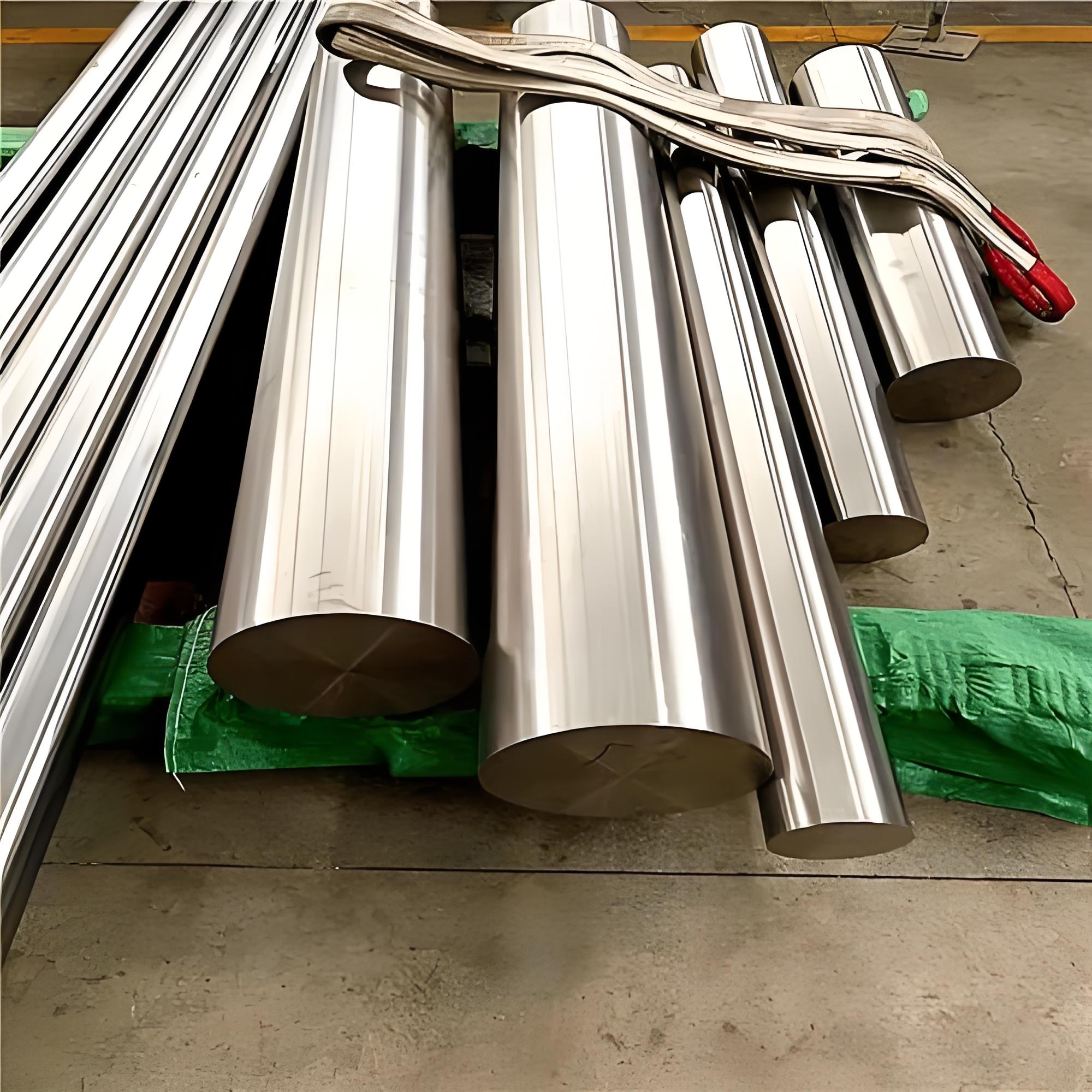
Based on current industry observations, Nimonic 105 prices remain relatively high. Standard industrial bars with common specifications and moderate requirements typically fall within the previously mentioned ranges. Aerospace-grade bars or forgings with strict standards and additional testing requirements are priced toward the higher end.
The forging market shows increasing differentiation. Simple billets have moderate price increases, while complex aerospace forgings with strict inspection and certification requirements are significantly more expensive.
Key factors influencing 2026 pricing include: global supply and demand for nickel and cobalt, demand from aerospace and energy sectors, logistics and energy costs, and increasing certification and quality requirements.
If raw material prices remain stable at high levels, Nimonic 105 prices are likely to fluctuate within a narrow high range. If nickel and cobalt prices rise sharply, aerospace-grade forgings will be the most affected.
| Application Type | Reference Price (USD/kg) | Notes |
| Industrial Nimonic 105 Bar | 50 – 75 | Standard specifications and documentation |
| Aerospace Bar / Forgings | 78 – 135 | Includes certification, inspection, and re-testing requirements |
To obtain accurate pricing, the most effective approach is to clearly define all technical requirements upfront rather than repeatedly asking for the lowest price. Incomplete information leads to broad estimates rather than actionable quotations.
Key parameters include: grade and standard; product form (bar, forging, billet); dimensions (diameter, length, weight); delivery condition (heat-treated, solution annealed, aged); tolerance; surface condition; application (especially aerospace); inspection requirements (UT, PT, mechanical testing, grain size); documentation (EN 10204 3.1/3.2 or project-specific); third-party inspection; packaging and shipping requirements.
For forgings, providing drawings is essential. Pricing depends heavily on geometry, forging ratio, machining allowance, and inspection areas. Without drawings, accurate quotation is difficult.
An effective inquiry process is: provide drawings or specifications, define standards and certification requirements, clarify application and quantity, and confirm finishing and inspection needs. This allows manufacturers to determine the appropriate pricing model efficiently.
For long-term projects, sharing annual demand and procurement schedules during the inquiry stage helps manufacturers optimize production and offer more competitive pricing. At Shanghai NC Metal Materials Co., Ltd., understanding whether a project is one-time or ongoing directly influences pricing strategy.
What information is needed to quote Nimonic 105 bar price per kg accurately?
The most critical factors are specifications, standards, heat treatment condition, quantity, inspection requirements, and application. For aerospace use, additional details such as AMS/BS standards, UT/PT requirements, re-testing, third-party inspection, and certification level are necessary.
Why are Nimonic 105 forgings more expensive than bars?
Because forgings include not only raw material but also forging processes, tooling or open-die costs, heat treatment, inspection, allowance control, and higher yield losses. Aerospace-grade forgings require even stricter process control and testing, leading to higher prices.
Is aerospace-grade Nimonic 105 always significantly more expensive?
In most cases, yes, but the increase varies. The higher price comes from certification, traceability, additional inspections, performance testing, and stricter documentation. If no additional requirements are imposed, the price difference may be smaller; however, full aerospace compliance usually results in significantly higher costs.
More from this category
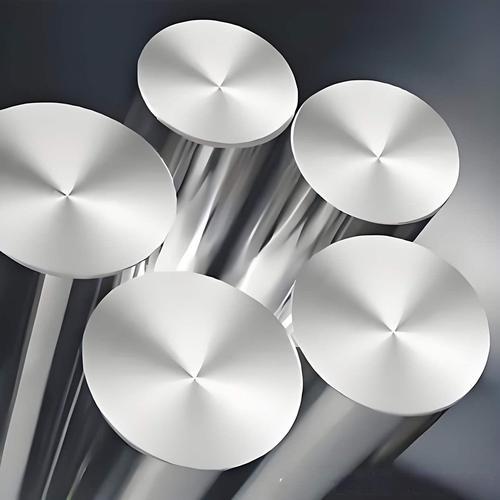
Inconel 617 alloy round bar price per kilogram is commonly about USD 45 to 90 per kg for standard industrial stock sizes. Large forged bars, small pre...
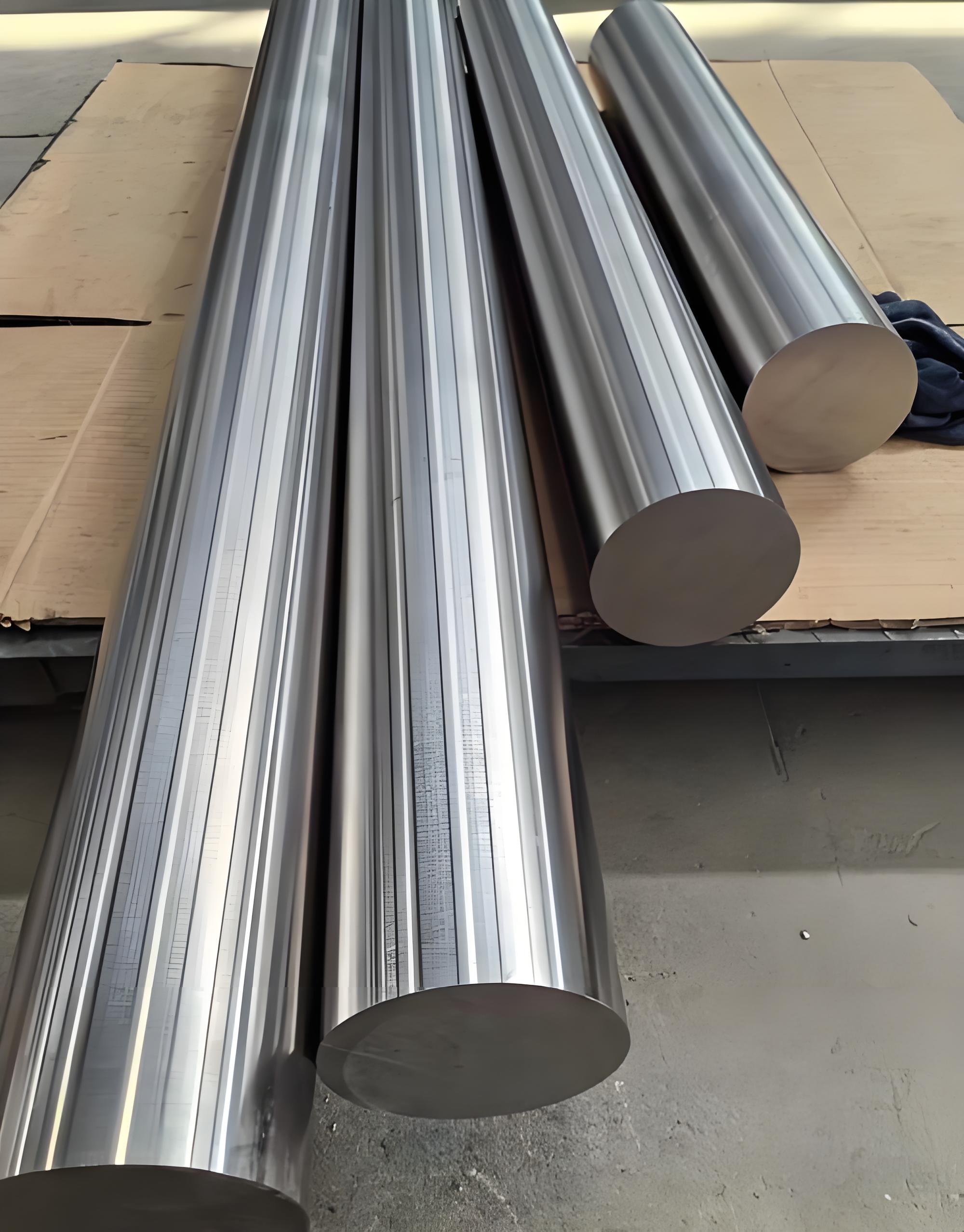
The latest Inconel 625 alloy bar price per kg depends on nickel, molybdenum, niobium, and chromium raw material costs, as well as bar diameter, manufa...
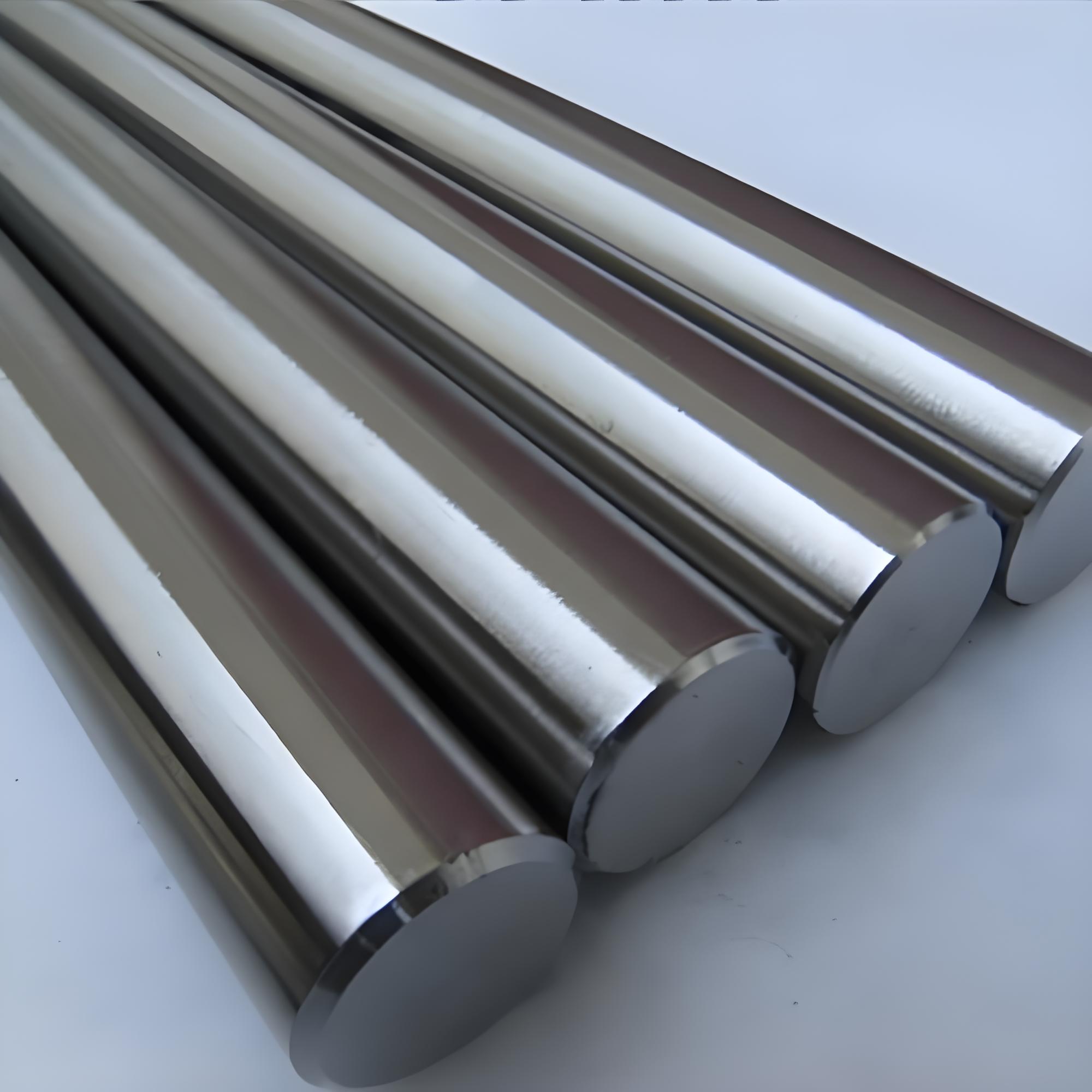
Inconel X-750 alloy bar price depends on nickel raw material cost, bar diameter, product condition, heat treatment, specification, surface finish, dim...
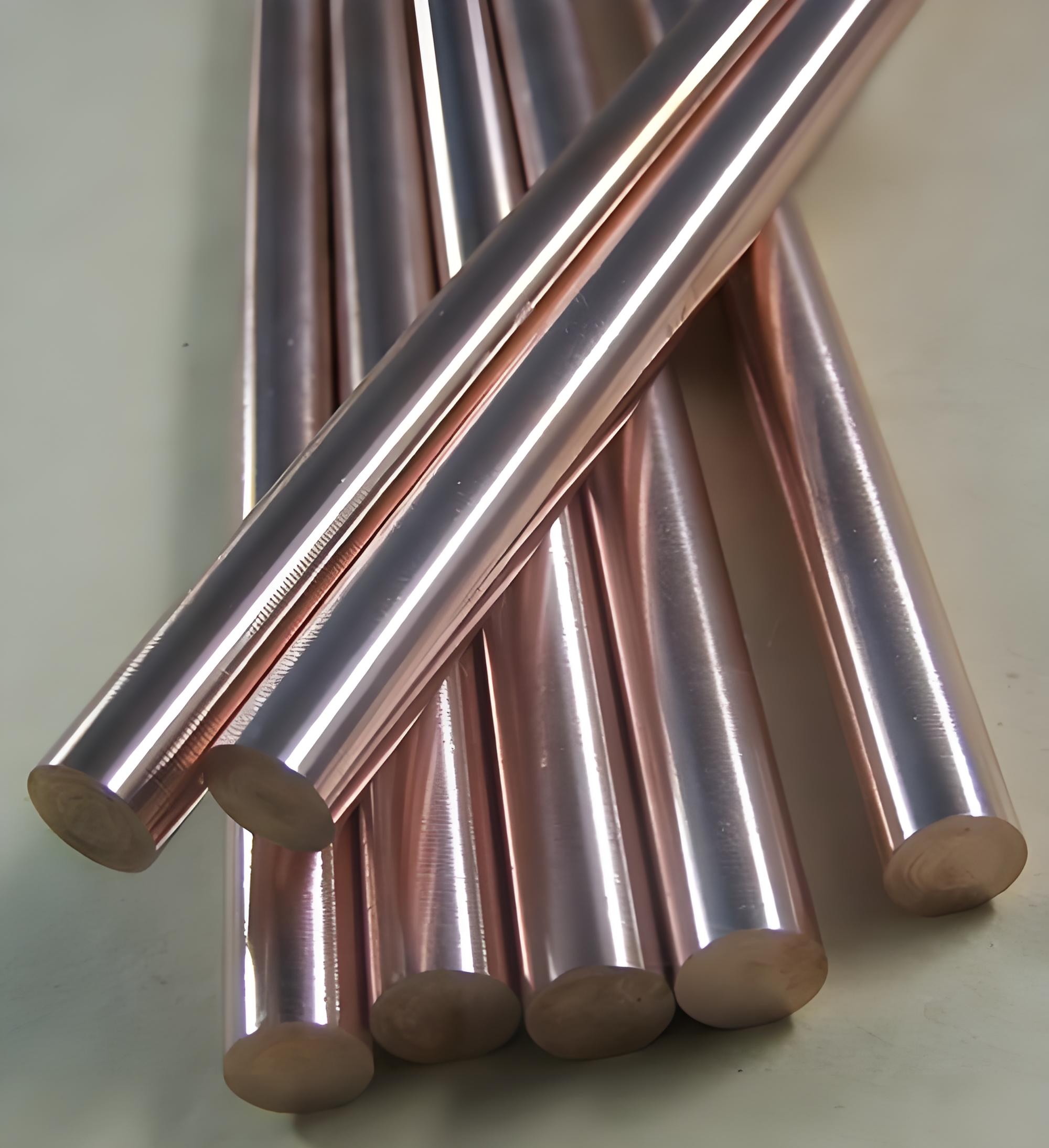
Inconel 602CA alloy bar price per kg is usually higher than common Inconel 600 and Inconel 601 bars because Alloy 602CA is a premium high-temperature ...
 English English
  Korean
 Arabic
 Spanish
 German
 Portuguese
 French
 Russian
 Italian
 Vietnamese