
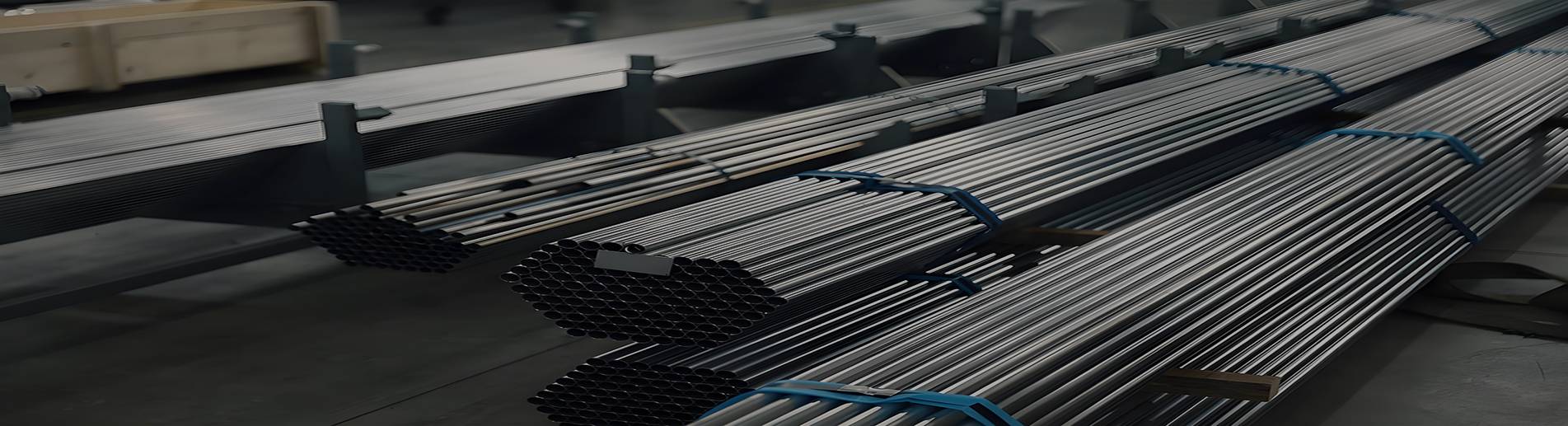
Inconel 617 alloy round bar price per kilogram
Inconel 617 alloy round bar price per kilogram is commonly about USD 45 to 90 per kg for standard industrial stock sizes. Large forged bars, small pre...
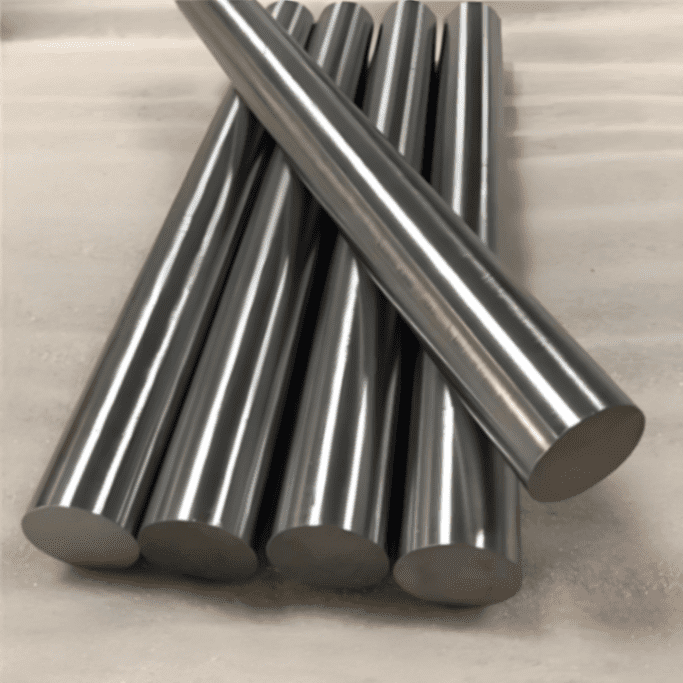
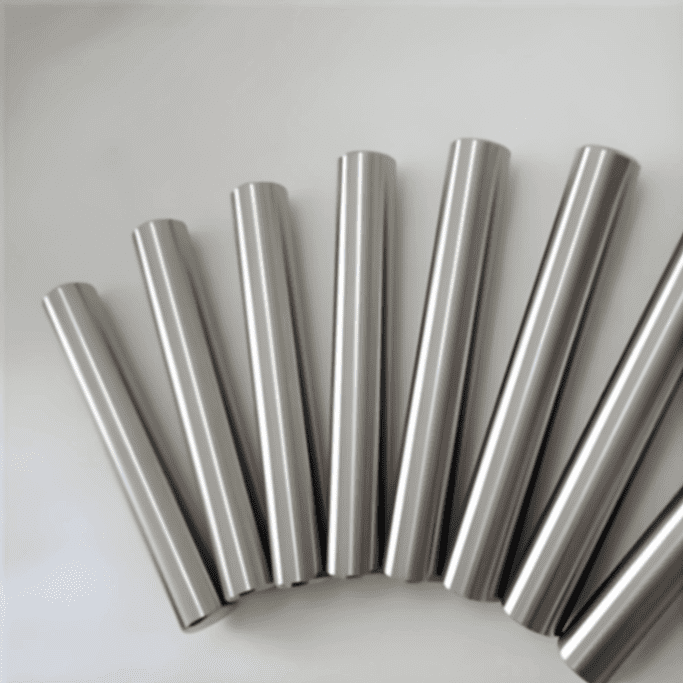
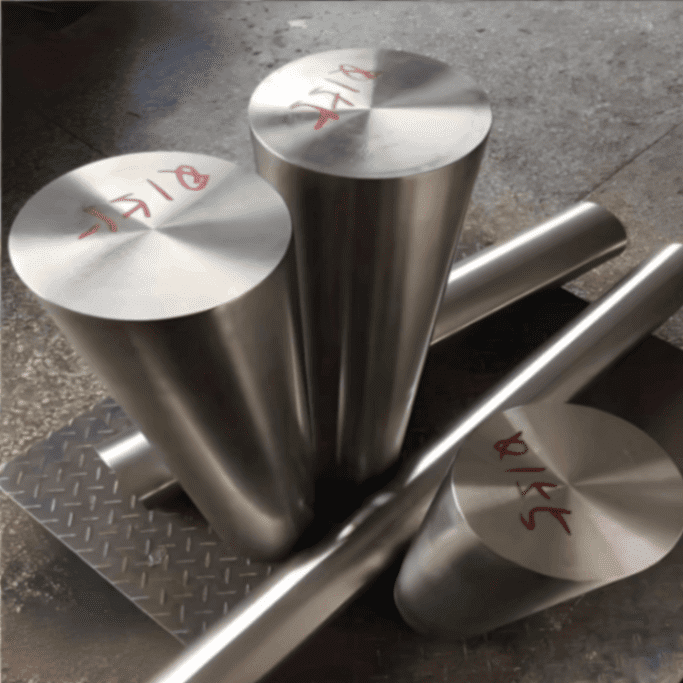
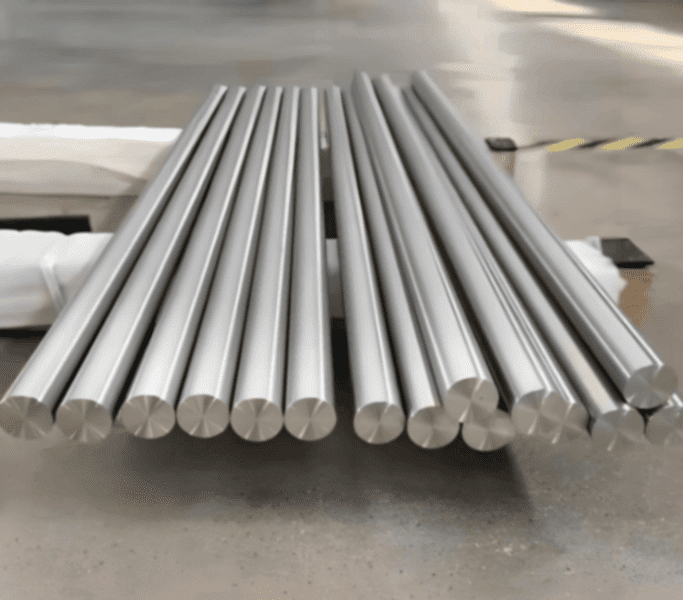
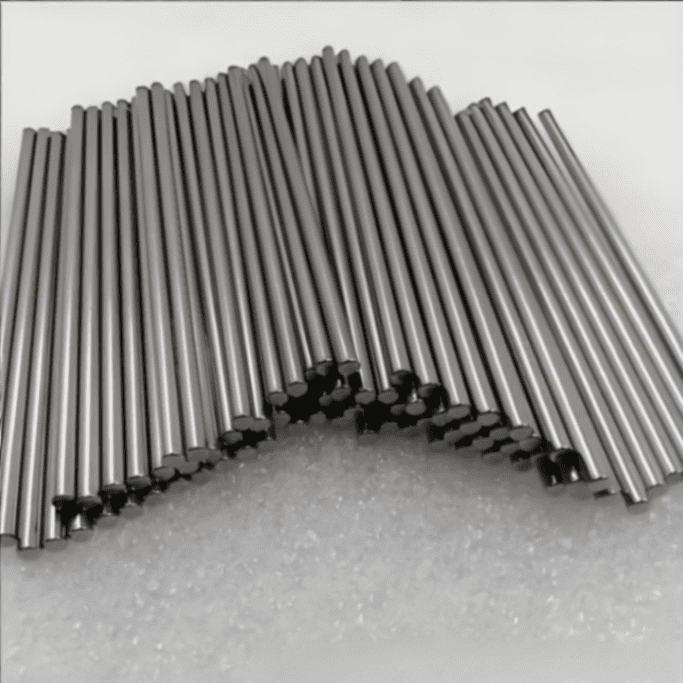
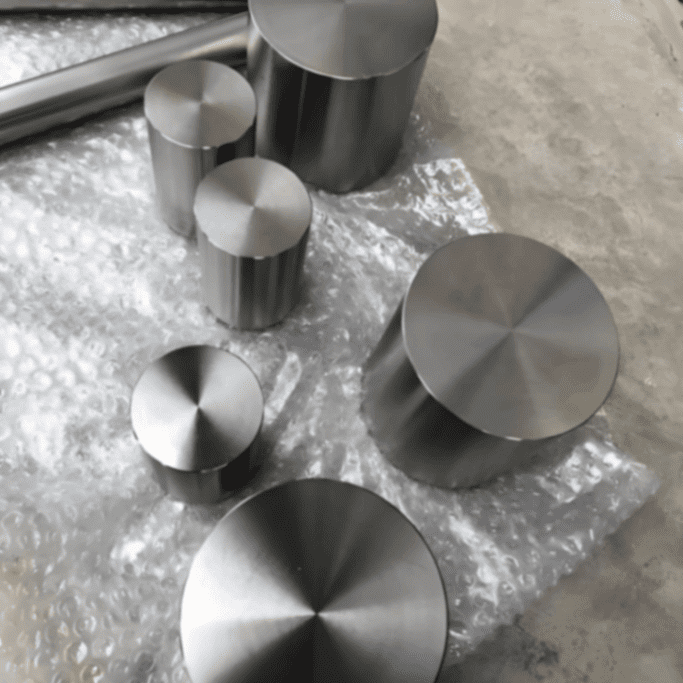
In our experience handling Nimonic 80A procurement projects, one of the most overlooked factors by buyers is not whether the material itself is expensive, but who they are buying from. This choice has a direct and significant impact on the final component performance. Nimonic 80A is not ordinary stainless steel, nor is it a general-purpose nickel alloy that can be safely purchased based on a simple material certificate. It is commonly used in high-temperature, long-term load-bearing, and life-critical applications. If the supplier fails to properly control melting, forging, heat treatment, or inspection processes, the risks often only become visible after machining, installation, or even during service.
Nimonic 80A is a typical nickel-based superalloy strengthened by precipitation of Ti and Al. It offers good high-temperature strength, oxidation resistance, and long-term thermal stability. It is widely used in aerospace engine components, gas turbine parts, exhaust valves, high-temperature fasteners, and load-bearing structures operating under elevated temperatures. Products such as bars and forgings often undergo further machining, heat treatment, and even service validation, which places extremely high demands on the original material quality.
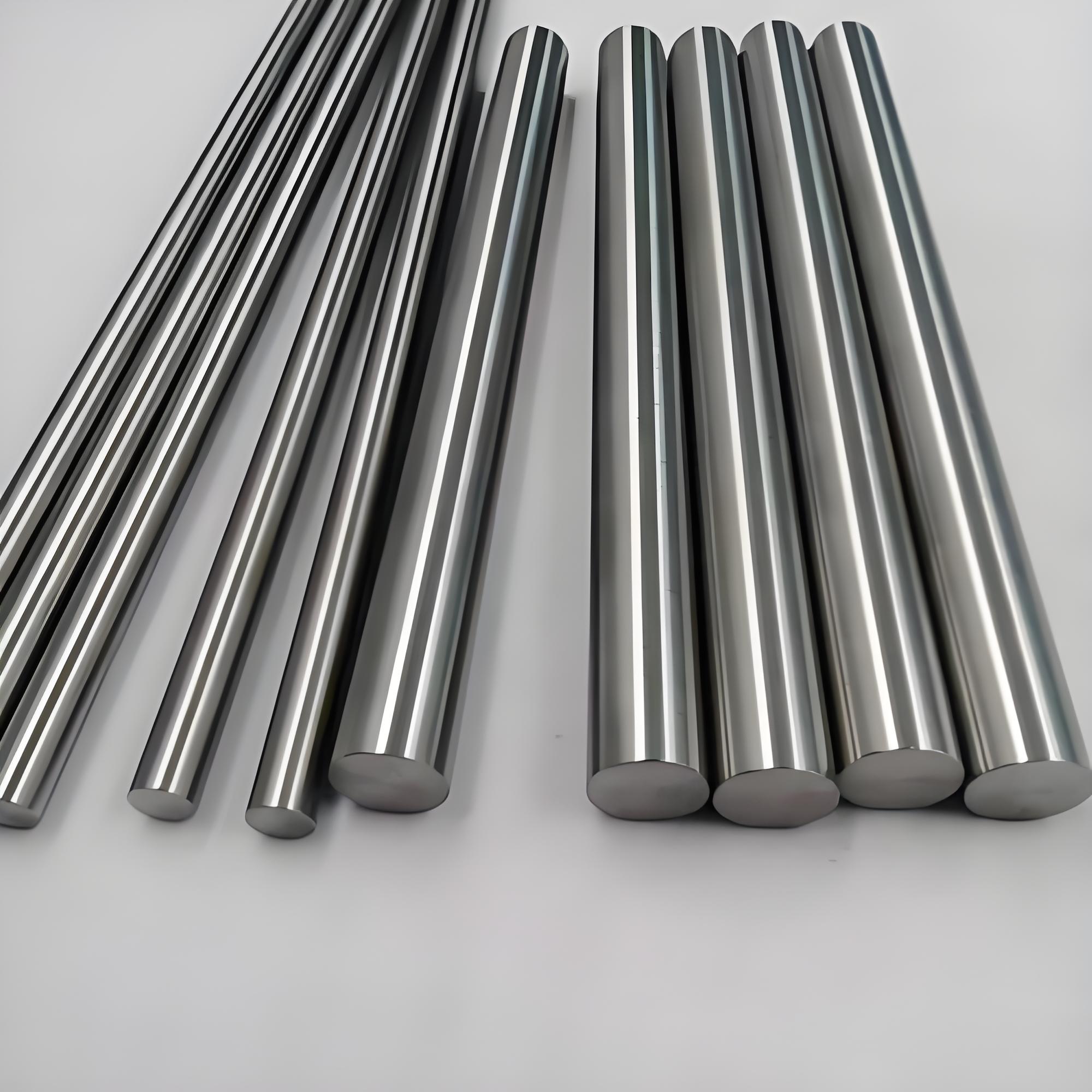
Why is supplier selection so critical? Because the performance of 80A is not guaranteed simply by having the “correct chemical composition.” In reality, performance depends heavily on melting purity, forging structure, grain control, heat treatment uniformity, and inspection integrity. In other words, materials labeled as 80A from different supply chains can show significant differences in creep life, high-temperature strength, impact toughness, and machinability stability.
In actual procurement, there are three common risks. The first is counterfeit or mixed materials—where the grade is labeled correctly, but the actual material is not true 80A, or different heat numbers are mixed together. The second is large composition fluctuations, especially in key elements like Ti, Al, and Cr, which directly affect precipitation strengthening and oxidation resistance. The third is improper heat treatment. This issue is the most hidden, as it cannot be identified visually, but once the material enters high-temperature service, it may result in insufficient strength, reduced life, or even early cracking.
The first factor to evaluate is raw material source and melting route. For high-temperature alloys like 80A, if a supplier only vaguely mentions “high nickel content” or “imported equipment” without clearly explaining the melting process, it usually indicates a lack of technical transparency. In our factory discussions, we always specify whether the material is produced via VIM, VAR, ESR, etc., as this directly affects inclusion control, composition uniformity, and internal cleanliness.
Generally speaking, VIM helps control active elements and improve purity; VAR enhances structural uniformity and reduces segregation; ESR improves cleanliness and density. For critical high-temperature components, focusing only on price without understanding the melting route can lead to major risks later.
The second key factor is manufacturing capability. Whether the supplier has actual forging, rolling, and heat treatment capabilities, or is simply reselling stock material, makes a huge difference. Real manufacturers can clearly explain forging ratios, hot working temperatures, solution and aging processes, and inspection procedures, while trading companies often provide vague answers in these areas.
The third factor is size range and customization capability. Not all 80A sizes are readily available, especially large-diameter bars, special lengths, peeled bars, turned bars, ground bars, or materials requiring ultrasonic testing. The ability to consistently produce these requires strong factory capability. Buyers should confirm whether the supplier can truly manufacture to specification, not just accept the order.
The final practical factor is inventory and lead time stability. In high-temperature alloy projects, the biggest concern is not a delay of a few days, but disruption to the entire project schedule. Suppliers who consistently promise overly optimistic lead times and then delay deliveries can create chain reactions affecting machining, assembly, and final acceptance.
When purchasing Nimonic 80A, the applicable standards must be confirmed in advance. Depending on the project, ASTM, BS, AMS, or internal specifications may apply. The same grade under different standards may have variations in composition range, mechanical properties, delivery condition, and testing requirements.
Material certification is equally important. The most common requirement is an MTC (Mill Test Certificate), typically according to EN 10204 3.1 or 3.2. A 3.1 certificate is issued by the manufacturer and validated by authorized personnel, while 3.2 usually involves third-party or client witness. For critical high-temperature components, especially in aerospace or energy sectors, a simple factory report is often insufficient—document completeness and traceability are essential.
Third-party inspections, such as those conducted by SGS or TUV, are often required. These are not just formalities but part of risk control in the supply chain. For high-value or high-risk projects, third-party inspection is a necessary procurement safeguard.
Quality management systems should not be ignored. ISO 9001 does not guarantee product quality, but it does indicate that the supplier has a structured system for documentation, process control, and traceability. In our experience, reliable Nimonic 80A suppliers typically provide a comprehensive quality system, not just basic business credentials.
Many procurement disputes arise not because the material is completely incorrect, but because the technical requirements are too vague. Before ordering Nimonic 80A, the chemical composition range must be clearly defined, especially for key elements such as Ni, Cr, Ti, Al, Co, Fe, and C. Beyond meeting standard ranges, stability near target values and consistency between heats are equally important.
Mechanical property requirements must also be clarified. For general structural use, room temperature tensile properties may be sufficient. However, for critical hot-end components, high-temperature strength, creep properties, and testing conditions (temperature, sample orientation, acceptance criteria) must be clearly specified.
Heat treatment condition is another common issue. Simply specifying “bars” without indicating solution annealed, aged, or other conditions often leads to mismatched hardness, machinability, or final performance. Since 80A properties are highly dependent on heat treatment, this must be defined before ordering.
Dimensional tolerances and surface condition must also be specified. Whether the product is black bar, peeled bar, turned bar, or ground bar affects machining allowance, surface quality, and cost. If not clearly defined, suppliers will deliver based on standard practices, which may not meet downstream requirements.
The price of 80A is not simply “nickel price + processing cost.” It typically includes raw material cost, melting, forging/rolling, heat treatment, inspection, finishing, and logistics. Additional requirements such as ultrasonic testing, third-party inspection, special heat treatment, or non-standard sizes will further increase the price.
There are indeed unusually low quotes in the market, but these rarely come without trade-offs. Common risks include excessive use of recycled materials, simplified melting routes, reduced heat treatment processes, omitted inspections, substitution with similar grades, relaxed tolerances, or inconsistencies between documents and actual materials. A lower price per kilogram may lead to much higher losses due to machining rejection, welding issues, or service failure.
A practical way to evaluate pricing is to check whether it aligns with complete technical requirements. If a quote is significantly lower than the market average but lacks clarity on melting process, delivery condition, inspection scope, and documentation, it is likely only “cheap on the surface.”
| Item | Industry Reference | Description |
| Nimonic 80A Bar | Approx. $39–$58/kg (reference only) | Varies significantly by size, condition, and testing requirements |
| Custom Forgings / Special Sizes | Usually higher than standard bar pricing | Small batches and high inspection requirements increase cost |
From a manufacturing perspective, a reasonable price is not the lowest one, but one that clearly explains material source, process route, performance delivery, and quality documentation. For critical high-temperature applications, procurement should focus not only on horizontal price comparison but also on vertical risk evaluation.
International manufacturers and local factories each have their strengths. Global suppliers often excel in brand reputation, standard coverage, traceability, and qualifications for high-end projects, especially in aerospace and energy sectors. However, they may have high minimum order quantities, long lead times, complex communication, and higher prices.
Local factories offer advantages in communication efficiency, customization flexibility, lead time responsiveness, and after-sales support. For projects requiring frequent adjustments, inspections, or process changes, proximity and responsiveness can be highly valuable.
It is also important to distinguish between trading companies and direct manufacturers. Traders can be useful for small batch consolidation or urgent supply, but for projects requiring high consistency, traceability, and process transparency, direct manufacturers are usually more suitable.
In practice, the more layers in the supply chain, the more complete the documentation may appear, but actual traceability may weaken. For high-temperature alloys like 80A, real production and inspection transparency is often more important than marketing materials.
Lead time is often underestimated in 80A procurement. Stock materials and custom production differ significantly. Standard sizes may be available faster, but special specifications, melting routes, third-party inspections, or performance validations can extend production cycles.
International logistics adds further complexity. Sea freight is cost-effective but slow, while air freight is faster but expensive and not always economical for heavy, high-value alloys. Procurement planning must include both production and logistics time.
Packaging is also critical. Improper protection can result in damage, scratches, or label confusion during transport. For precision machining materials, inadequate packaging can lead to costly rework.
For large or critical projects, a basic supplier audit is recommended. First, verify whether complete quality documentation is available, including composition, mechanical properties, heat treatment records, dimensional inspection, and heat traceability.
Second, check whether the supplier supports sample testing. Reliable suppliers are usually open to PMI, metallography, hardness testing, tensile testing, and even high-temperature testing if required.
Third, review actual project experience. Supplying aerospace fastener bars or turbine components is very different from general industrial heat-resistant parts.
Fourth, evaluate reputation. Industry feedback often reveals issues such as delayed delivery, inconsistent documentation, or unstable batch quality.
The most common mistake is focusing only on price. For materials like Nimonic 80A, downstream costs far exceed raw material savings.
The second mistake is ignoring heat treatment condition, leading to machining or performance issues.
The third is failing to confirm standards and certifications, resulting in mismatched documentation and acceptance criteria.
The fourth is skipping small-batch validation, which increases risk when working with new suppliers.
Different applications require different priorities. Aerospace or life-critical applications should prioritize melting purity, heat treatment capability, traceability, and third-party validation.
Energy sector applications should focus on suppliers with proven experience in bars, forgings, and heat treatment, as well as stable production capacity.
For general industrial use, cost and lead time can be balanced, but quality verification should not be skipped.
For critical components, the strategy is clear: prioritize quality and process capability first, then price. Long-term partnerships should focus on consistency, communication, and continuous improvement.
Before placing an order, confirm all technical parameters, including grade, standard, melting route, size, tolerance, delivery condition, heat treatment, surface condition, inspection requirements, ultrasonic testing, third-party inspection, certification level, and packaging.
Contract and quality terms should define non-conformance handling, re-inspection responsibility, document requirements, batch delivery conditions, and traceability.
Lead time and after-sales terms should also be clearly defined, including production schedule, document submission, and issue resolution procedures.
Experienced buyers treat Nimonic 80A not as a commodity, but as an engineered material requiring full lifecycle control. Investing time upfront reduces costly issues later.
Why do Nimonic 80A supplier prices vary so much?
The difference usually comes from supply scope rather than profit margin. Some quotes cover only standard stock, while others include specific melting routes, heat treatment, inspection, third-party verification, and full MTC documentation. Low prices may also indicate reduced process or quality control.
Is Nimonic 80A available in stock? What is the lead time?
Some standard sizes may be available, but 80A is less widely stocked than alloys like 718. Custom specifications or high inspection requirements usually require production, leading to longer lead times.
How to evaluate a new Nimonic 80A supplier?
Start with small trial orders and require full documentation, traceability, and testing support. Conduct PMI, dimensional checks, hardness testing, and additional verification if needed. Gradual validation is the safest approach for high-temperature alloy procurement.
More from this category
Inconel 617 alloy round bar price per kilogram is commonly about USD 45 to 90 per kg for standard industrial stock sizes. Large forged bars, small pre...
The latest Inconel 625 alloy bar price per kg depends on nickel, molybdenum, niobium, and chromium raw material costs, as well as bar diameter, manufa...
Inconel X-750 alloy bar price depends on nickel raw material cost, bar diameter, product condition, heat treatment, specification, surface finish, dim...
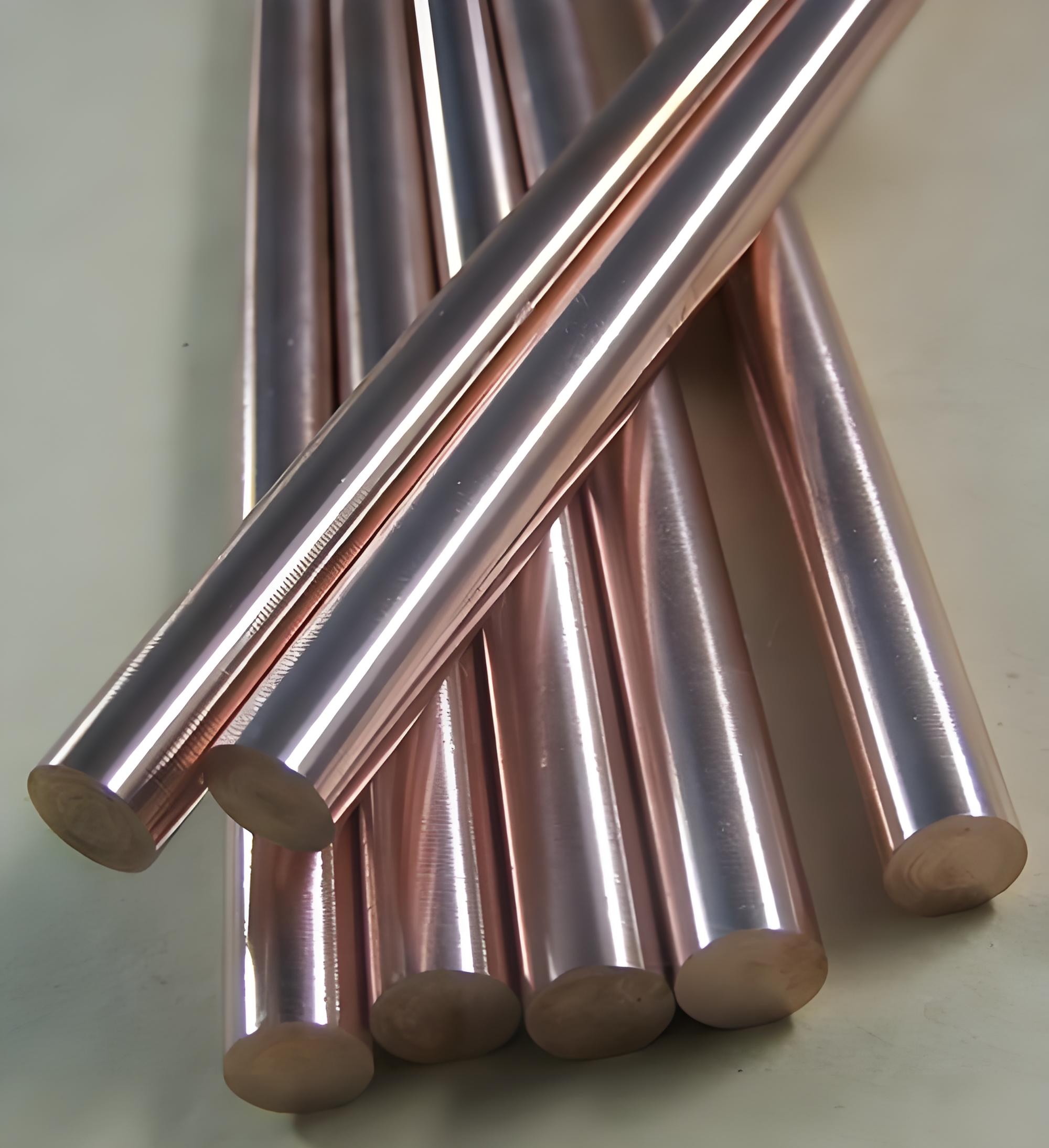
Inconel 602CA alloy bar price per kg is usually higher than common Inconel 600 and Inconel 601 bars because Alloy 602CA is a premium high-temperature ...
 English English
  Korean
 Arabic
 Spanish
 German
 Portuguese
 French
 Russian
 Italian
 Vietnamese