
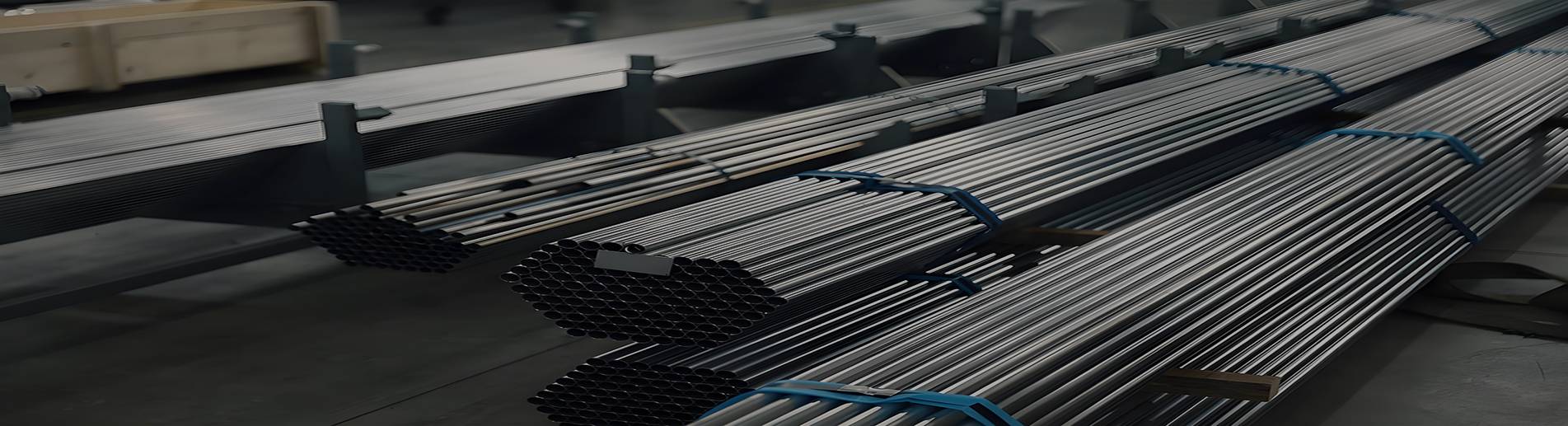
Inconel 617 alloy round bar price per kilogram
Inconel 617 alloy round bar price per kilogram is commonly about USD 45 to 90 per kg for standard industrial stock sizes. Large forged bars, small pre...
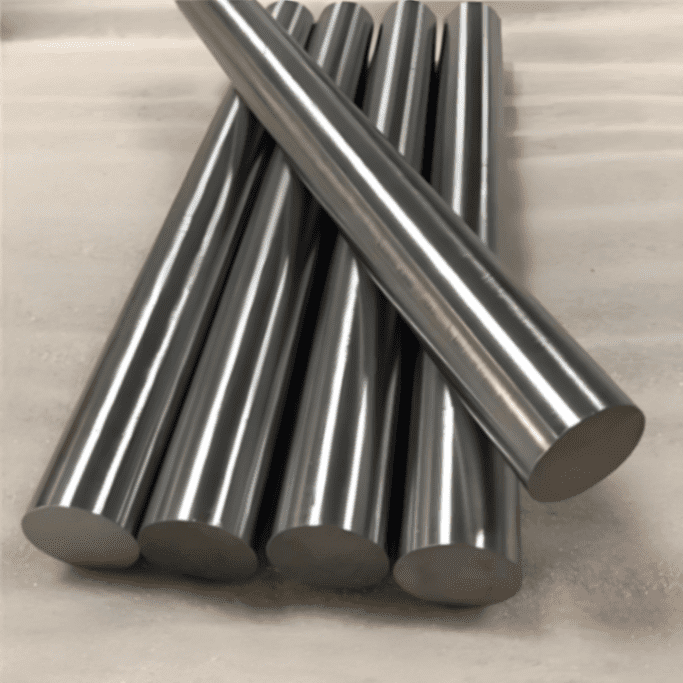
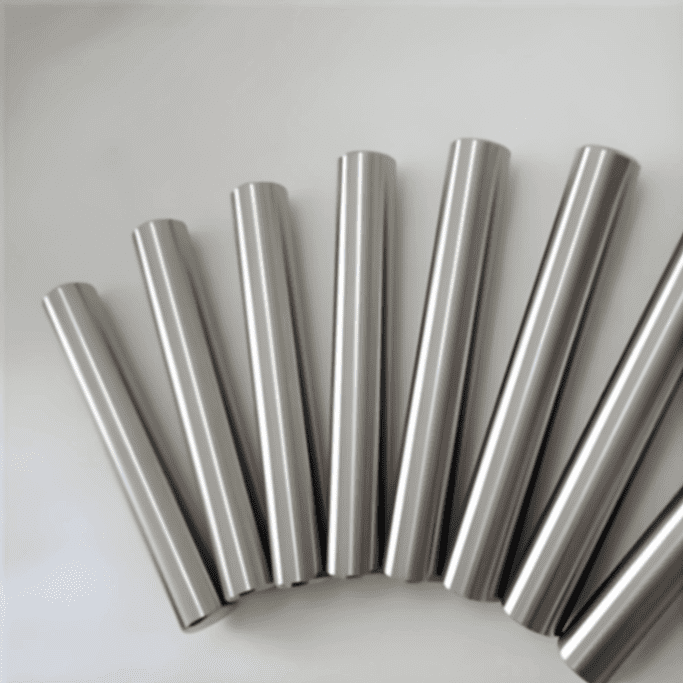
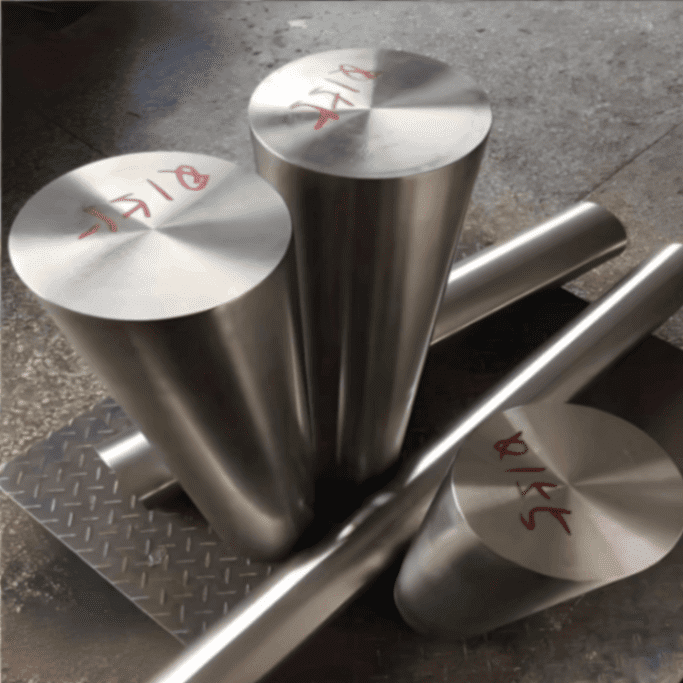
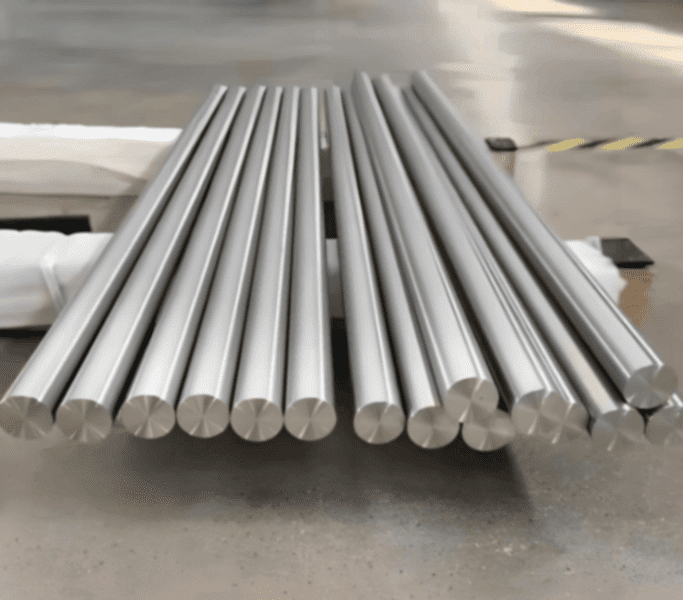
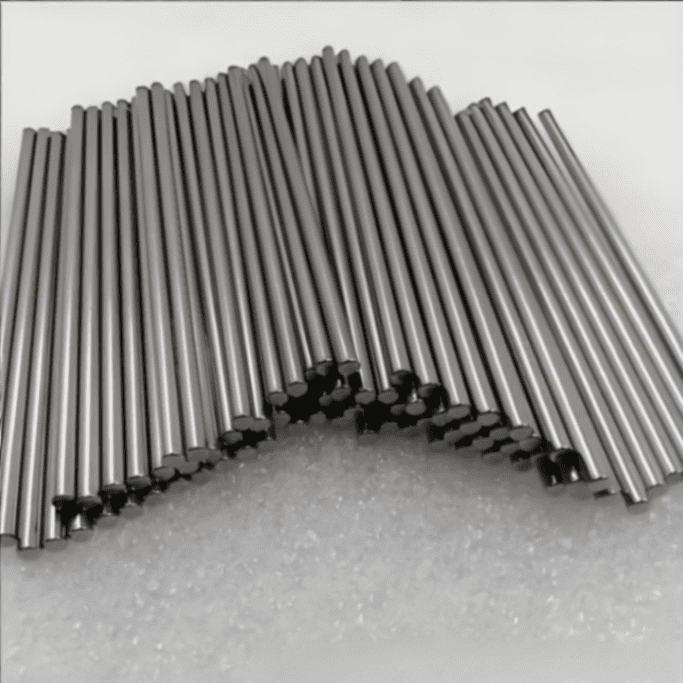
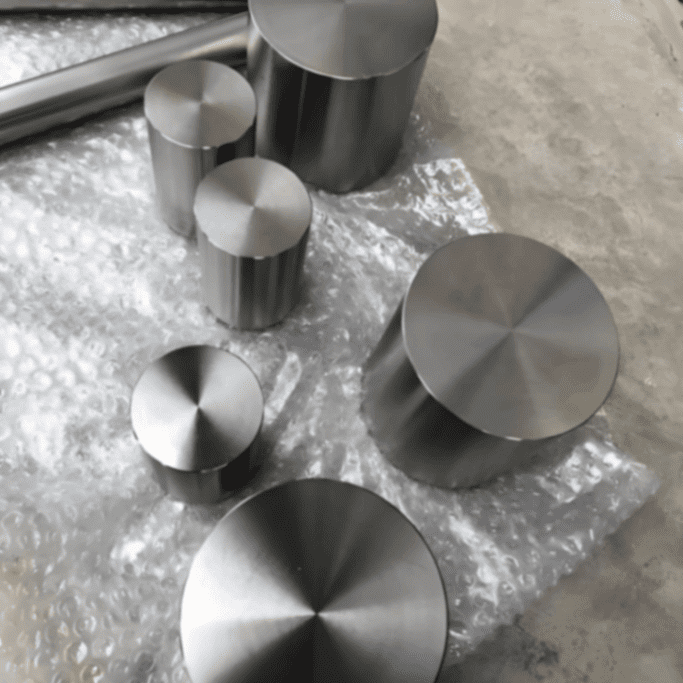
Nimonic 80A round bars are among the most frequently purchased materials in nickel-based superalloys, especially for applications requiring high-temperature strength, oxidation resistance, and long-term service stability. From our factory’s experience handling such orders, customers usually focus on three key aspects: how the price is formed, what sizes are available, and how different technical conditions affect cost and lead time. Below, based on our actual production and order-handling logic, we explain the pricing, specifications, standards, and sampling process of Nimonic 80A round bars.
Nimonic 80A is a nickel-based superalloy strengthened by alloying elements such as chromium, titanium, and aluminum. Its key feature is not just “heat resistance,” but the ability to maintain strength and creep resistance at elevated temperatures. For high-temperature fasteners, hot-end connectors, and engine components, it is not enough for a material to have high room-temperature strength—the critical requirement is stability under high-temperature service conditions without rapid softening or oxidation scaling. Nimonic 80A is widely used for exactly these needs.
From a material property perspective, Nimonic 80A has several core advantages. First, it offers excellent high-temperature strength. After proper solution and aging treatment, it achieves stable precipitation strengthening, maintaining good load-bearing capacity at medium to high temperatures. Second, it has good oxidation resistance, thanks to chromium, which enables strong resistance in hot air environments. Third, it has relatively mature microstructural stability, making it a long-standing choice in aerospace and industrial hot-end components. Fourth, it can achieve high mechanical properties after processing, though this also means higher processing difficulty, requiring strict control in forging, heat treatment, and machining.
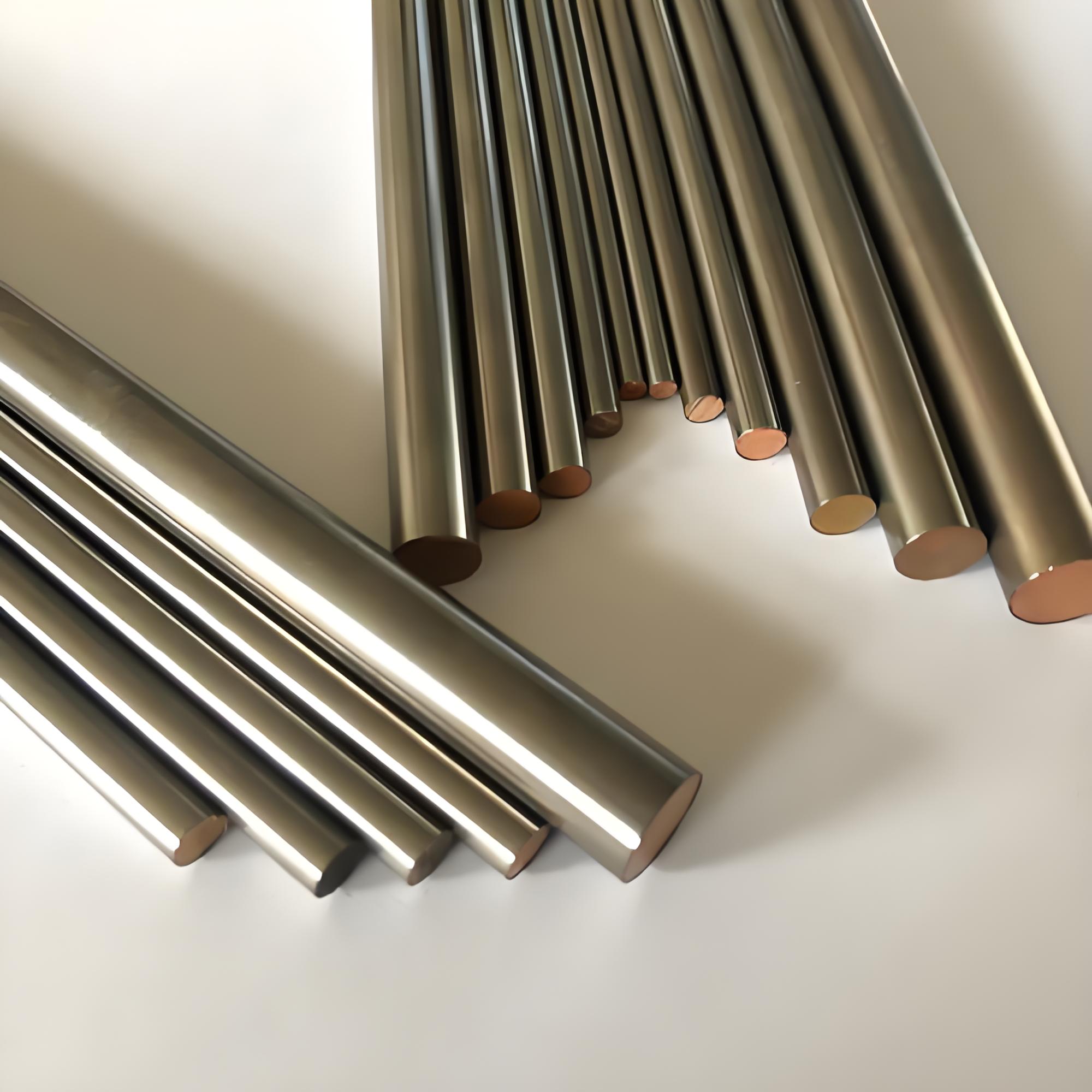
In terms of applications, Nimonic 80A round bars are most commonly used in aerospace engine components, such as high-temperature fasteners, connectors, ring blanks, small shafts, and heat-resistant supports. They are also widely used in gas turbines, heat treatment equipment, exhaust systems, and industrial parts requiring thermal fatigue resistance and oxidation resistance. In our factory, common products include bar stock for bolts, nuts, guide pins, bushings, and high-temperature spring blanks.
It should be noted that Nimonic 80A is not suitable for all high-temperature scenarios. Its applicable temperature range, strength performance, and machinability must be evaluated based on part design. For applications requiring extreme high-temperature creep resistance, other alloys may be more suitable. However, for around 700°C or below with good strength and oxidation resistance requirements, it remains a reliable and widely used option.
When customers inquire about pricing, they often overlook an important point: price differences for the same Nimonic 80A round bar are not simply due to profit margins. Factors such as raw material source, melting route, heat treatment condition, dimensional tolerance, surface requirements, and inspection scope all affect pricing.
Factory pricing is typically structured as: raw material cost + melting/forging cost + heat treatment cost + machining cost + inspection & packaging cost + reasonable profit. For nickel alloys, raw materials account for a large portion of the cost. Fluctuations in nickel, chromium, titanium, and aluminum prices directly impact the final price.
For factory-type suppliers, standard sizes and conditions usually allow for more transparent pricing compared to traders. Factories understand billet costs, rework risks, machining loss, and can break down pricing clearly. Traders without inventory often rely on upstream sourcing, adding layers of cost.
However, factory direct supply is not always the lowest price. Some traders may offer lower prices due to old inventory purchased at lower costs. But for bulk orders with consistent specifications and repeat demand, factories usually have an advantage due to optimized production planning and reduced losses.
Bulk purchasing significantly affects pricing. In nickel alloys, the unit price difference between small and large quantities can be substantial. Small quantities often require cutting from stock with higher loss, while large orders allow near full-batch production, reducing costs.
Typical market reference prices for Nimonic 80A round bars are roughly $30–$60 per kg (converted from RMB 220–420/kg, approx. exchange rate 7.3). Black (hot-rolled/forged), bright turned, and ground bars increase in price respectively. Special small precision bars, third-party inspection, or urgent orders may cost more. Actual prices depend on size, condition, quantity, and nickel market trends.
The available size range depends on the production route. Hot rolling and forging suit medium to large diameters, while turning and grinding are used for higher precision requirements. Our typical supply range is approximately Φ6mm–Φ300mm, which is also common in the industry.
Small diameters (Φ6mm–Φ25mm) are often used for fasteners, studs, pins, and small shafts, with higher requirements for surface quality and tolerance. Medium sizes (Φ25mm–Φ80mm) are the most widely used for various components. Large sizes (Φ80mm–Φ300mm) are typically used as machining blanks or forging alternatives.
Length options include fixed length and random length. Random lengths are more flexible and cost-effective, while fixed lengths (e.g., 1000mm, 2000mm, 3000mm) increase cutting and material management costs. Large forged bars may have length limitations due to forging ratios and furnace size.
Tolerance levels vary from rough (black bars) to precision (turned or ground bars). Black bars allow machining allowance, while bright bars offer better dimensional stability. Ground or polished bars provide the highest precision but at significantly higher cost.
Technical specifications are more important than the alloy name itself. Customers may require different conditions: forged black bars, solution + aged condition, aerospace-grade control, or basic chemical and mechanical requirements.
Chemical composition typically includes high nickel content with chromium, titanium, and aluminum for strengthening. A reference range is shown below:
| Element | Typical Range (%) | Description |
|---|---|---|
| Ni | Balance (~69.0–76.0) | Matrix element for high-temperature stability |
| Cr / Ti / Al | Cr 18.0–21.0; Ti 1.8–2.7; Al 1.0–1.8 | Oxidation resistance & precipitation strengthening |
Mechanical properties vary significantly by condition. Aged condition offers higher strength:
| Condition | Tensile Strength | Yield Strength / Elongation |
|---|---|---|
| Solution + Aging | ~950–1250 MPa | Yield: ~600–900 MPa; El ≥10% |
| Solution Only / As-processed | Lower than aged | Better for machining/forming |
The primary cost factor is nickel price fluctuation. As a high-nickel alloy, its price is highly sensitive to market changes. Other factors include machining difficulty, dimensional tolerance, surface condition, inspection requirements, and delivery urgency.
Machining is challenging due to high strength, work hardening, and low thermal conductivity. Precision grinding and tight tolerances significantly increase costs.
Additional inspections such as PMI, ultrasonic testing, grain size analysis, and third-party certification also increase cost and lead time.
To obtain an accurate quote, customers should provide: diameter, length, quantity, surface condition, heat treatment, standards, inspection requirements, and packaging needs.
The typical process is: inquiry → technical confirmation → quotation → order → production → heat treatment → inspection → packaging → delivery.
Samples are usually available for standard sizes, but custom specifications may not be eligible due to cost. Sample requirements should match the intended testing purpose (chemical, machining, welding, or mechanical testing).
What is the price per kg of Nimonic 80A round bar?
Typical market reference: $30–$60 per kg. Actual pricing depends on size, quantity, condition, and inspection requirements.
Is stock available?
Standard sizes are often available in stock or semi-finished form. Non-standard sizes usually require custom production.
What is the delivery time?
Stock orders: a few days to one week. Custom production: typically 2–6 weeks, depending on specifications and testing requirements.
More from this category
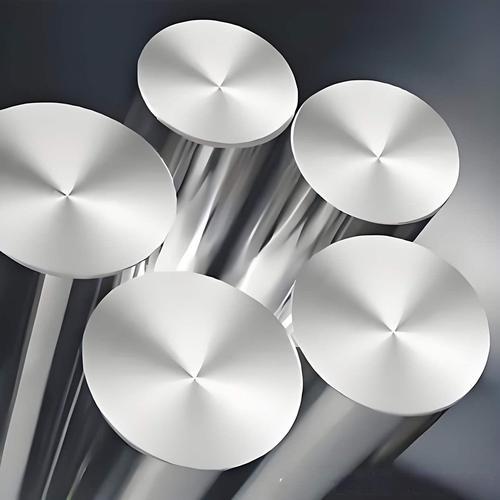
Inconel 617 alloy round bar price per kilogram is commonly about USD 45 to 90 per kg for standard industrial stock sizes. Large forged bars, small pre...
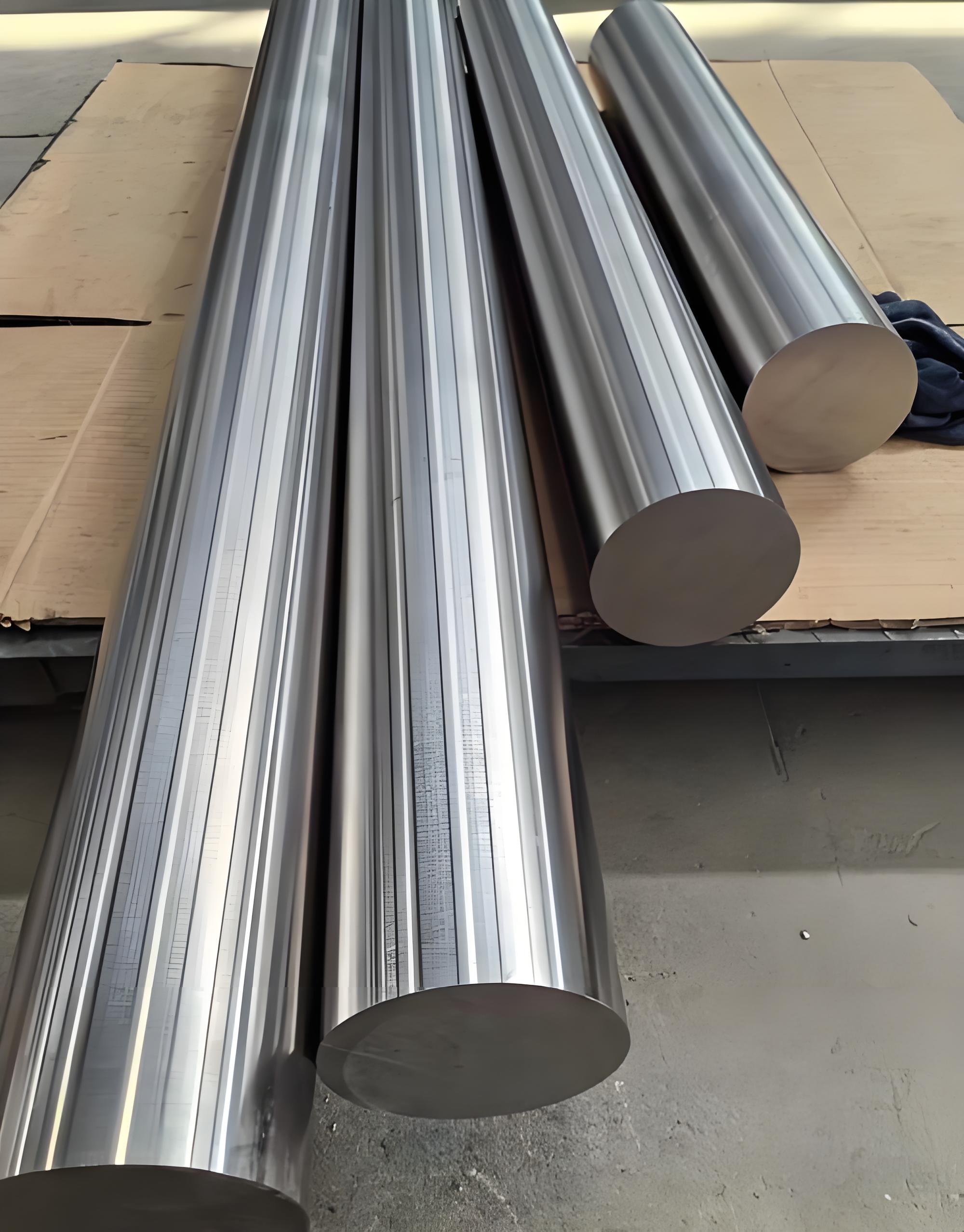
The latest Inconel 625 alloy bar price per kg depends on nickel, molybdenum, niobium, and chromium raw material costs, as well as bar diameter, manufa...
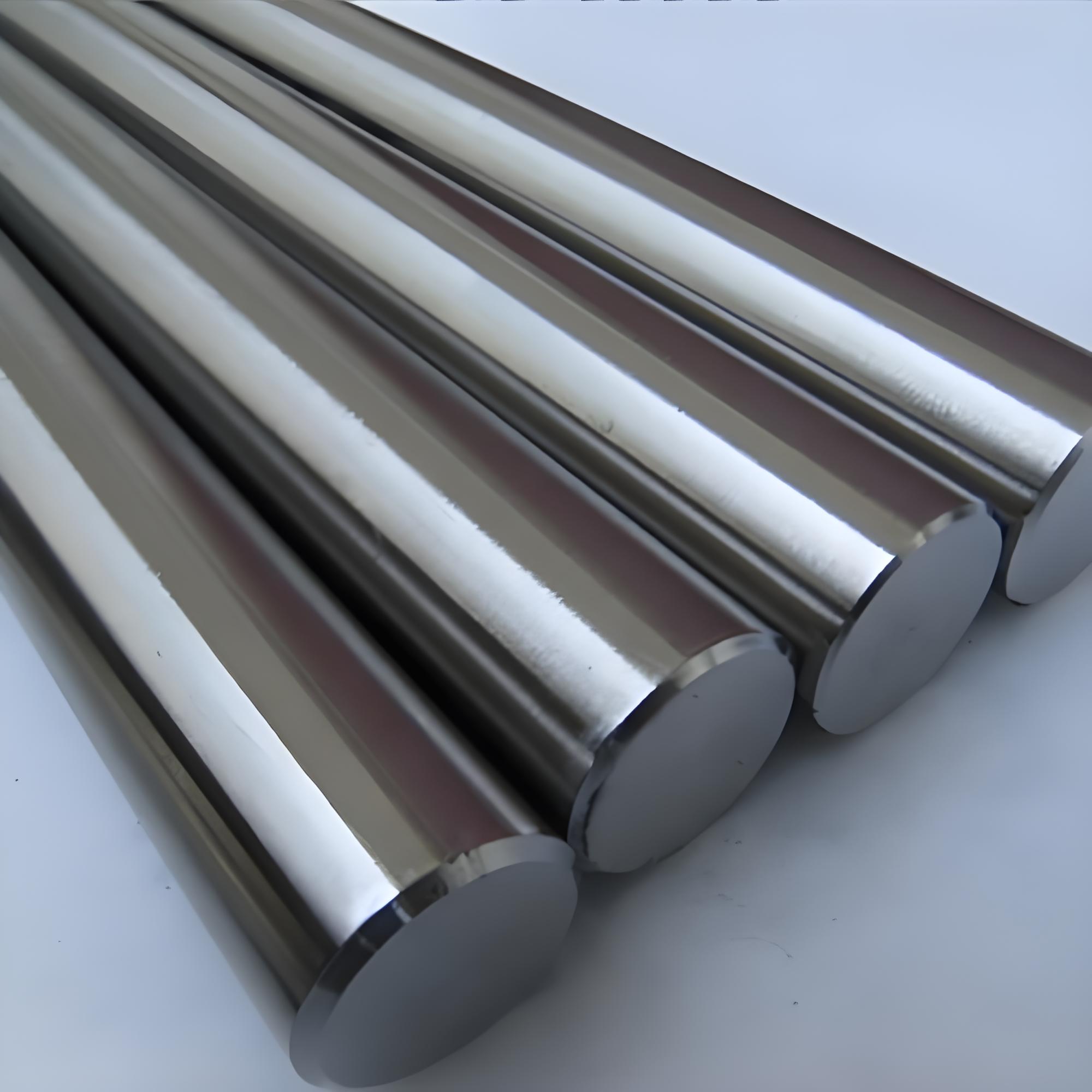
Inconel X-750 alloy bar price depends on nickel raw material cost, bar diameter, product condition, heat treatment, specification, surface finish, dim...
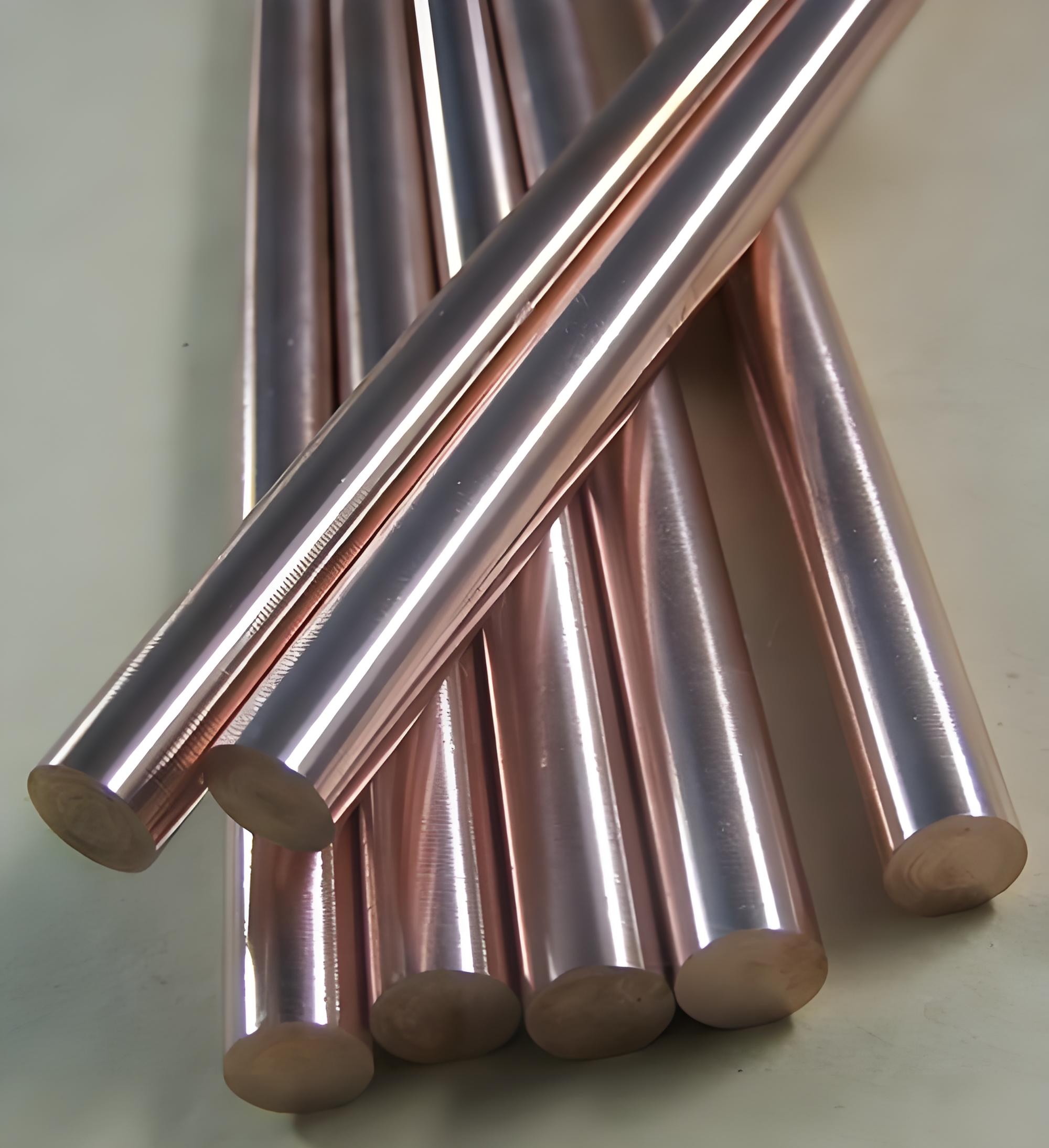
Inconel 602CA alloy bar price per kg is usually higher than common Inconel 600 and Inconel 601 bars because Alloy 602CA is a premium high-temperature ...
 English English
  Korean
 Arabic
 Spanish
 German
 Portuguese
 French
 Russian
 Italian
 Vietnamese