
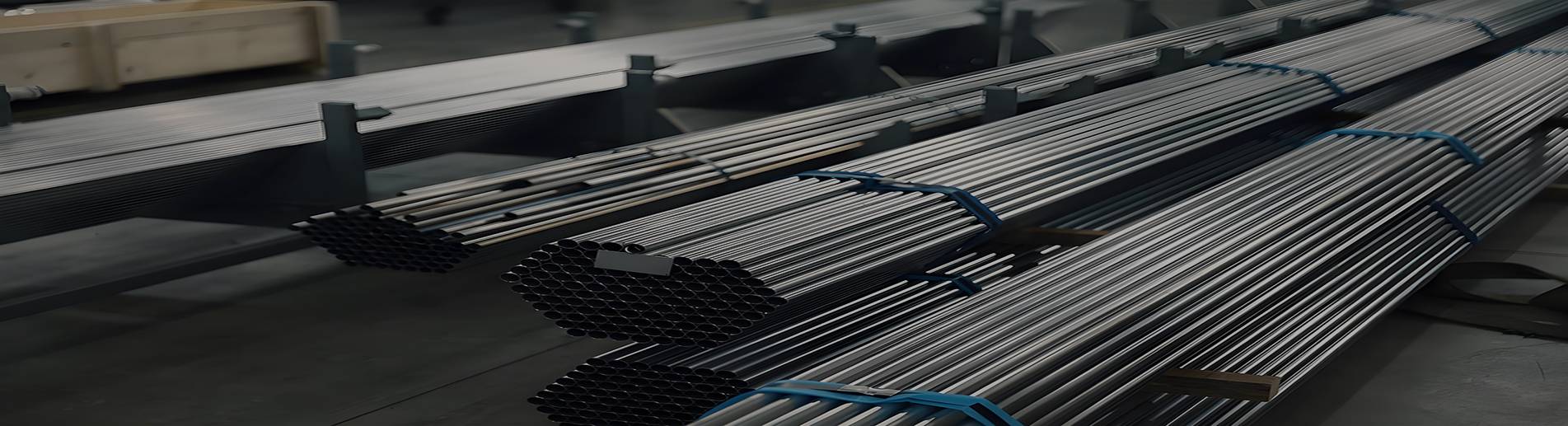
Inconel 617 alloy round bar price per kilogram
Inconel 617 alloy round bar price per kilogram is commonly about USD 45 to 90 per kg for standard industrial stock sizes. Large forged bars, small pre...
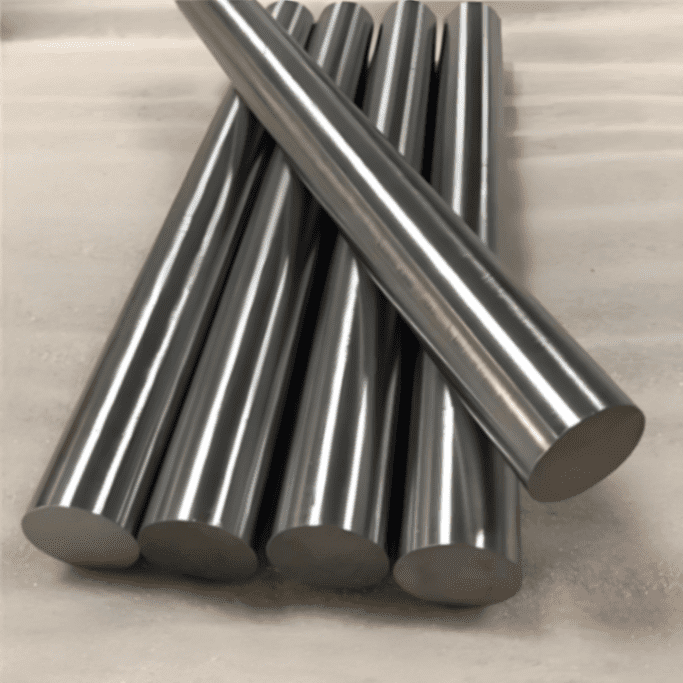
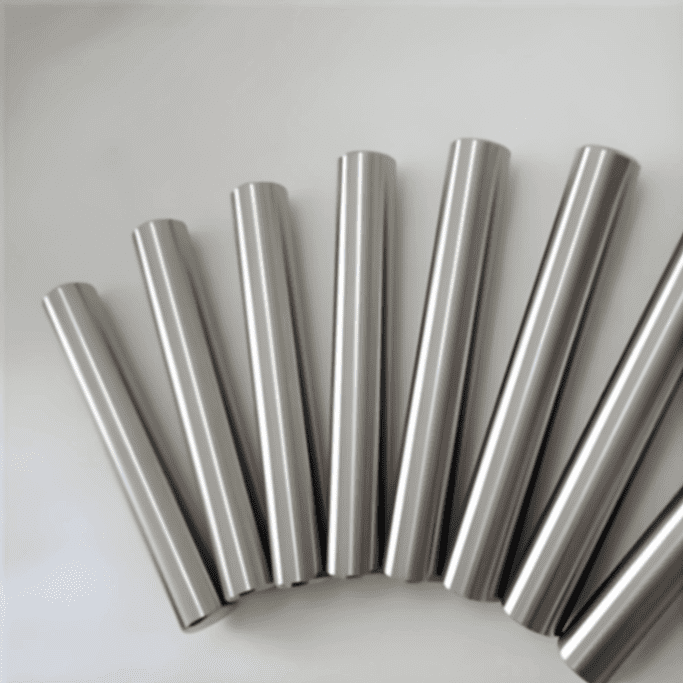
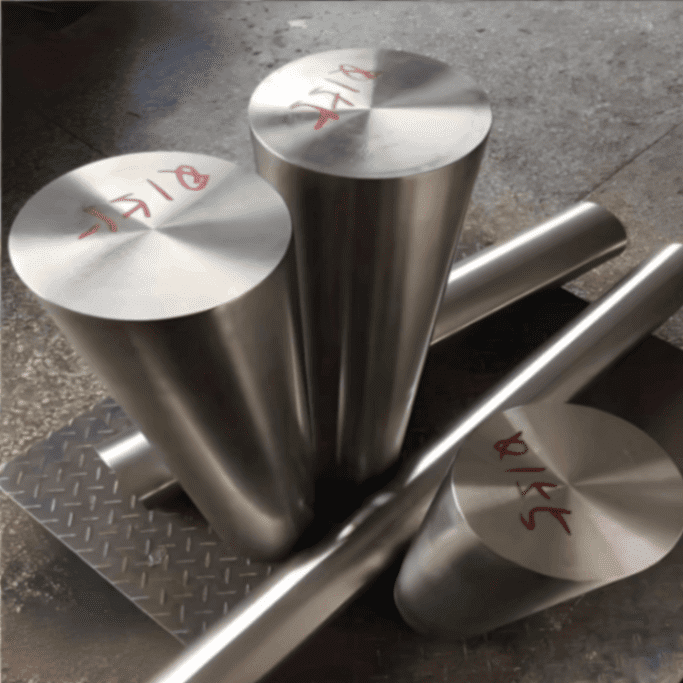
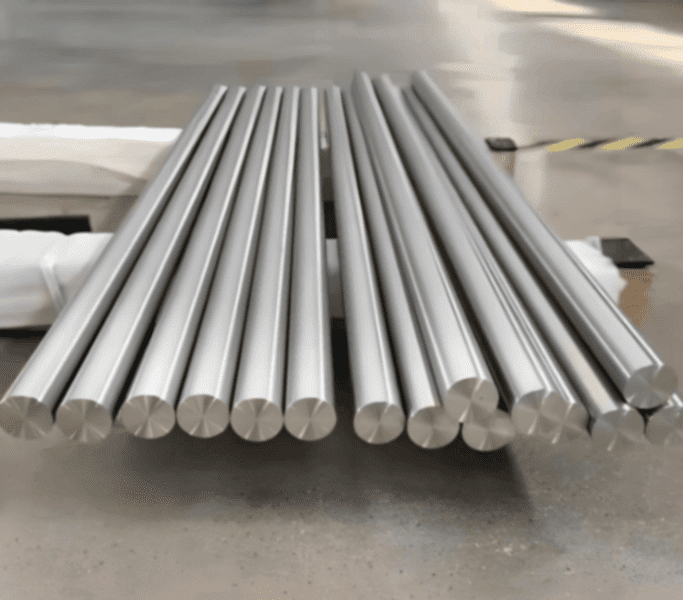
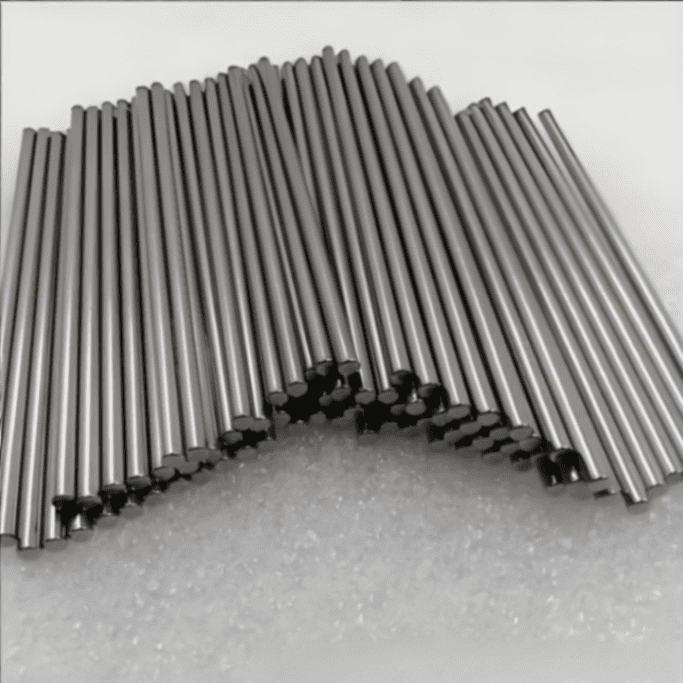
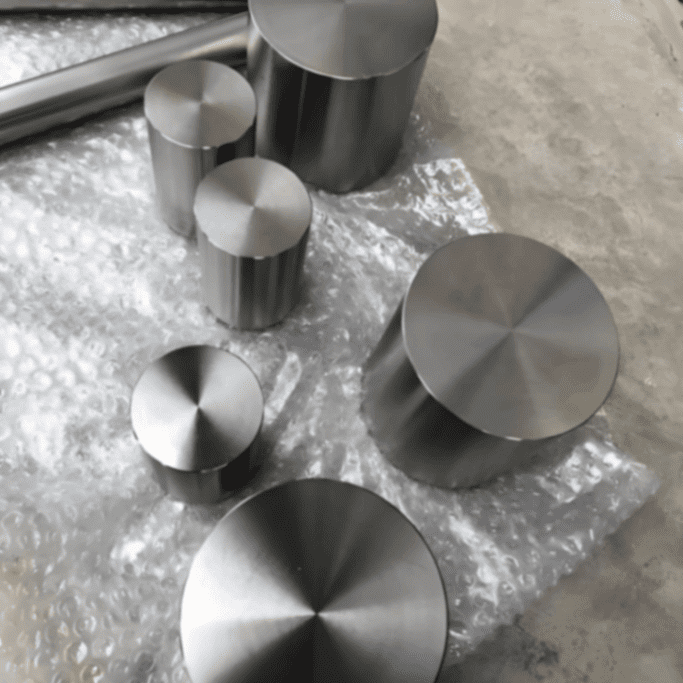
In our factory’s daily inquiry handling, Nimonic 80A Bar and Inconel 718 are two nickel-based superalloys that customers frequently compare side by side. Both are suitable for high-temperature and high-load applications, but when it comes to actual material selection, machining, lead time, and total cost, the differences become quite significant. Below, we explain these differences based on the most common issues encountered in real procurement and manufacturing scenarios.
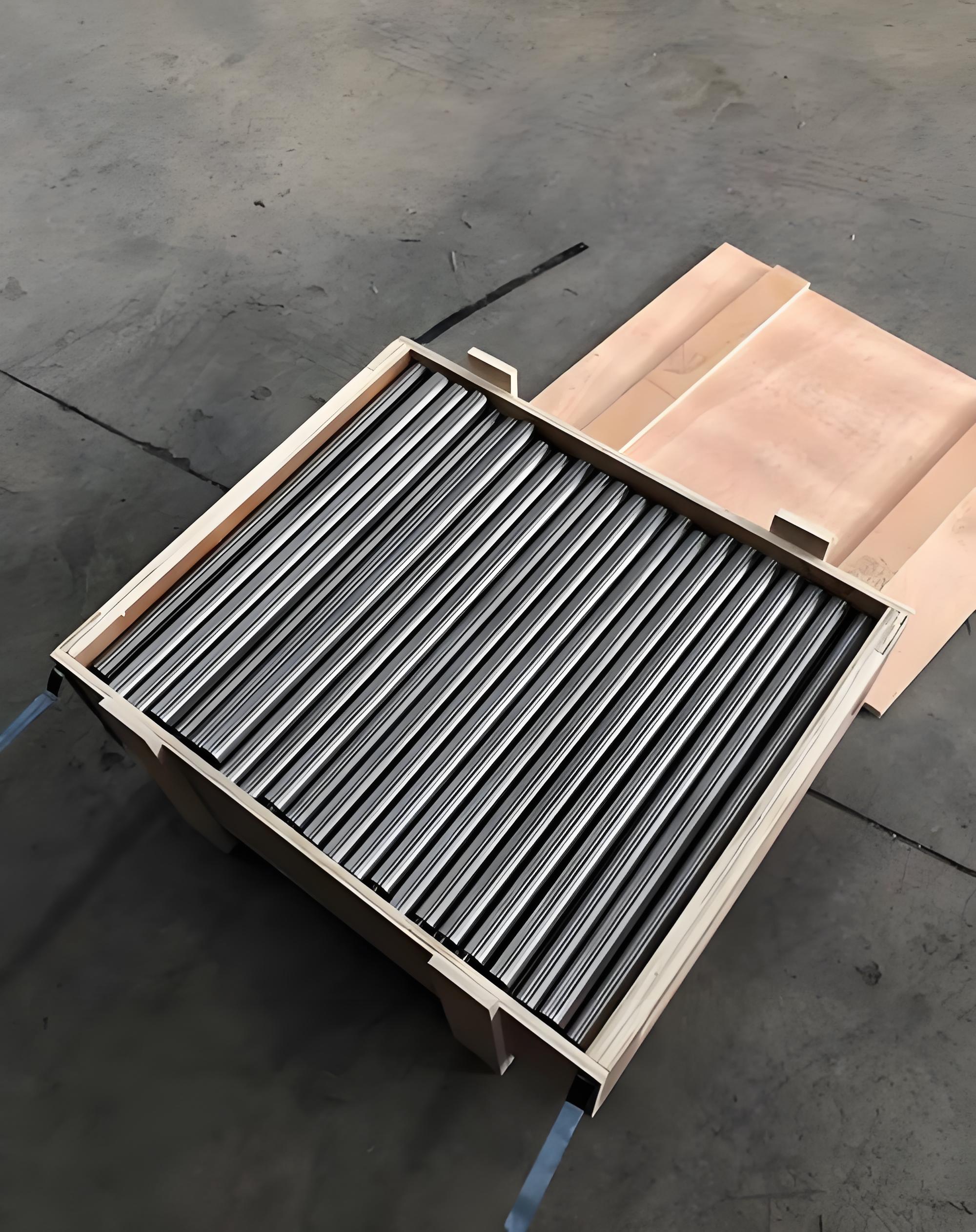
Nimonic 80A Bar is essentially a nickel-chromium-based superalloy strengthened by titanium and aluminum precipitation. It has long been used in hot-section components of aircraft engines and gas turbines. When supplied in bar form, customers typically focus on its high-temperature strength, oxidation resistance, and long-term stability around 700°C. Based on our factory’s shipment experience, 80A is more commonly used in applications requiring clear creep resistance and long-term high-temperature performance.
Inconel 718 follows a different technical route. It is also a nickel-based superalloy, but its strengthening mechanism mainly relies on the γ” phase formed by niobium, supplemented by γ’ strengthening. This gives it outstanding overall strength from room temperature to intermediate-high temperatures. The key practical advantage of 718 is its balance between strength, weldability, machinability, and industrial availability, making it widely used in aerospace, energy, and oil & gas industries.
Simply put: Nimonic 80A is more focused on long-term high-temperature service, while Inconel 718 is more oriented toward high-strength, all-around structural performance. Both are excellent, but their strengths lie in different areas.
Although both belong to the nickel-based system, their alloying strategies differ significantly. 80A primarily consists of Ni, Cr, Ti, Al, and often Co, while 718 relies more on Ni, Cr, Fe, Nb, and Mo, with Nb being a key strengthening element.
| Grade | Main Alloying Elements | Strengthening Mechanism |
| Nimonic 80A | Ni-Cr-Co-Ti-Al | Mainly γ’ precipitation strengthening |
| Inconel 718 | Ni-Cr-Fe-Nb-Mo-Ti-Al | γ” + γ’ precipitation strengthening |
In 80A, Ti and Al are critical for high-temperature precipitation strengthening, helping maintain microstructural stability at elevated temperatures. The addition of Co further enhances high-temperature strength but also increases material cost.
In Inconel 718, Nb plays a dominant role by promoting the formation of the γ” phase, significantly improving yield and tensile strength after aging. Mo contributes to solid-solution strengthening and enhances mechanical performance over a range of temperatures. In practice, 718 is designed for “maximum strength + industrial controllability.”
At room temperature, Inconel 718 generally exhibits significantly higher strength than Nimonic 80A. This is critical for applications such as fasteners, load-bearing connectors, flanges, or high-strength shafts. In our bar supply experience, once high yield strength becomes a requirement, customers usually lean toward 718.
| Grade | Yield Strength (Approx.) | Tensile Strength (Approx.) |
| Nimonic 80A | ~600–800 MPa | ~900–1100 MPa |
| Inconel 718 | >1000 MPa | ~1200–1400 MPa |
However, at elevated temperatures, room-temperature data alone is not sufficient. Above 650°C, 80A demonstrates superior strength retention and microstructural stability, especially in creep and stress rupture conditions. It is not a lower-grade substitute, but a material optimized for different performance priorities.
In terms of maximum service temperature, 80A generally has an advantage. It is commonly used around 700°C or higher for long-term applications, while 718 is typically applied below this range. Both are heat-resistant, but their long-term high-temperature stability differs.
From a manufacturing perspective, neither material is easy to machine. Nickel-based alloys are prone to work hardening, have low thermal conductivity, and cause rapid tool wear. In actual quotations, material cost is only one part—machining time, tool consumption, heat treatment, and scrap risks all contribute to total cost.
80A is mainly used in high-temperature applications such as turbine blades, hot-section components, and exhaust valves. In such cases, materials must maintain strength continuously at high temperatures.
718 has a much broader application range, including high-strength fasteners, turbine disks, aerospace structures, and oilfield tools, where strength, corrosion resistance, and manufacturability must all be balanced.
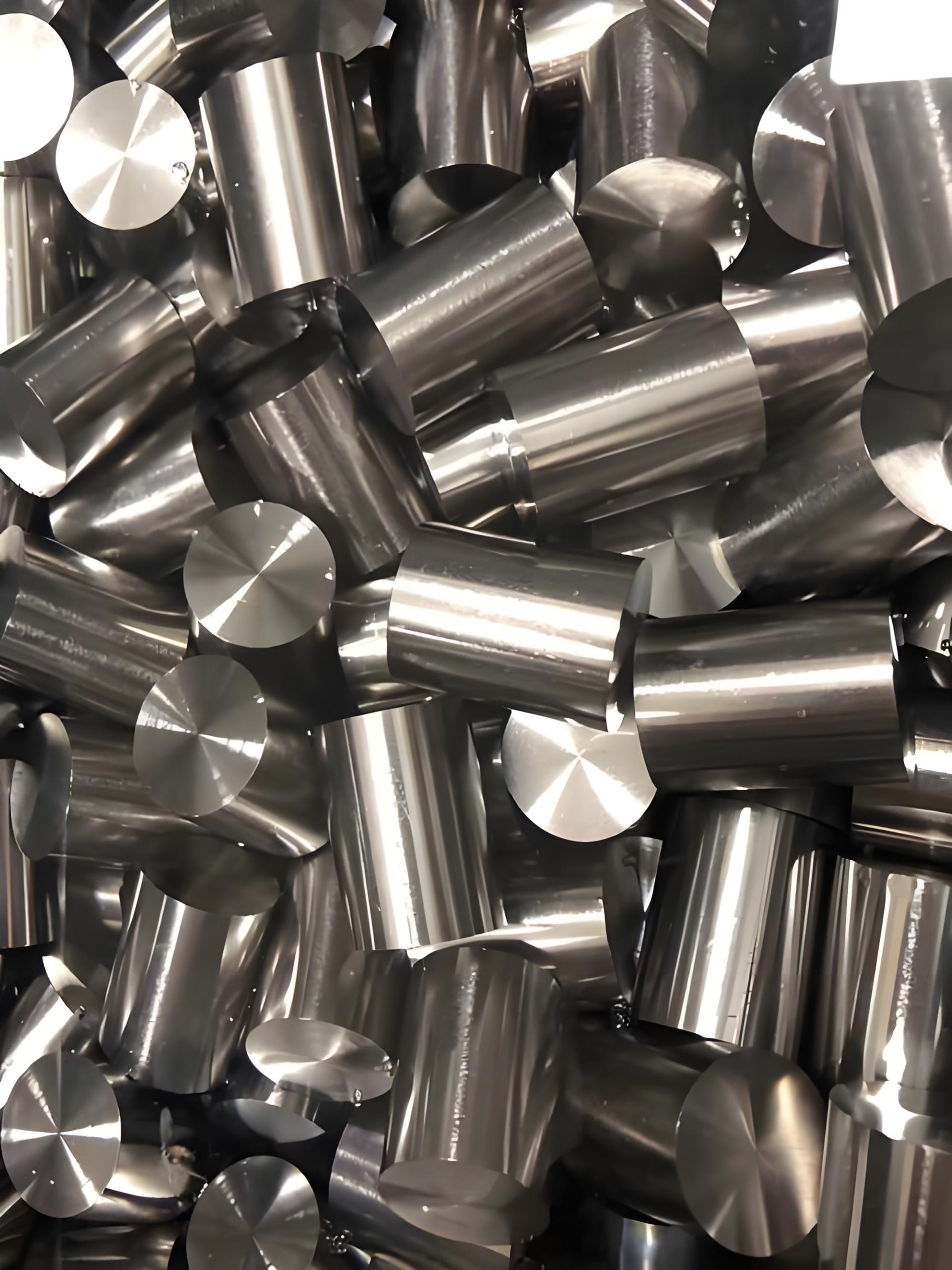
In terms of cost, both materials are relatively expensive, but their pricing logic differs. 80A cost is influenced by cobalt content, while 718 is affected by niobium, molybdenum, and market demand. Generally, 718 has better market availability and price transparency, while 80A may face supply constraints in certain specifications.
| Grade | Reference Price (Bar) | Supply Characteristics |
| Nimonic 80A | Approx. $39–$58/kg (for reference only) | Some sizes require production scheduling |
| Inconel 718 | Approx. $36–$52/kg (for reference only) | More widely available in the market |
From our factory’s experience, 718 is generally easier to source in standard sizes and specifications, while 80A relies more on specialized supply chains, especially for strict quality or performance requirements.
If the application involves long-term service above 650°C with strict requirements for creep resistance and thermal stability, Nimonic 80A is usually the better choice.
If the project requires high-strength structural components, welding, and scalable manufacturing, Inconel 718 is often the more practical option due to its balanced performance and industrial maturity.
| Comparison | Nimonic 80A | Inconel 718 |
| Main Advantage | High-temperature stability & creep resistance | High strength, fatigue resistance & manufacturability |
| Typical Use | Hot-section, long-term service | Structural and high-strength components |
Which is more expensive, Nimonic 80A Bar or Inconel 718?
It depends on specifications, order volume, heat treatment condition, and raw material market trends. Both materials have overlapping price ranges. 80A is influenced by cobalt, while 718 is affected by niobium, molybdenum, and demand. For standard sizes, 718 pricing is usually more transparent, while customized 80A orders may result in higher total procurement costs.
Why is Inconel 718 often in stock while Nimonic 80A requires lead time?
This is mainly due to market demand. 718 is widely used and commonly stocked, while 80A is more specialized, with less inventory coverage and more frequent need for production scheduling.
What technical requirements should be confirmed when purchasing bars?
At minimum: material grade, standard, size tolerance, delivery condition, heat treatment, ultrasonic testing, surface requirements, and whether high-temperature performance data is needed. For high-temperature applications, service temperature and design life must also be clearly defined to avoid mismatch between supplied material and actual service conditions.
More from this category
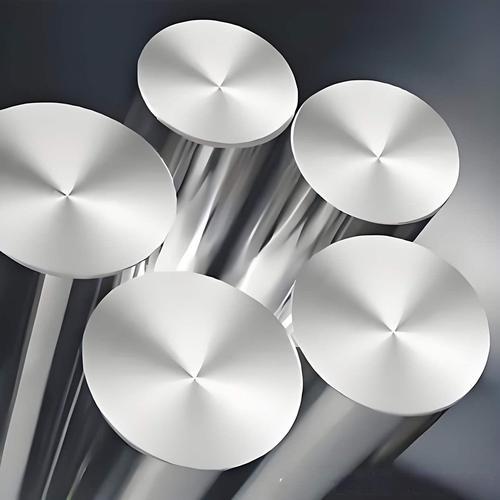
Inconel 617 alloy round bar price per kilogram is commonly about USD 45 to 90 per kg for standard industrial stock sizes. Large forged bars, small pre...
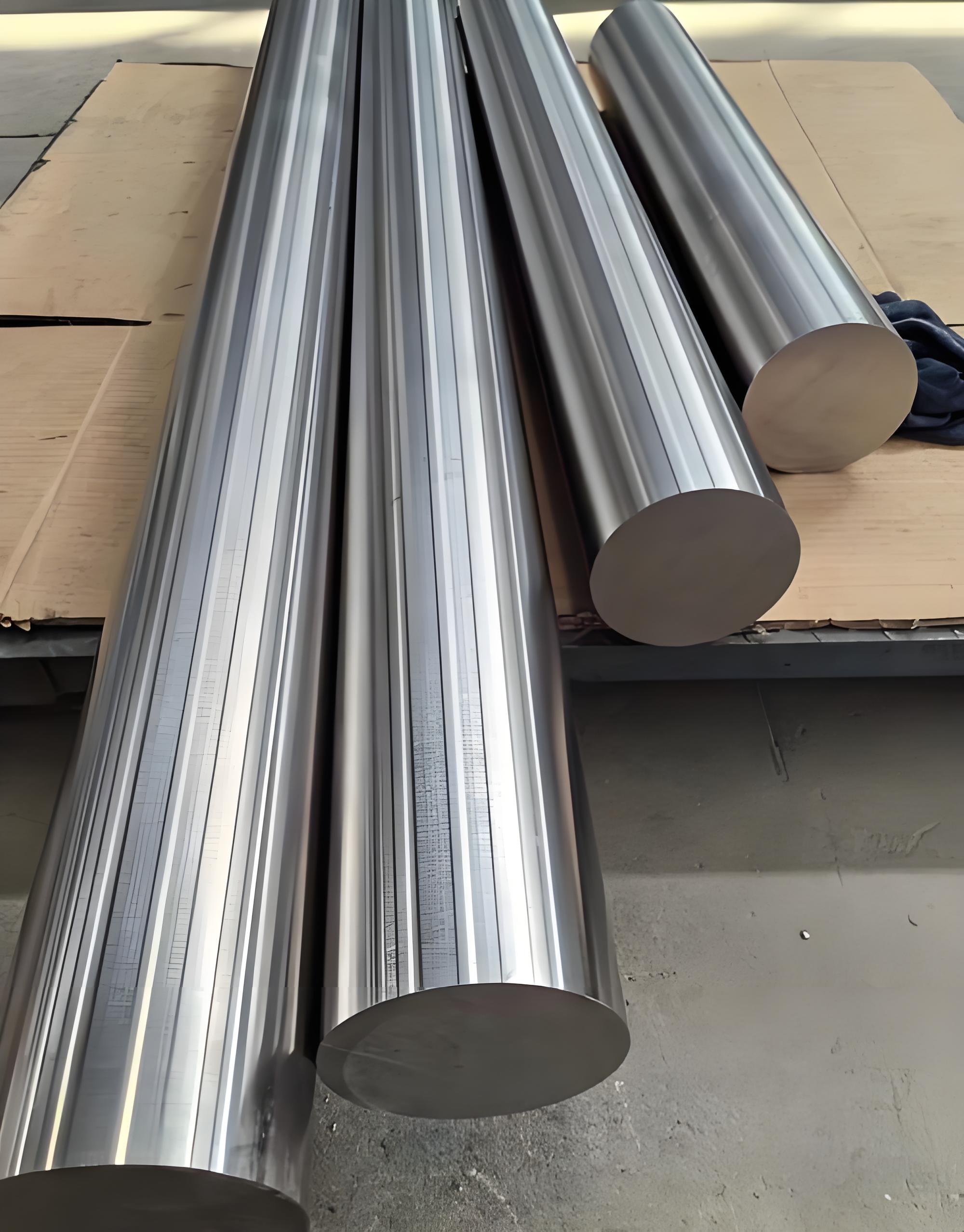
The latest Inconel 625 alloy bar price per kg depends on nickel, molybdenum, niobium, and chromium raw material costs, as well as bar diameter, manufa...
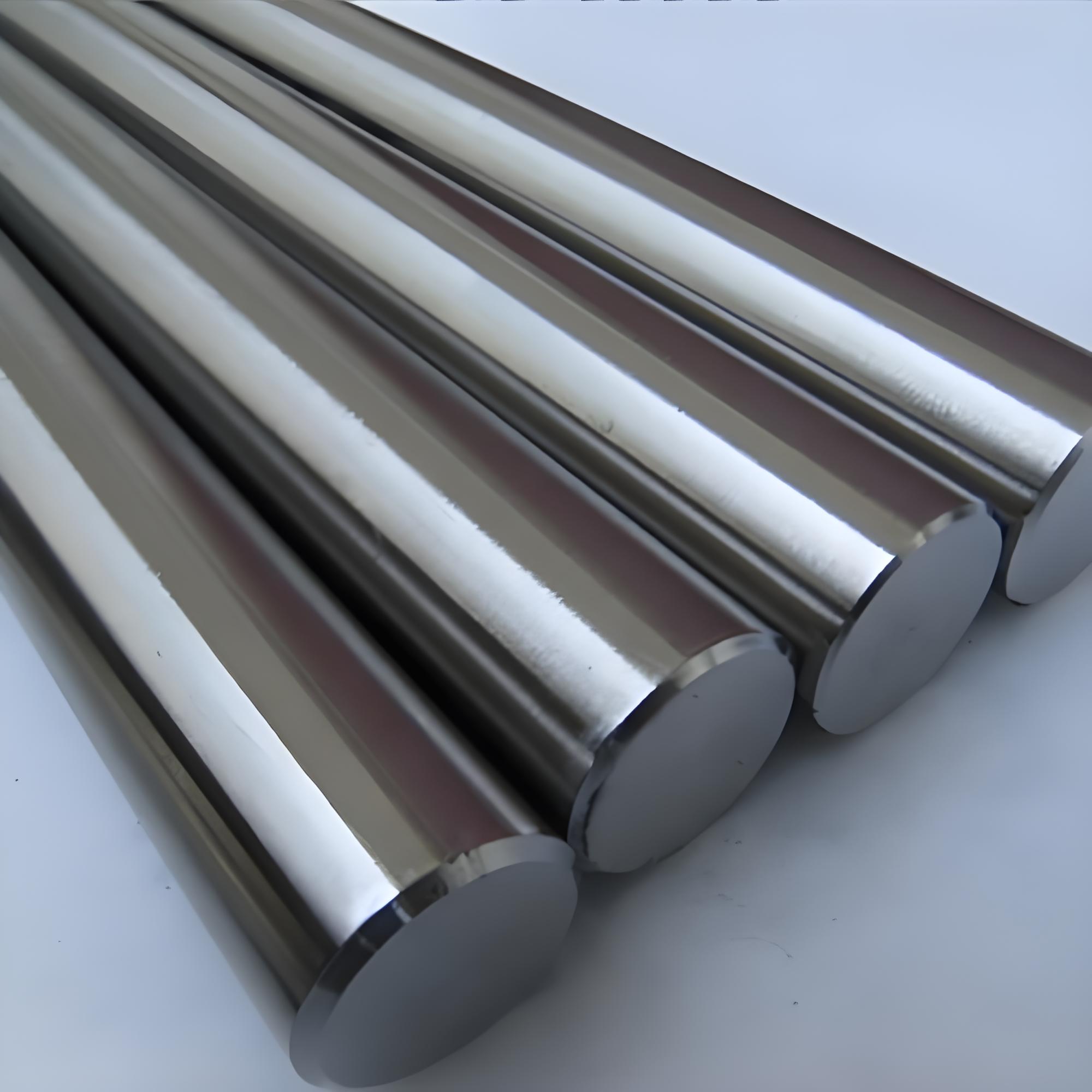
Inconel X-750 alloy bar price depends on nickel raw material cost, bar diameter, product condition, heat treatment, specification, surface finish, dim...
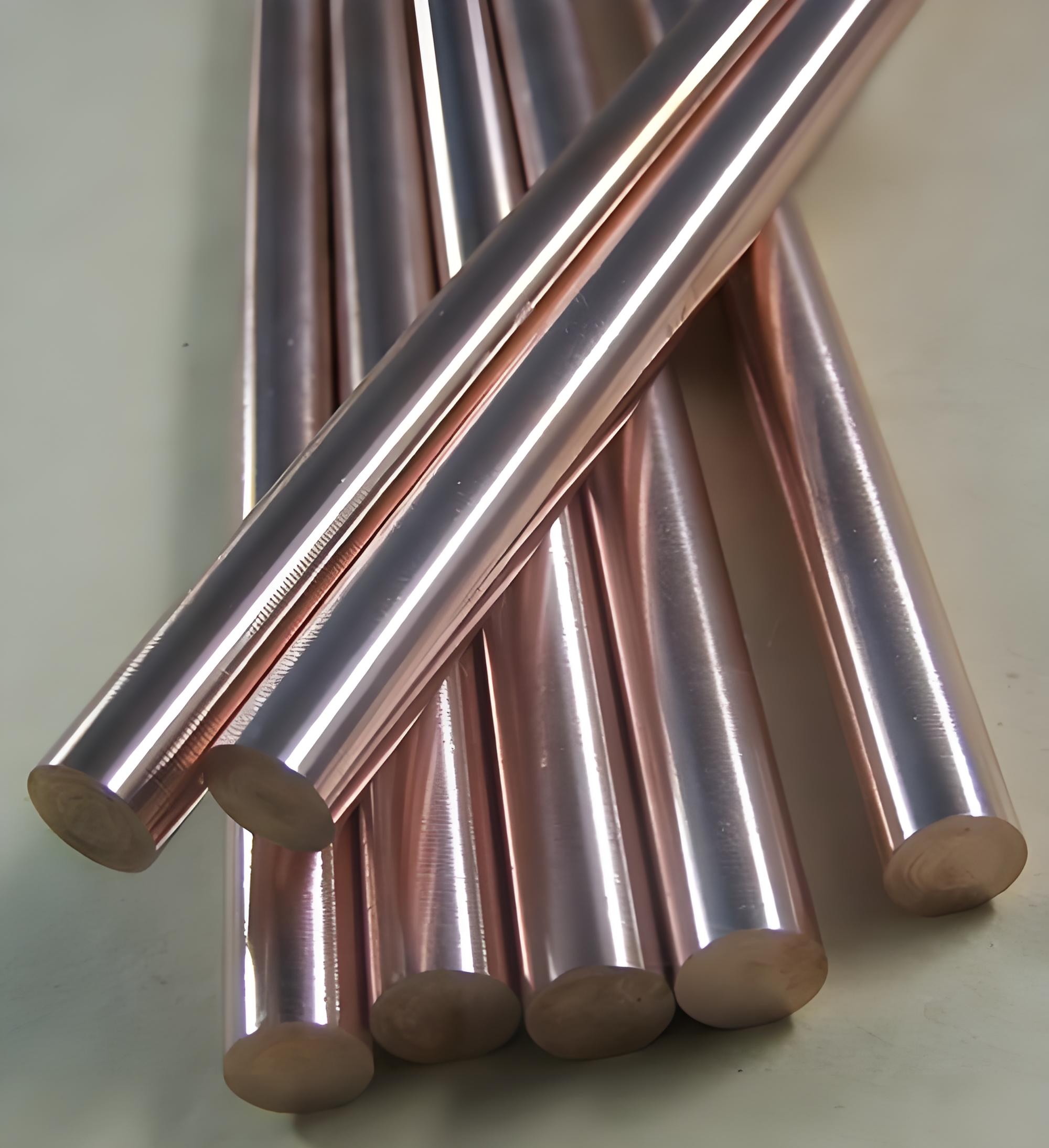
Inconel 602CA alloy bar price per kg is usually higher than common Inconel 600 and Inconel 601 bars because Alloy 602CA is a premium high-temperature ...
 English English
  Korean
 Arabic
 Spanish
 German
 Portuguese
 French
 Russian
 Italian
 Vietnamese