
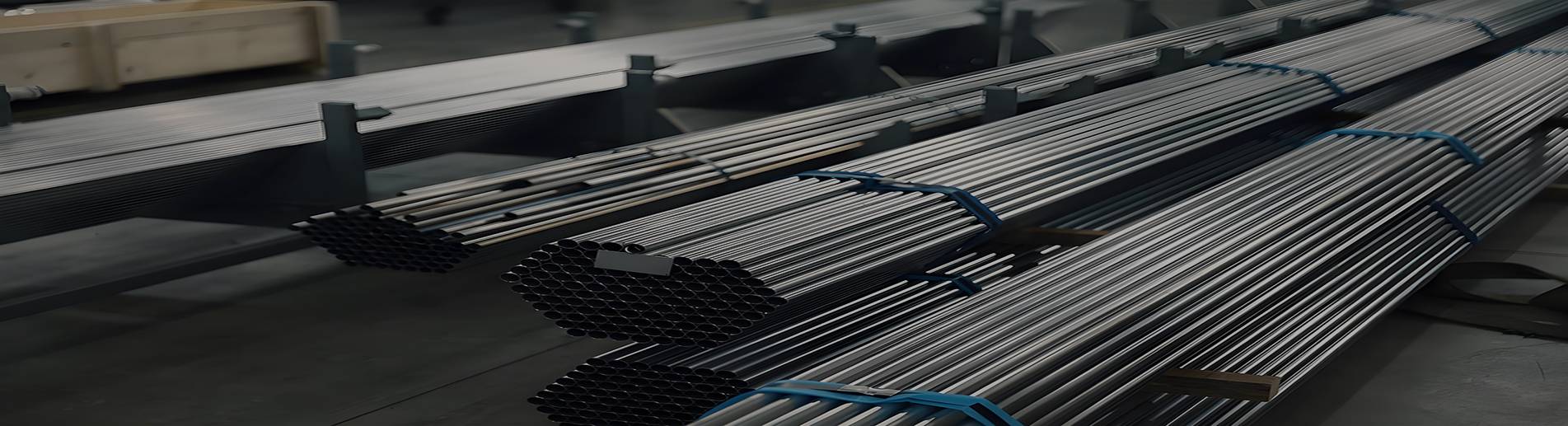
Inconel 617 alloy round bar price per kilogram
Inconel 617 alloy round bar price per kilogram is commonly about USD 45 to 90 per kg for standard industrial stock sizes. Large forged bars, small pre...
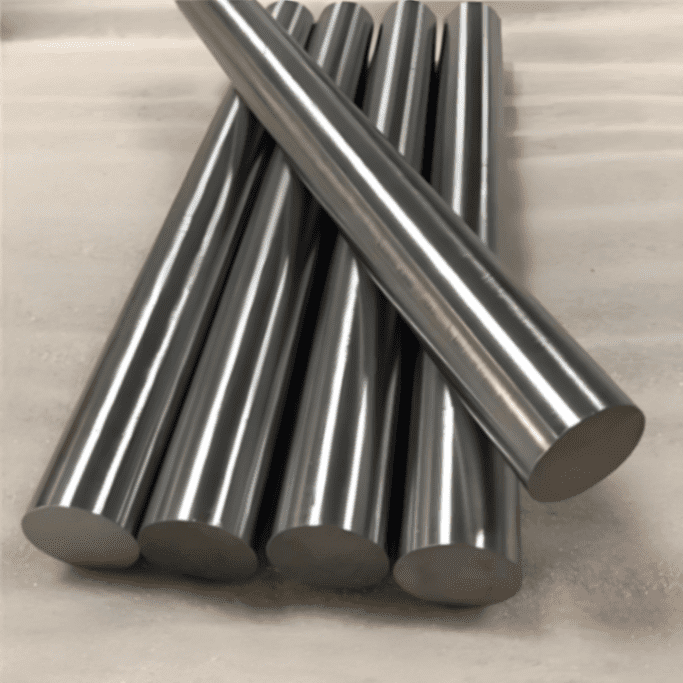
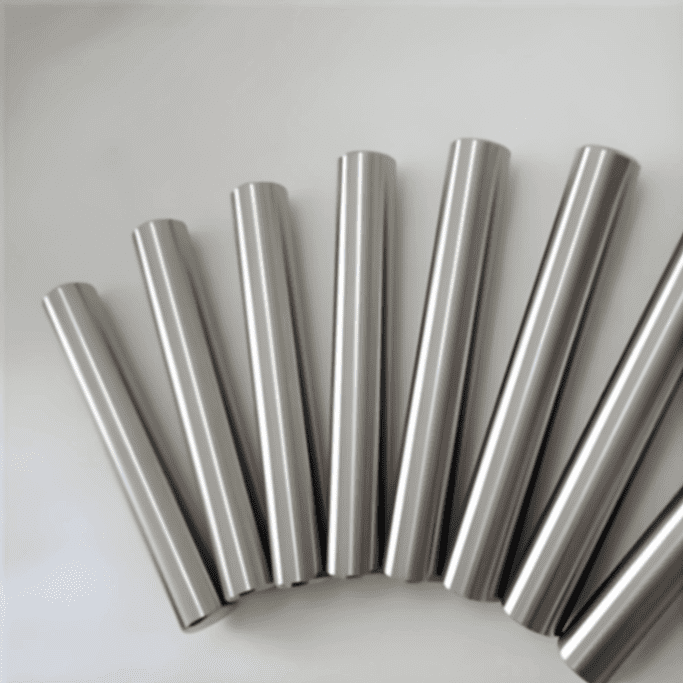
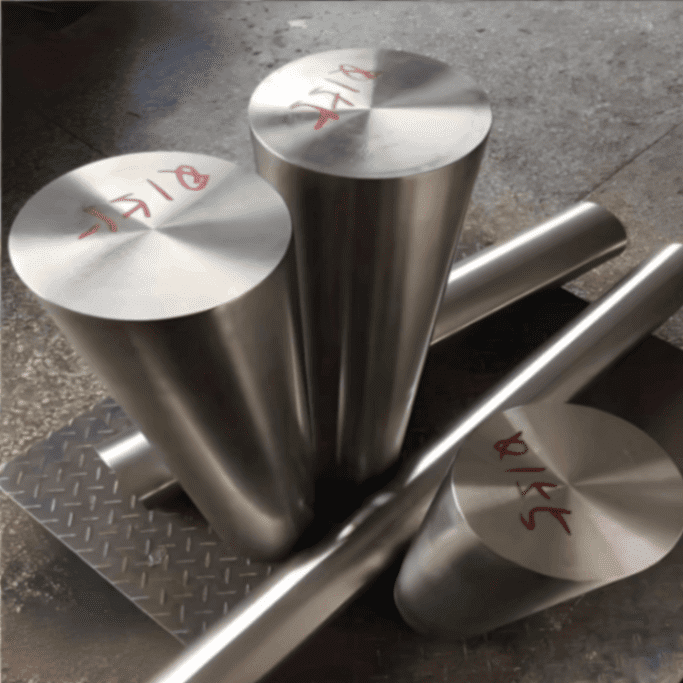
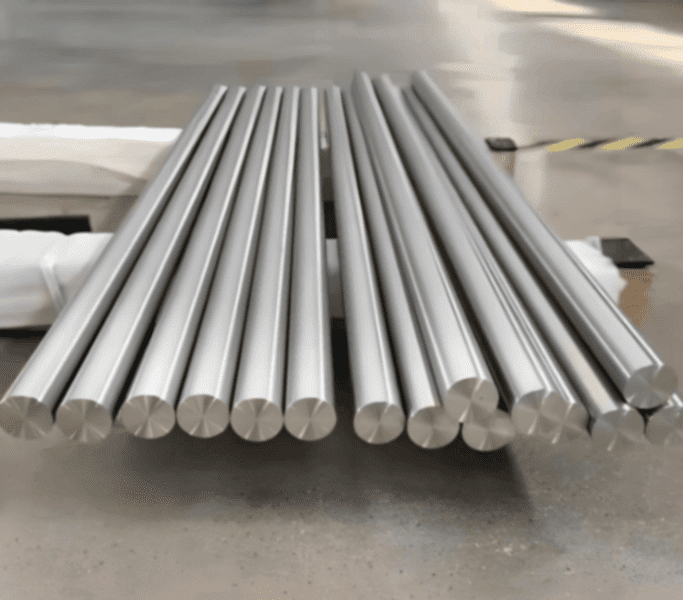
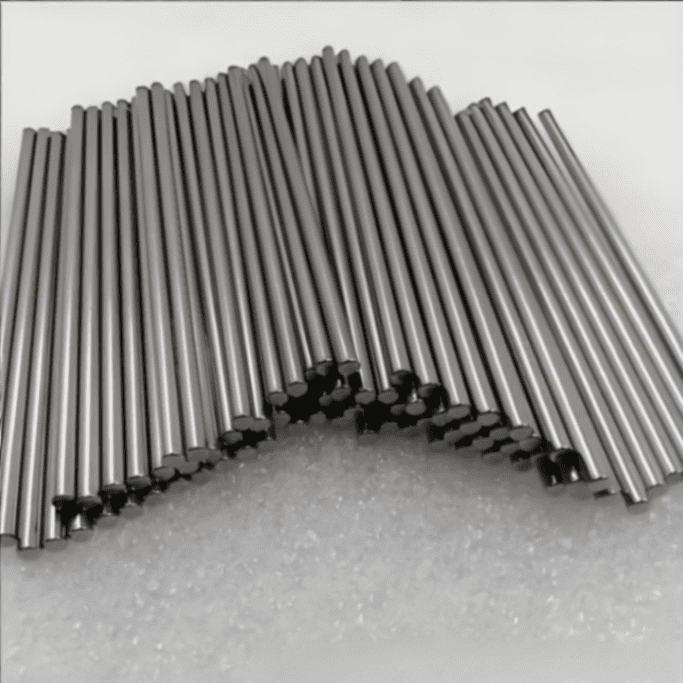
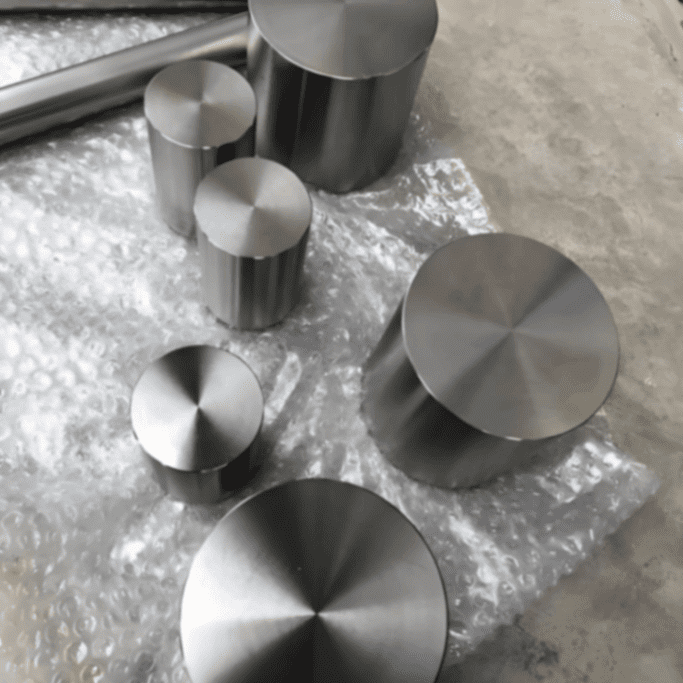
In actual procurement, we often find that once the service temperature exceeds the critical threshold of 650°C, material selection shifts from “conventional engineering” into the deep waters of “high-temperature metallurgy.” Nimonic 90 and Inconel 718 are both benchmark grades in the field of nickel-based superalloys, yet their performance curves resemble two intersecting parabolas. Many customers responsible for hot-section components in aero engines, nuclear fasteners, or high-temperature chemical valves mistakenly apply Inconel 718 in 800°C environments. While no immediate issues may arise initially, it cannot withstand prolonged service. This article explains, from the perspective of precipitation strengthening mechanisms, the true applicability limits of these two industrial bar materials under real high-temperature conditions.
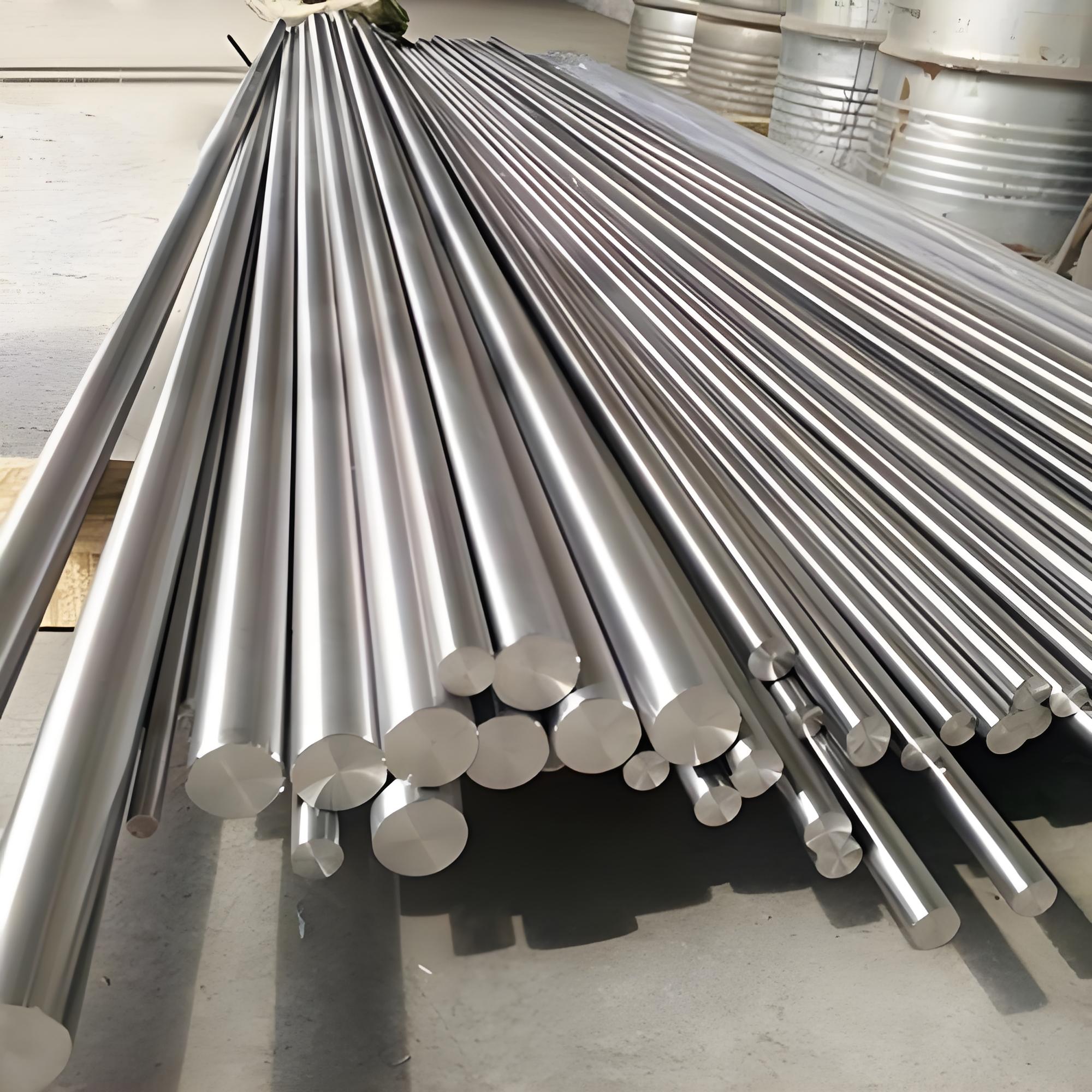
Minor differences in the periodic table ultimately translate into major performance gaps. The high cobalt (Co) content in Nimonic 90 strengthens the matrix through solid solution and increases the dissolution temperature of the γ′ phase, but it also significantly raises procurement costs. Inconel 718, on the other hand, relies on niobium (Nb) and molybdenum (Mo) as primary strengthening elements, while using a large amount of iron (Fe) to balance cost. The table below shows the standard melt analysis ranges of both materials.
| Element | Nimonic 90 (UNS N07090) | Inconel 718 (UNS N07718) |
| Nickel (Ni) | ≥54.0 (Balance) | 50.0 – 55.0 |
| Chromium (Cr) | 18.0 – 21.0 | 17.0 – 21.0 |
| Cobalt (Co) | 15.0 – 21.0 | ≤1.0 |
| Molybdenum (Mo) | – | 2.80 – 3.30 |
| Niobium + Tantalum (Nb+Ta) | – | 4.75 – 5.50 |
| Titanium (Ti) | 2.0 – 3.0 | 0.65 – 1.15 |
| Aluminum (Al) | 1.0 – 2.0 | 0.20 – 0.80 |
| Iron (Fe) | ≤1.5 | Balance |
From a procurement perspective, the impact is very direct: Nimonic 90 is highly sensitive to cobalt prices, making it a strategic-grade nickel alloy bar with slower inventory turnover, often requiring melt scheduling based on orders. In contrast, 718 benefits from its cost-efficient composition and widespread application, resulting in better stock availability and a wider range of sizes. If your region has import restrictions on strategic metals like cobalt, 718 offers a natural advantage in supply chain stability.
In high-temperature rotating components, centrifugal stress caused by density must be strictly controlled. Meanwhile, the coefficient of thermal expansion determines fit clearance at elevated temperatures. Although both alloys have similar densities, there is a significant difference in their high-temperature oxidation resistance limits.
| Physical Property | Nimonic 90 | Inconel 718 |
| Density (g/cm³) | 8.18 | 8.19 |
| Melting Range (°C) | 1310 – 1370 | 1260 – 1336 |
| Max Continuous Service Temp (Oxidizing) | ~950°C | ~650°C (strength-limited) |
| Curie Temperature | Non-magnetic | Weak magnetism below -112°C |
| Thermal Conductivity (W/m·K @200°C) | 12.5 | 13.4 |
Note the maximum continuous service temperature. While 718 maintains an intact oxide scale even at 980°C, its mechanical strength collapses, making it unsuitable for load-bearing applications above 650°C. Nimonic 90, however, retains creep resistance above 900°C. Although 718 has slightly better thermal conductivity, which benefits heat exchanger design, most high-temperature applications prioritize insulation rather than heat transfer.
Mechanical performance must be evaluated across temperature ranges. At room temperature, 718 appears superior. However, once tested at 800°C, the roles reverse dramatically—this is the core distinction between the two alloys.
| Typical Mechanical Properties (Aged) | Nimonic 90 | Inconel 718 |
| Ultimate Tensile Strength (MPa) | 1240 | 1375 |
| Yield Strength (MPa) | 790 | 1100 |
| Yield Strength at 650°C (MPa) | ~620 | ~900 |
| Yield Strength at 815°C (MPa) | ~400 | <200 (softened) |
| Stress Rupture (815°C / 100h, MPa) | ~170 | ~50 |
| Hardness (HRC) | 32 – 38 | 36 – 44 |
Compared to 718, Nimonic 90 has ~300 MPa lower yield strength at room temperature, limiting its use in high-pressure valves or ultra-high-strength fasteners. However, for components like turbine blade roots operating above 700°C under long-term centrifugal stress, Nimonic 90 delivers creep life up to ten times longer than 718. Buyers must therefore evaluate cost per high-temperature service hour, not just price per kilogram.
Manufacturing difficulty directly impacts delivery time and scrap rates.
Machinability: Inconel 718, though difficult to machine, has well-established cutting databases. With optimized tooling and coolant, stable mass production is achievable. Nimonic 90, due to high cobalt content, is more adhesive and less thermally conductive, leading to higher cutting forces and 20–30% faster tool wear.
Weldability: This is a major advantage of 718. It has excellent resistance to strain-age cracking and mature post-weld heat treatment processes. Nimonic 90 is highly crack-sensitive and generally unsuitable for welded structures.
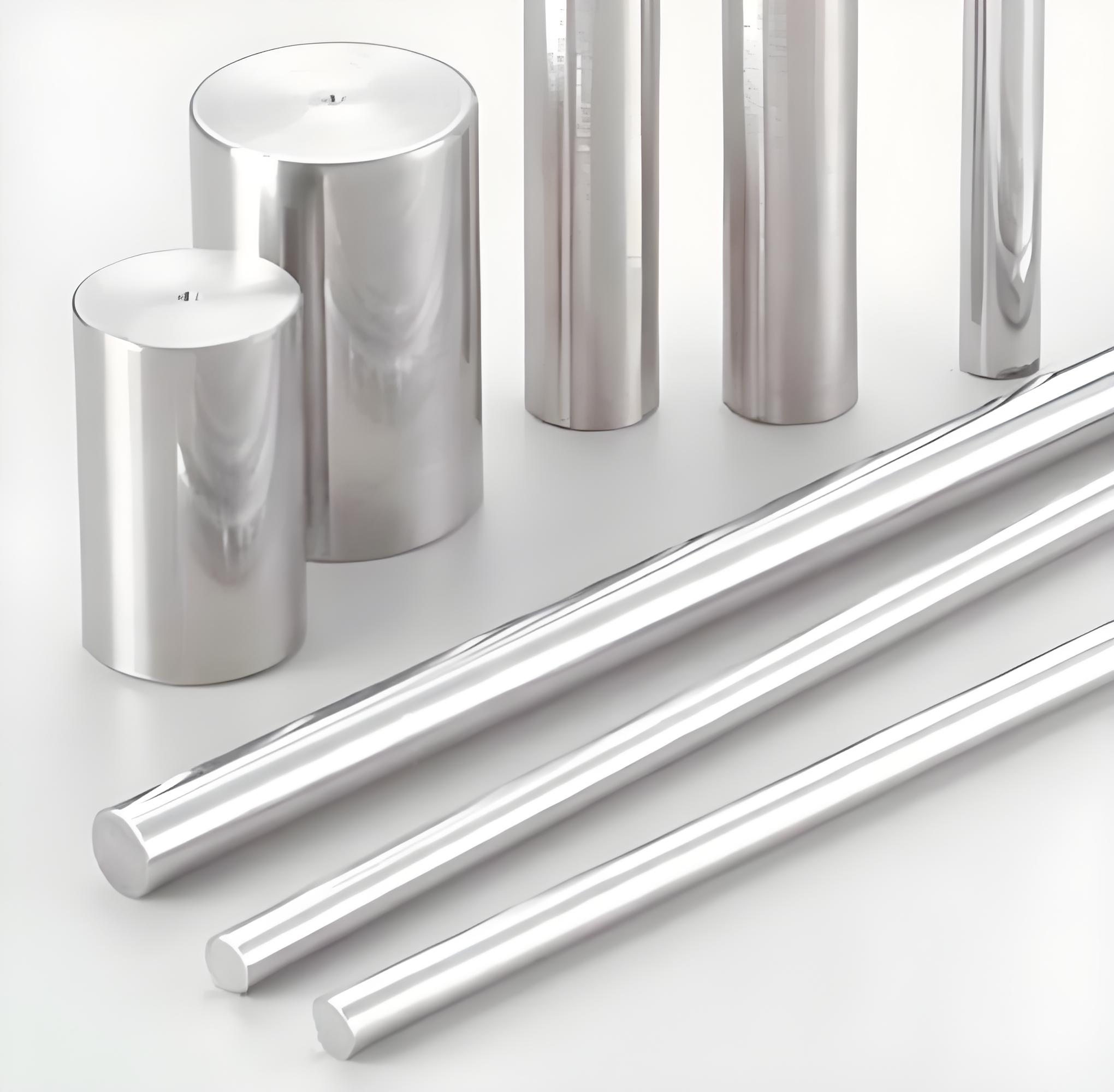
Use Nimonic 90 for:
Turbine blades, discs, and high-temperature fasteners in aero engines and gas turbines. Also widely used in automotive exhaust valves and racing engine components operating at 800–900°C.
Use Inconel 718 for:
Rocket engine fuel pumps, oilfield tools, nuclear fasteners, and low-temperature systems. As long as service temperature remains below 650°C, its high strength enables lighter designs.
Step 1: If service temperature >700°C → eliminate 718.
Step 2: For creep-dominated loads → choose 90; for fatigue loads → choose 718.
Step 3: Welding required → choose 718.
Step 4: Evaluate cost: 718 wins in strength cost; 90 wins in high-temperature life cost.
| Form | Nimonic 90 | 718 |
| Bars/Forgings | AMS 5829, BS HR2 | AMS 5662/5663, ASTM B637 |
| Sheets | AMS 5547 | AMS 5596/5597 |
| Tubes | Limited | AMS 5589, ASTM B983 |
| Fasteners | BS HR 502 | ASTM A1014 |
| Factor | Nimonic 90 | 718 |
| Cost Drivers | Cobalt price | Nickel & Niobium |
| Relative Price | 2.8 – 3.5 | 1.8 – 2.2 |
| MOQ | High | Low |
718 is easier to source due to widespread use and additive manufacturing demand, while Nimonic 90 typically requires custom melting with longer lead times.
Which lasts longer at 650°C?
At high stress, 718 performs better short-term; at moderate stress and long duration, Nimonic 90 offers superior creep stability.
What if temperature spikes to 750°C?
718 should not be used. Strength degradation is irreversible. Consider Nimonic 90 or 80A.
Can Nimonic 90 replace 718 in sour gas wells?
No. 718 meets NACE standards for sulfide stress corrosion resistance, while Nimonic 90 does not.
More from this category
Inconel 617 alloy round bar price per kilogram is commonly about USD 45 to 90 per kg for standard industrial stock sizes. Large forged bars, small pre...
The latest Inconel 625 alloy bar price per kg depends on nickel, molybdenum, niobium, and chromium raw material costs, as well as bar diameter, manufa...
Inconel X-750 alloy bar price depends on nickel raw material cost, bar diameter, product condition, heat treatment, specification, surface finish, dim...
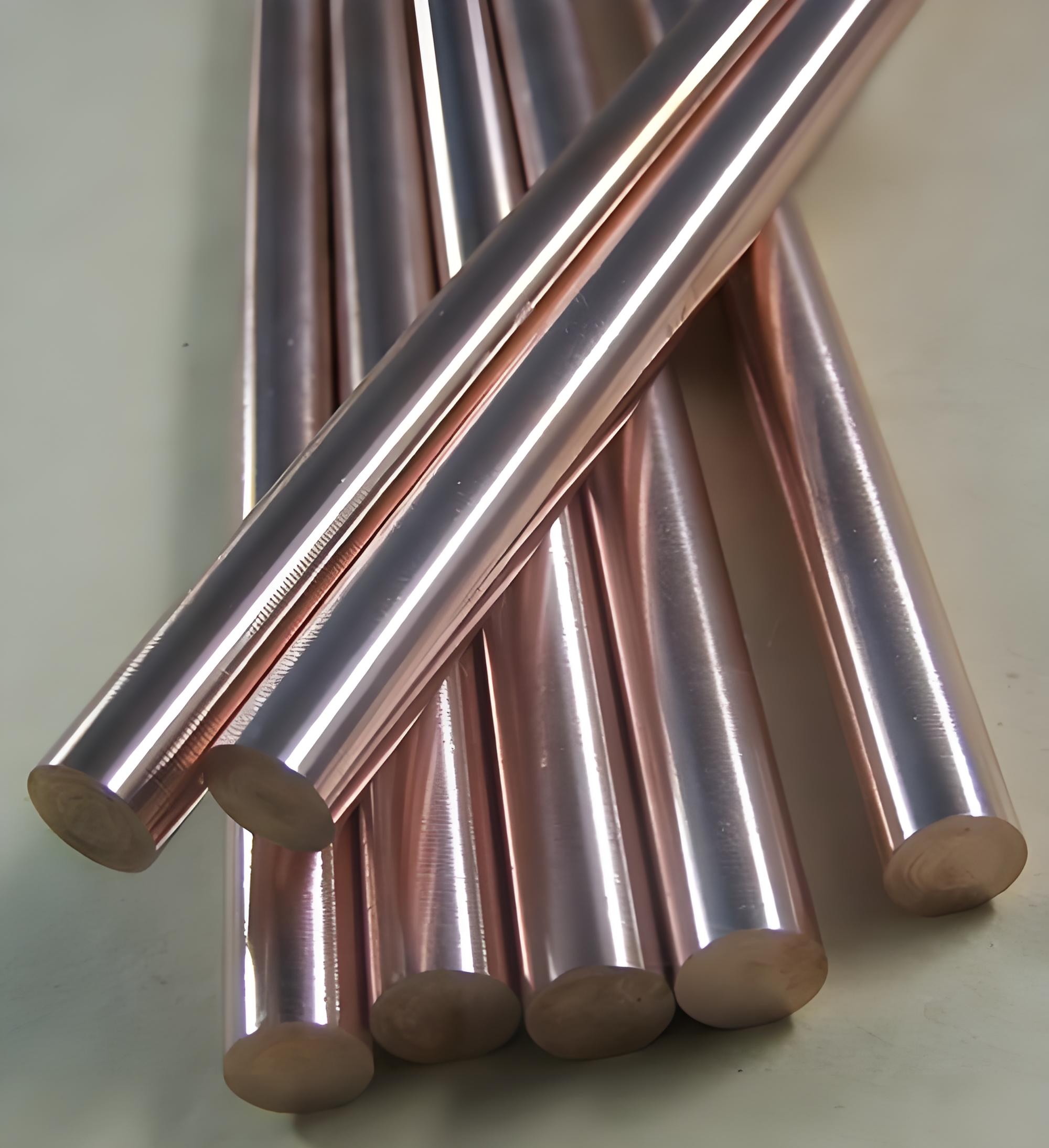
Inconel 602CA alloy bar price per kg is usually higher than common Inconel 600 and Inconel 601 bars because Alloy 602CA is a premium high-temperature ...
 English English
  Korean
 Arabic
 Spanish
 German
 Portuguese
 French
 Russian
 Italian
 Vietnamese