
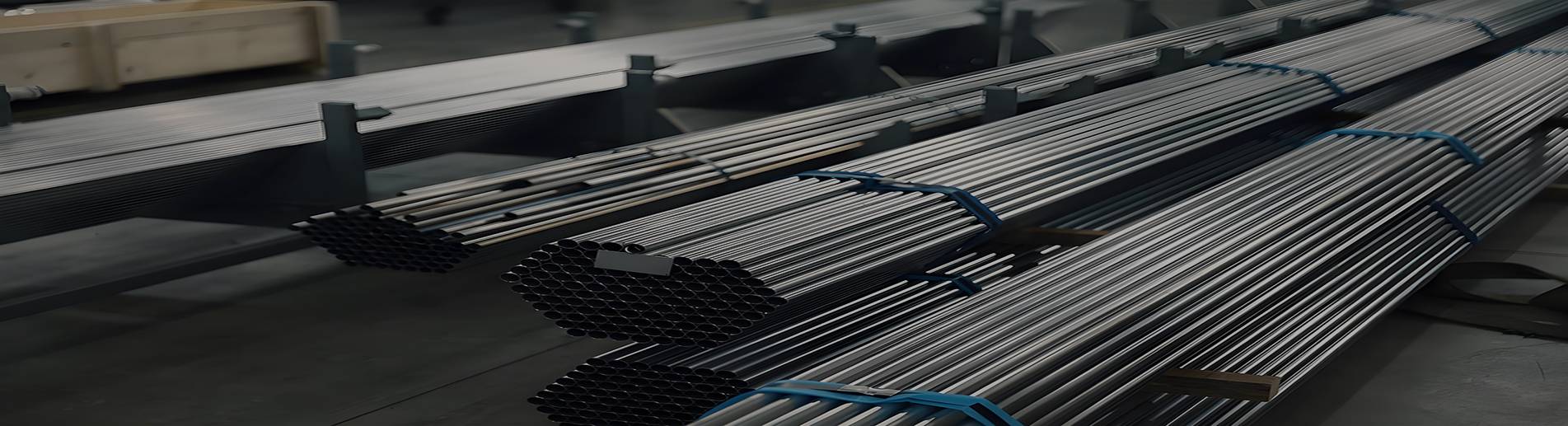
Inconel 617 alloy round bar price per kilogram
Inconel 617 alloy round bar price per kilogram is commonly about USD 45 to 90 per kg for standard industrial stock sizes. Large forged bars, small pre...
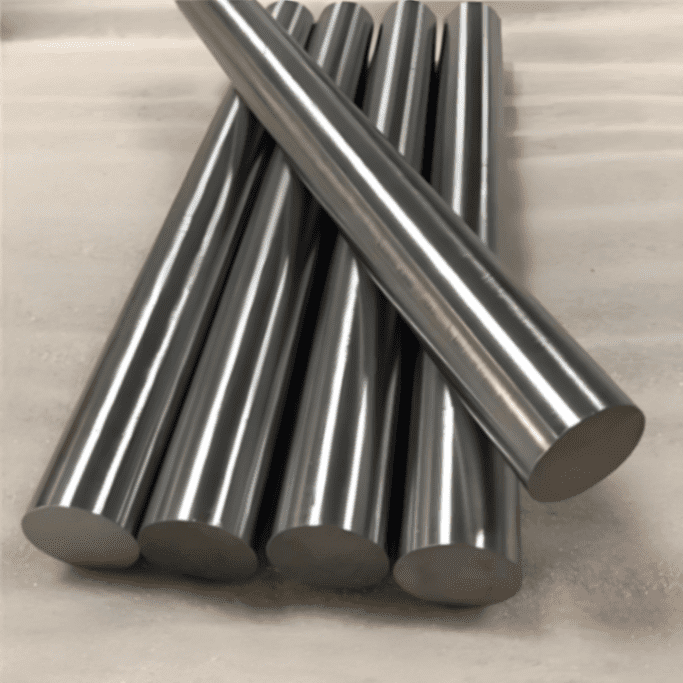
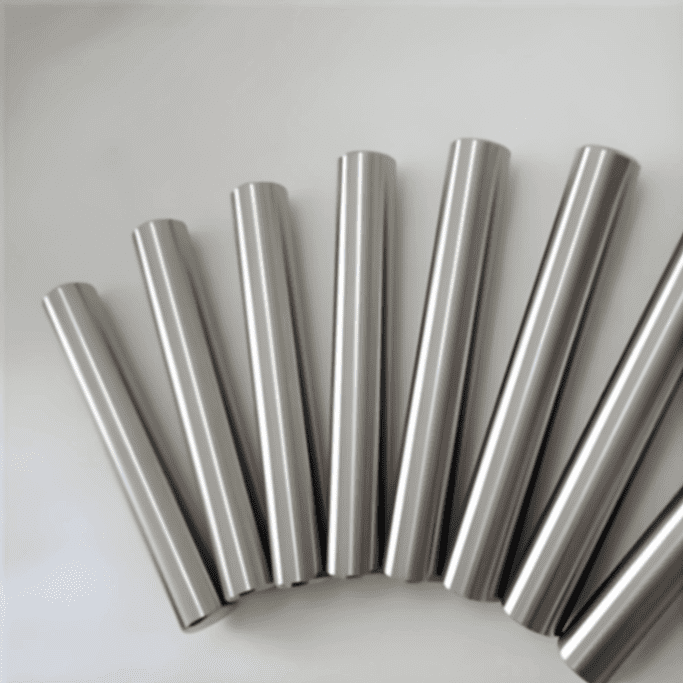
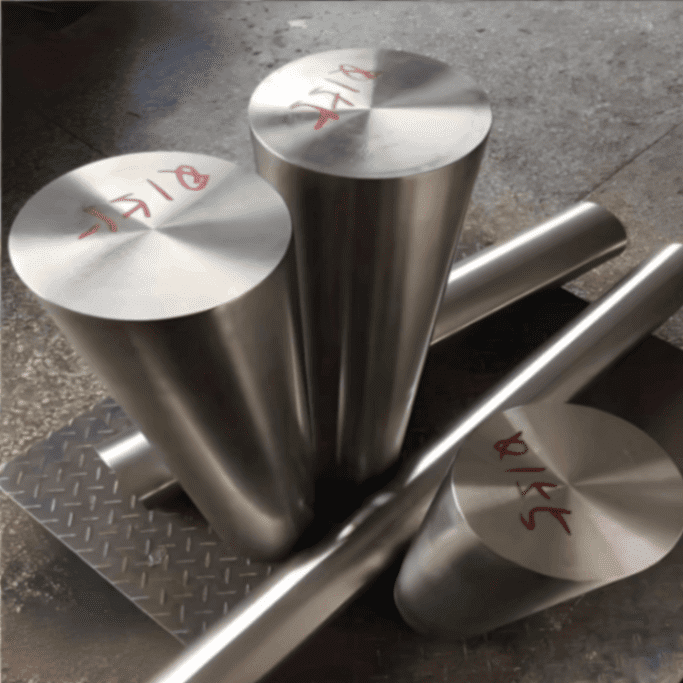
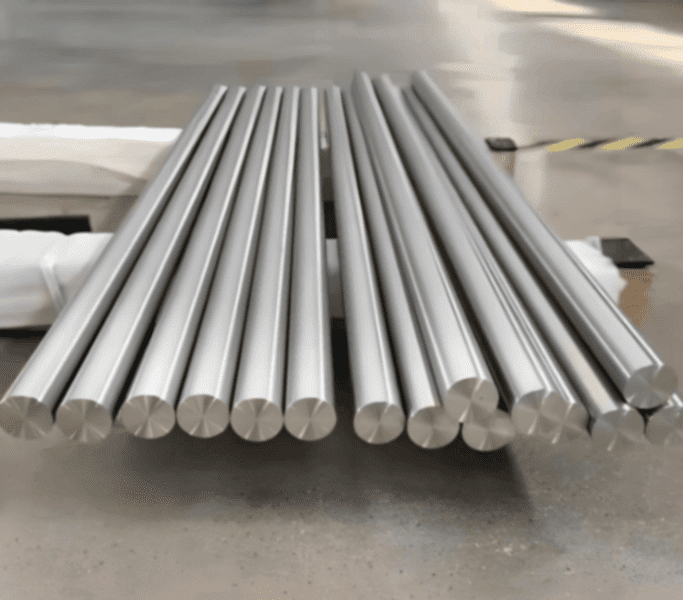
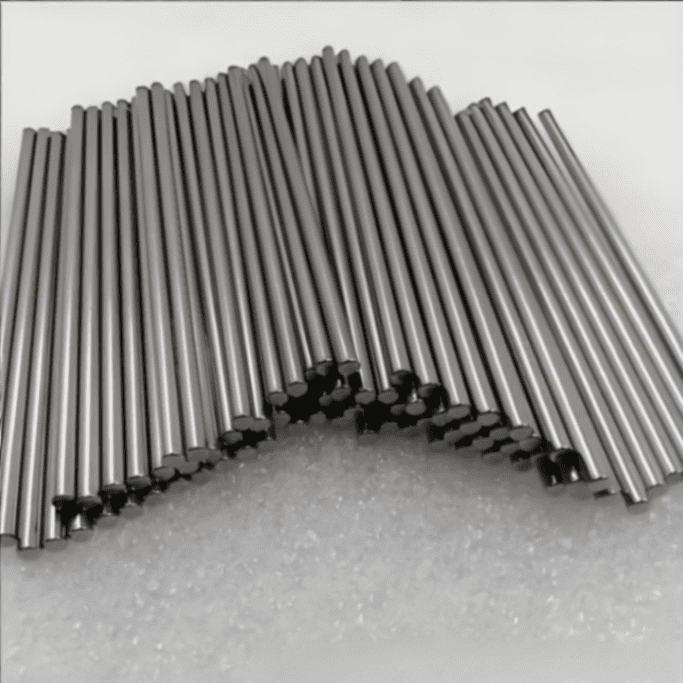
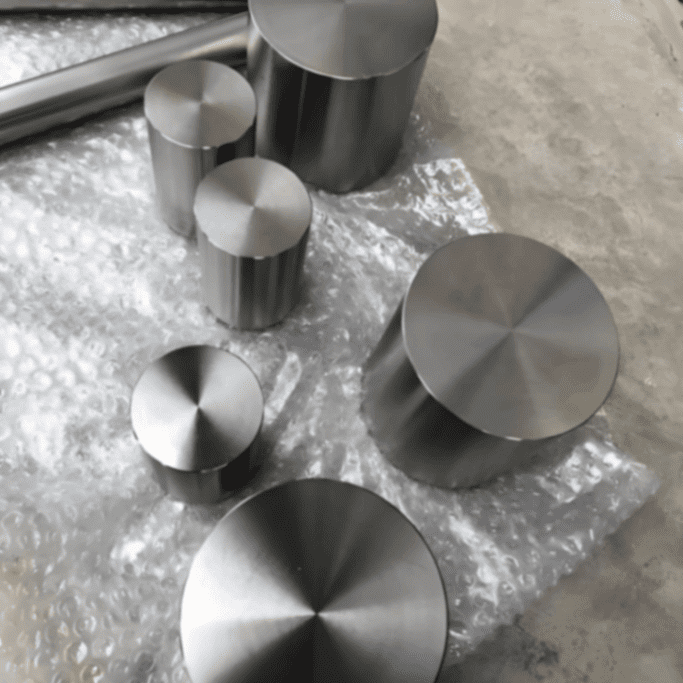
Inconel 718 is not a low-cost alloy by nature, because it is a nickel-based superalloy with niobium, chromium, iron, and other controlled elements. Still, there is a big difference between buying through multiple middle layers and buying from a factory-direct channel that can quote based on actual size, processing route, and order volume. For many industrial buyers, the best price comes from choosing standard diameters, practical material conditions, realistic certification needs, and batch quantities that fit mill production logic.
Inconel 718 is one of the most widely used nickel-based alloys for high-strength and high-reliability parts. It is known for a very useful mix of corrosion resistance, oxidation resistance, fatigue strength, and mechanical stability at elevated temperature. In simpler words, it is the kind of alloy engineers use when stainless steel is not strong enough, and when the part must keep working under heat, pressure, or aggressive service conditions.
The alloy is precipitation hardenable, which means its strength can be significantly increased through proper heat treatment. That is one reason Inconel 718 is so popular in aerospace, energy, oil and gas, chemical processing, and high-end mechanical industries. It is used for shafts, fasteners, turbine-related parts, springs, valve components, downhole tools, and structural hardware where both strength and corrosion resistance matter.
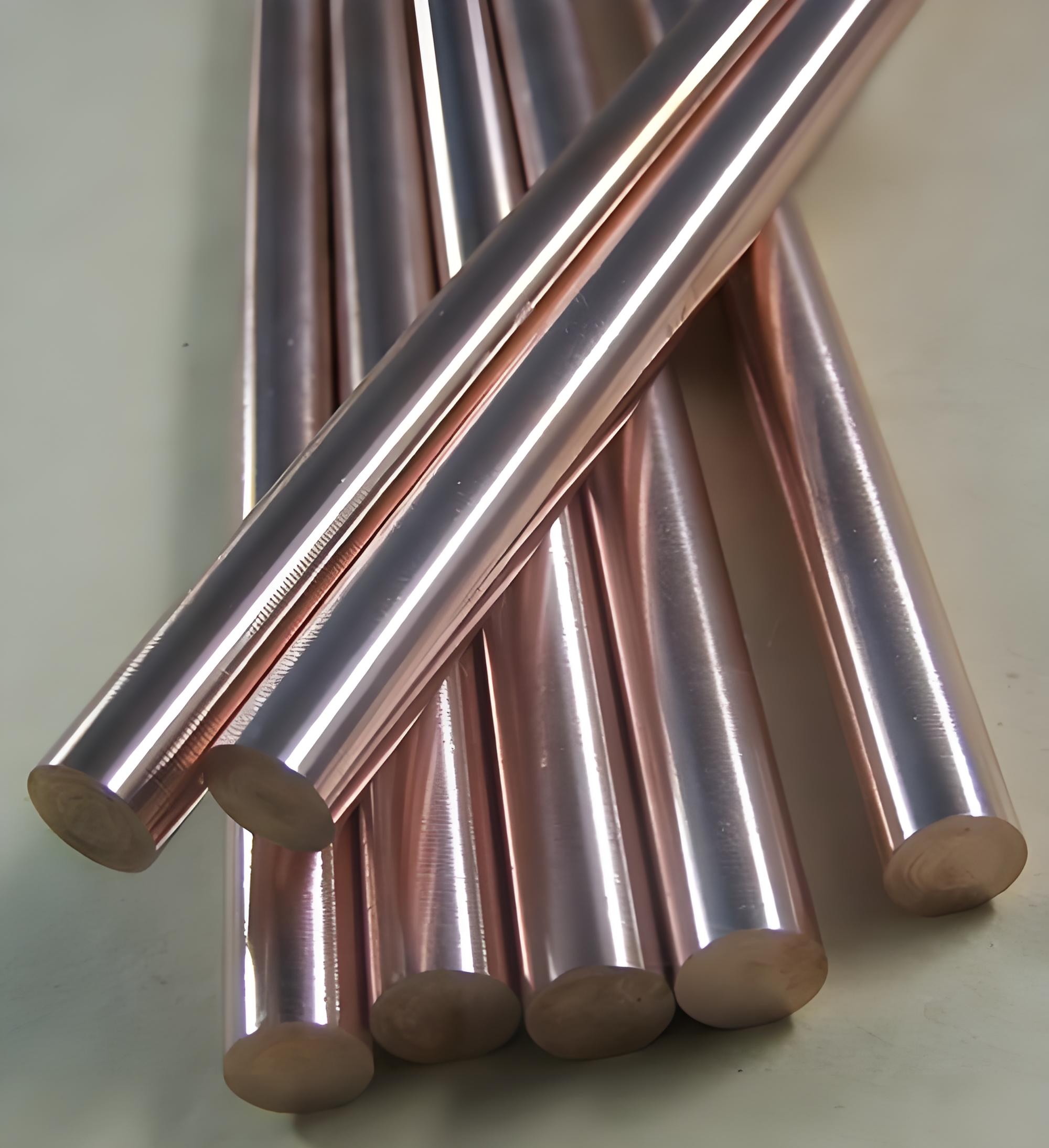
For round bar products specifically, Inconel 718 is often purchased as a machining stock. Buyers use round bars to produce turned parts, threaded components, high-strength pins, rings, bushings, couplings, and forgings. Compared with plate or sheet, round bar is especially common for parts that start from turning, drilling, center machining, or precision grinding routes.
It is also important to understand that not every Inconel 718 round bar is priced the same way. Two bars with the same alloy name may have very different costs depending on melting route, bar diameter, surface condition, heat treatment state, tolerance level, inspection package, and whether the material must meet general industrial or aerospace traceability standards. So when people ask for “cheap Inconel 718 round bar,” the practical target is usually the most economical version that still meets the application.
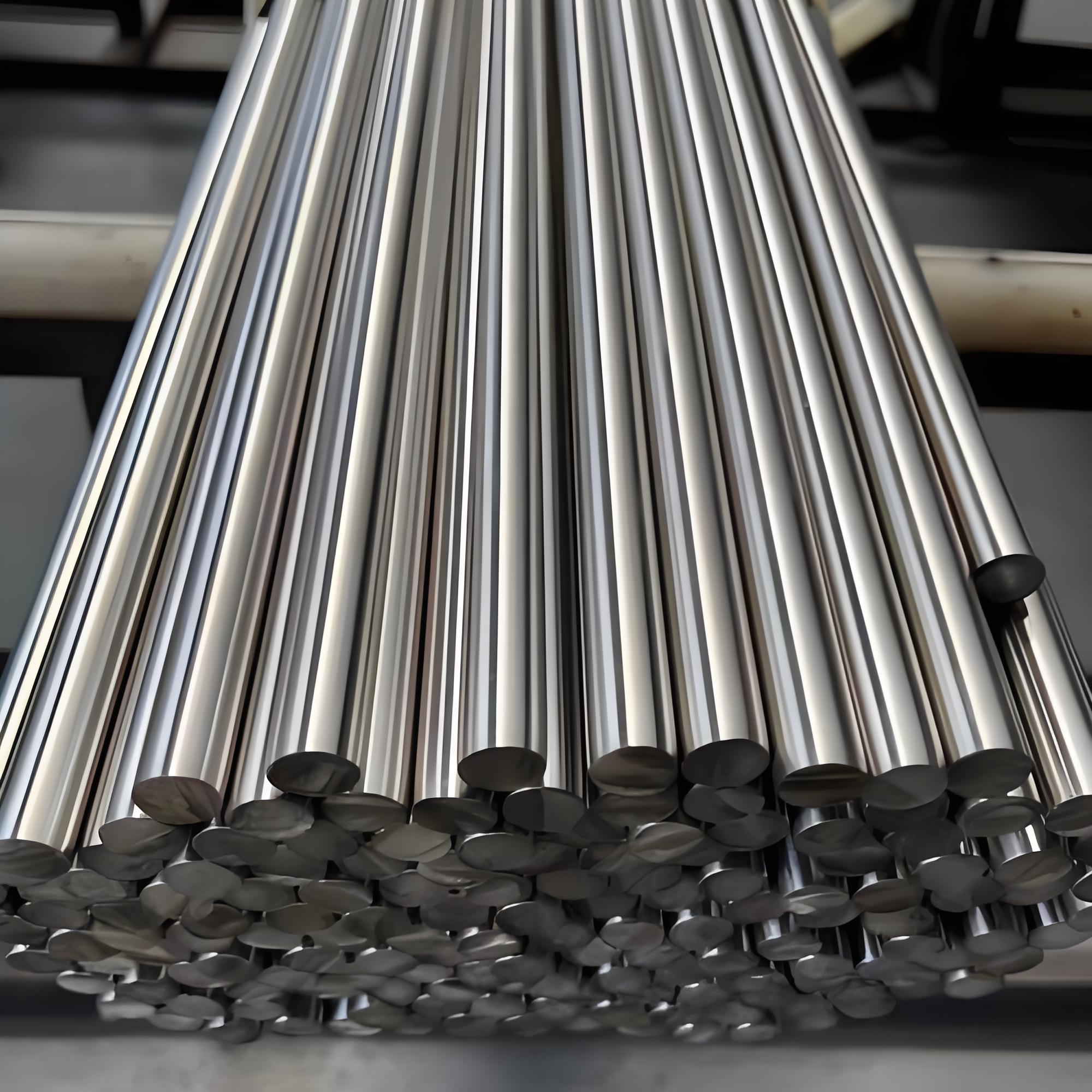
The main logic behind factory direct supply is simple: fewer layers usually mean fewer markups. When the material moves from mill or factory to distributor, then to trader, then to the end buyer, each step adds cost. Sometimes that extra cost is reasonable, especially when the intermediary holds local stock, handles customs, or offers short delivery. But if the buyer already knows the required size, quantity, and condition, buying closer to the production source often leads to a lower unit price.
In factory direct pricing, the quote is usually built from a clearer cost structure: raw material cost, melting and hot working cost, finish processing cost, inspection cost, packaging, and shipping. That makes it easier to adjust the quote based on real order details. For example, if a buyer accepts mill standard length instead of tight cut pieces, or black surface bar instead of bright ground finish, the factory can reduce processing cost directly instead of adding service-center margin on top of it.
Compared with traders or distributors, a factory direct supplier can also be more flexible on price when the order quantity is meaningful. A trader often buys from upstream and resells based on existing stock logic, so discount space may be limited. A factory, by contrast, may optimize the rolling schedule or combine the order with regular production, which sometimes creates better pricing for standard diameters.
That said, factory direct is not automatically cheaper in every case. If the buyer only needs one or two short sample pieces, a local distributor may actually be more economical because the material is already in stock and no special production setup is needed. Factory direct becomes more attractive when the order is large enough, the size is common enough, or the buyer wants a quote built from production reality rather than stockholder resale price.
For a company such as Shanghai NC Metal Materials Co., Ltd., factory direct supply usually makes the most price sense when the buyer can provide a clear RFQ, accept practical mill tolerances where appropriate, and group demand into batch quantities instead of fragmented small-piece purchasing.
The first and most obvious factor is order quantity. Inconel 718 is expensive to melt, process, and inspect, so very small orders almost always carry a higher unit price. If a buyer wants only a few kilograms or a couple of cut pieces, the cost per kilogram can be significantly higher than for a larger order. Once quantity increases, production setup cost, cutting loss, packaging cost, and documentation cost are spread over more material, which lowers the unit price.
The second factor is how standard the requested size is. Common diameters are easier and cheaper to supply because they fit normal production and stocking patterns. If a buyer asks for a standard round bar such as 20 mm, 25 mm, 50 mm, or 80 mm, the chance of getting a better price is much higher than if the request is for an unusual diameter that requires custom rolling, extra machining, or special peeling. Nonstandard sizes are not impossible, but they are rarely the lowest-cost option.
The third factor is material condition. Black bar, also called hot rolled or forged black surface bar, is usually cheaper than turned, peeled, bright, ground, or polished bar. This is because the factory does less surface finishing work. If the buyer plans to machine away the outer layer anyway, paying extra for a fine finished surface may not make sense. On the other hand, if the application needs better dimensional consistency or lower machining allowance, a turned or ground bar can reduce downstream waste even if the raw material quote is higher.
The fourth factor is certification level. General industrial users may only need a material test certificate and basic chemistry and mechanical data. Aerospace, nuclear, or highly controlled energy applications may require full traceability, heat number control, ultrasonic testing, PMI, solution treatment records, specification compliance, and sometimes third-party inspection. Those requirements add cost in a very direct way. If the buyer’s actual application does not need aerospace-grade paperwork, removing unnecessary document requirements is one of the simplest ways to lower price.
Heat treatment state also matters. Inconel 718 in annealed or solution-treated condition is often more economical than fully aged or specially processed condition, especially if the customer plans to do final heat treatment after machining. Additional furnace cycles, hardness control, and testing all add to cost. For many machining customers, buying solution-treated bar and doing aging later is a better cost route.
Another price factor that buyers often overlook is tolerance. Tight diameter tolerance, straightness control, and premium surface quality all require extra processing steps. If the design allows standard commercial tolerance instead of precision-ground tolerance, the quote usually improves. The same applies to fixed cut lengths. Random length bars are usually cheaper than individually cut and labeled pieces.
If the goal is to keep the purchase economical, the best place to start is with common size ranges that are regularly produced and regularly consumed by the market. In many cases, Inconel 718 round bar in the diameter range of about Ø10–100 mm is easier to source at a competitive price than very small precision bar or very large forged rounds. This size window matches a lot of standard machining demand, so production and inventory tend to be more efficient.
Within that size range, standard metric diameters are usually safer for pricing than unusual custom diameters. If the component drawing allows a small design adjustment, buying the next common stock size and machining down can sometimes save money overall. The same logic applies to inch sizes in markets where inch-dimension supply is common. The cheapest diameter is often not the exact near-net size, but the size that fits existing stock or rolling patterns.
For condition, annealed or solution-treated material is typically more economical than aged material. Buyers who only need the bar for later machining and final in-house heat treatment usually get a better price if they order in a non-aged state. This reduces factory processing steps and often shortens delivery time as well. In purchasing terms, if the final mechanical strength does not need to be built into the supplied bar condition, keeping the order to a simpler thermal state is a practical way to lower cost.
Black surface bars are another low-cost recommendation if surface finish is not critical at the incoming material stage. For heavy machining components, buying black bar can make financial sense because the outer layer will be removed anyway. If the part requires tighter dimensional control, peeled or rough turned bar may be a middle-ground option that costs less than fully ground bright bar but still saves machining time.
It is also worth avoiding over-specification. Many buyers copy a very strict material description from an old drawing even when the current project does not need that level of finish or traceability. Using a realistic specification is one of the easiest ways to move from an expensive quote to a more competitive factory direct price.
Inconel 718 round bar pricing changes noticeably with order volume. Small sample quantities usually carry the highest price per kilogram because the supplier still has to handle cutting, identification, paperwork, and packaging even if the order is tiny. A few short bars or one small trial order may be priced almost like a service item rather than a production item.
Once the order reaches a practical batch level, the unit price generally improves. This is especially true when the material can be supplied in full bar lengths, standard diameters, and mill-normal conditions. For example, a buyer ordering a few pieces may receive a quote based on retail-like handling logic, while a buyer ordering several hundred kilograms or multiple tons can receive a quote based more closely on production cost logic. Prices only for reference, but in many industrial transactions, the gap between small-lot and bulk pricing can be meaningful.
Long-term procurement agreements create another layer of discount potential. If the buyer can commit to repeated purchases over a fixed period, the supplier may be able to plan stock, reduce scheduling risk, and optimize upstream raw material procurement. That can produce better and more stable pricing than one-off spot buying. It also helps avoid the situation where every urgent order is quoted at a premium.
Blanket orders, annual frame contracts, and scheduled releases are especially useful when the buyer uses the same few diameters again and again. In that case, the supplier may reserve stock or align mill orders in advance. For a nickel alloy like Inconel 718, that kind of planning often matters more than buyers expect because nickel price fluctuation, remelting schedules, and finishing capacity can all affect short-term price.
Another point is scrap and yield. If the buyer orders random short cut pieces with little relation to full bar length, the supplier may lose more material in cutting and leftover remnants. That loss gets reflected in the unit price. If the order is built around full bars, practical cut lengths, or repeatable bundle quantities, the quote usually becomes more favorable.
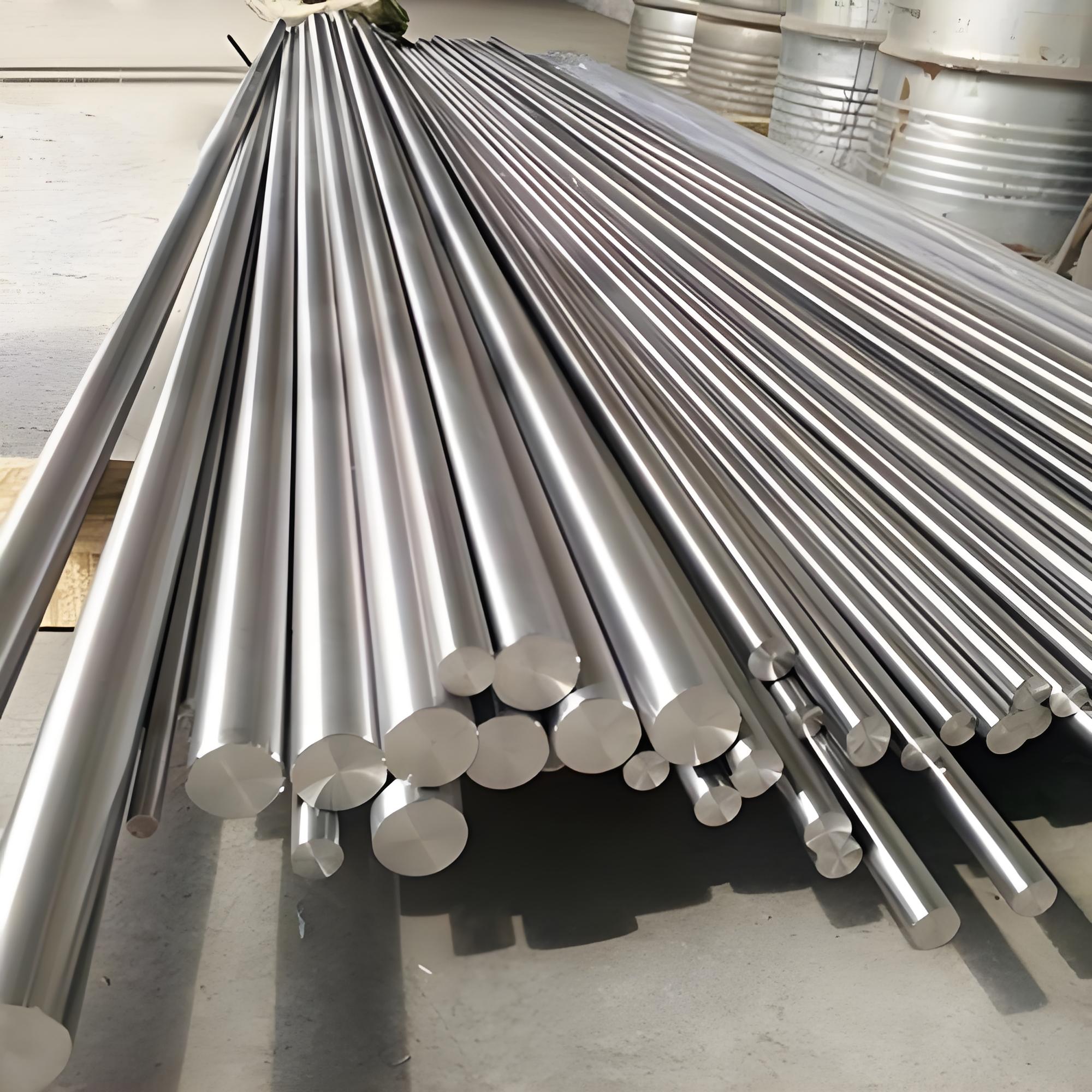
Factory direct supply is not just about raw bar pricing. It can also include processing services that save time for the customer. One of the most common services is cut-to-length supply. Instead of shipping full random bars, the supplier can cut the material according to the customer’s required length. This reduces handling work at the buyer’s end and can make import, warehousing, and shop-floor preparation easier.
Surface finishing is another common service. Depending on the project, Inconel 718 round bar can be supplied as black bar, rough turned bar, peeled bar, centerless ground bar, or polished bar. The right choice depends on whether the customer wants the lowest material cost, lower machining allowance, or better incoming dimensional tolerance. The useful part of factory direct supply is that these options can often be quoted clearly as separate cost levels rather than hidden inside a reseller markup.
Some buyers also need basic machining support such as chamfered ends, rough sawn pieces, face-cut ends, or custom marking. These services are not always expensive, but they should be defined early because they affect labor and packing logic. If the buyer is trying to get the absolute lowest quote, it is usually better to separate “must-have” services from “nice-to-have” services.
Export packaging and logistics support are also practical parts of factory direct supply. Nickel alloy bars are heavy, and long bars can be costly to pack and transport incorrectly. Good export handling may include seaworthy packing, anti-rust protection where appropriate, wooden cases or bundles, clear heat number marking, and shipping coordination based on bar length and destination rules. This does not always lower the base material price, but it can lower the total delivered cost by reducing damage risk and repacking expense.
For international buyers, a factory direct supplier such as Shanghai NC Metal Materials Co., Ltd. may also help align material condition, marking method, and packing style with customs and end-user receiving requirements. That can save time during inspection and prevent avoidable issues after arrival.
If the goal is to receive the lowest realistic factory quotation, the buyer needs to give complete and accurate information from the start. The first required item is the exact size, including diameter and length. If a tolerance is important, it should be stated clearly. If standard commercial tolerance is acceptable, that should also be stated, because it can help avoid over-quoting.
The second key item is quantity. This should be given in pieces, length per piece, and total weight if possible. A quote for “about 500 kg” is useful, but a quote for “25 mm diameter x 3000 mm length x 40 pcs” is much better because it allows the supplier to calculate yield and cutting pattern properly. Better information usually means a sharper and more competitive price.
The third item is material condition. The buyer should specify whether black bar, hot rolled bar, forged bar, peeled bar, turned bar, ground bar, annealed bar, or solution-treated bar is needed. If the buyer is not sure, it is worth asking for two options. Many times, the cheaper condition is fully acceptable once the downstream machining route is reviewed.
The fourth item is certification and inspection requirement. This is where many quotes become unnecessarily high. The buyer should say clearly whether standard EN 10204 3.1 certificate is enough, or whether additional traceability, UT, PMI, hardness, tensile test, or third-party inspection is required. If no special certification is needed, say so directly. Factories cannot guess whether the order is for general industrial use or aerospace-level qualification.
The fifth item is destination and delivery term. Packaging and freight can change the total cost a lot, especially for long bars or export orders. A low EXW or FOB material price may not be the lowest delivered cost if packaging and shipping are not considered early. For round bar, length restriction can also affect freight strongly, so buyers should mention whether full length is necessary or whether shorter cut lengths are acceptable.
It also helps to tell the supplier whether the inquiry is for sample, trial batch, or regular procurement. A one-time prototype order and a repeating production order are priced differently in practice. If the buyer expects annual repeat demand, mentioning that from the beginning can open the door to a more aggressive factory direct quote.
Finally, the buyer should avoid vague wording like “best price please” without technical details. The lowest useful quotation comes from a complete parameter list: alloy grade, standard if required, diameter, length, quantity, condition, finish, certification, destination, and delivery expectation. In superalloy purchasing, the more precise the RFQ, the more likely the supplier can offer a genuinely competitive price instead of adding safety margin.
What is the cheapest condition for Inconel 718 round bar?
In most cases, black surface or hot worked bar in annealed or solution-treated condition is cheaper than bright ground, polished, or fully aged material. The exact lowest-cost option depends on size and quantity, but if the bar will be heavily machined later, a simpler surface and non-aged condition is usually the most economical choice.
How much does Inconel 718 round bar cost per kg?
As a broad industry reference, common industrial-grade Inconel 718 round bar may often be quoted around USD 35–70 per kg, depending on diameter, quantity, surface finish, heat treatment state, and certification level. Small sample orders, unusual sizes, and aerospace documentation can push the price higher. Prices only for reference.
What information should I send to get the lowest factory direct quote for Inconel 718 round bar?
You should provide diameter, length, quantity, required material condition, surface finish, certification level, and destination. It also helps to say whether the order is a sample, one-time purchase, or long-term demand. A complete RFQ allows the factory to calculate the most economical production and packaging route instead of quoting conservatively.
More from this category
Inconel 617 alloy round bar price per kilogram is commonly about USD 45 to 90 per kg for standard industrial stock sizes. Large forged bars, small pre...
The latest Inconel 625 alloy bar price per kg depends on nickel, molybdenum, niobium, and chromium raw material costs, as well as bar diameter, manufa...
Inconel X-750 alloy bar price depends on nickel raw material cost, bar diameter, product condition, heat treatment, specification, surface finish, dim...
Inconel 602CA alloy bar price per kg is usually higher than common Inconel 600 and Inconel 601 bars because Alloy 602CA is a premium high-temperature ...
 English English
  Korean
 Arabic
 Spanish
 German
 Portuguese
 French
 Russian
 Italian
 Vietnamese