
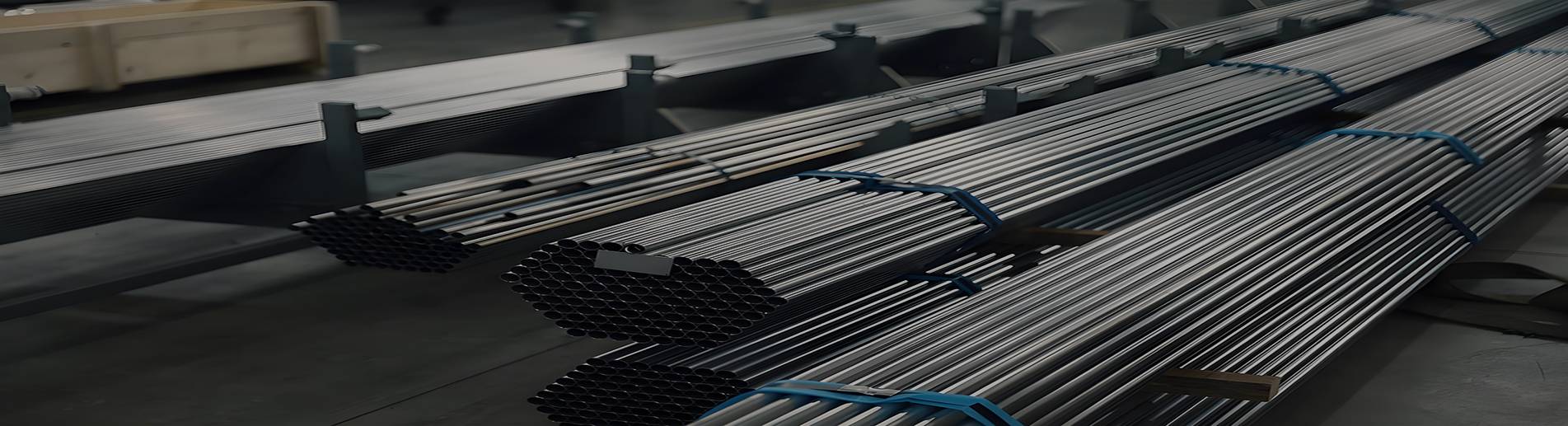
Inconel 617 alloy round bar price per kilogram
Inconel 617 alloy round bar price per kilogram is commonly about USD 45 to 90 per kg for standard industrial stock sizes. Large forged bars, small pre...
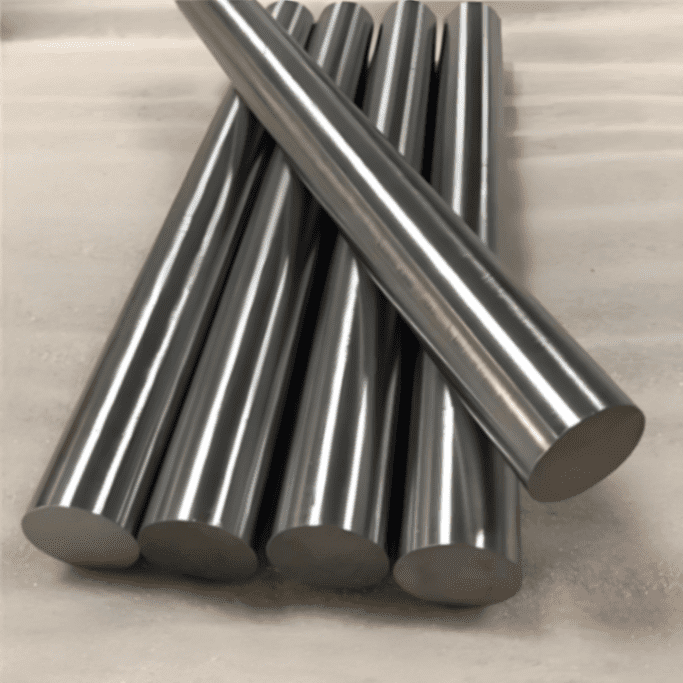
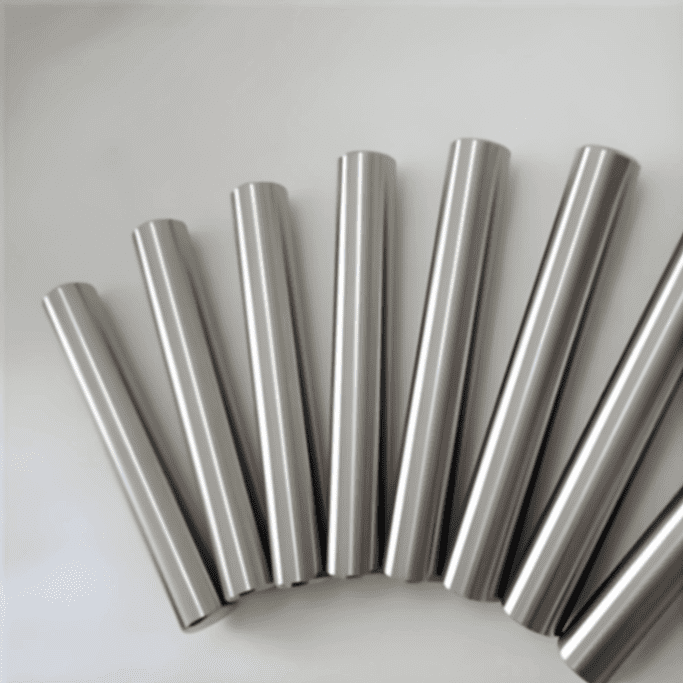
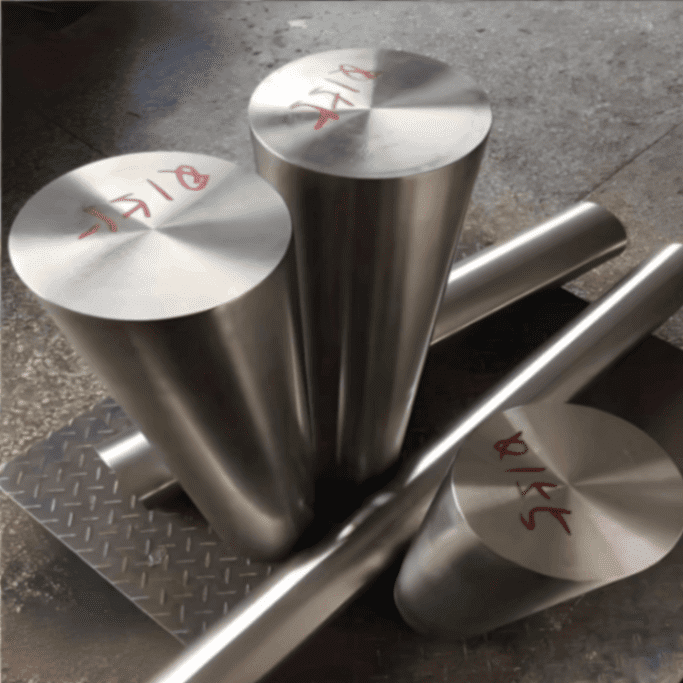
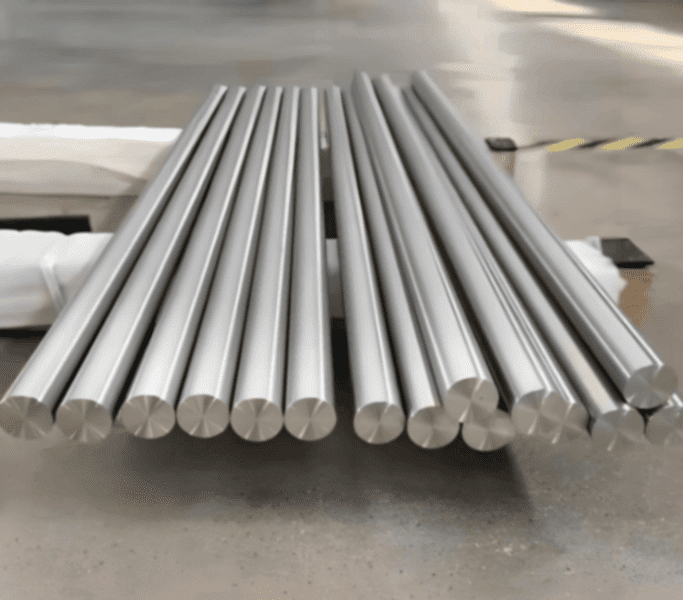
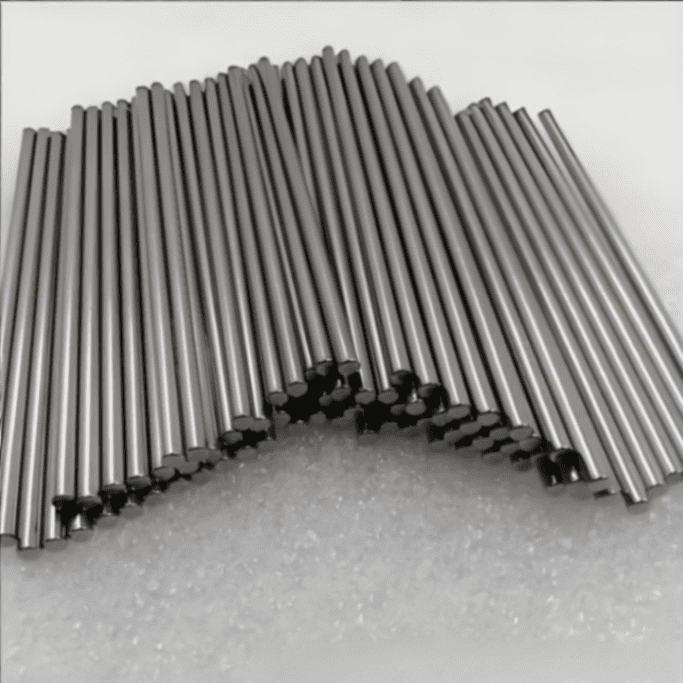
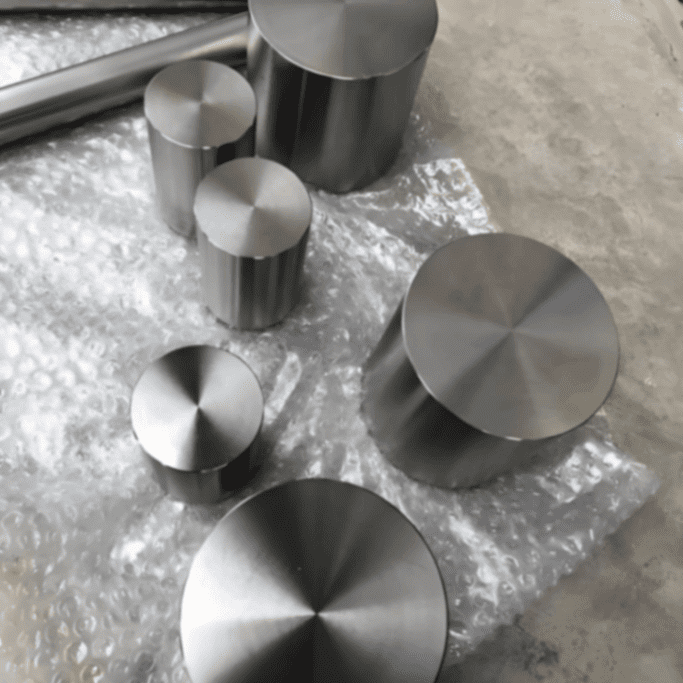
When our sales team engages with customers interested in Rene 41, the most common questions are: “What is the price per kilogram?” and “Why do different suppliers quote such different prices?” These questions may seem straightforward, but in reality, they are often oversimplified. Rene 41 is not a general-purpose stainless steel, nor is it a standard stock material that can be ordered at a fixed unit price. It is a typical nickel-based superalloy, and its pricing is significantly influenced by specifications, melting route, certification requirements, delivery condition, and machining demands. From our factory perspective at Shanghai NC Metal Materials Co., Ltd., any truly meaningful quotation must be based on clearly defined technical requirements.
Rene 41 is a precipitation-strengthened nickel-based superalloy that has been widely used in aerospace and high-temperature fastening applications for many years. Its core value is not simply “corrosion resistance,” but its ability to maintain high strength, good creep resistance, and long-term stability under elevated temperatures. For many structural components, it is not enough to withstand short-term high temperatures—the key is to resist relaxation, deformation, or premature failure under long-term loading, which is where Rene 41 truly excels.
In practical applications, Rene 41 is commonly used in high-temperature bolts, engine-related structural parts, missile components, load-bearing parts in gas environments, and aerospace-grade connection components. Especially in high-temperature fastening systems, customers choose Rene 41 not because it is “rare,” but because alternative materials tend to lose preload more quickly at elevated temperatures, resulting in insufficient long-term safety margins.
From a manufacturing standpoint, Rene 41 is not an easy material to handle. It has a relatively narrow hot working window, rapid tool wear during machining, and strict heat treatment requirements. Therefore, even if different suppliers quote the same Rene 41 grade, the price gap is often not just about trading margins—it reflects differences in process control, inspection standards, and delivery consistency.
If customers are more familiar with common nickel alloys like Inconel 718 or 625, it is important to set expectations when evaluating Rene 41 pricing: it is typically not a widely stocked commodity material. Many specifications—especially special-size bars, forgings, and fully traceable batches—are often produced based on order scheduling or custom manufacturing.
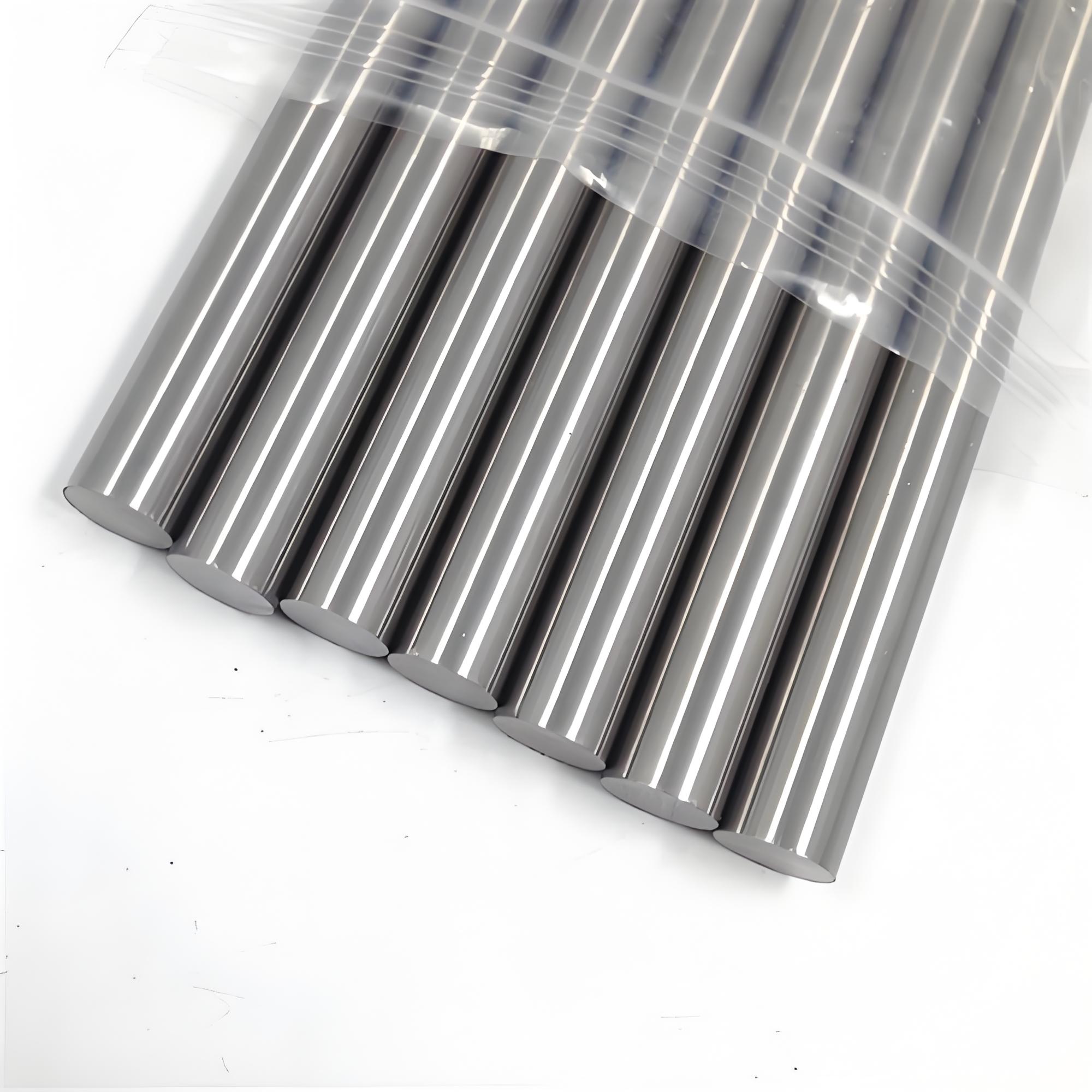
As a general industry reference, the price of Rene 41 raw material typically falls in the range of approximately USD 40–75 per kg. This must be emphasized: the price is for reference only. This range mainly applies to standard industrial-grade conditions for bars, forgings, or plates under basic technical requirements and does not represent all actual transaction prices.
For small batches, special dimensions, aerospace-grade documentation, ultrasonic testing, or additional machining requirements, actual quotations may exceed this range. On the other hand, for larger volumes, standard sizes, or when the factory has similar production runs or available parent material, prices may fall toward the lower end. In our factory quoting process, we rarely provide a single fixed price—we first determine whether the customer is asking for raw material cost or a fully deliverable price including cutting, testing, and certification.
To help procurement build a clearer understanding, pricing can generally be categorized into three levels: samples and prototype orders are the highest, small batches are mid-range, and large-volume orders offer more room for negotiation. This is not unique to Rene 41 but applies to most superalloys. Many costs—such as melting, forging, heat treatment, inspection, and cutting—do not scale proportionally with weight, making small orders relatively more expensive.
| Procurement Scenario | Typical Reference Price | Description |
| Small batch / special specifications | USD 55–75/kg | For reference only; includes higher losses and scheduling costs |
| Medium to large batch / standard specifications | USD 40–60/kg | For reference only; depends on condition and certification requirements |
One practical point: unusually low quotations in the market do not necessarily indicate stronger supply capability. They may simply be based on the most basic condition, widest tolerances, minimal documentation, and standard packaging. Once additional requirements are added during order confirmation, the price often increases step by step. Therefore, when evaluating Rene 41 pricing, it is essential to understand what is actually included in the quoted price.
The first and most direct factor is order quantity. Sample orders, trial orders, and R&D validation orders typically have higher unit prices. This is because many process costs are fixed—such as cutting, material verification, heat treatment documentation, inspection, and packaging—and do not decrease proportionally for small quantities. Conversely, larger orders (hundreds of kilograms or more) allow better production planning, utilization, and yield control, resulting in more competitive pricing.
The second factor is specification size, including diameter, length, tolerance, and special surface requirements. Standard round bars and non-standard diameters can differ significantly in cost. Larger diameters require more stringent forging and microstructure control, while smaller diameters with tight tolerances increase drawing, turning, or grinding costs. Length requirements—such as fixed lengths, short-cut pieces, or minimized crop loss—also add cost.
The third factor is material condition. Rene 41 may be supplied in annealed, solution-treated, or aged conditions, or left for customer-side heat treatment. Each condition corresponds to different manufacturing routes and risks. Annealed condition is typically more suitable for machining, while aged condition may be required for direct performance but increases complexity and inspection requirements. Pricing logic differs significantly depending on whether the priority is machinability or final performance.
The fourth factor is certification requirements. Once customers request aerospace-grade documentation, full traceability, original inspection records, chemical composition reports, mechanical test reports, heat treatment batch records, or ultrasonic testing levels, pricing moves beyond standard industrial material. In the superalloy field, documentation depth and traceability represent real costs, requiring additional effort in material control, process recording, re-testing, and documentation.
The fifth often overlooked factor is raw material source and melting route. Even if the same grade is specified, differences in melting method, cleanliness, and applicable standards can affect pricing. Comparing only “price per kg” without ensuring consistent supply conditions can lead to mismatches between expectation and actual delivery.
Market quotations generally come from two sources: trading suppliers and manufacturing factories. Traders offer flexibility, especially for small orders, mixed specifications, and urgent sourcing. For example, if a customer needs only a few kilograms in multiple sizes, factories may not prioritize such orders, while traders can often fulfill them more efficiently.
However, traders typically include markups to cover inventory, turnover, coordination, cutting, and financial risk. For high-value, slower-moving materials like superalloys, inventory costs can significantly impact pricing.
Factory-direct supply is usually more competitive for medium-to-large volumes, customized specifications, and clearly defined technical requirements. Factories can calculate costs based on raw material, forging, heat treatment, and inspection without multiple intermediaries, resulting in more transparent pricing.
That said, factories are not always cheaper. For very small orders, factories face higher scheduling and material loss costs, making traders sometimes more competitive. Especially when customers need only short pieces or minimal quantities, the key factor becomes how efficiently waste and operational costs are managed.
From a procurement perspective, it is more practical to match sourcing strategy with order characteristics: complex, large-volume, or repeat orders are better handled by factories, while small, urgent, or fragmented orders may be better suited to traders.
Many customers initially focus only on raw material price per kilogram, but actual purchase orders often include additional costs. The most common is cutting. Superalloys are more difficult to cut than standard steels, especially for large diameters or precision lengths, and factories usually charge separately.
The second category is machining, such as turning, grinding, chamfering, peeling, and straightening. Rene 41 is significantly more difficult to machine than conventional alloys, with higher tool wear and longer cycle times. If customers require finished or precision-machined bars, the unit price will increase due to added processing value.
The third category is non-destructive testing and additional inspections, including ultrasonic testing, surface inspection, dimensional verification, and hardness testing. Some projects also require third-party inspection. These are often mandatory for aerospace, military, or critical load-bearing applications.
The fourth category is packaging and transportation. Due to the high value of Rene 41, transportation typically involves protective packaging against moisture, impact, and mix-up. Export orders may require wooden crates, labeling, and batch separation, further increasing costs.
| Additional Item | Commonality | Impact on Price |
| Cutting / machining | Very common | More complex specifications increase cost significantly |
| NDT / packaging / logistics | Common | Greater impact for aerospace and export orders |
From a factory perspective, we recommend distinguishing between material price and delivered cost. What truly matters is not just the raw material price per kilogram, but the total cost to obtain material ready for production or assembly.
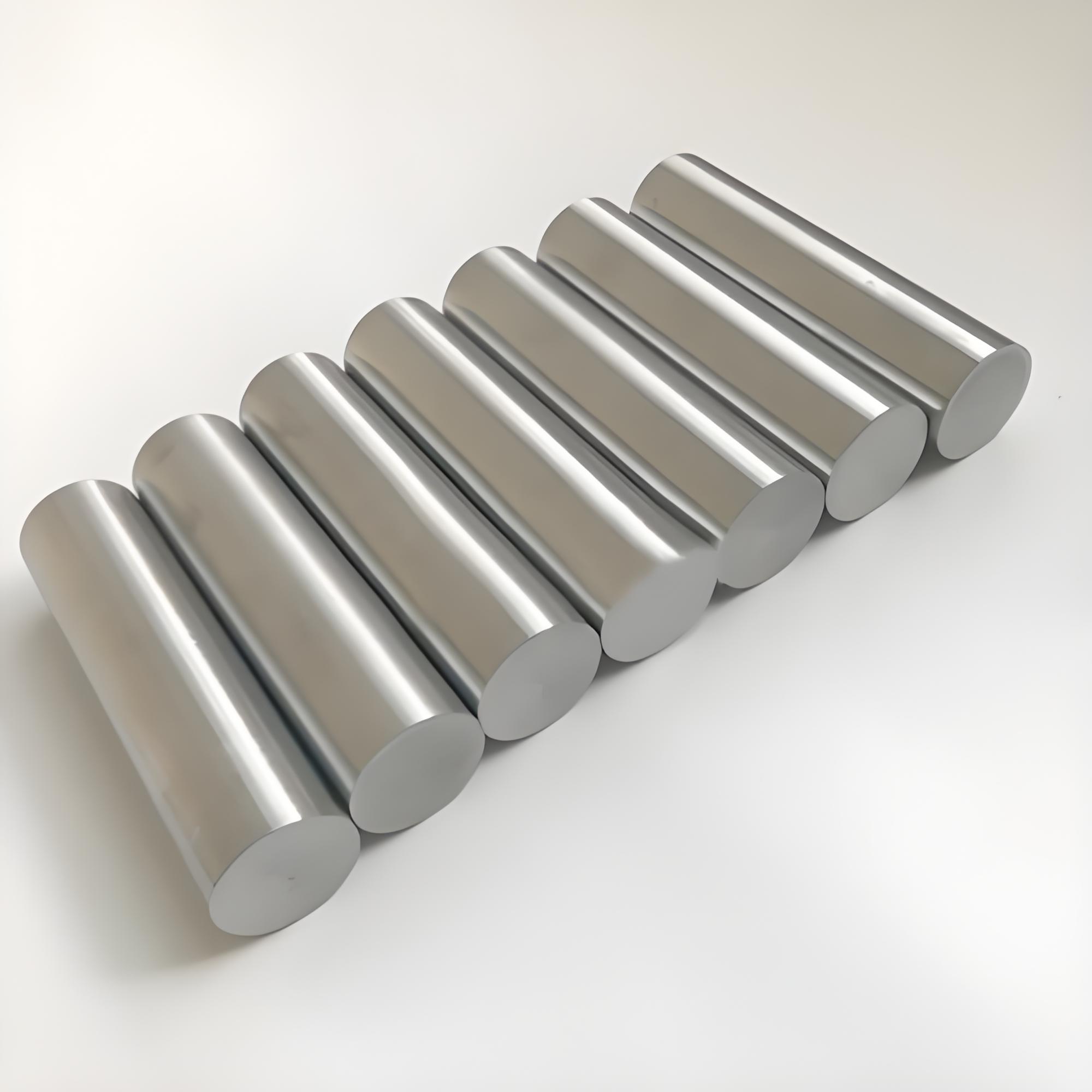
To receive accurate quotations, it is best to provide complete technical parameters upfront. Basic information includes product form (bar, forging, or plate), dimensions (diameter, length, quantity), delivery condition (annealed, solution-treated, or aged), tolerance acceptance, and intended application.
Additionally, clarify whether material certificates, mechanical test reports, ultrasonic testing, surface inspection, heat number traceability, or third-party inspection are required. If these are not specified initially, suppliers may quote based on standard industrial conditions, leading to price adjustments later.
An efficient inquiry process typically includes: first providing grade, size, quantity, condition, and application; then confirming standards and documentation requirements; and finally requesting a breakdown of raw material cost, processing cost, inspection cost, and logistics cost. This helps avoid comparing quotations based on different assumptions.
A common pitfall is comparing only price per kilogram without considering delivery capability. Rene 41 is not universally available, and low prices may come with risks such as unstable delivery, unclear condition control, or incomplete documentation. Especially for time-sensitive or specification-critical projects, delivery capability should be evaluated alongside price.
If customers are not very familiar with Rene 41, the most effective approach is to clearly describe the application scenario. Different applications imply different baseline requirements. For example, laboratory test samples and high-temperature fastener materials require completely different quotation logic. The earlier the factory understands the real application, the more accurate the quotation will be.
What is the typical price per kilogram of Rene 41 bar material?
The common industry reference range is approximately USD 40–75 per kg (for reference only). Standard specifications, medium-to-large quantities, and general industrial requirements usually fall toward the lower end, while small batches, special sizes, aerospace documentation, or additional testing requirements tend toward the higher end.
Why do different suppliers quote such different prices for Rene 41?
The main reason is not the grade itself but differences in quotation scope. Some quote raw material price, others quote net weight after cutting; some include full traceability and documentation, others assume basic industrial certification. Differences in specification, tolerance, heat treatment condition, testing, and documentation depth all contribute to price variation.
What parameters are required to obtain an accurate Rene 41 quotation?
At minimum, provide grade, product form, dimensions, length, quantity, delivery condition, application, and whether testing and certification are required. For high-temperature fasteners, aerospace components, or critical load-bearing parts, it is also advisable to specify ultrasonic testing, mechanical reports, heat number traceability, and third-party inspection. The more complete the information, the more accurate and comparable the quotation will be.
More from this category

Inconel 617 alloy round bar price per kilogram is commonly about USD 45 to 90 per kg for standard industrial stock sizes. Large forged bars, small pre...
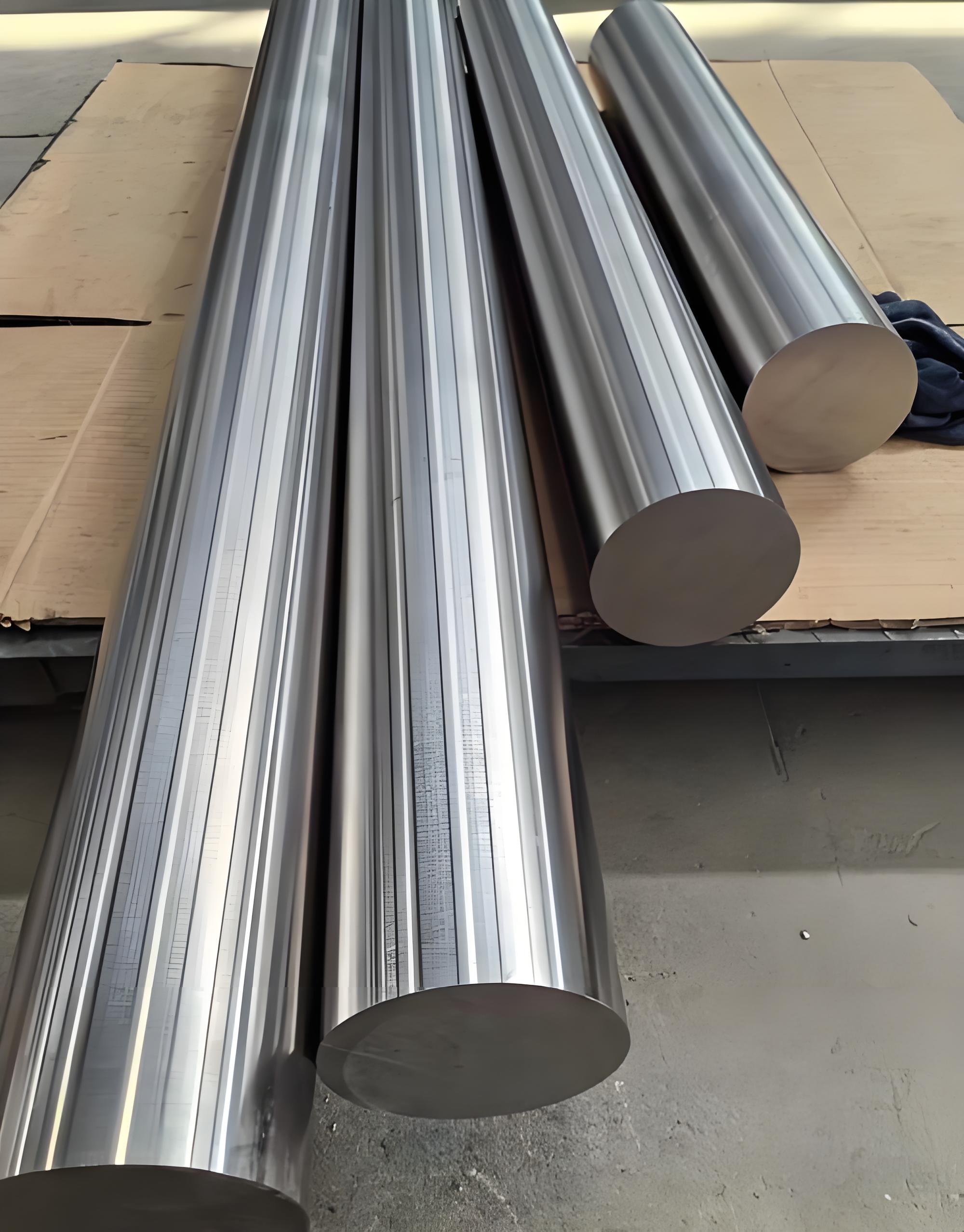
The latest Inconel 625 alloy bar price per kg depends on nickel, molybdenum, niobium, and chromium raw material costs, as well as bar diameter, manufa...
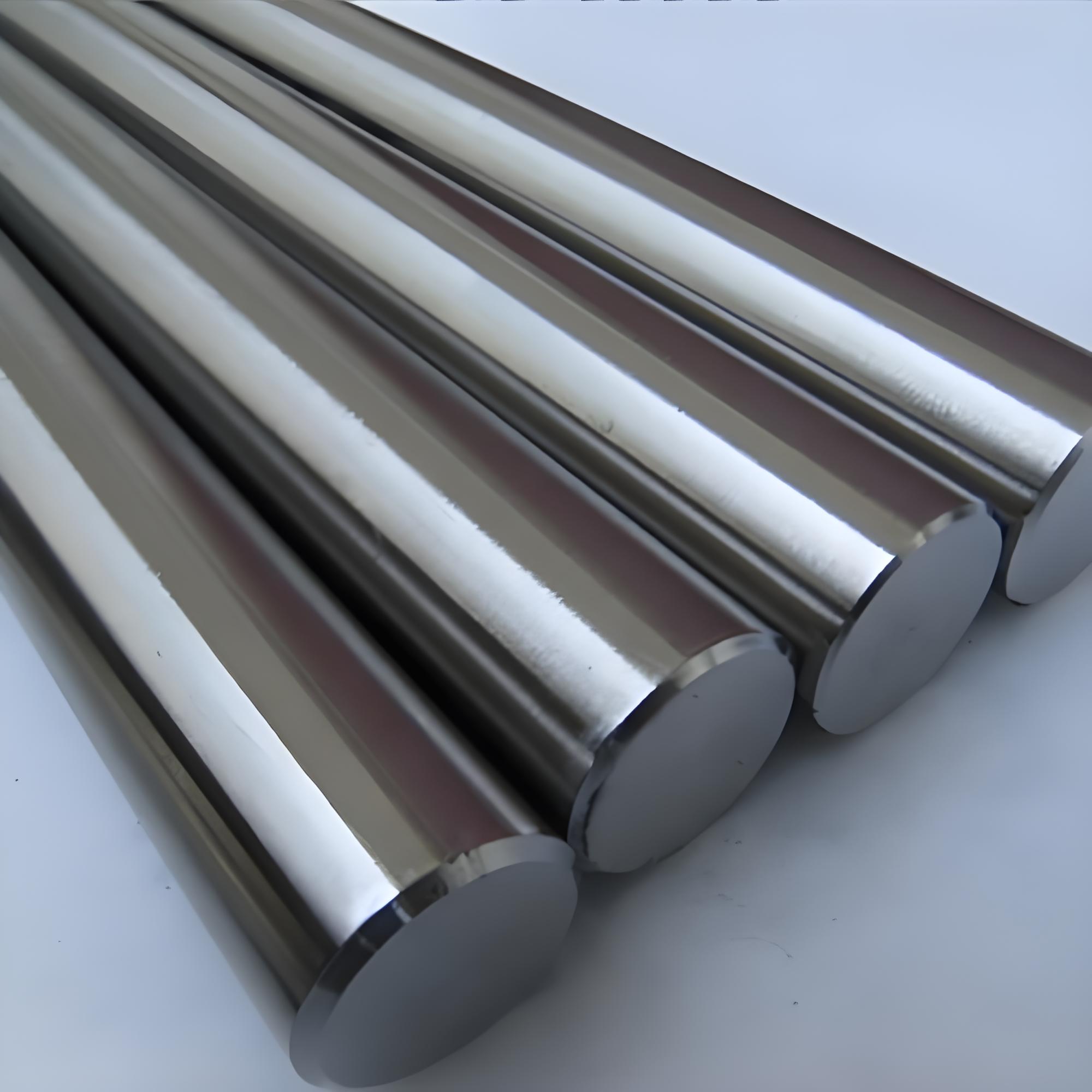
Inconel X-750 alloy bar price depends on nickel raw material cost, bar diameter, product condition, heat treatment, specification, surface finish, dim...
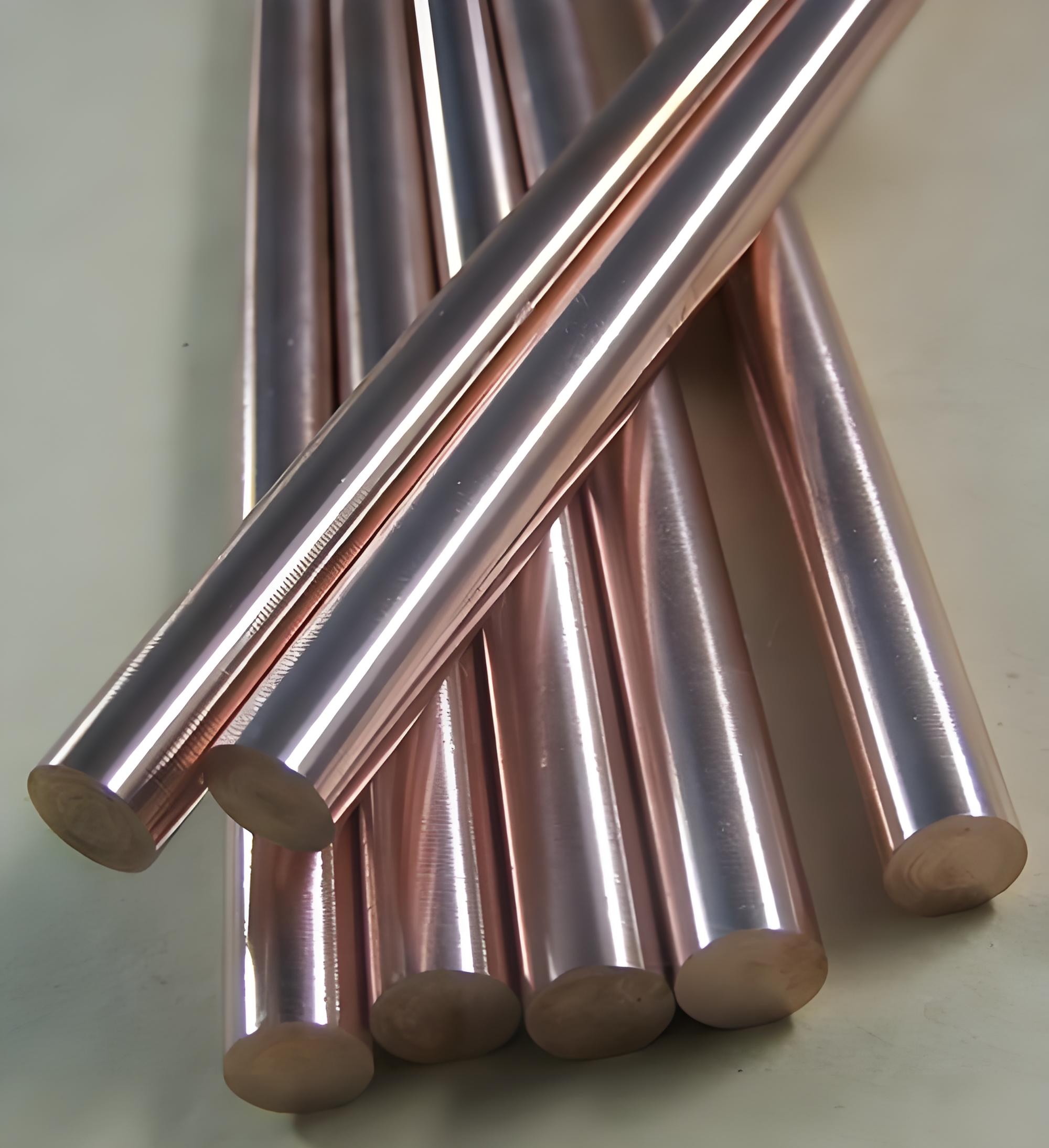
Inconel 602CA alloy bar price per kg is usually higher than common Inconel 600 and Inconel 601 bars because Alloy 602CA is a premium high-temperature ...
 English English
  Korean
 Arabic
 Spanish
 German
 Portuguese
 French
 Russian
 Italian
 Vietnamese