
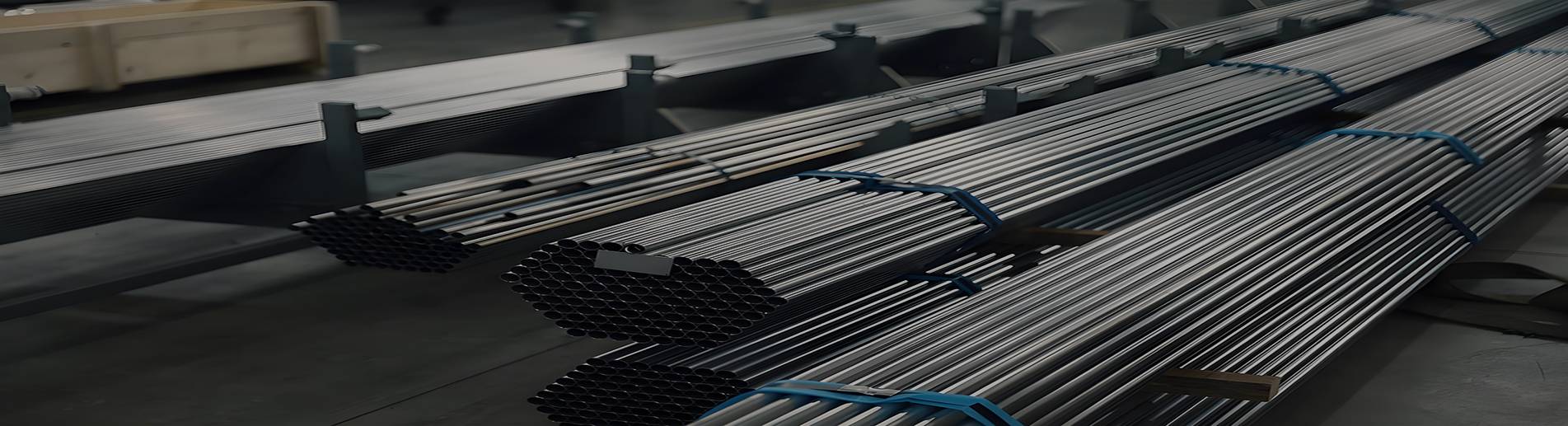
Inconel 617 alloy round bar price per kilogram
Inconel 617 alloy round bar price per kilogram is commonly about USD 45 to 90 per kg for standard industrial stock sizes. Large forged bars, small pre...
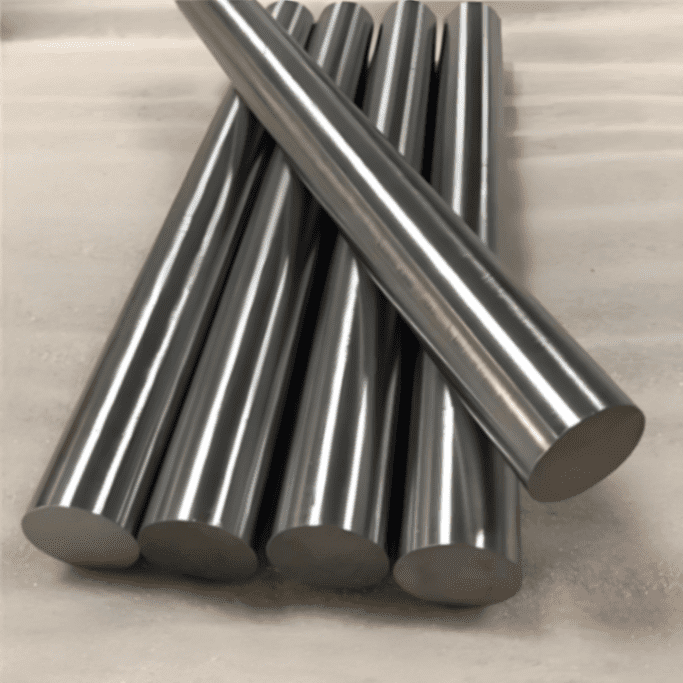
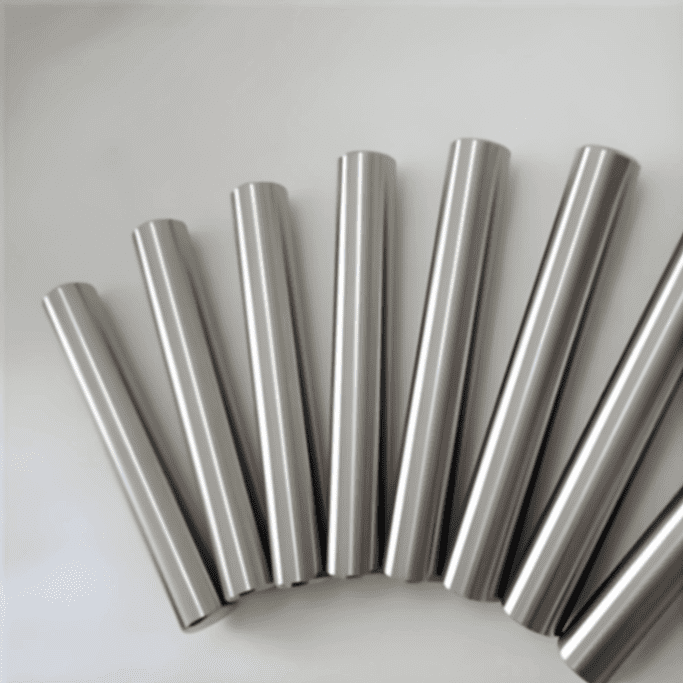
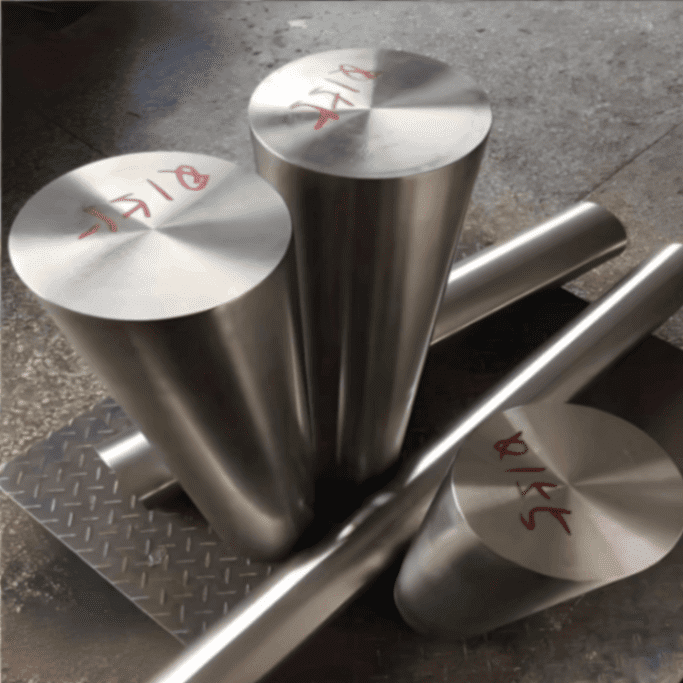
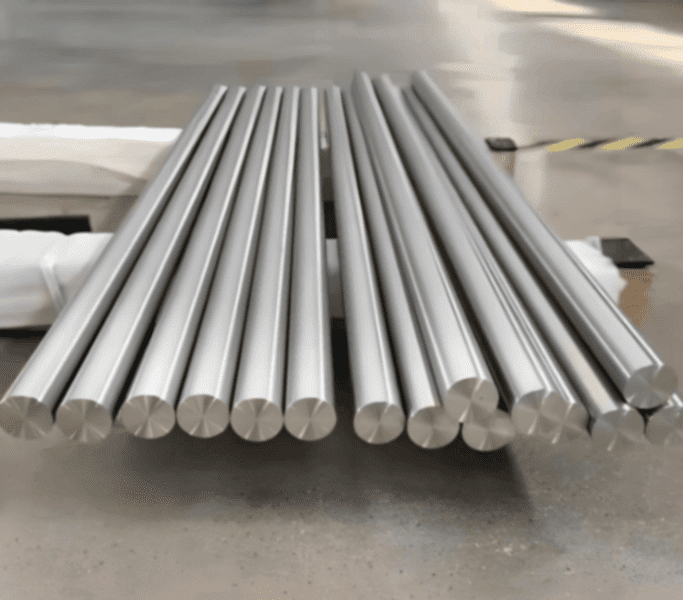
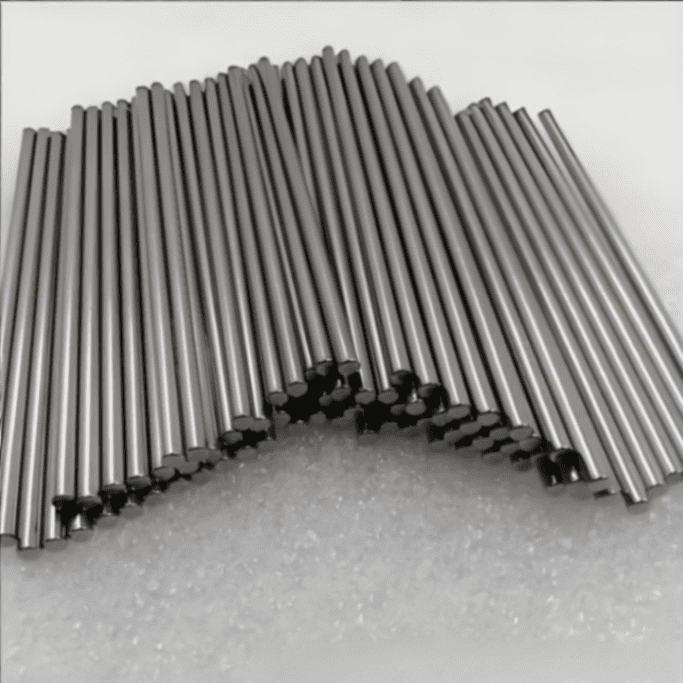
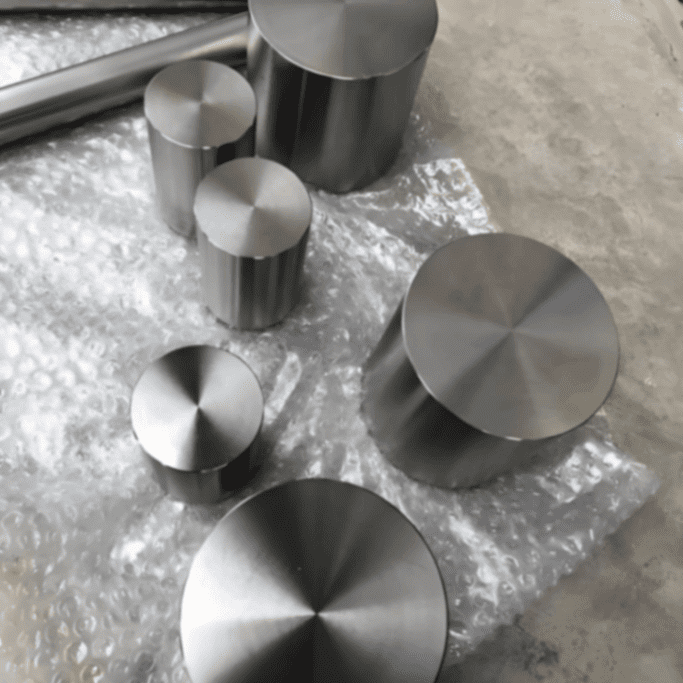
In the actual procurement of nickel-based alloys, purchasing Inconel 625 is not simply about getting the material—it requires evaluating price, specifications, lead time, certification, and batch compatibility at the same time. From our factory’s perspective, what most buyers truly care about is not just a quoted price, but what is included behind that price: whether the raw material quality is stable, whether non-standard dimensions can be produced according to drawings, how much the unit price can decrease with volume, whether inspection documentation is complete, and whether consistency can be maintained for repeat orders. The following content explains the pricing logic and customization capabilities of Inconel 625 from the perspective of our daily order handling and production planning.
Inconel 625 is a nickel-based, high-performance corrosion-resistant alloy strengthened primarily by chromium and molybdenum, with the addition of niobium to enhance solid solution strengthening. Based on our actual production and delivery experience, its most typical feature is not a single outstanding property, but rather a well-balanced combination of performance: high-temperature strength, oxidation resistance, resistance to pitting corrosion, crevice corrosion, and stress corrosion cracking are all reliable.
From a composition design perspective, the advantages of 625 come from the inherent stability of the nickel matrix combined with the synergistic effect of Cr-Mo-Nb. In marine environments, chemical processing media, chloride-containing environments, wet flue gas desulfurization systems, and high-temperature piping, it typically offers a longer service life than standard stainless steels. Especially in conditions requiring both corrosion resistance and structural strength, Inconel 625 is widely used.
Common applications we encounter in our factory include: fasteners and downhole components in oil and gas, offshore platform and seawater system parts, chemical pump and valve components, high-temperature parts around aircraft engines, bellows, heat treatment fixtures, flanges, forged rings, corrosion-resistant shafts, and welded structures. For many overseas customers, 625 is not the lowest-cost material, but often the “lowest lifecycle cost” option, as it significantly reduces repair, corrosion failure, and downtime risks.
In terms of supply forms, Inconel 625 is commonly available as round bars, plates, pipes, wires, forgings, and welding materials. Our factory frequently supplies round bars, forgings, and machined blanks based on customer drawings. For buyers, having the same alloy grade does not mean identical supply condition—solution treatment state, hot working condition, inspection requirements, dimensional tolerances, and surface finish all directly impact price and lead time.
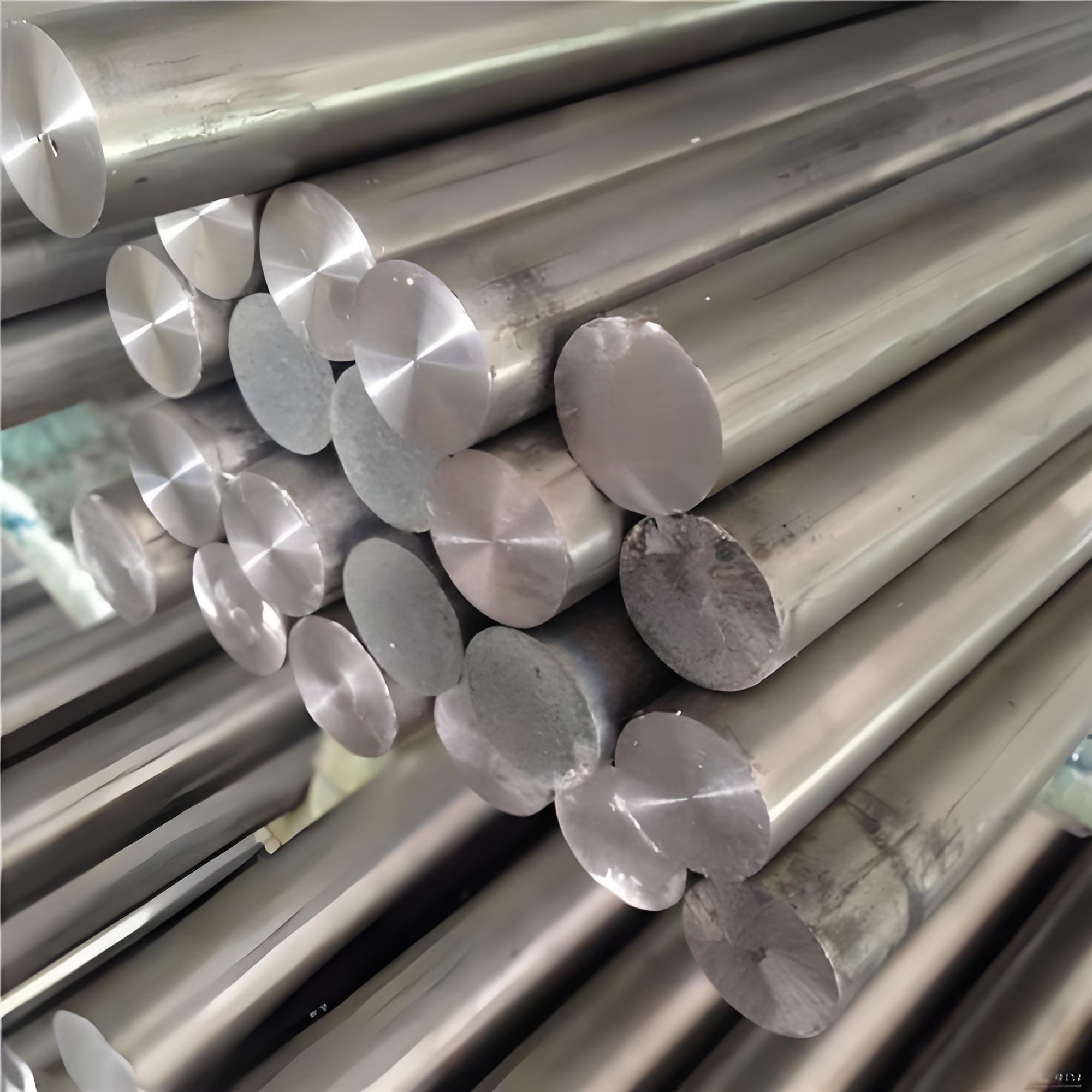
From a pricing mechanism perspective, the key difference between factory-direct supply and trader quotations is not that “factory is always cheaper,” but that the price structure is more transparent. As a manufacturing supplier like Shanghai NC Metal Materials Co., Ltd., we typically break down costs into raw materials, melting/forging, heat treatment, machining, inspection, packaging, and logistics. When specifications are clearly defined, factory quotations are usually closer to actual production costs.
Pricing for bulk orders generally depends on several key factors: first, dimensions—large diameters, small quantities, and non-standard lengths usually result in higher prices; second, production route—if materials can be cut directly from standard forged or rolled stock, pricing is significantly better than fully custom processes requiring re-forging, heat treatment, and machining; third, certification requirements—ultrasonic testing, third-party inspection, and special industry certifications increase cost per ton.
Many customers compare factory prices with traders or distributors. Objectively, traders have advantages in inventory integration, flexible order quantities, and convenience for multi-size small orders. However, for medium-to-large volumes with concentrated specifications and high consistency requirements, factories typically offer better pricing. The reason is simple: fewer intermediaries, less re-handling, reduced repacking, re-inspection, and inventory holding costs.
In our daily operations, once an order reaches production scale, factories can reduce unit manufacturing costs through heat batching, forging batch optimization, and unified heat treatment. This level of cost optimization is not always achievable through trading channels, which are mainly inventory-driven.
Based on current industry ranges, the reference export prices for Inconel 625 round bars are as follows (for estimation only, not fixed transaction prices):
| Product Form | Common Specification | Reference Price (For Reference Only) |
| 625 Round Bar | Small to medium standard sizes | Approx. USD 28–45/kg |
| 625 Forgings / Custom Materials | Per drawing or special tolerances | Approx. USD 35–60/kg |
If aerospace-grade documentation, ultrasonic testing, PMI, full mechanical reports, or third-party inspection are required, pricing will typically increase. This is not simply a profit markup, but reflects additional inspection and process control costs.
For high-value nickel alloys like Inconel 625, quantity has a significant impact on price, but not in a simple linear way. Factories first evaluate whether an order meets the “effective production batch size.” If the quantity is too small, material loss, tooling changes, forging allowances, heat treatment loading costs, and inspection costs cannot be effectively distributed, resulting in higher unit prices.
For example, purchasing a single bar or a small test batch is typically priced based on cutting and small-batch cost structures. When quantities increase to several hundred kilograms or above one ton, production can be arranged within the same heat or batch, improving pricing competitiveness. Annual demand at multi-ton levels can further stabilize pricing ranges.
| Order Quantity | Typical Supply Mode | Reference Price (For Reference Only) |
| 50–200 kg | Stock cutting or trial batch | Approx. USD 38–55/kg |
| 500 kg–3 tons | Standard production or batch processing | Approx. USD 28–42/kg |
Long-term cooperation is not just about “buying more for lower prices.” From a factory perspective, annual framework agreements allow better raw material preparation, production scheduling, and reduced losses from frequent specification changes. This creates more sustainable pricing advantages compared to one-time negotiation.
The difficulty in procuring Inconel 625 often lies not in the material itself, but in customization. Standard market inventory mainly covers common sizes, but real projects frequently require extra-long, extra-short, tight tolerances, specific machining allowances, or non-standard shapes. In such cases, the factory’s capability in forging, heat treatment, and machining directly determines delivery efficiency.
For round bars, we can cover a wide range of diameters, from small precision-rolled bars to large forged diameters. Length can be fixed, multiple, or random. For machining customers, we clarify whether delivery should be black surface, turned, or ground, as this affects final tolerances and surface condition.
For tight tolerances such as h9 or h11, machining processes must be carefully evaluated. With high-cost alloys, avoiding unnecessary machining and excessive allowances is critical. Providing only finished dimensions without specifying machining allowance often leads to significant quotation differences.
For Inconel 625 used in high-risk applications, meeting chemical composition alone is far from sufficient. Buyers require a complete quality chain: traceable raw material origin, clear heat treatment condition, recorded dimensional inspection, verified mechanical testing, and batch traceability to specific heat numbers and inspection documents.
Standard factory documentation typically includes MTC, chemical composition reports, mechanical property reports, dimensional inspection records, and heat treatment details. For export or critical projects, additional reports such as PMI, ultrasonic testing, hardness testing, and grain size analysis can also be provided.
Lead time for Inconel 625 mainly depends on stock availability and whether the order is standard or fully customized. Stock materials can be processed and shipped quickly, while custom forgings or special requirements significantly extend production cycles.
Custom production involves raw material preparation, forging, solution treatment, machining, and inspection. Additional requirements such as third-party inspection or export packaging further extend timelines.
Factory-direct shipping reduces handling steps, minimizing risks of surface damage, label loss, and material mix-up. For high-value alloys, proper packaging is critical, especially for turned or polished bars.
To obtain an executable and accurate quotation, the most important factor is not asking more suppliers, but providing complete and precise parameters upfront. Factories need clear specifications to avoid repeated recalculations of price and lead time.
Key parameters include: product form (bar, forging, plate), material grade (Inconel 625 / UNS N06625), dimensions, quantity, delivery condition, inspection requirements, documentation requirements, and packaging/logistics details.
For custom parts, drawings are highly recommended. This allows the factory to determine the optimal production route, whether forging, machining, or near-net shaping.
What is the price per kg of Inconel 625?
For standard round bars, typical export prices range from USD 28–45/kg. For small batches, custom sizes, special inspections, or forgings, prices may range from USD 35–60/kg. Prices are for reference only and depend on specifications and requirements.
Is Inconel 625 available in stock or always custom-made?
Common sizes may be available in stock, but many specifications—especially large diameters, tight tolerances, and certified materials—require custom production.
What is the typical lead time for custom Inconel 625?
Stock orders are relatively fast, while custom production involving forging, heat treatment, machining, and inspection takes longer. Lead time also depends on additional requirements such as third-party inspection and export packaging.
More from this category
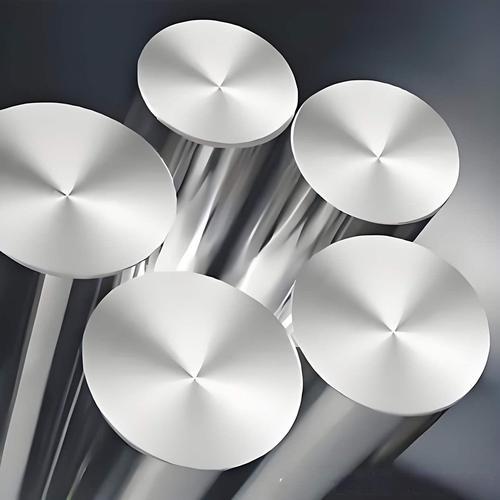
Inconel 617 alloy round bar price per kilogram is commonly about USD 45 to 90 per kg for standard industrial stock sizes. Large forged bars, small pre...
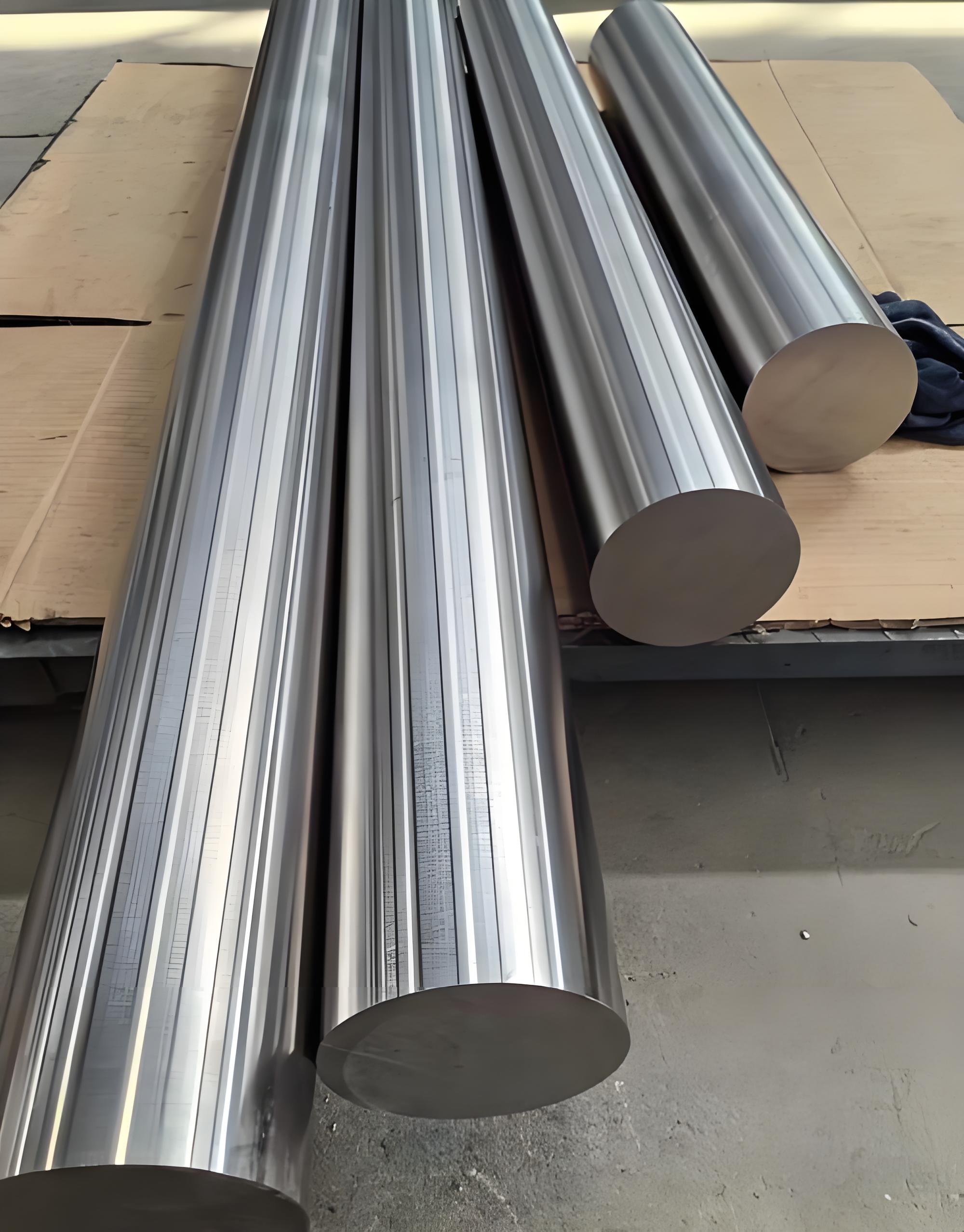
The latest Inconel 625 alloy bar price per kg depends on nickel, molybdenum, niobium, and chromium raw material costs, as well as bar diameter, manufa...
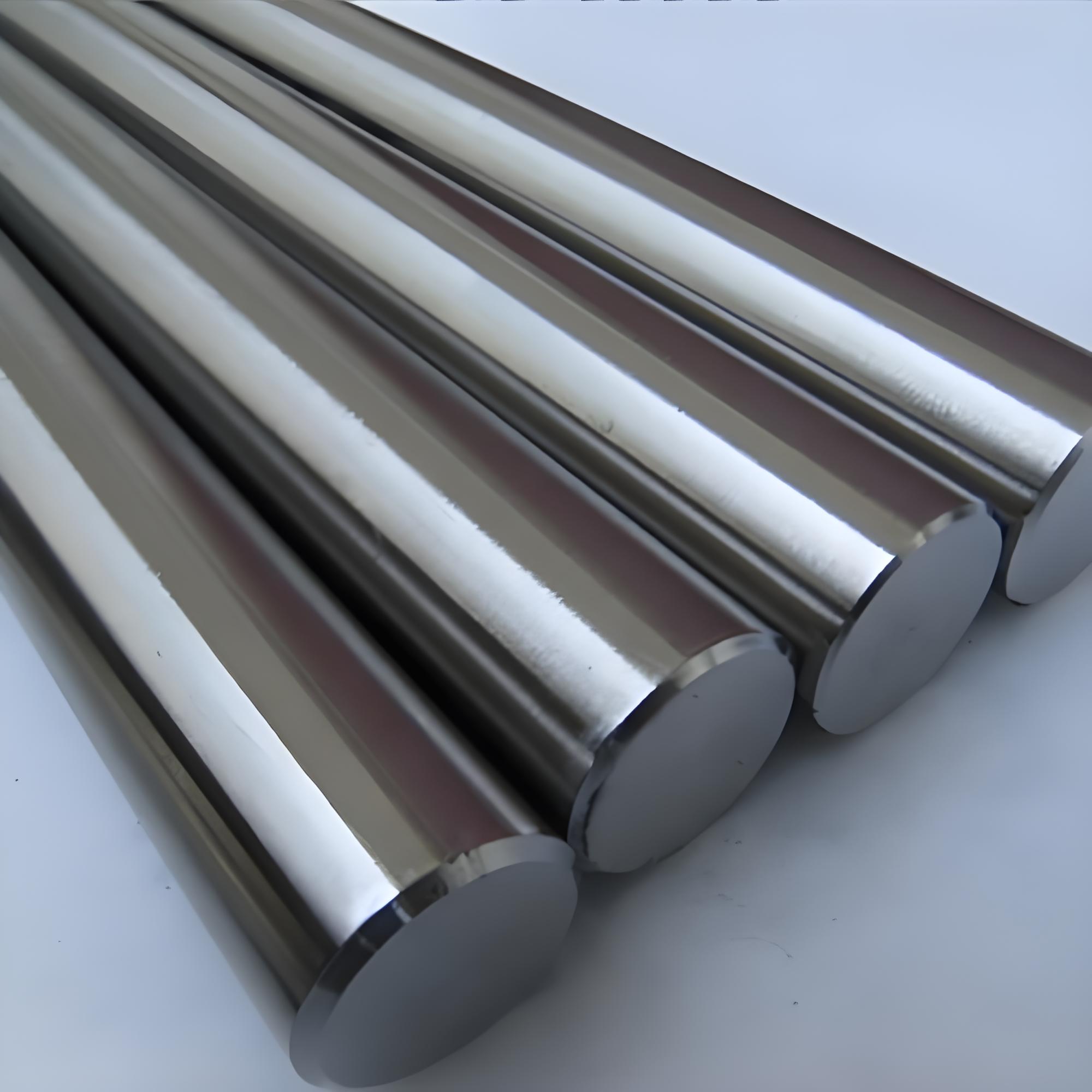
Inconel X-750 alloy bar price depends on nickel raw material cost, bar diameter, product condition, heat treatment, specification, surface finish, dim...
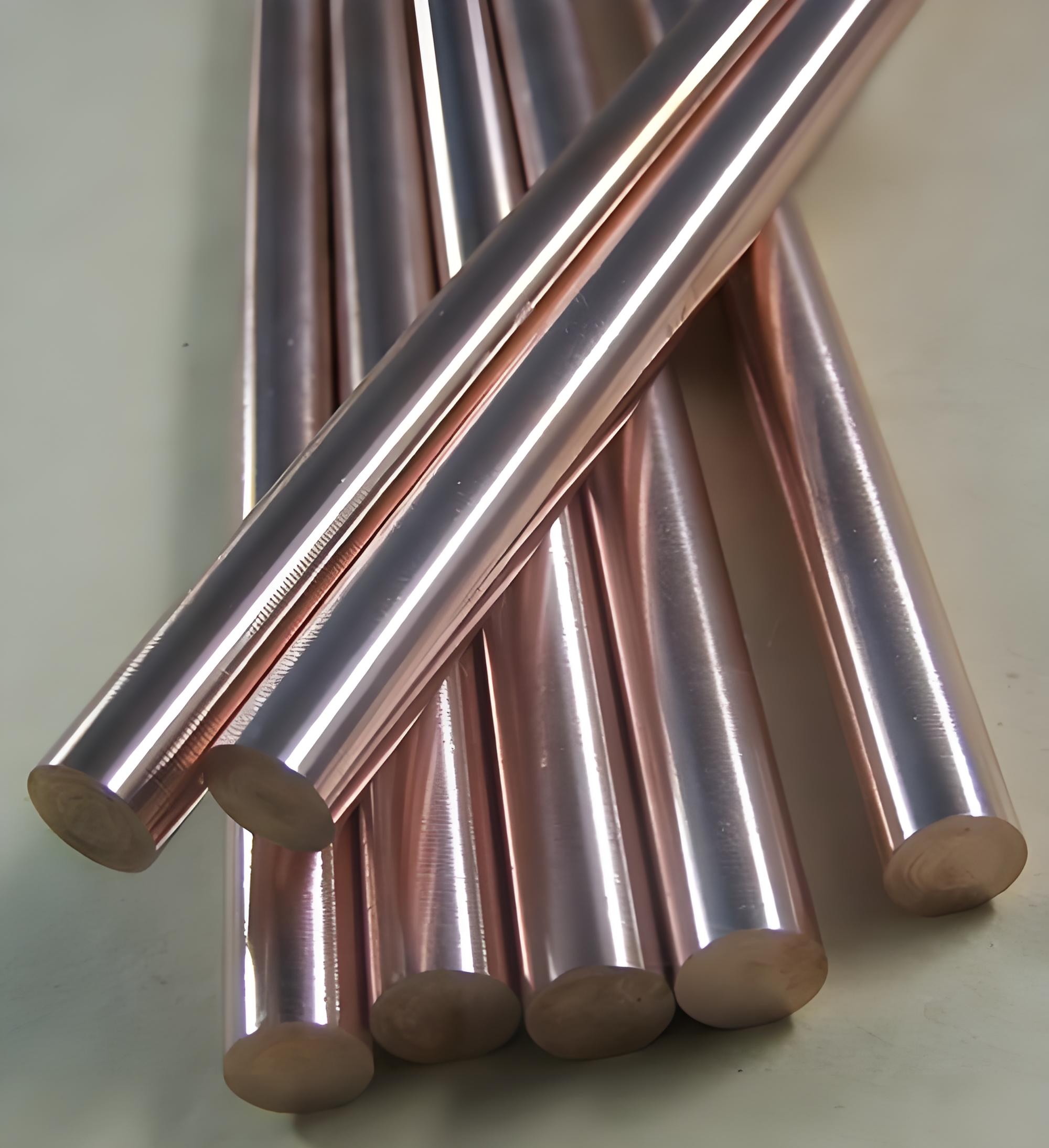
Inconel 602CA alloy bar price per kg is usually higher than common Inconel 600 and Inconel 601 bars because Alloy 602CA is a premium high-temperature ...
 English English
  Korean
 Arabic
 Spanish
 German
 Portuguese
 French
 Russian
 Italian
 Vietnamese