
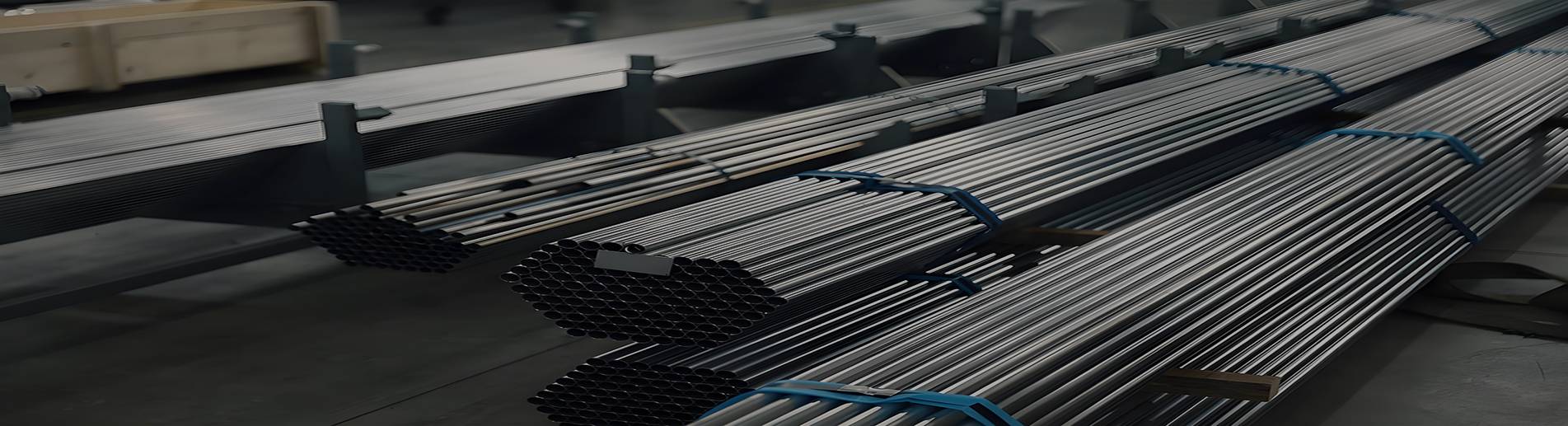
Inconel 617 alloy round bar price per kilogram
Inconel 617 alloy round bar price per kilogram is commonly about USD 45 to 90 per kg for standard industrial stock sizes. Large forged bars, small pre...
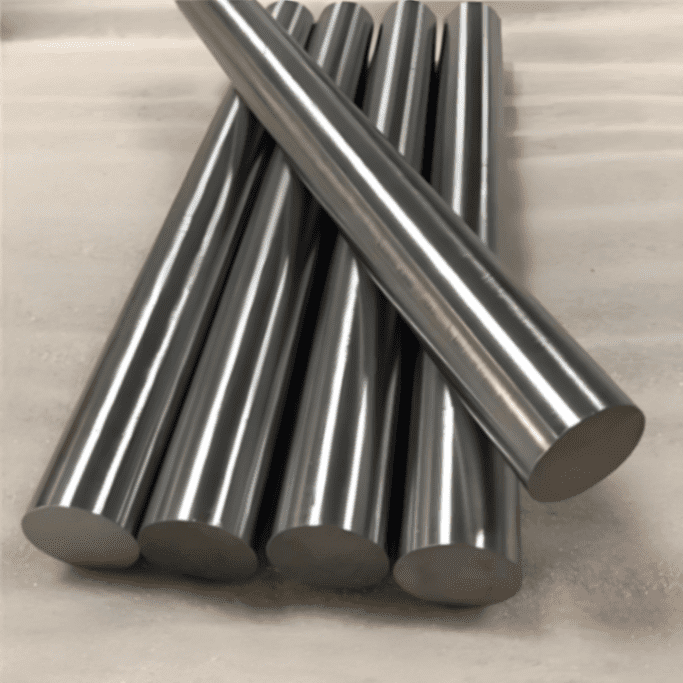
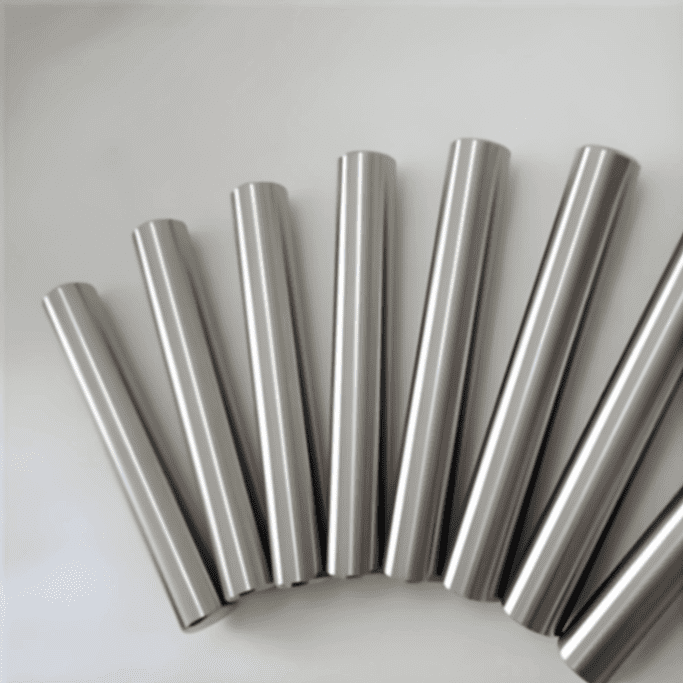
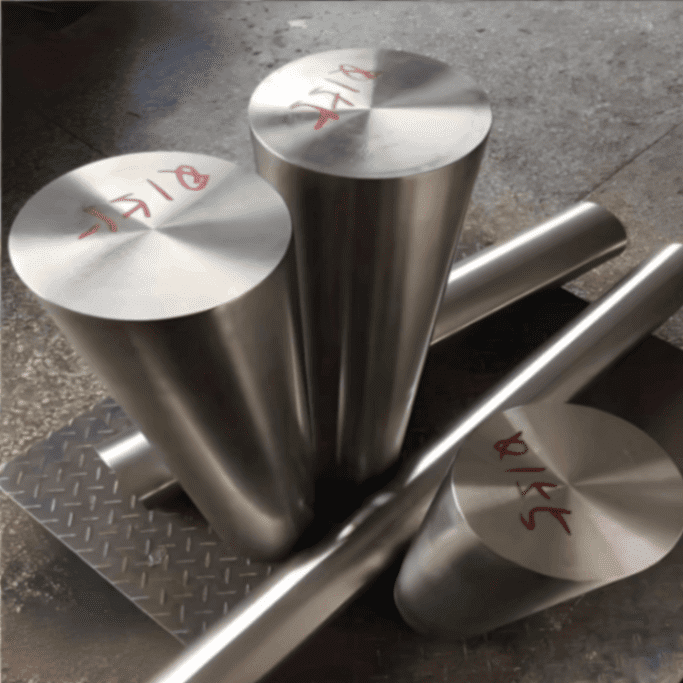
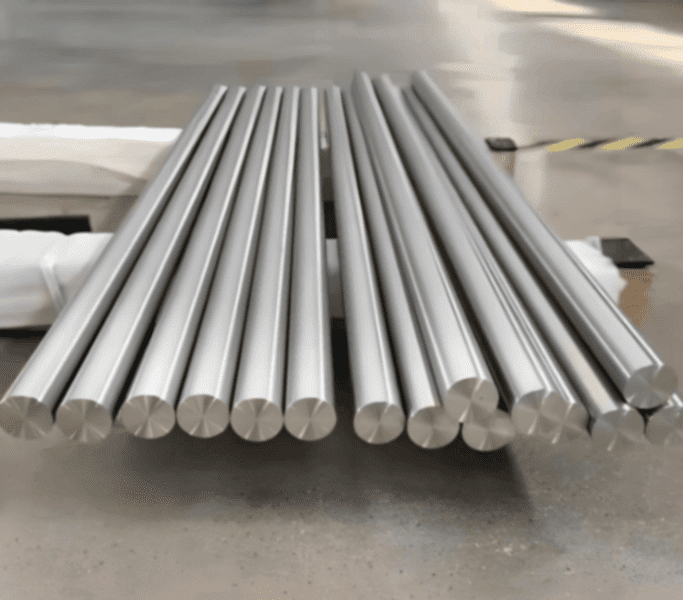
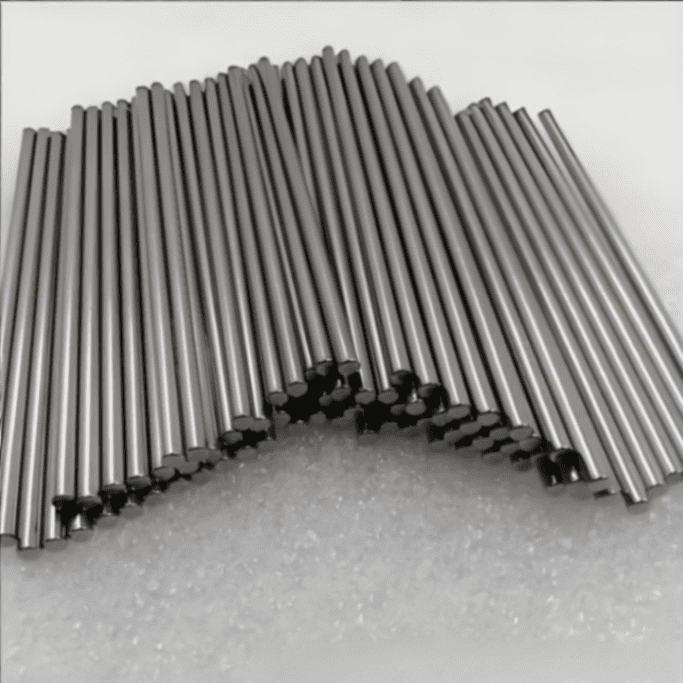
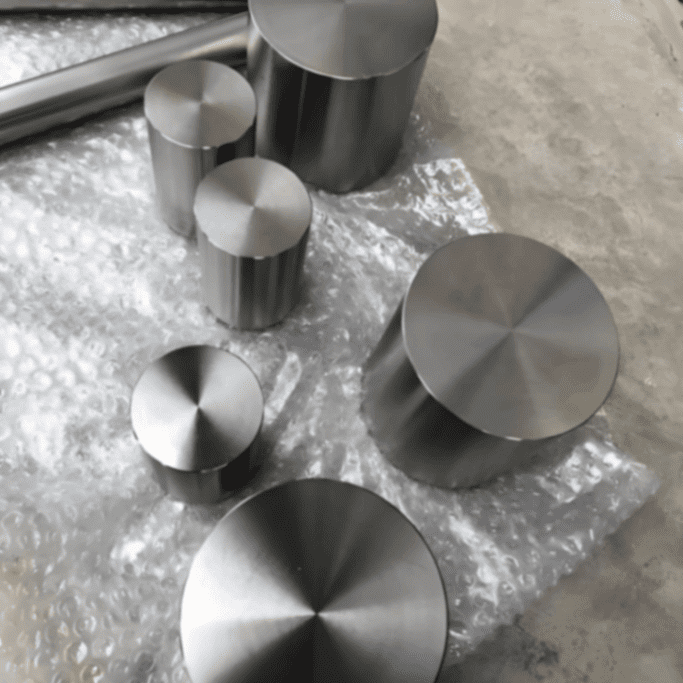
In our daily work with nickel-based superalloy orders, Rene 41 and Inconel 718 are often compared side by side, especially when selecting bar stock. Procurement, design, and machining teams usually focus on different priorities—some look first at high-temperature strength, others at weldability, while some are more concerned with heat treatment consistency and delivery stability. From the practical supply and processing experience of Shanghai NC Metal Materials Co., Ltd., both alloys are mature nickel-based superalloys, but the comparison is not simply about which is “better.” Each has clear boundaries in terms of temperature range, manufacturing difficulty, service risk, and cost structure.
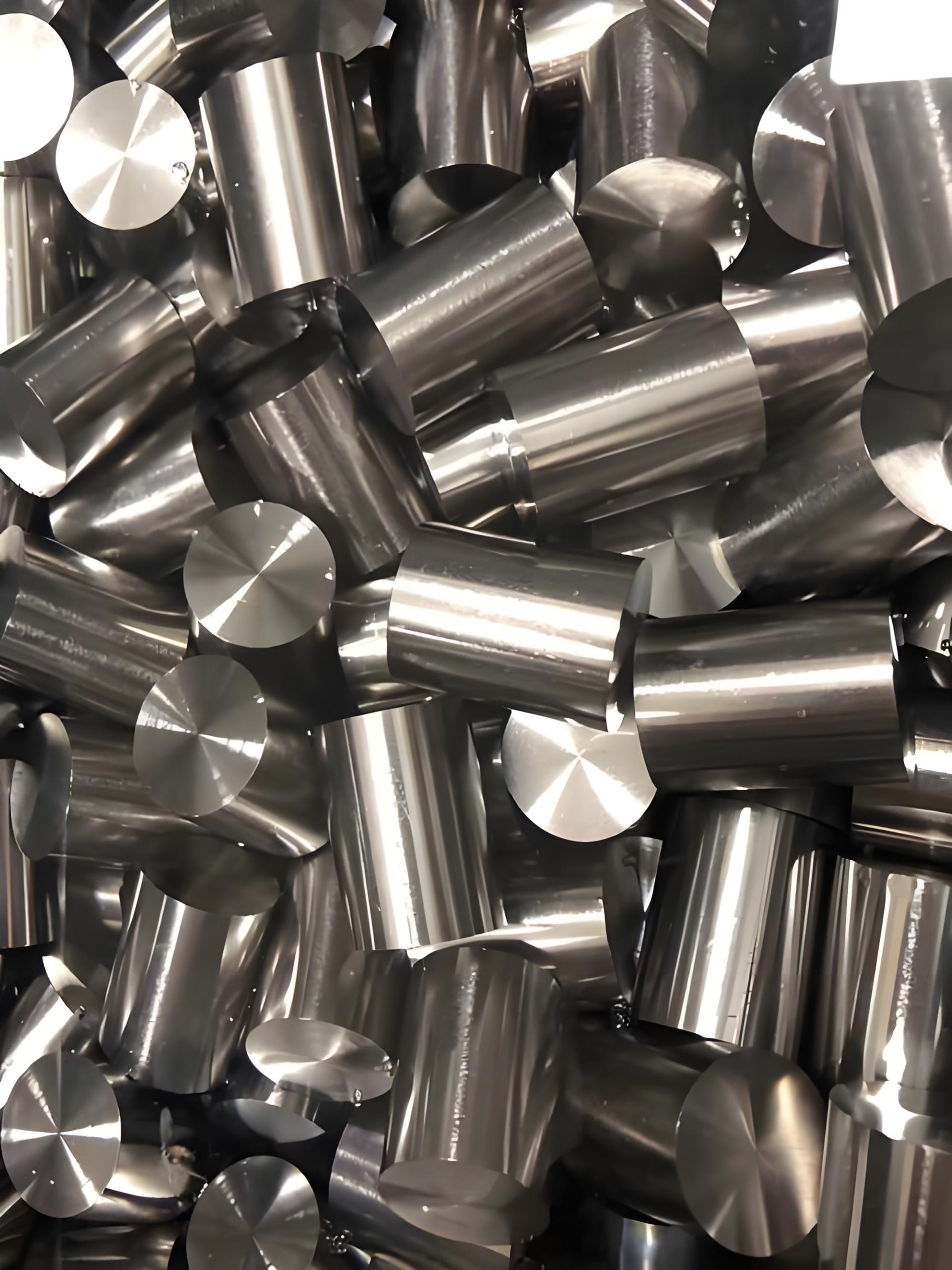
Rene 41 is a typical precipitation-strengthened nickel-based superalloy, long used in aerospace components requiring high-temperature strength and creep resistance. Its key feature is strong high-temperature performance, particularly in the 650°C to 980°C range, making it suitable for hot-section structural parts. When producing Rene 41 bar stock, we pay close attention to melting cleanliness, hot working, and aging structure stability, as the alloy is sensitive to process variations.
Inconel 718, by contrast, is one of the most widely used nickel-based superalloys in industry. It is also precipitation-strengthened, primarily through γ” and γ’ phases. Compared to many harder superalloys, 718 offers excellent balance: high strength, good weldability, forgeability, relatively better machinability, and a well-established heat treatment process. This is why it is widely accepted in aerospace engines, energy equipment, pressure vessels, and high-reliability fasteners.
In simple factory terms, Rene 41 is designed to achieve higher temperature strength at the cost of more difficult processing, while 718 represents a successful balance between strength, manufacturability, and cost. That’s why during early technical discussions, we don’t just ask which alloy is needed—we ask about actual service temperature, load type, welding requirements, and whether large bar stock will undergo deep machining.
Although both alloys are nickel-based superalloys, their design philosophies differ. Rene 41 contains higher levels of cobalt and molybdenum, along with aluminum and titanium for strengthening, giving it better structural stability and strength at elevated temperatures. Inconel 718 relies on higher niobium content, combined with titanium and aluminum, to achieve a balance between strength and manufacturability.
| Alloy | Main Elements | Characteristics |
| Rene 41 | Ni, Cr, Co, Mo, Ti, Al | Higher Co and Mo, focused on high-temperature strength and creep resistance |
| Inconel 718 | Ni, Cr, Fe, Nb, Mo, Ti, Al | High Nb content, better balance of performance and processability |
From a manufacturing perspective, composition differences directly affect production challenges. Rene 41 is more sensitive to hot working temperature and structure control, increasing the risk of poor grain structure and inconsistent heat treatment results. While 718 is still difficult to machine, it is significantly easier to manufacture compared to Rene 41.
At room temperature, both alloys exhibit high strength, but the real difference appears at elevated temperatures. Rene 41 maintains higher tensile and yield strength at higher temperatures, especially under long-term stress or centrifugal loads. This makes it attractive for applications requiring high-temperature strength reserves.
Inconel 718 performs exceptionally well up to around 650°C, offering stable and repeatable mechanical properties. One key advantage is consistency across batches, making it ideal for large-scale industrial production.
In terms of creep and stress rupture performance, Rene 41 generally performs better at higher temperatures and longer service durations. In contrast, 718 shows earlier performance degradation at extreme temperatures.
| Alloy | Strength Characteristics | Creep/Stress Rupture |
| Rene 41 | Higher strength retention at elevated temperatures | Better long-term performance at higher temperatures |
| Inconel 718 | Excellent and stable medium-high temperature strength | Suitable for long-term service, but less capable at extreme temperatures |
In practice, we always remind customers not to focus only on tensile strength. Long-term performance—creep rate, stress relaxation, and rupture life—is often more critical for load-bearing components.
Rene 41 is designed for higher temperature stability, making it suitable for hotter operating environments. In general, 718 is ideal for medium-to-high temperature applications, while Rene 41 extends into higher temperature ranges.
Both alloys offer good oxidation resistance due to their chromium content. However, in complex environments involving corrosion, sulfur exposure, or thermal cycling, differences become more significant. Rene 41 excels in strength but is not automatically superior in all corrosion conditions.
Inconel 718 has an advantage in its extensive service data and proven reliability, making it easier for engineers to predict performance and failure modes.
Both alloys are difficult to machine due to work hardening, low thermal conductivity, and rapid tool wear. However, Rene 41 is more challenging, especially for large diameters, deep holes, or precision components. Machining parameters must be carefully controlled.
Inconel 718 is still difficult but more manageable, allowing more stable manufacturing processes. This directly affects cost, yield, and lead time.
In terms of heat treatment, both rely on solution treatment and aging. Rene 41 requires stricter process control, while 718 benefits from more standardized and widely proven heat treatment procedures.
Weldability is a key difference. Inconel 718 has relatively good weldability and is less prone to cracking, making it suitable for welded structures and repair welding.
Rene 41 is more prone to weld cracking, especially in thick sections or high-stress areas. Welding should be minimized, and if necessary, strict control of welding parameters and post-weld heat treatment is required.
For applications requiring future repair welding, 718 is usually the safer choice due to better maintainability.
Rene 41 is commonly used in high-temperature bolts, aerospace components, missile systems, and load-bearing hot-section parts. It is often selected for critical applications where failure is unacceptable.
Inconel 718 has broader applications, including turbine disks, compressor components, pressure vessels, fasteners, and energy sector equipment. Its key advantage is reliable mass production.
For bar applications, 718 is widely used for shafts, rings, and standard fasteners, while Rene 41 is typically used in specialized, high-performance applications.
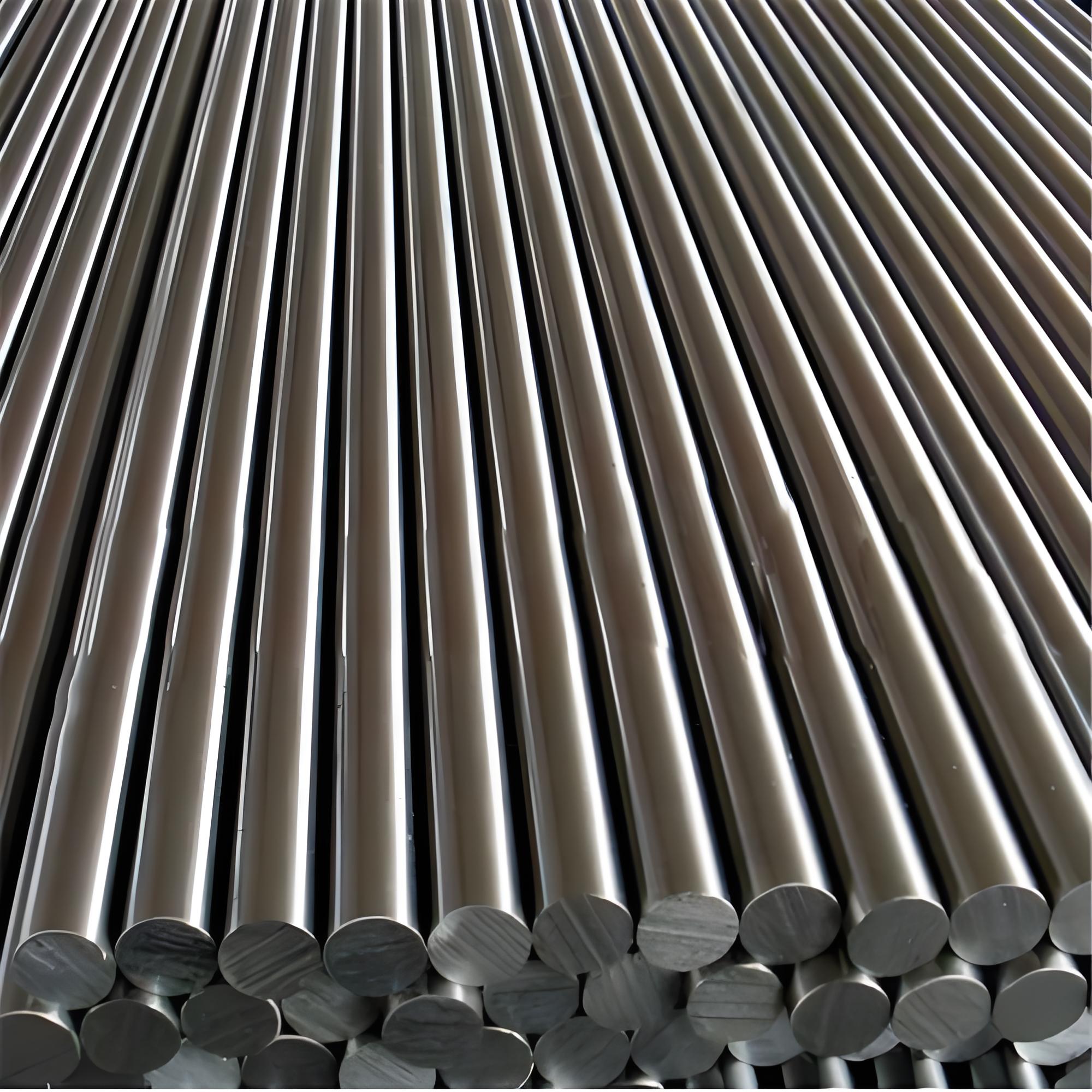
If the priority is higher temperature strength, creep resistance, and long-term stability—and higher manufacturing cost is acceptable—Rene 41 is the better choice.
If the project requires a balance of strength, manufacturability, weldability, and cost, Inconel 718 is usually the more practical option.
Key selection questions include: long-term service temperature, load type, manufacturing method, and whether performance limits or production consistency is more important.
In terms of raw material price, Rene 41 is generally more expensive than 718, especially for high-purity or small-batch orders. Typical reference prices:
Actual prices depend on melting method, size, inventory, testing requirements, and order quantity.
Which is better for high-temperature bolts?
Rene 41 is preferred for higher temperature and long-term load applications. For lower temperatures and easier manufacturing, 718 is more economical and reliable.
Can Inconel 718 replace Rene 41?
In some medium-temperature applications, yes. However, for high-temperature creep-critical applications, 718 may not fully replace Rene 41.
What is often overlooked in bar procurement?
The delivery condition and compatibility with downstream processing. Issues often arise from unclear requirements on heat treatment, grain size, inspection level, and machining sequence.
More from this category
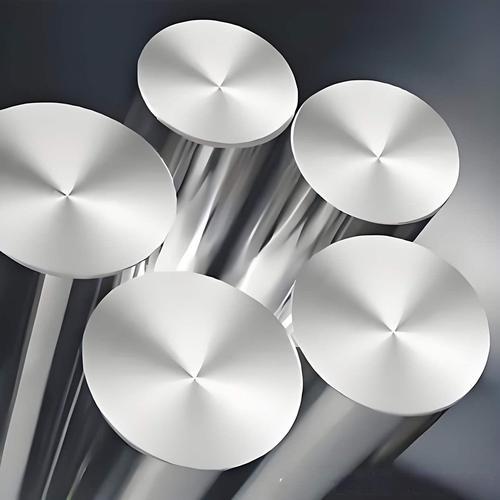
Inconel 617 alloy round bar price per kilogram is commonly about USD 45 to 90 per kg for standard industrial stock sizes. Large forged bars, small pre...
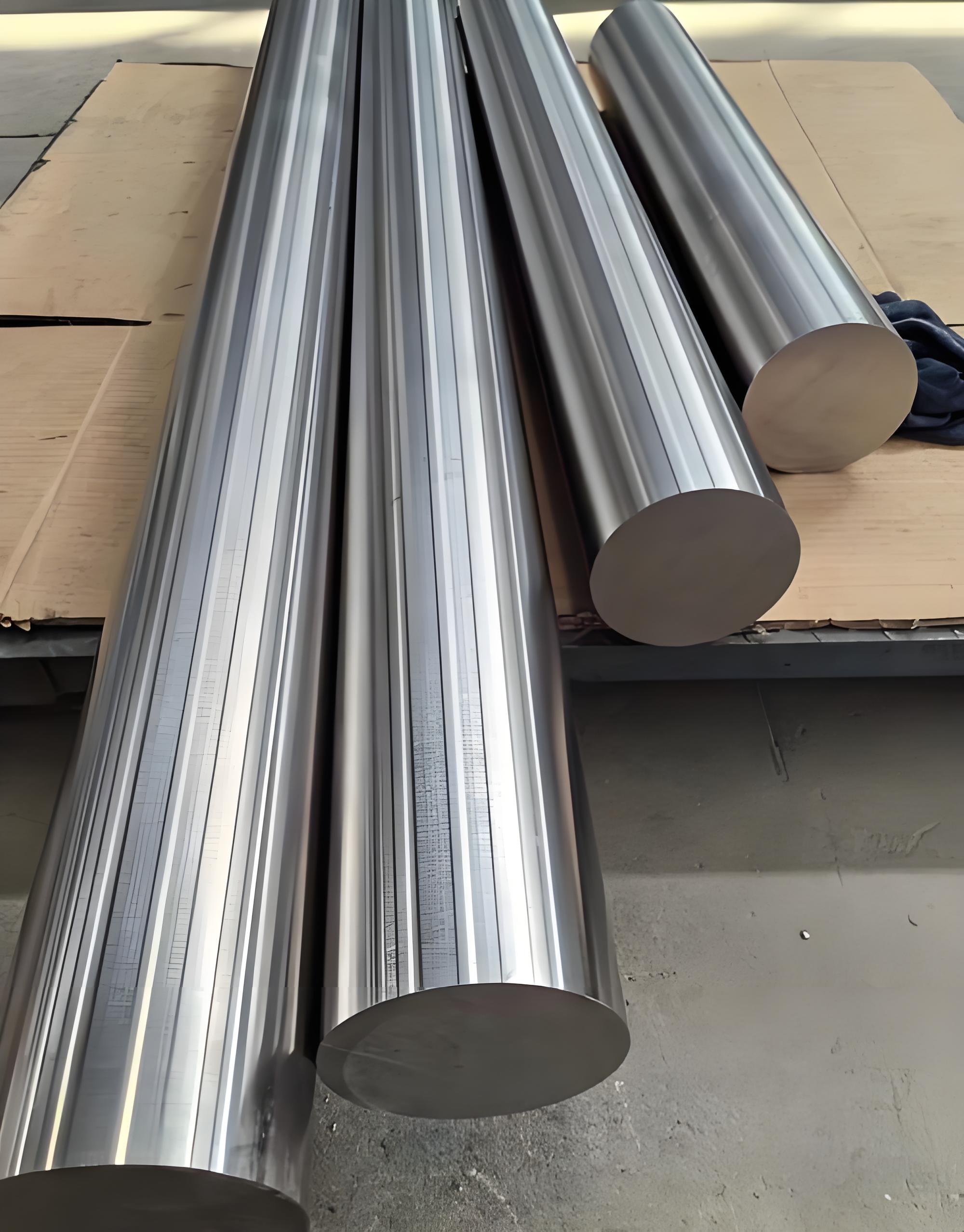
The latest Inconel 625 alloy bar price per kg depends on nickel, molybdenum, niobium, and chromium raw material costs, as well as bar diameter, manufa...
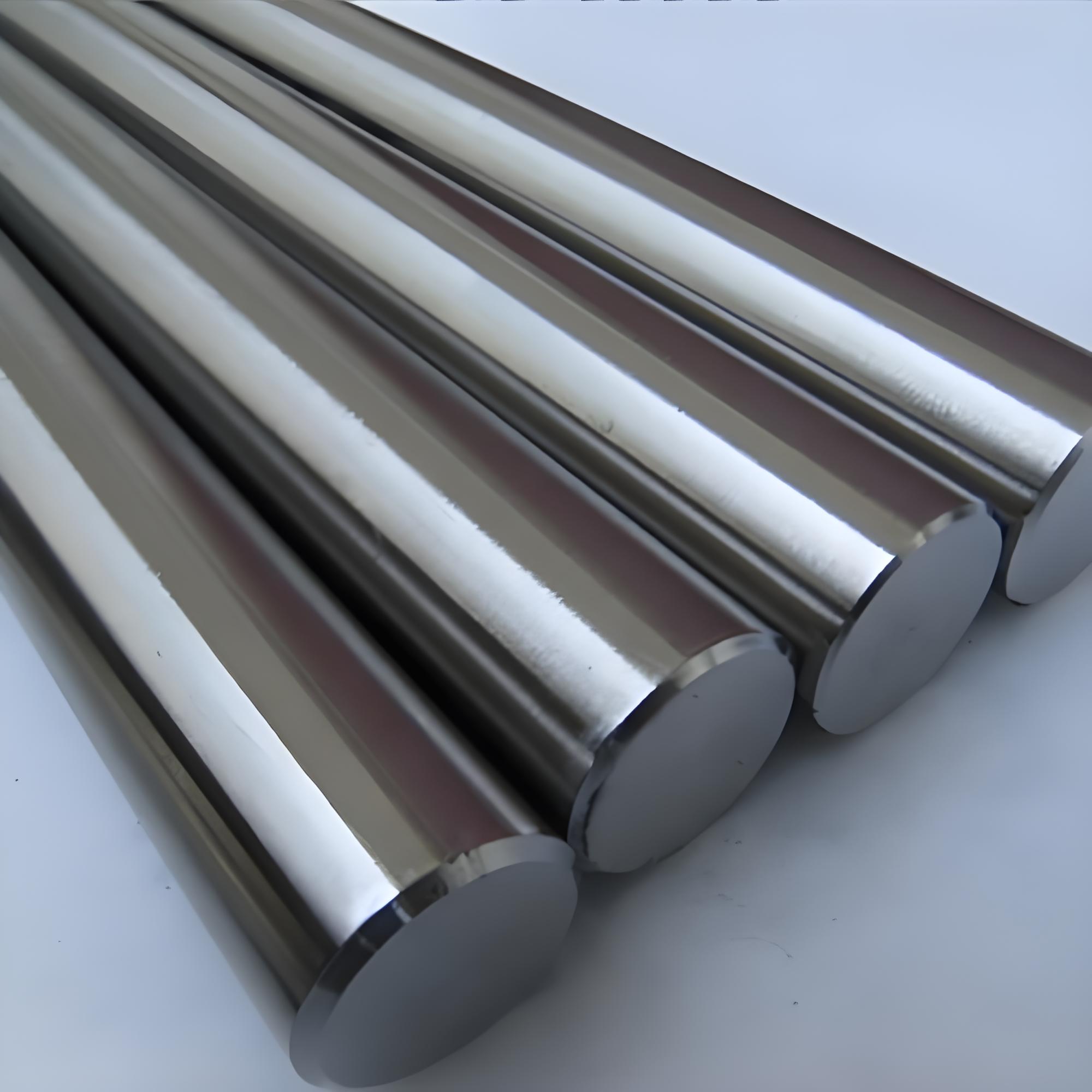
Inconel X-750 alloy bar price depends on nickel raw material cost, bar diameter, product condition, heat treatment, specification, surface finish, dim...
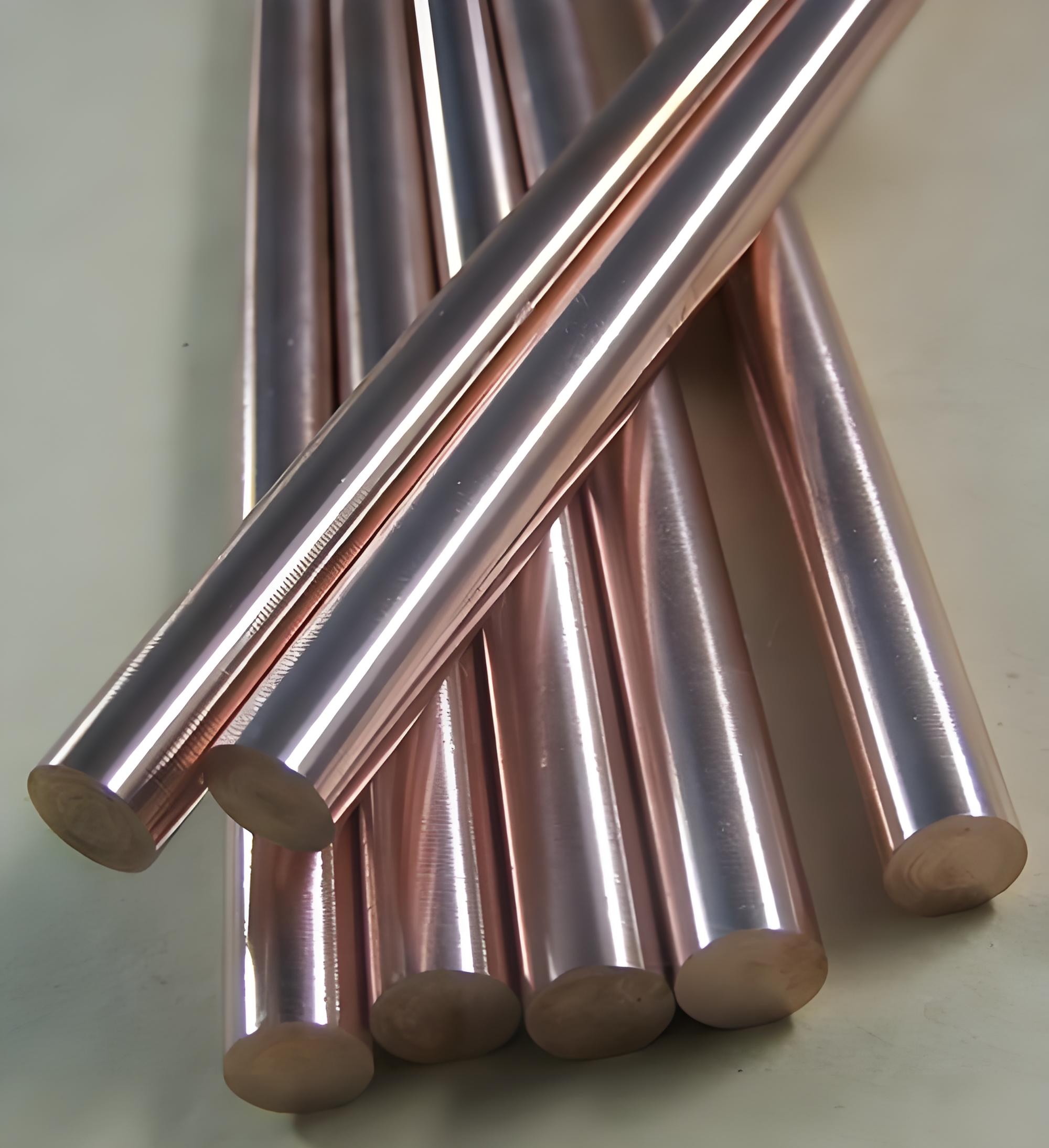
Inconel 602CA alloy bar price per kg is usually higher than common Inconel 600 and Inconel 601 bars because Alloy 602CA is a premium high-temperature ...
 English English
  Korean
 Arabic
 Spanish
 German
 Portuguese
 French
 Russian
 Italian
 Vietnamese