
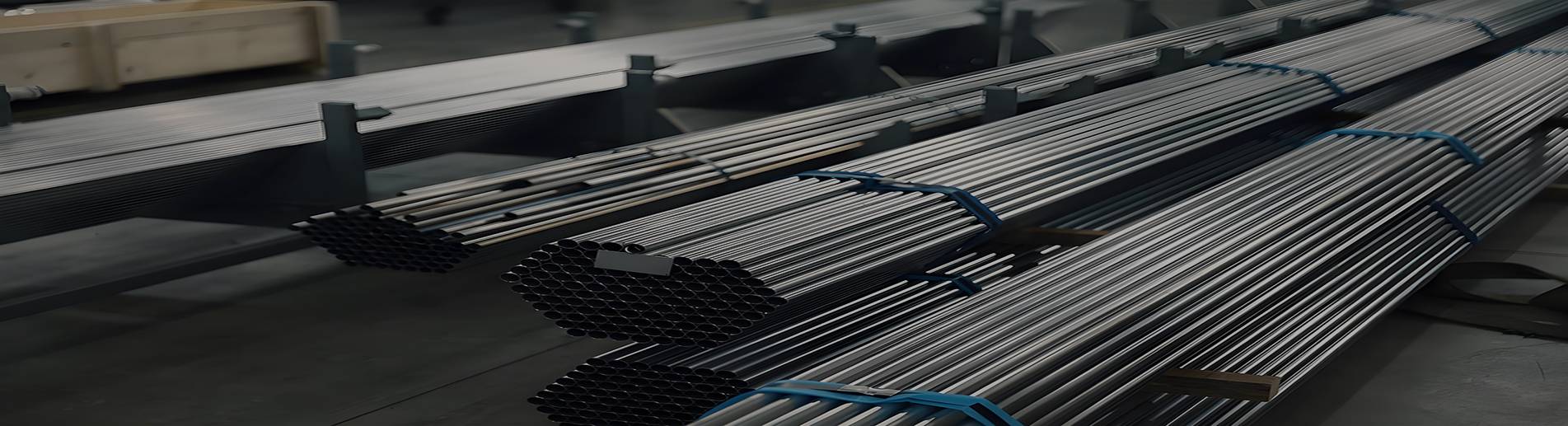
Inconel 617 alloy round bar price per kilogram
Inconel 617 alloy round bar price per kilogram is commonly about USD 45 to 90 per kg for standard industrial stock sizes. Large forged bars, small pre...
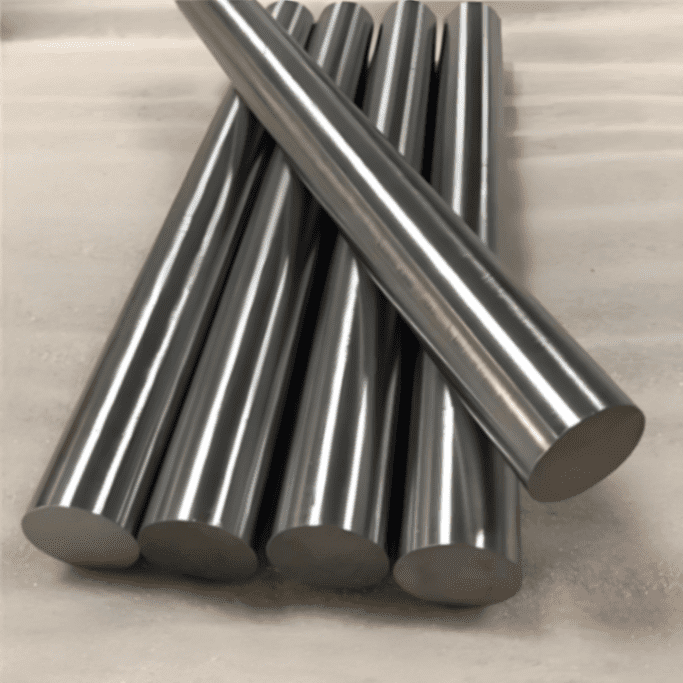
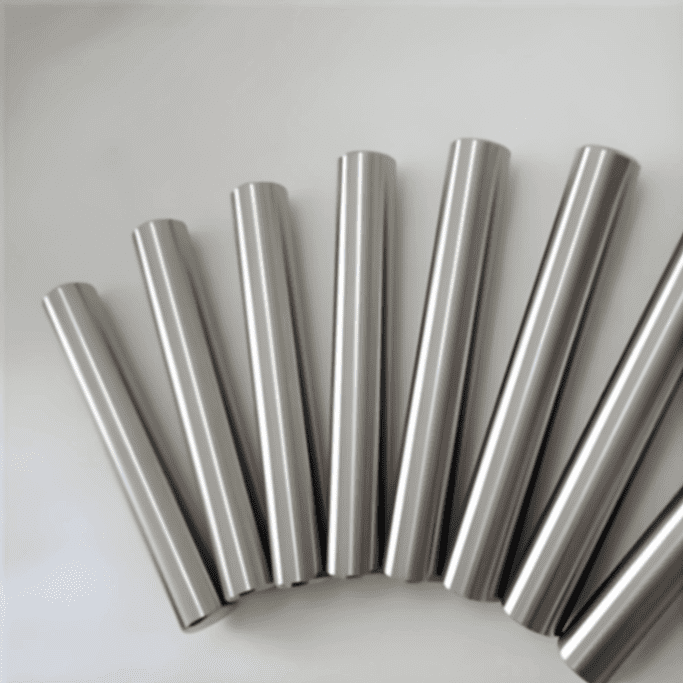
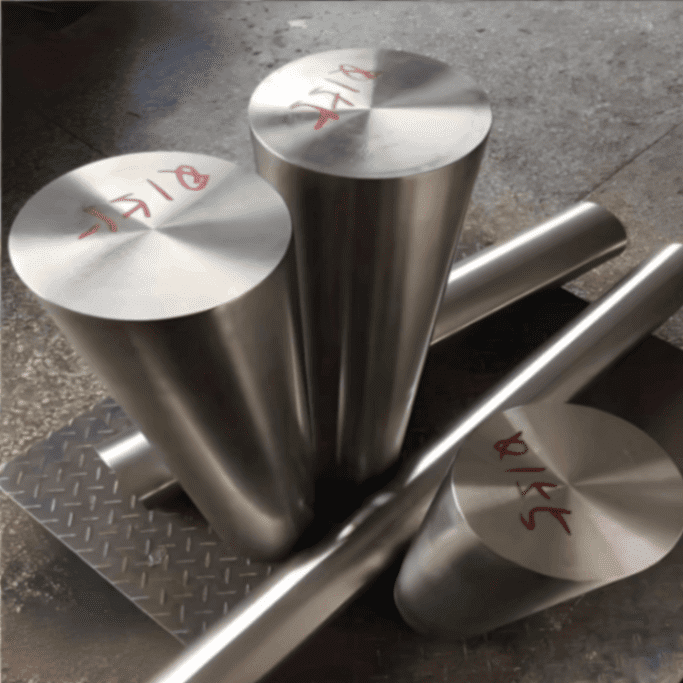
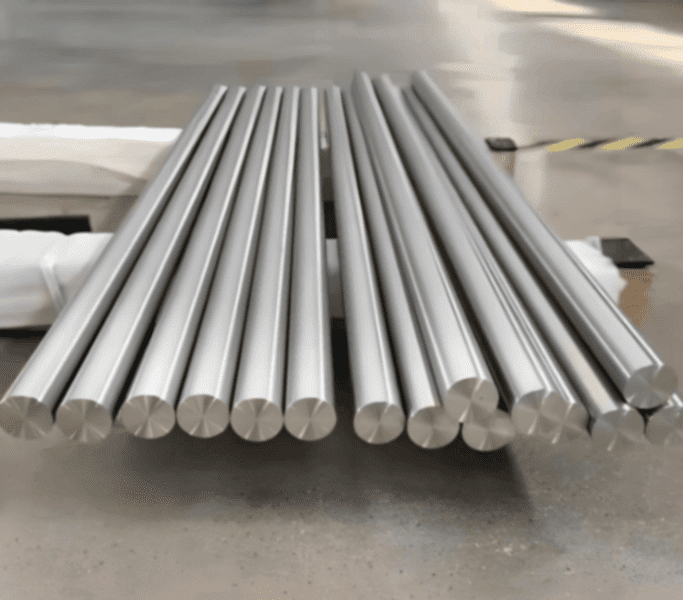
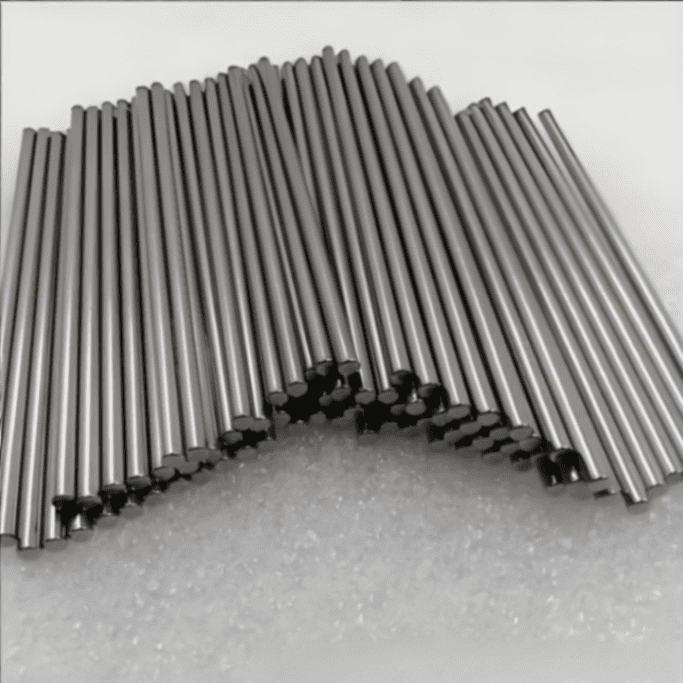
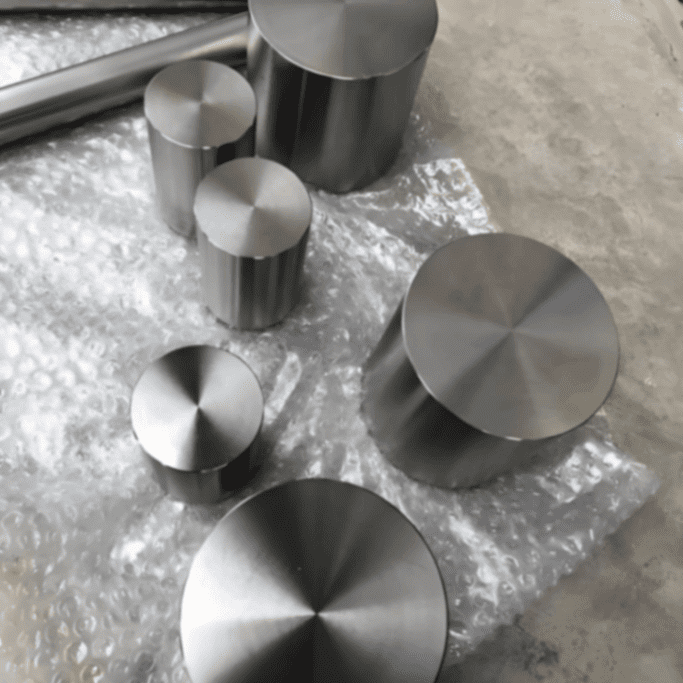
In our daily inquiries for Nimonic 105 bars, many customers initially struggle to understand the real difference between supplier pricing and factory pricing. On the surface, everything may appear identical—same grade, same size, sometimes even the same heat number on the material certificate. However, the final price per kilogram, delivery time, documentation completeness, and customization flexibility can vary significantly. From the perspective of Shanghai NC Metal Materials Co., Ltd. as a manufacturer, this difference is not simply about “who is cheaper or more expensive,” but reflects fundamentally different cost structures, inventory models, and service systems. For procurement teams, understanding the distinction between a supplier and a factory is often more important than just negotiating price, because it directly affects whether the material truly meets project requirements.
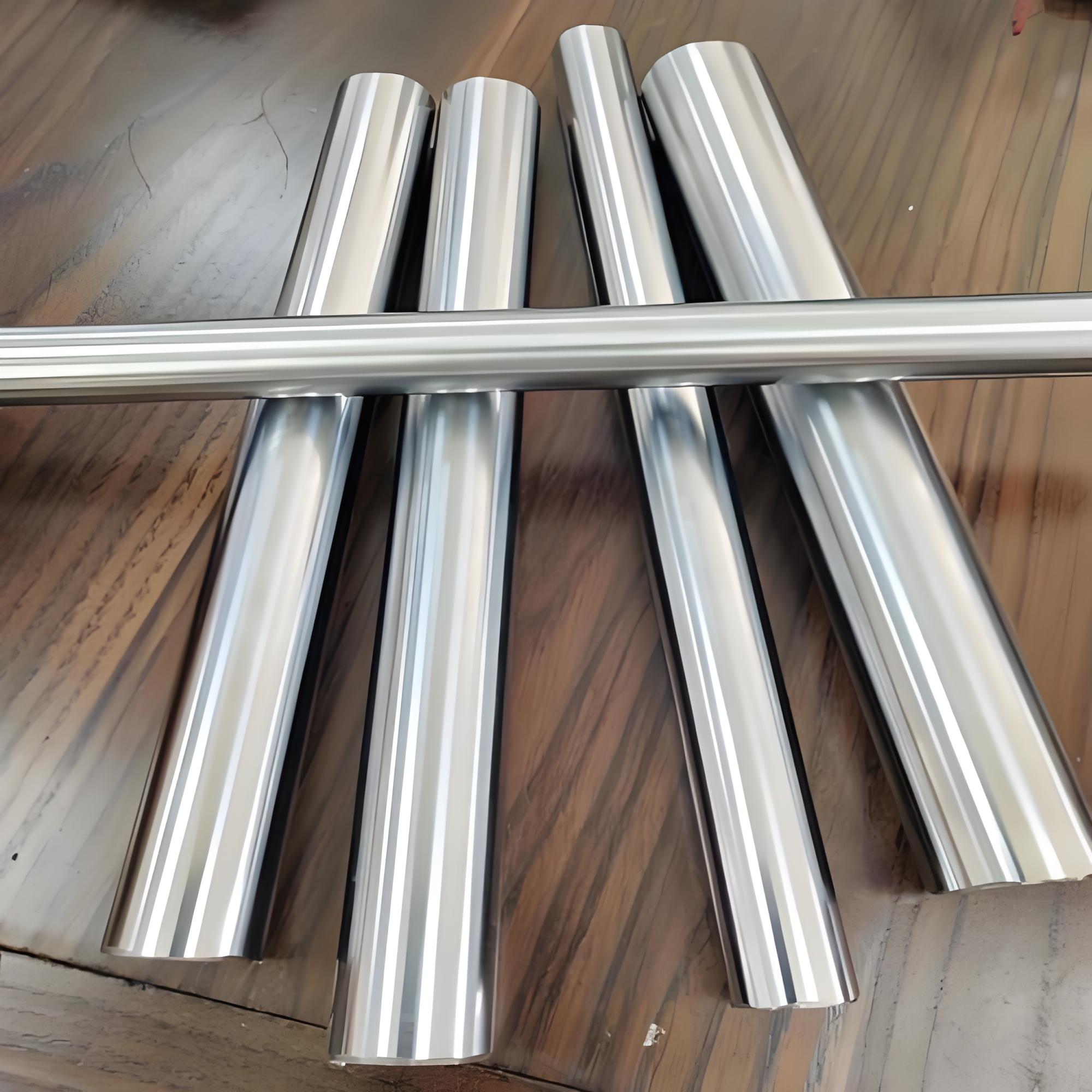
First, let’s clarify the concepts. A factory is essentially a manufacturer. It has the capability to produce Nimonic 105 bars through processes such as melting, forging, heat treatment, finishing, and inspection. A factory is not just reselling materials—it is responsible for the entire manufacturing process. For nickel-based superalloys, factories typically focus on metallurgical control, forging ratio, heat treatment procedures, batch consistency, and full traceability.
A supplier, on the other hand, is closer to a trader, stockist, or distributor. Its core strength lies not necessarily in manufacturing, but in resource integration, inventory management, order splitting, and logistics services. Many buyers obtain standard-size stock bars—common diameters, lengths, and specifications—from suppliers, where the priority is speed and flexibility rather than origin production.
In the real market, there are also hybrid cases. Some companies operate both as traders and manufacturers, while others combine factory production with sales platforms. Therefore, experienced buyers do not rely solely on labels like “supplier” or “manufacturer.” Instead, they ask key questions: Was the material produced in-house? Can original mill certificates be provided? Is full batch traceability available? Can non-standard sizes be manufactured, or is the offer limited to stock substitution?
From a manufacturing perspective, a factory represents the source production end, while a supplier represents the distribution and circulation end. Both play important roles in the supply chain, but they serve different procurement scenarios.
The main reason why factory prices and supplier prices differ lies in their cost structures. Factory pricing is typically based on raw material cost plus production cost, along with a basic profit margin. Raw materials include nickel, chromium, cobalt, and other alloying elements, as well as melting loss, forging loss, trimming, heat treatment energy consumption, and inspection costs. A factory calculates pricing based on the actual cost of producing the material.
Supplier pricing follows a different logic. It starts from procurement cost (purchase price from upstream factories), then adds warehousing, logistics, inventory financing, cutting and splitting services, sales margins, and risk costs. Nickel-based alloys like Nimonic 105 require high capital investment for inventory, and since this is not a high-volume commodity grade, suppliers must factor inventory risk into their pricing.
This explains a common situation: for large orders, factory pricing is often more competitive; but for small quantities or urgent orders, supplier pricing—though higher per kilogram—may be more practical overall. Procurement decisions should consider not only unit price, but also lead time, downtime risk, and internal coordination costs.
| Procurement Channel | Nimonic 105 Bar Price (USD/kg) | Notes |
| Factory Direct | 48 – 78 | Suitable for batch production, clear specs, planned lead time |
| Supplier Stock | 58 – 95 | Includes inventory, splitting, fast delivery, and circulation costs |
These ranges are not absolute. If a supplier has matching old stock, it may be cheaper than new production. Conversely, if a factory must produce a small custom batch, its price may not be lower. Mature procurement decisions evaluate price, lead time, quantity, documentation, and risk together.
MOQ is a key differentiator between factories and suppliers. Factories are generally better suited for medium to large batch orders. Producing Nimonic 105 involves significant costs in forging, heat treatment, and inspection. Small orders cannot efficiently absorb these fixed costs, so pricing may not be competitive.
For example, sample bars, small trial quantities, or special diameters with only a few pieces often require cutting from larger batches, separate heat treatment, and new inspection documentation. As a result, factory pricing for small orders may be higher than expected.
Suppliers, however, are more flexible. Their business model is built around inventory splitting and small-lot sales, making them ideal for small quantities, prototypes, maintenance parts, and urgent replacements.
For larger orders (hundreds of kilograms or tons), factories regain the advantage. Bulk production allows better raw material purchasing, unified heat treatment, and shared inspection costs, significantly reducing the per-kilogram price. Long-term projects benefit even more.
Another key difference lies in customization capability. Factories can produce non-standard diameters, special lengths, forged billets, rings, and near-net-shape components based on project requirements. This capability comes from manufacturing, not inventory.
For example, aerospace or turbine customers may require non-standard diameters with minimal machining allowance. Suppliers typically offer the closest available stock or recommend over-sizing. Factories, however, can control dimensions during forging and finishing to optimize material utilization and downstream machining costs.
Forgings further highlight this difference. Suppliers usually source forgings from manufacturers, while factories directly control forging ratio, grain flow, heat treatment, inspection stages, and machining allowance.
Suppliers excel in standard stock items—common sizes and specifications—with fast response and flexibility, making them ideal for maintenance and urgent needs.
Lead time is one of the most noticeable differences. Factory delivery involves full production cycles: raw material preparation, forging, heat treatment, finishing, inspection, and certification. For Nimonic 105, this cannot be completed in a few days, especially for non-stock sizes.
High-temperature alloys require strict process control, and additional requirements such as tight tolerances, aerospace standards, ultrasonic testing, or third-party inspection will further extend lead time.
Suppliers, however, can deliver immediately if stock is available. For urgent repairs or downtime situations, immediate availability often outweighs price differences.
That said, “in stock” does not always mean “fully compliant.” Stock materials may only approximate the required specifications, leading to mismatches in length, surface condition, or documentation.
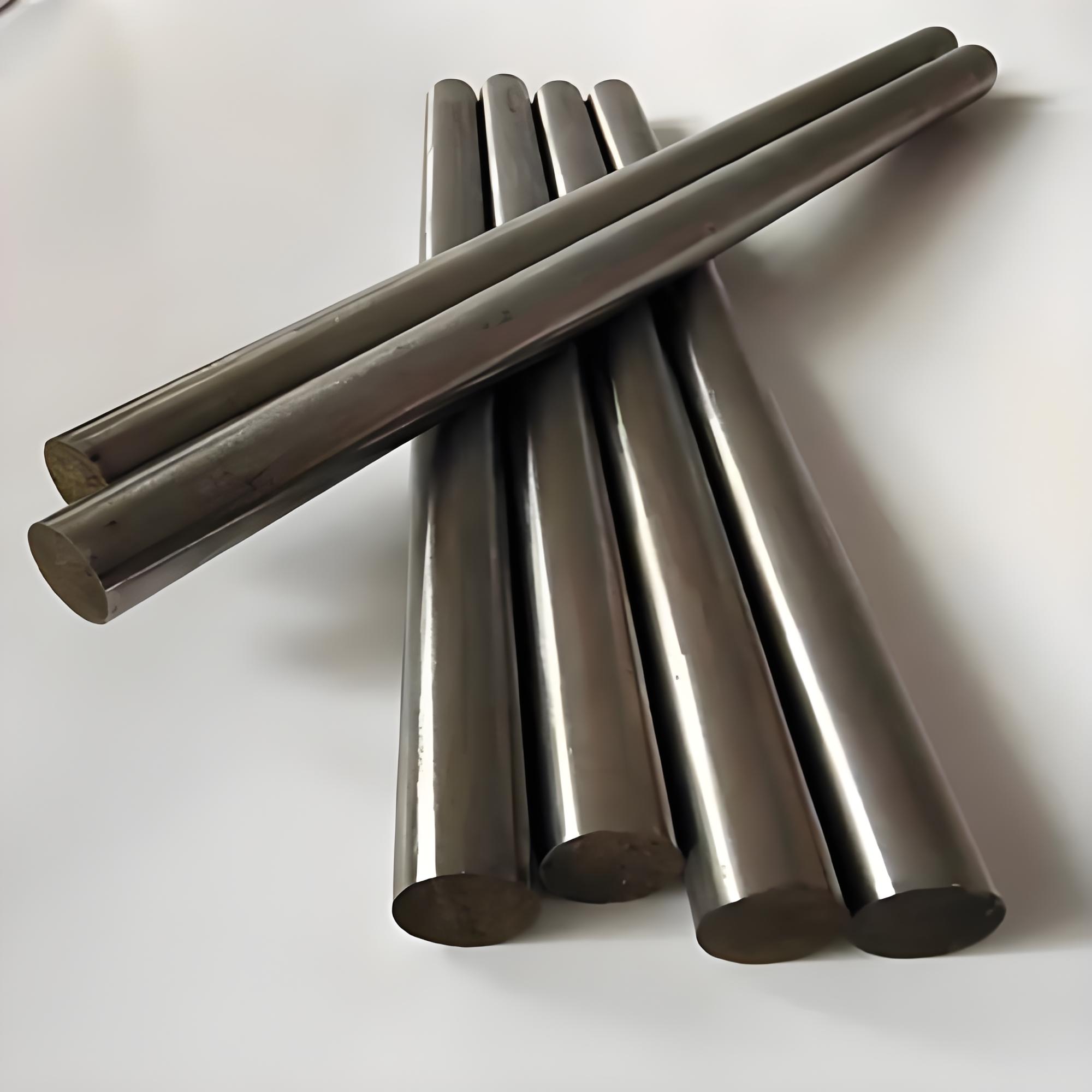
For nickel alloys, quality is not just about chemical composition—it also involves documentation integrity and traceability. Factories can provide original mill certificates, production batch data, heat treatment records, and full inspection results, ensuring a complete traceability chain.
This is critical for aerospace, power generation, and nuclear applications. Factories can link heat numbers, forging batches, heat treatment cycles, and test samples directly.
Suppliers can also provide valid documents, but these are usually passed down from upstream sources. With multiple transfers, traceability may weaken. Common risks include loss of batch identification after cutting, mismatches between material and certificates, or re-labeling after processing.
For high-reliability applications, factory sourcing is generally more secure unless the supplier maintains extremely strict inventory and documentation control.
Factories and suppliers also differ in value-added services. Factories focus on technical support, such as material selection (e.g., Nimonic 105 vs. Inconel 718 vs. Waspaloy), heat treatment optimization, and manufacturing feasibility.
They can also suggest cost-saving adjustments in dimensions, tolerances, and delivery conditions to optimize total project cost rather than just unit price.
Suppliers focus more on logistics and convenience, such as cutting, short-length supply, simple machining, combined shipments, and cross-region delivery.
From a procurement perspective, these services are complementary rather than interchangeable.
For large-volume, long-term, and high-specification Nimonic 105 bar procurement, factories are usually the better choice. They offer better cost control, batch consistency, and traceability, especially for aerospace and turbine applications.
For small quantities, urgent needs, prototypes, or spare parts, suppliers are often more suitable due to their speed and flexibility.
The most practical strategy is to switch between both: use suppliers for samples and urgent needs, and transition to factories for batch production and long-term supply.
If unsure whether a company is a supplier or factory, ask four key questions: Can they produce non-standard sizes? Can they provide original mill certificates? Can they support long-term production scheduling? Can they handle forgings and customization? The answers will clearly reveal their role.
Is buying Nimonic 105 bar from a factory always cheaper?
Not necessarily. Factories are usually more competitive for large, planned orders, while suppliers may be more cost-effective for small or urgent purchases when total cost is considered.
How to identify whether a quote comes from a real factory?
Check whether the supplier can explain manufacturing processes, support custom production, provide original certificates, and ensure full traceability.
Which should be prioritized for aerospace-grade Nimonic 105 bar?
For strict requirements on standards, traceability, and certification, factories are generally the safer choice. Suppliers can be used for urgent needs if documentation fully meets requirements.
More from this category
Inconel 617 alloy round bar price per kilogram is commonly about USD 45 to 90 per kg for standard industrial stock sizes. Large forged bars, small pre...
The latest Inconel 625 alloy bar price per kg depends on nickel, molybdenum, niobium, and chromium raw material costs, as well as bar diameter, manufa...
Inconel X-750 alloy bar price depends on nickel raw material cost, bar diameter, product condition, heat treatment, specification, surface finish, dim...
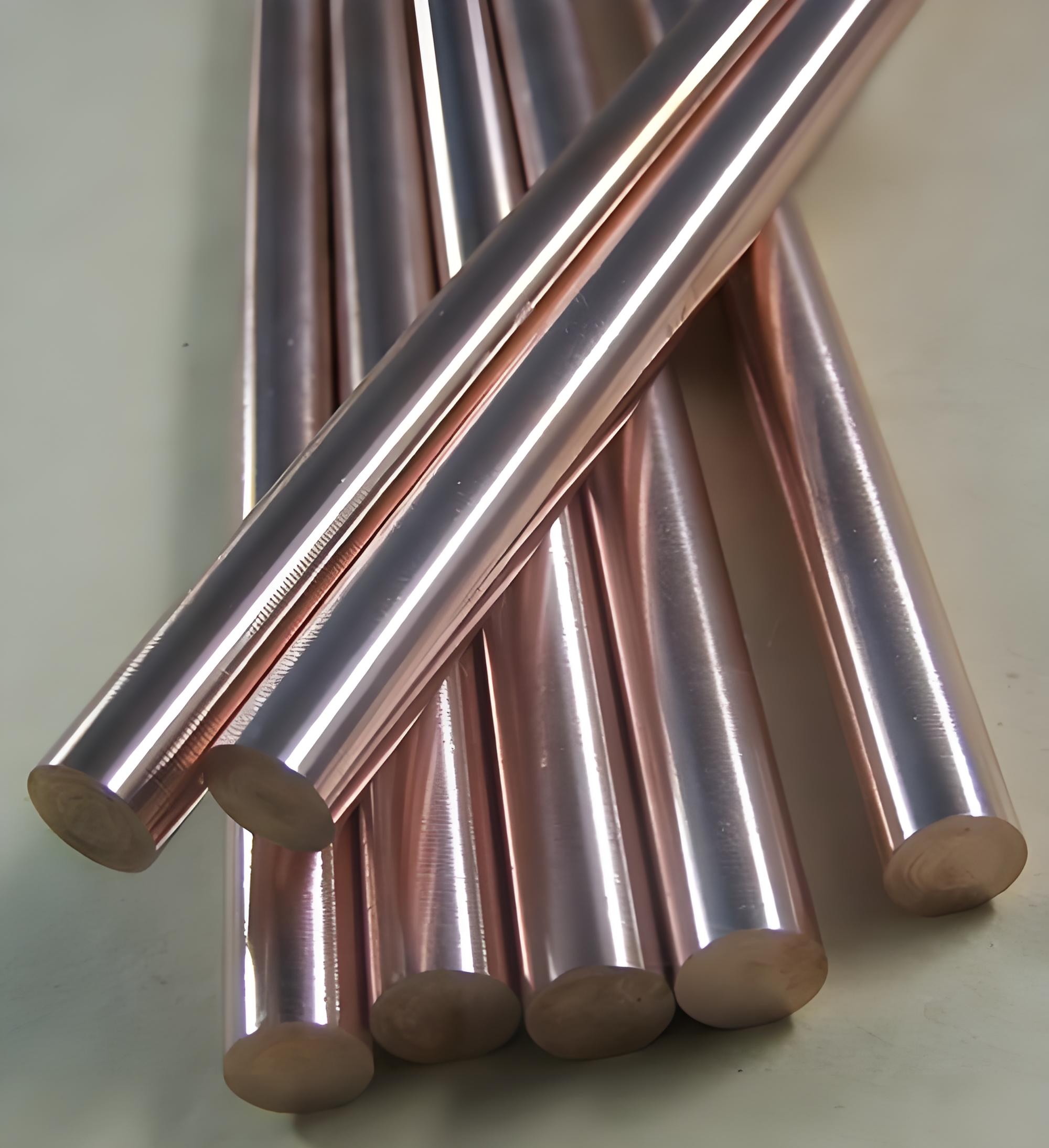
Inconel 602CA alloy bar price per kg is usually higher than common Inconel 600 and Inconel 601 bars because Alloy 602CA is a premium high-temperature ...
 English English
  Korean
 Arabic
 Spanish
 German
 Portuguese
 French
 Russian
 Italian
 Vietnamese