
Incoloy 825 Bar Price | UNS N08825 Supplier
Incoloy 825 bar price depends on the nickel-based alloy composition, bar dimensions, manufacturing route, heat-treatment condition, surface finish, in...
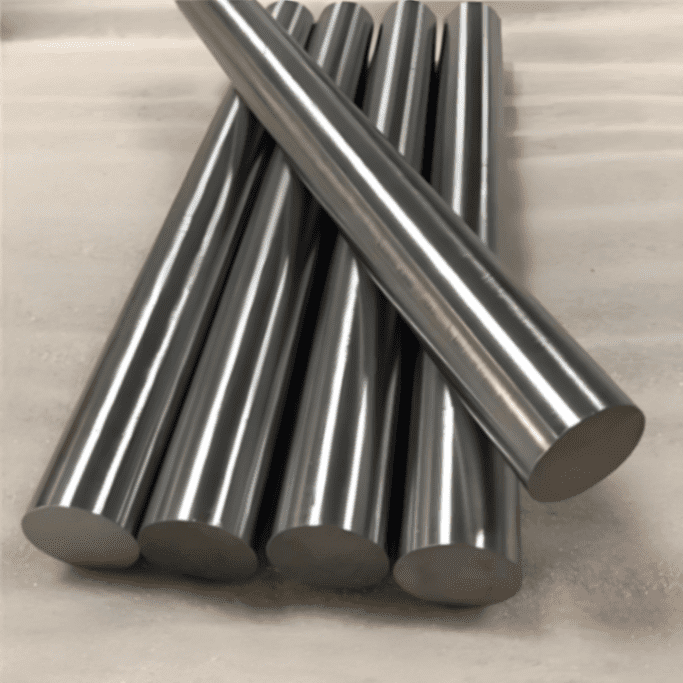
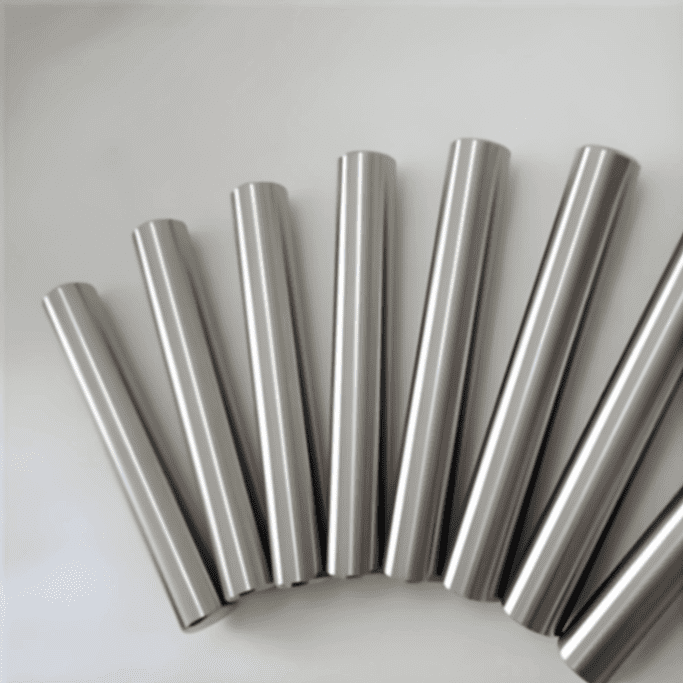
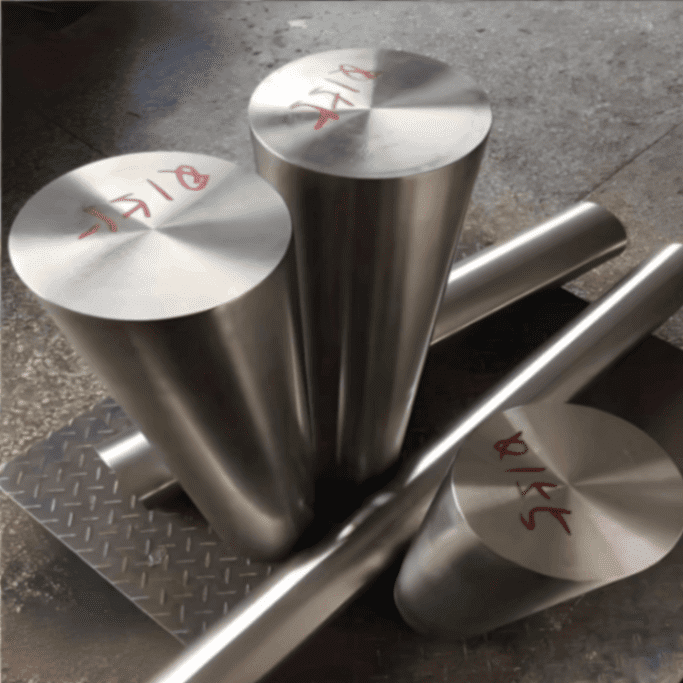
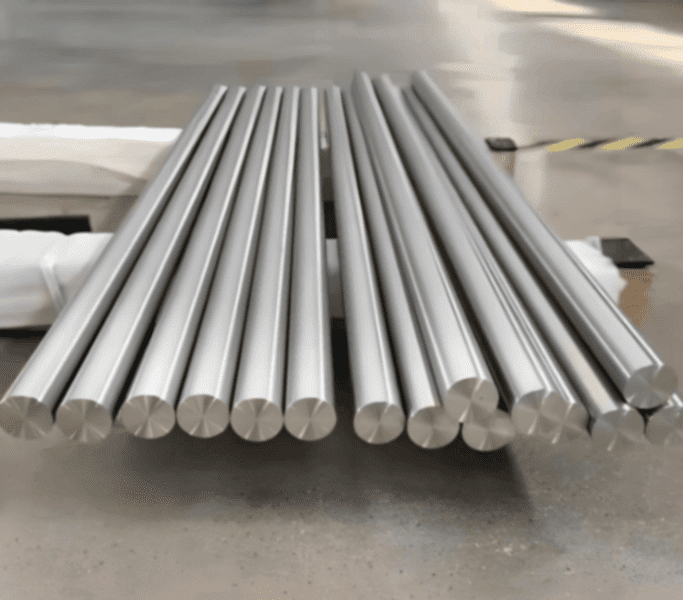
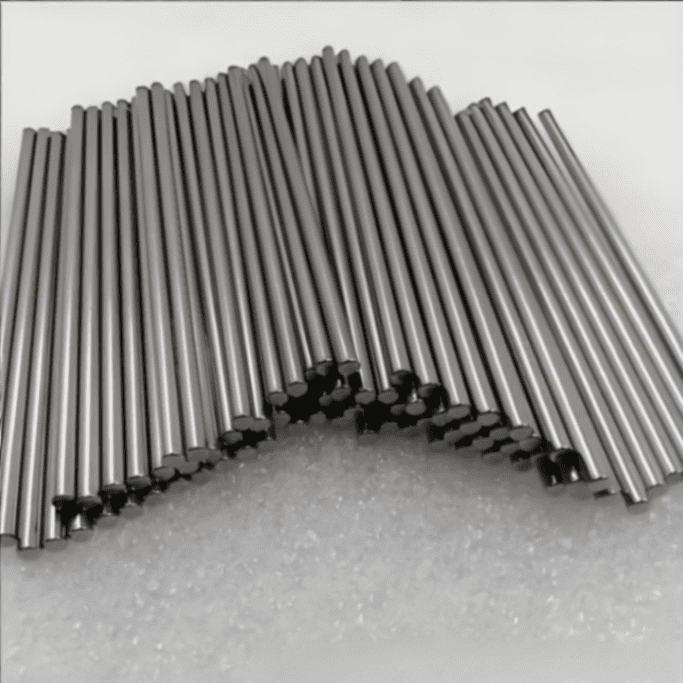
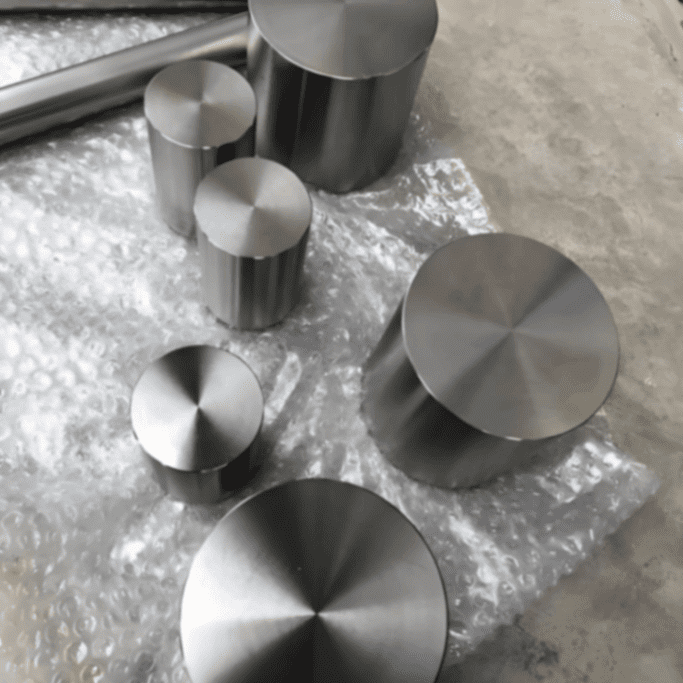
Inconel 625 and Monel 400 round bars are both nickel-based alloy bars, but they are designed for different working conditions. The main difference is that Inconel 625 is a nickel-chromium-molybdenum-niobium alloy with excellent strength, oxidation resistance, and resistance to aggressive chemical corrosion, while Monel 400 is a nickel-copper alloy known for strong seawater resistance, good toughness, and stable performance in marine and mildly acidic environments. For buyers, engineers, and project contractors, understanding the differences between Inconel 625 and Monel 400 round bars helps select the right material for marine equipment, chemical processing, oil and gas components, heat-resistant parts, shafts, fasteners, valves, and precision machined products.
Inconel 625 round bars are nickel-based alloy bars manufactured from Alloy 625, commonly identified as UNS N06625. This alloy is mainly composed of nickel, chromium, molybdenum, and niobium. The combination of these elements gives Inconel 625 round bars excellent corrosion resistance, high mechanical strength, and strong performance in high-temperature and chloride-containing environments.
In practical industrial use, Inconel 625 round bars are often selected when the working environment is too aggressive for ordinary stainless steel or common nickel alloys. The alloy performs well in seawater, sour gas, chemical media, oxidizing environments, reducing environments, and elevated temperature service. Because of this wide resistance range, Inconel 625 is frequently used in marine engineering, offshore platforms, chemical processing, aerospace, power generation, pollution control equipment, and high-performance fastener manufacturing.
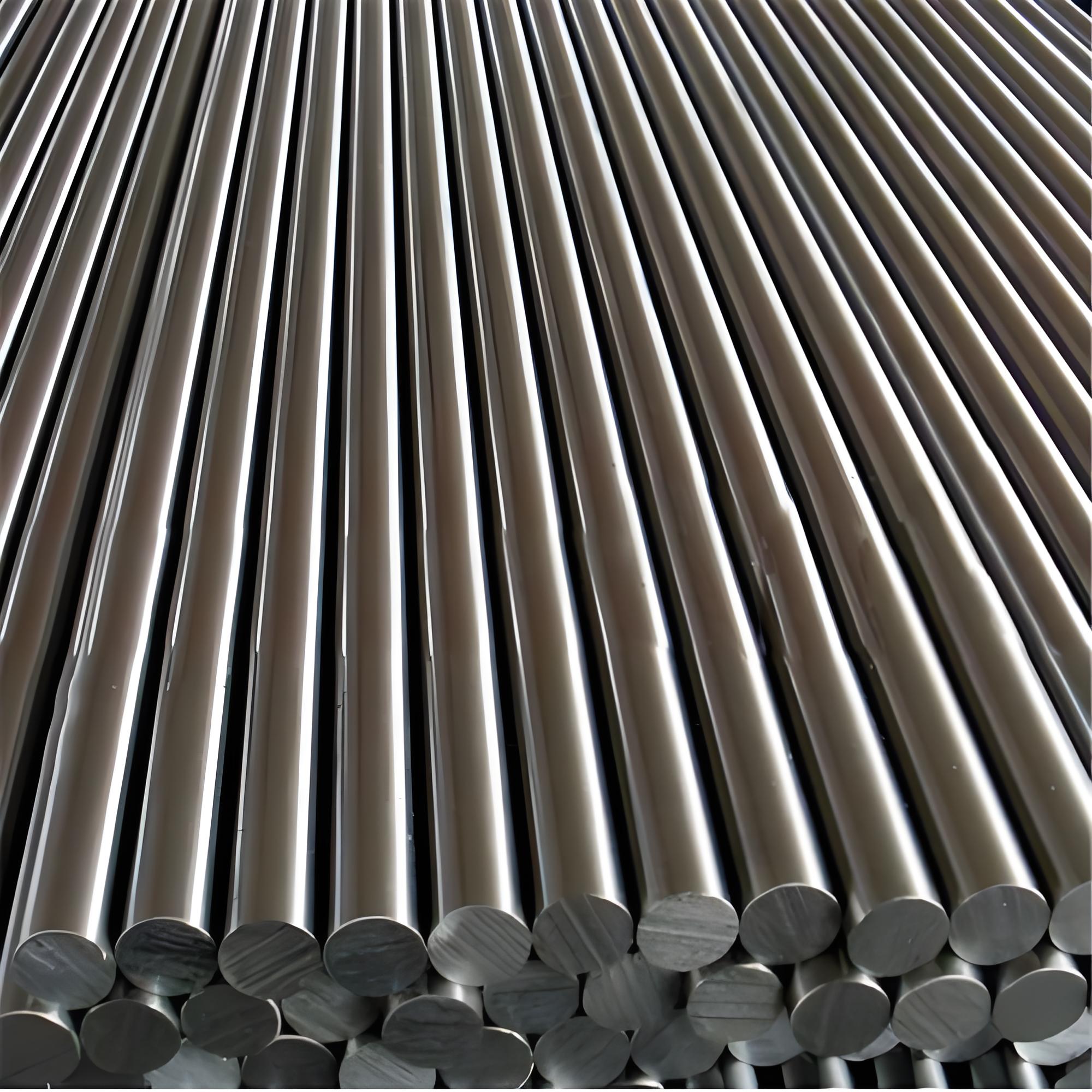
One of the most important advantages of Inconel 625 round bars is that they obtain high strength mainly through solid solution strengthening rather than precipitation hardening. This means the alloy can maintain reliable strength without requiring complicated heat treatment for many applications. The molybdenum and niobium content improves resistance to pitting, crevice corrosion, and stress corrosion cracking, especially in chloride-rich environments.
Inconel 625 round bars are also suitable for applications requiring both corrosion resistance and high-temperature stability. Compared with many nickel-copper alloys, Inconel 625 has better oxidation resistance and better strength retention at elevated temperatures. This makes it suitable for parts exposed to hot gases, combustion-related environments, exhaust systems, thermal processing equipment, and high-temperature bolting.
Inconel 625 round bars can be supplied in hot rolled, forged, peeled, centerless ground, solution annealed, or cold drawn conditions depending on the final application. For precision machining, peeled or ground bars are often preferred because they provide better surface quality and tighter dimensional tolerance. For heavy-duty components, forged bars may be selected to improve structural reliability.
| Item | Inconel 625 Round Bar Information |
|---|---|
| Common Grade | Inconel 625 / Alloy 625 |
| UNS Number | UNS N06625 |
| Main Alloy System | Nickel-Chromium-Molybdenum-Niobium |
| Main Strength | High corrosion resistance, high strength, good heat resistance |
| Typical Applications | Marine parts, chemical equipment, aerospace components, oil and gas tools, fasteners, valve parts |
Monel 400 round bars are nickel-copper alloy bars manufactured from Alloy 400, commonly identified as UNS N04400. This alloy contains a high percentage of nickel and copper, with small amounts of iron, manganese, carbon, silicon, and sulfur. Unlike Inconel 625, Monel 400 does not rely on chromium and molybdenum for corrosion resistance. Its performance is mainly based on the natural corrosion resistance of the nickel-copper alloy system.
Monel 400 round bars are well known for excellent resistance to seawater, brine, hydrofluoric acid in certain concentrations, alkalis, and many neutral or mildly reducing environments. The alloy also has good toughness over a wide temperature range and can be used in marine shafts, pump parts, valve stems, fasteners, heat exchanger components, fittings, and chemical processing equipment.
The biggest advantage of Monel 400 round bars is their strong marine corrosion resistance. In seawater and flowing brine environments, Monel 400 can provide reliable service life, especially where stainless steel may suffer from chloride-related corrosion. It is often chosen for seawater valves, pump shafts, propeller shafts, marine fasteners, and offshore fittings.
Another important feature is its good toughness and workability. Monel 400 can be hot worked, cold worked, welded, and machined with proper process control. It is not a high-temperature oxidation alloy like Inconel 625, but it performs well in many room-temperature and moderate-temperature corrosive environments.
Monel 400 round bars are commonly supplied in hot rolled, forged, cold drawn, annealed, peeled, or polished conditions. For shaft applications, buyers often request straightness control and surface finishing. For machined parts, uniform diameter tolerance and stable material hardness are important because Monel 400 can work harden during machining.
| Item | Monel 400 Round Bar Information |
|---|---|
| Common Grade | Monel 400 / Alloy 400 |
| UNS Number | UNS N04400 |
| Main Alloy System | Nickel-Copper |
| Main Strength | Excellent seawater resistance, good toughness, good resistance to many reducing media |
| Typical Applications | Marine shafts, pump components, valves, fittings, fasteners, heat exchangers, chemical equipment |
The chemical composition is the root reason why Inconel 625 and Monel 400 round bars behave differently in service. Inconel 625 contains nickel as the base element, but it also contains high chromium, molybdenum, and niobium. These elements improve resistance to oxidation, pitting, crevice corrosion, and high-temperature strength loss. Monel 400, on the other hand, is mainly a nickel-copper alloy. It has no significant chromium or molybdenum content, so its corrosion resistance comes from a different metallurgical system.
For project selection, this composition difference is not just a laboratory detail. It directly affects whether the bar is suitable for seawater, hot chloride solution, acidic chemical media, high-temperature gas, marine shafting, or precision machined valve parts.
| Element | Inconel 625 Round Bar | Monel 400 Round Bar | Practical Meaning |
|---|---|---|---|
| Nickel | High nickel base, usually minimum about 58% | High nickel base, usually minimum about 63% | Both alloys have excellent nickel-based corrosion resistance |
| Chromium | High chromium content, commonly about 20-23% | Very low or not intentionally added as a major alloying element | Inconel 625 has much better oxidation resistance |
| Molybdenum | High molybdenum content, commonly about 8-10% | Not a major alloying element | Inconel 625 has stronger pitting and crevice corrosion resistance |
| Niobium | Contains niobium plus tantalum, commonly about 3.15-4.15% | Not a major alloying element | Improves strength and alloy stability in Inconel 625 |
| Copper | Very low copper content | High copper content, commonly about 28-34% | Monel 400 gains excellent seawater and reducing media resistance |
| Iron | Controlled iron content | Small amount of iron allowed | Iron content affects strength, processing, and corrosion balance |
In simple terms, Inconel 625 is more complex and more highly alloyed. Its chromium, molybdenum, and niobium content make it suitable for more severe corrosion and higher-temperature applications. Monel 400 is simpler in composition, but its nickel-copper structure gives it excellent marine and seawater performance. This is why Monel 400 is often used for seawater parts, while Inconel 625 is often used when seawater resistance must be combined with higher strength, stronger chemical resistance, or better temperature resistance.
Both Inconel 625 and Monel 400 round bars are nickel-based alloys, but their nickel content and alloy balance are different. Monel 400 usually has a slightly higher nickel minimum than Inconel 625. However, this does not mean Monel 400 is automatically better in all corrosive environments. Nickel is important, but chromium, molybdenum, copper, and other elements also determine final performance.
In Inconel 625, nickel provides the base structure for corrosion resistance and toughness. It also helps the alloy resist chloride stress corrosion cracking better than many stainless steels. However, the outstanding performance of Inconel 625 does not come from nickel alone. The addition of chromium improves oxidation resistance, molybdenum improves pitting resistance, and niobium contributes to high strength.
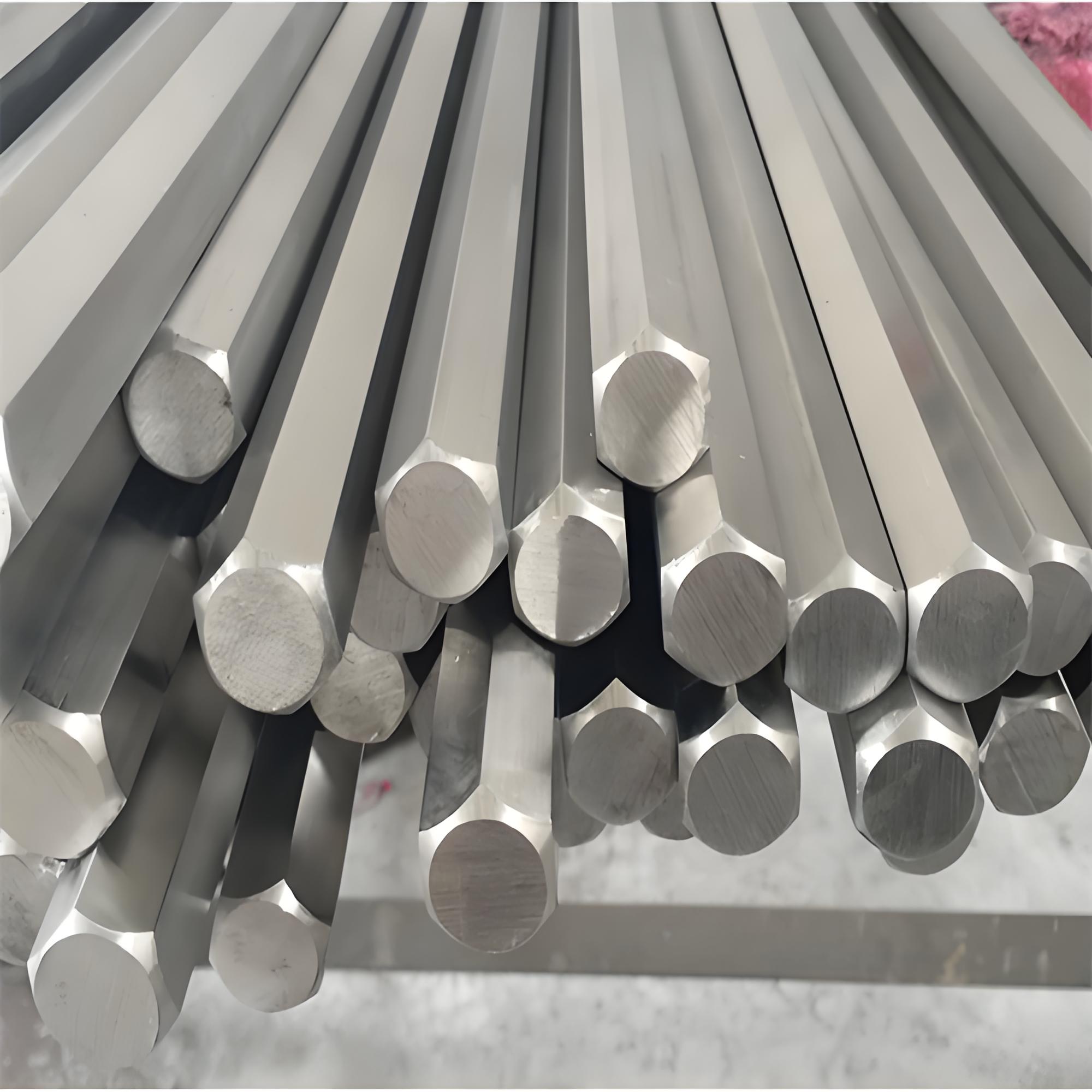
In Monel 400, nickel works together with copper to provide excellent resistance to seawater and many reducing environments. The alloy has strong resistance to flowing seawater and brine, making it especially useful in marine engineering. The nickel-copper structure also gives Monel 400 good toughness and stable mechanical behavior in many service conditions.
| Comparison Item | Inconel 625 | Monel 400 |
|---|---|---|
| Nickel Level | High, nickel-based alloy | High, nickel-copper alloy |
| Role of Nickel | Base corrosion resistance, toughness, chloride stress corrosion resistance | Base seawater resistance, toughness, reducing media resistance |
| Performance Depends On | Nickel plus chromium, molybdenum, and niobium | Nickel plus copper |
| Selection Meaning | Better for severe chemical and high-temperature conditions | Better for many seawater and marine shaft applications |
The biggest alloying difference between Inconel 625 and Monel 400 round bars is the presence of chromium and molybdenum in Inconel 625 and copper in Monel 400. These elements create different corrosion resistance mechanisms and different application directions.
Inconel 625 contains a high level of chromium. Chromium helps form a protective oxide film on the surface of the alloy, especially in oxidizing and high-temperature environments. This is one of the reasons Inconel 625 has better oxidation resistance than Monel 400. When parts are exposed to hot gases, high-temperature air, or oxidizing chemical media, chromium becomes very important.
Monel 400 does not contain chromium as a major element. As a result, it does not offer the same oxidation resistance as Inconel 625 at high temperatures. This does not make Monel 400 a weak alloy; it simply means its main advantage is different. Monel 400 is more focused on seawater, brine, and reducing environments rather than high-temperature oxidation service.
Molybdenum is another major advantage of Inconel 625. It improves resistance to pitting and crevice corrosion, particularly in chloride-containing solutions. For marine equipment, offshore parts, chemical vessels, and valve components exposed to aggressive localized corrosion, molybdenum is highly valuable.
Monel 400 does not rely on molybdenum. It can perform very well in seawater and many reducing conditions, but when the environment contains strong oxidizing chlorides, severe crevice conditions, or mixed chemical media, Inconel 625 usually provides a wider safety margin.
Monel 400 contains a large amount of copper. This is the key reason behind its well-known seawater performance and resistance to certain reducing acids. Copper helps Monel 400 resist corrosion in flowing seawater and marine service. It also makes Monel 400 different from chromium-molybdenum nickel alloys in both corrosion behavior and machining response.
Inconel 625 contains very little copper. Its corrosion resistance is based more on nickel, chromium, molybdenum, and niobium. This makes Inconel 625 more suitable for severe chemical corrosion and high-temperature applications, while Monel 400 remains a strong choice for seawater and marine hardware.
Corrosion resistance is one of the most important factors when comparing Inconel 625 and Monel 400 round bars. Both materials resist corrosion much better than ordinary carbon steel and many stainless steels, but they are not used for exactly the same environments.
Inconel 625 has excellent resistance to a wide range of corrosive media. It performs well in chloride environments, seawater, acidic media, alkaline conditions, and many oxidizing and reducing chemical environments. Its high molybdenum content gives it strong resistance to pitting and crevice corrosion, while its nickel content helps reduce the risk of chloride stress corrosion cracking.
This makes Inconel 625 suitable for demanding applications such as offshore oil and gas equipment, chemical processing systems, scrubber components, seawater piping, heat exchangers, valve stems, fasteners, and high-performance marine parts. When the environment is complex and includes both corrosion and mechanical stress, Inconel 625 is often preferred.
Monel 400 has excellent resistance to seawater, brine, hydrofluoric acid in certain service conditions, alkalis, and many reducing environments. It is especially valued in marine service because it can resist corrosion in flowing seawater and saltwater exposure. For pump shafts, valve parts, marine fittings, and seawater fasteners, Monel 400 can be a practical and reliable material.
However, Monel 400 is generally not the best option for strongly oxidizing environments. Since it does not contain high chromium and molybdenum, it may not provide the same protection as Inconel 625 in severe oxidizing chloride media or high-temperature oxidizing conditions.
| Environment | Inconel 625 Round Bar | Monel 400 Round Bar | Material Selection Note |
|---|---|---|---|
| Seawater | Excellent | Excellent | Both can be used, but final choice depends on strength, temperature, and cost |
| Flowing Brine | Excellent | Excellent | Monel 400 is widely used in marine brine systems |
| Strong Oxidizing Media | Generally better | Limited compared with Inconel 625 | Inconel 625 is usually preferred |
| Reducing Media | Good to excellent depending on media | Very good in many reducing conditions | Monel 400 may be cost-effective for suitable reducing environments |
| Chloride Pitting Conditions | Excellent due to molybdenum | Good in many seawater services, but less resistant in severe localized corrosion | Inconel 625 offers a wider safety margin |
Both Inconel 625 and Monel 400 round bars are used in marine environments, but the reason for choosing each material can be different. Monel 400 is one of the classic marine nickel alloys, while Inconel 625 is often selected for more severe marine conditions where high strength, crevice corrosion resistance, or higher temperature resistance is required.
Monel 400 has a long history of use in seawater equipment. It is commonly used for propeller shafts, pump shafts, seawater valves, marine fittings, fasteners, and heat exchanger components. Its nickel-copper composition gives it excellent resistance to seawater corrosion, especially in flowing seawater. It also maintains good toughness, which is important for rotating shafts and mechanical parts.
For many marine hardware applications, Monel 400 round bar offers a good balance between corrosion resistance, machinability, strength, and cost. When the application does not involve very high temperature or extremely aggressive crevice corrosion, Monel 400 can be a practical choice.
Inconel 625 is also highly resistant to seawater, but it is usually chosen when the application requires more than basic marine corrosion resistance. Its molybdenum and niobium content gives it excellent resistance to pitting, crevice corrosion, and corrosion fatigue. This makes it suitable for offshore oil and gas components, subsea equipment, seawater fasteners, marine exhaust systems, and high-load marine parts.
In harsh offshore environments, especially where seawater, stress, crevice gaps, and chemical contamination are present together, Inconel 625 round bars often provide better safety margin than Monel 400. The higher material cost may be justified when failure risk, downtime, or replacement cost is high.
| Marine Application | Better Material Choice | Reason |
|---|---|---|
| General seawater fittings | Monel 400 | Excellent seawater resistance and practical cost-performance balance |
| Marine pump shafts | Monel 400 | Good toughness, corrosion resistance, and machinability |
| Subsea fasteners | Inconel 625 | Higher strength and better resistance to localized corrosion |
| Offshore oil and gas equipment | Inconel 625 | Better performance under combined corrosion, pressure, and stress |
| Marine exhaust systems | Inconel 625 | Better high-temperature and oxidation resistance |
High-temperature resistance is one of the clearest differences between Inconel 625 and Monel 400 round bars. Inconel 625 is much stronger in high-temperature and oxidizing environments because of its chromium, molybdenum, and niobium content. Monel 400 can be used in certain moderate-temperature services, but it is not designed as a high-temperature oxidation alloy.
Inconel 625 maintains good mechanical strength at elevated temperatures and has excellent oxidation resistance. Its chromium content helps protect the surface against oxidation, while molybdenum and niobium contribute to strength and stability. This makes Inconel 625 suitable for heat-resistant fasteners, furnace components, aerospace parts, exhaust systems, thermal processing equipment, and high-temperature chemical equipment.
In many applications, Inconel 625 is selected not only because it survives heat, but because it can resist both heat and corrosion at the same time. This is important in environments where hot gases, chloride contamination, sulfur compounds, or chemical vapors may exist.
Monel 400 has good toughness and can be used in some elevated-temperature environments, but its oxidation resistance is lower than that of Inconel 625. Because Monel 400 does not contain high chromium, it does not form the same type of protective oxide layer in high-temperature oxidizing atmospheres.
For marine shafts, pump parts, valves, and fittings operating at room temperature or moderate temperatures, Monel 400 can perform well. However, if the application involves high heat, hot oxidation, thermal cycling, or high-temperature corrosion, Inconel 625 is usually the stronger choice.
| Temperature-Related Factor | Inconel 625 | Monel 400 |
|---|---|---|
| High-temperature strength | Excellent | Moderate compared with Inconel 625 |
| Oxidation resistance | Excellent due to chromium content | Lower because chromium is not a major alloying element |
| Thermal stability | Very good | Suitable for moderate conditions |
| Typical hot service | Exhaust, aerospace, furnace, heat-resistant fasteners | Moderate-temperature marine or chemical parts |
Inconel 625 round bars generally have higher strength than Monel 400 round bars. This is mainly due to the strengthening effect of molybdenum and niobium in the nickel matrix. Monel 400 has good mechanical properties and toughness, but it is not usually selected when very high strength is the main requirement.
Inconel 625 provides high tensile strength, good fatigue resistance, and excellent resistance to corrosion fatigue. This is especially important for offshore components, fasteners, shafts, and pressure-related parts that must withstand both mechanical load and corrosive media. In solution annealed or hot worked conditions, Inconel 625 still maintains strong mechanical performance.
For applications involving vibration, pressure, impact, or long-term loading in corrosive environments, Inconel 625 round bars are often preferred because they combine strength and corrosion resistance in one material.
Monel 400 round bars have good strength and excellent toughness, especially for marine and mechanical applications. It is commonly used for shafts, valves, pump parts, and fasteners where corrosion resistance and toughness are more important than maximum strength. The alloy can also be strengthened by cold working, but it does not reach the same high-performance level as Inconel 625 in many severe applications.
| Mechanical Property | Inconel 625 Round Bar | Monel 400 Round Bar |
|---|---|---|
| General Strength Level | Higher | Medium to high, but lower than Inconel 625 |
| Hardness | Usually higher depending on condition | Usually lower and more machinable in suitable condition |
| Toughness | Very good | Excellent |
| Fatigue Resistance | Very good, especially in corrosive environments | Good for many marine and mechanical parts |
| Best Use Direction | High-load, high-corrosion, high-temperature parts | Marine shafts, fittings, valves, pump components |
If the round bar will be machined into fasteners, high-pressure valve stems, offshore connectors, or structural parts exposed to harsh corrosion, Inconel 625 is usually the better choice. If the round bar will be used for marine shafts, pump components, or general seawater hardware where toughness and corrosion resistance are the main concerns, Monel 400 may be more economical and practical.
Both Inconel 625 and Monel 400 round bars can be welded and fabricated, but their welding behavior and process requirements are different. Nickel alloys require clean surfaces, proper filler metals, controlled heat input, and experienced welding procedures. Poor welding practice can reduce corrosion resistance, create cracking risk, or cause unnecessary distortion.
Inconel 625 has excellent weldability compared with many high-performance nickel alloys. It is widely used as a welding alloy and weld overlay material because it provides strong corrosion resistance and good weld metal strength. For welding Inconel 625 round bars or components made from them, matching filler metals such as ERNiCrMo-3 are commonly used depending on the design requirement.
The alloy usually does not require post-weld heat treatment for many corrosion-resistant applications, although the final procedure should always follow project specifications. Cleanliness is very important because contamination from sulfur, phosphorus, lead, zinc, or oil can cause weld problems.
Monel 400 also has good weldability when proper procedures are used. Common welding methods include GTAW, GMAW, SMAW, and SAW depending on part size and project requirement. Suitable nickel-copper filler metals are normally selected to maintain corrosion resistance and mechanical compatibility.
During welding, heat input should be controlled to avoid excessive distortion or grain-related issues. Because Monel 400 contains high copper, its welding behavior is different from chromium-molybdenum nickel alloys. Proper cleaning before welding is also necessary to avoid contamination and defects.
| Fabrication Factor | Inconel 625 | Monel 400 |
|---|---|---|
| Weldability | Excellent with proper nickel alloy procedures | Good with proper nickel-copper welding procedures |
| Common Welding Filler | ERNiCrMo-3 or equivalent depending on specification | Nickel-copper filler metal depending on specification |
| Heat Input Control | Important | Important |
| Post-Weld Treatment | Often not required for many applications, subject to specification | Usually based on design and service requirement |
| Main Welding Concern | Cleanliness, cracking control, maintaining corrosion resistance | Cleanliness, heat control, copper-nickel weld compatibility |
Machining performance is very important for buyers who use round bars to produce shafts, valve stems, fasteners, bushings, fittings, threaded parts, and precision components. Both Inconel 625 and Monel 400 are more difficult to machine than carbon steel, but Inconel 625 is generally more challenging because of its higher strength and work-hardening behavior.
Inconel 625 can be machined successfully, but it requires rigid equipment, sharp tools, proper cutting speed, sufficient coolant, and stable feed control. The alloy tends to work harden if the cutting tool rubs instead of cutting. Once the surface work hardens, tool wear increases and dimensional control becomes more difficult.
For Inconel 625 round bars, carbide tools are often used for production machining. Slow to moderate cutting speeds, positive cutting geometry, and continuous chip removal help improve tool life. When producing threaded parts, deep holes, or precision shafts, the machining process should be planned carefully from the beginning.
Monel 400 is also a work-hardening nickel alloy, but it is generally easier to machine than Inconel 625 in many conditions. It still requires sharp tooling and good cutting control. Because Monel 400 is tough and ductile, chip control can be an issue if the wrong tool geometry or cutting parameters are used.
For shaft parts, valve components, and fittings, Monel 400 round bars can provide good machinability when supplied with suitable surface condition and diameter tolerance. Cold drawn or peeled bars may help reduce machining allowance and improve production efficiency.
| Machining Factor | Inconel 625 Round Bar | Monel 400 Round Bar |
|---|---|---|
| Machining Difficulty | Higher | Moderate, generally easier than Inconel 625 |
| Work Hardening | Strong | Present, but usually easier to manage |
| Tool Requirement | Rigid setup, sharp carbide tools, good coolant | Sharp tools, stable feed, proper chip control |
| Production Cost Impact | Higher machining cost | Lower machining cost in many parts |
| Best Practice | Avoid rubbing, maintain constant feed, use enough coolant | Use sharp tools, control chips, avoid excessive heat |
Even if the raw material price is known, the final part cost may be very different. Inconel 625 usually requires more tool consumption, slower machining speed, and closer process control. Monel 400 may reduce machining cost for suitable marine or chemical parts. For large-volume production, machining performance should be considered together with material price.
Inconel 625 round bars are used where corrosion resistance, high strength, and high-temperature performance are required at the same time. They are often chosen for critical components where material failure would cause expensive downtime or safety issues.
Inconel 625 round bars are widely used in offshore platforms, subsea equipment, seawater fasteners, riser components, marine connectors, and pump or valve parts exposed to aggressive seawater conditions. Its resistance to pitting, crevice corrosion, and chloride stress corrosion cracking makes it suitable for harsh offshore service.
Chemical plants use Inconel 625 round bars for valve stems, agitator shafts, reactor components, flanges, fittings, and fasteners. The alloy can resist many acids, chlorides, and mixed chemical media better than ordinary stainless steel. It is often selected when chemical composition changes or the environment is difficult to control.
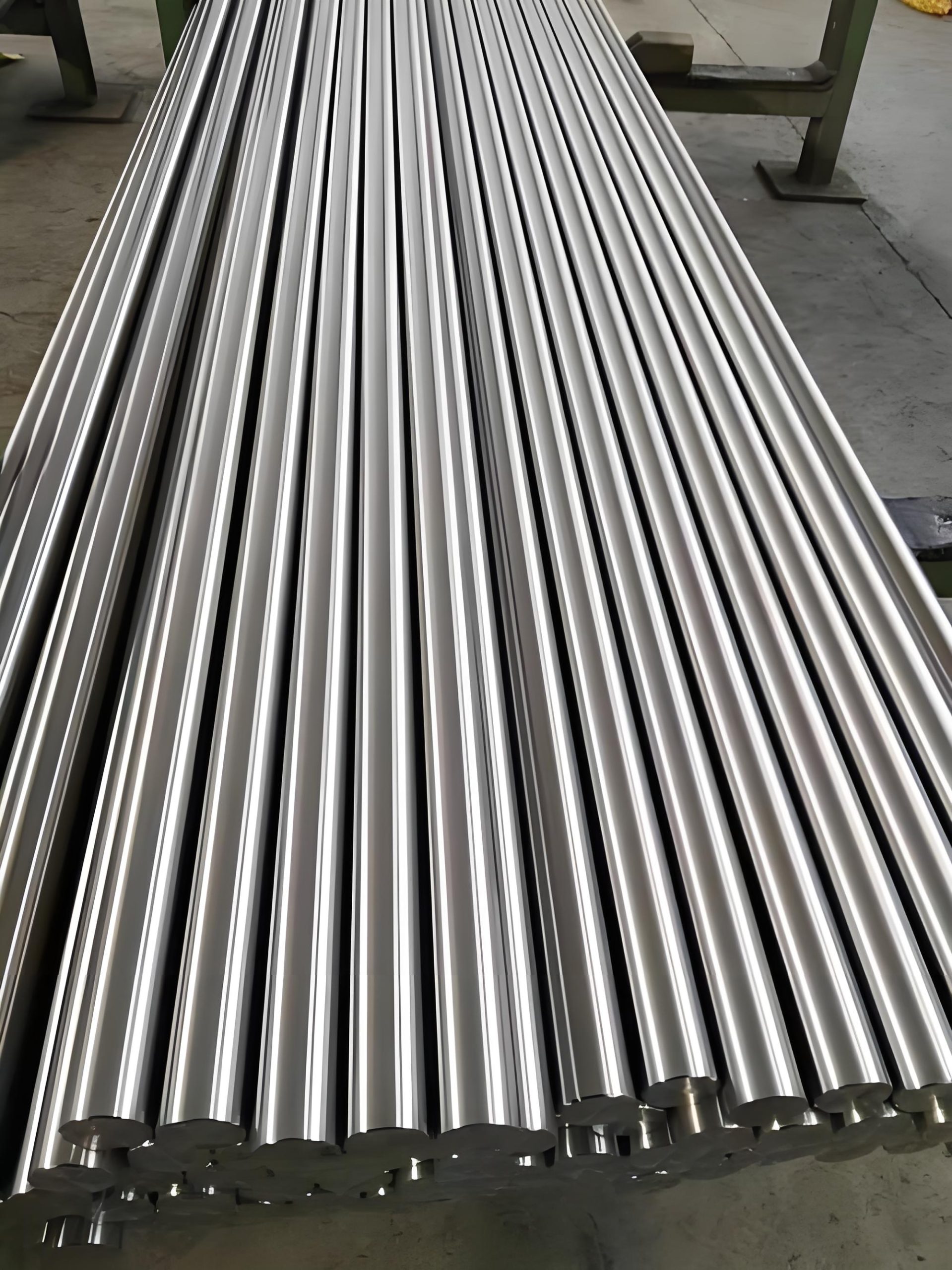
Inconel 625 is used in aerospace and high-temperature engineering because it maintains strength and oxidation resistance at elevated temperatures. Round bars may be processed into bolts, shafts, rings, engine-related parts, exhaust components, and structural hardware.
In oil and gas service, Inconel 625 round bars are used for downhole tools, sour gas components, wellhead parts, fasteners, valve trim, and corrosion-resistant cladding or overlay-related components. The combination of strength and corrosion resistance makes it suitable for severe service environments.
| Industry | Typical Inconel 625 Round Bar Components |
|---|---|
| Marine Engineering | Seawater fasteners, pump shafts, connectors, valve parts |
| Offshore Oil and Gas | Subsea components, wellhead parts, valve trim, fasteners |
| Chemical Processing | Reactor parts, agitator shafts, fittings, flanges, valve stems |
| Aerospace | High-temperature hardware, engine-related components, bolts |
| Power and Environmental Equipment | Scrubber parts, heat-resistant shafts, corrosion-resistant fasteners |
Monel 400 round bars are commonly used in marine, chemical, and mechanical applications where seawater resistance, toughness, and good general corrosion resistance are required. It is especially popular for parts exposed to seawater and brine.
Monel 400 is widely used for marine shafts, pump shafts, propeller shafts, fasteners, fittings, and valve components. Its resistance to seawater corrosion and good toughness make it suitable for rotating and load-bearing marine parts.
Monel 400 round bars are often machined into valve stems, pump shafts, impellers, sleeves, plugs, seats, and fittings. In seawater handling systems and chemical transfer equipment, Monel 400 provides good corrosion resistance and reliable mechanical performance.
Monel 400 performs well in many reducing environments and certain acid or alkaline solutions. It can be used for heat exchanger components, chemical tanks, piping parts, fittings, and process equipment where its corrosion resistance matches the service media.
In certain oilfield and brine-related environments, Monel 400 round bars are used for components that need resistance to saltwater and corrosive fluids. It is not always the highest-strength option, but it can be very practical when marine corrosion resistance and toughness are the main requirements.
| Industry | Typical Monel 400 Round Bar Components |
|---|---|
| Marine Engineering | Propeller shafts, pump shafts, seawater fasteners, fittings |
| Pump and Valve Manufacturing | Valve stems, pump shafts, sleeves, plugs, seats |
| Chemical Processing | Heat exchanger parts, fittings, tank components, process shafts |
| Oil and Gas | Brine service parts, corrosion-resistant fittings, selected valve components |
| Industrial Equipment | Machined parts, threaded rods, bolts, nuts, bushings |
In most market conditions, Inconel 625 round bars are more expensive than Monel 400 round bars. The main reasons are the higher alloying cost, more complex composition, higher molybdenum and niobium content, stronger performance requirements, and often stricter testing requirements. Monel 400 is still a premium nickel alloy, but its composition is usually less costly than Inconel 625 because it does not contain high levels of chromium, molybdenum, and niobium.
Inconel 625 contains expensive alloying elements such as molybdenum and niobium. These elements increase raw material cost and also affect production difficulty. Inconel 625 round bars may require more controlled melting, forging, heat treatment, testing, and machining allowance. For projects requiring ASTM, ASME, AMS, NACE, or other industrial standards, inspection and certification requirements can also increase the final price.
Monel 400 is often more economical for seawater parts, marine fittings, pump shafts, and valve components when the service condition does not require the higher strength and high-temperature resistance of Inconel 625. If the application is mainly room-temperature seawater service, Monel 400 can provide strong performance without the higher material cost of Inconel 625.
The price of both Inconel 625 and Monel 400 round bars depends on nickel market price, copper price, molybdenum price, bar diameter, production method, order quantity, surface condition, tolerance requirement, testing requirement, delivery time, and certification level. Large diameter forged bars, precision ground bars, urgent orders, and special testing requirements usually increase the unit price.
| Price Factor | Inconel 625 Round Bar | Monel 400 Round Bar |
|---|---|---|
| Raw Material Cost | Usually higher due to molybdenum and niobium | High, but usually lower than Inconel 625 |
| Production Difficulty | Higher | Moderate for nickel alloy production |
| Machining Cost | Usually higher | Usually lower than Inconel 625 |
| Certification Impact | Can significantly affect price | Also affects price, but often less than severe-service Inconel 625 orders |
| Best Cost Use | Severe corrosion, high strength, high temperature | Marine, seawater, pump, valve, and general corrosion service |
If the working environment requires high strength, high temperature resistance, severe pitting resistance, or offshore safety margin, the higher cost of Inconel 625 is often reasonable. If the project mainly needs seawater corrosion resistance, good toughness, and reliable machining performance, Monel 400 may provide better cost efficiency. The right choice should not be based only on the price per kilogram. Buyers should also compare service life, machining cost, failure risk, maintenance cost, and delivery requirement.
Is Inconel 625 better than Monel 400?
Inconel 625 is better than Monel 400 for high-temperature service, severe chemical corrosion, pitting resistance, crevice corrosion resistance, and high-strength applications. However, Monel 400 can be better for many seawater and marine applications where excellent nickel-copper corrosion resistance, toughness, and cost efficiency are more important than high-temperature strength. The better material depends on the working environment, not only the alloy grade.
Can Monel 400 replace Inconel 625?
Monel 400 can replace Inconel 625 only in suitable environments, such as some seawater, brine, pump, valve, and marine hardware applications where high-temperature oxidation resistance and very high strength are not required. It should not be used as a direct replacement for Inconel 625 in severe chloride pitting conditions, high-temperature service, offshore critical parts, or aggressive chemical environments without engineering confirmation.
Which is more expensive, Inconel 625 or Monel 400?
Inconel 625 is usually more expensive than Monel 400 because it contains chromium, molybdenum, and niobium, and it is often used for more demanding service conditions with stricter testing and certification requirements. Monel 400 is still a premium nickel alloy, but it is often more cost-effective for marine shafts, seawater fittings, pump parts, and valve components when its corrosion resistance is suitable for the project.
More from this category
Incoloy 825 bar price depends on the nickel-based alloy composition, bar dimensions, manufacturing route, heat-treatment condition, surface finish, in...
Incoloy 800HT bar price is shaped by nickel, chromium, titanium, and aluminum raw-material costs, together with bar dimensions, heat-treatment conditi...
Incoloy 20 round bar price per kg depends on the alloy composition, bar size, manufacturing method, surface finish, tolerance, certificates, inspectio...
Hastelloy G-30 N06030 bar factory price is determined by the alloy’s high nickel, chromium, iron, molybdenum, copper, and tungsten content, together...
 English English
  Korean
 Arabic
 Spanish
 German
 Portuguese
 French
 Russian
 Italian
 Vietnamese