
Incoloy 825 Bar Price | UNS N08825 Supplier
Incoloy 825 bar price depends on the nickel-based alloy composition, bar dimensions, manufacturing route, heat-treatment condition, surface finish, in...
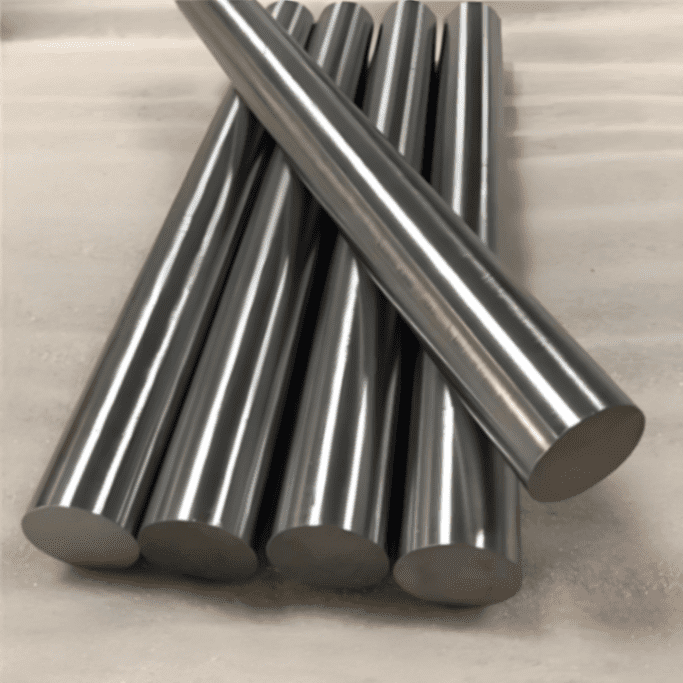
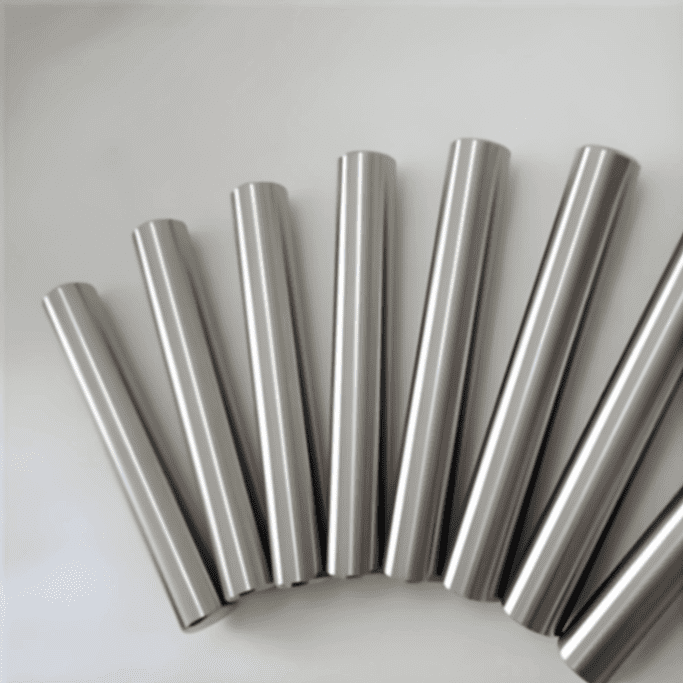
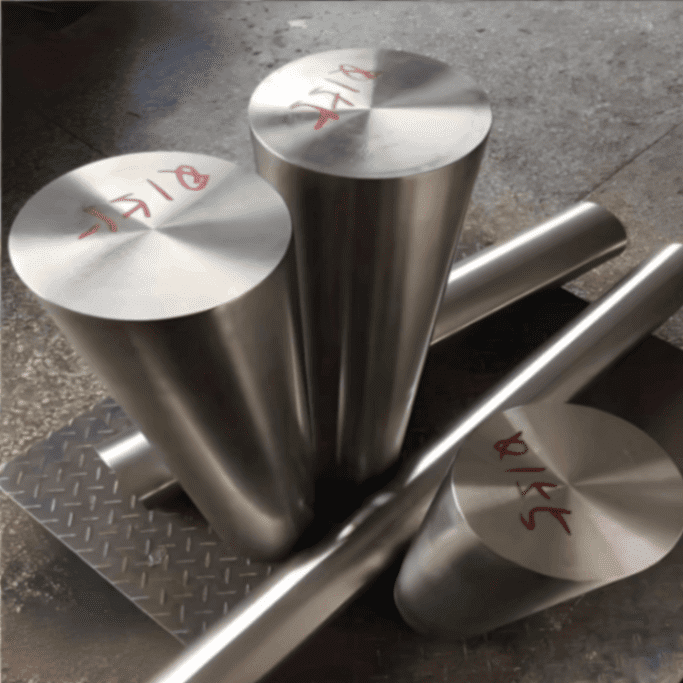
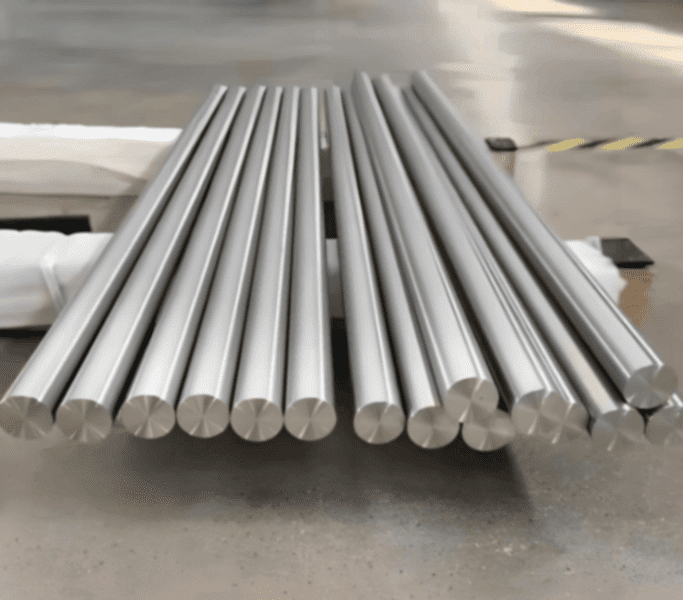
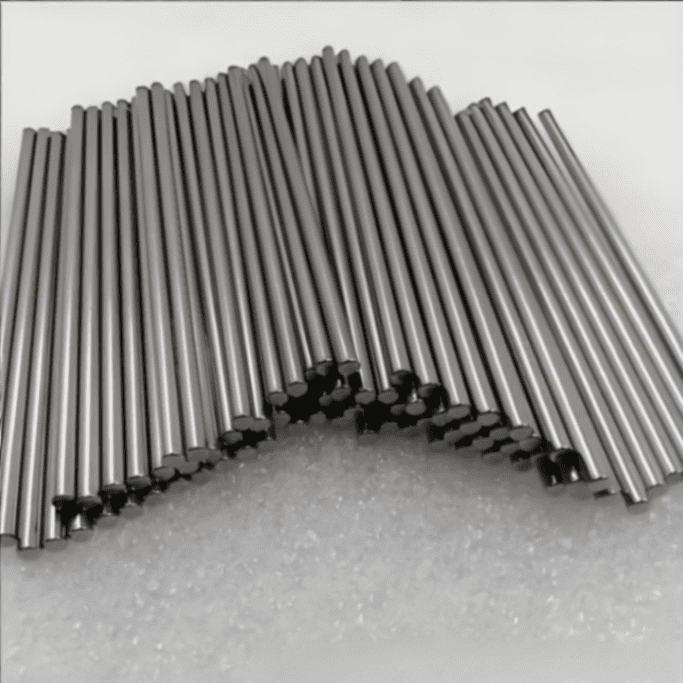
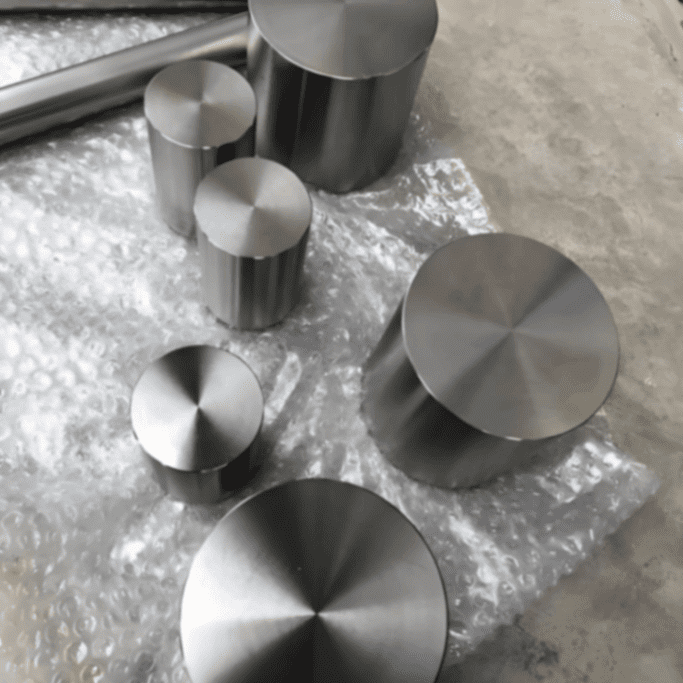
Monel 400 bar corrosion resistance is very good, especially in seawater, saltwater, brine, marine atmosphere, alkaline solutions, and many reducing corrosive environments. As a nickel-copper alloy, Monel 400 bar offers a strong balance of corrosion resistance, toughness, and mechanical stability, which is why it is widely used for marine shafts, pump parts, valve stems, fasteners, fittings, heat exchanger components, and chemical processing equipment. However, Monel 400 is not suitable for every corrosive condition. It performs best in seawater and reducing media, but it is not the first choice for strong oxidizing acids, some polluted stagnant seawater conditions, or applications requiring high-temperature oxidation resistance. For buyers, engineers, and manufacturers, understanding where Monel 400 bar performs well and where it has limitations is important before choosing it for corrosive environments.
Monel 400 bar is a nickel-copper alloy bar produced from Alloy 400, commonly known by the UNS designation N04400. It is a solid-solution alloy mainly composed of nickel and copper, with small amounts of iron, manganese, carbon, silicon, and sulfur. Unlike stainless steel, Monel 400 does not rely on high chromium content to resist corrosion. Its corrosion resistance comes mainly from the stable nickel-copper alloy structure.
Monel 400 bar is commonly supplied in round bar, flat bar, square bar, hex bar, forged bar, cold drawn bar, peeled bar, and precision ground bar forms. Among these, Monel 400 round bar is widely used for machined components such as shafts, pins, bolts, nuts, valve stems, pump rods, sleeves, marine hardware, and fittings.
Monel 400 bar is known for excellent resistance to seawater and brine, good toughness over a wide temperature range, good weldability, and reliable mechanical properties. It can be used in many environments where carbon steel corrodes quickly and ordinary stainless steel may suffer from chloride-related corrosion.
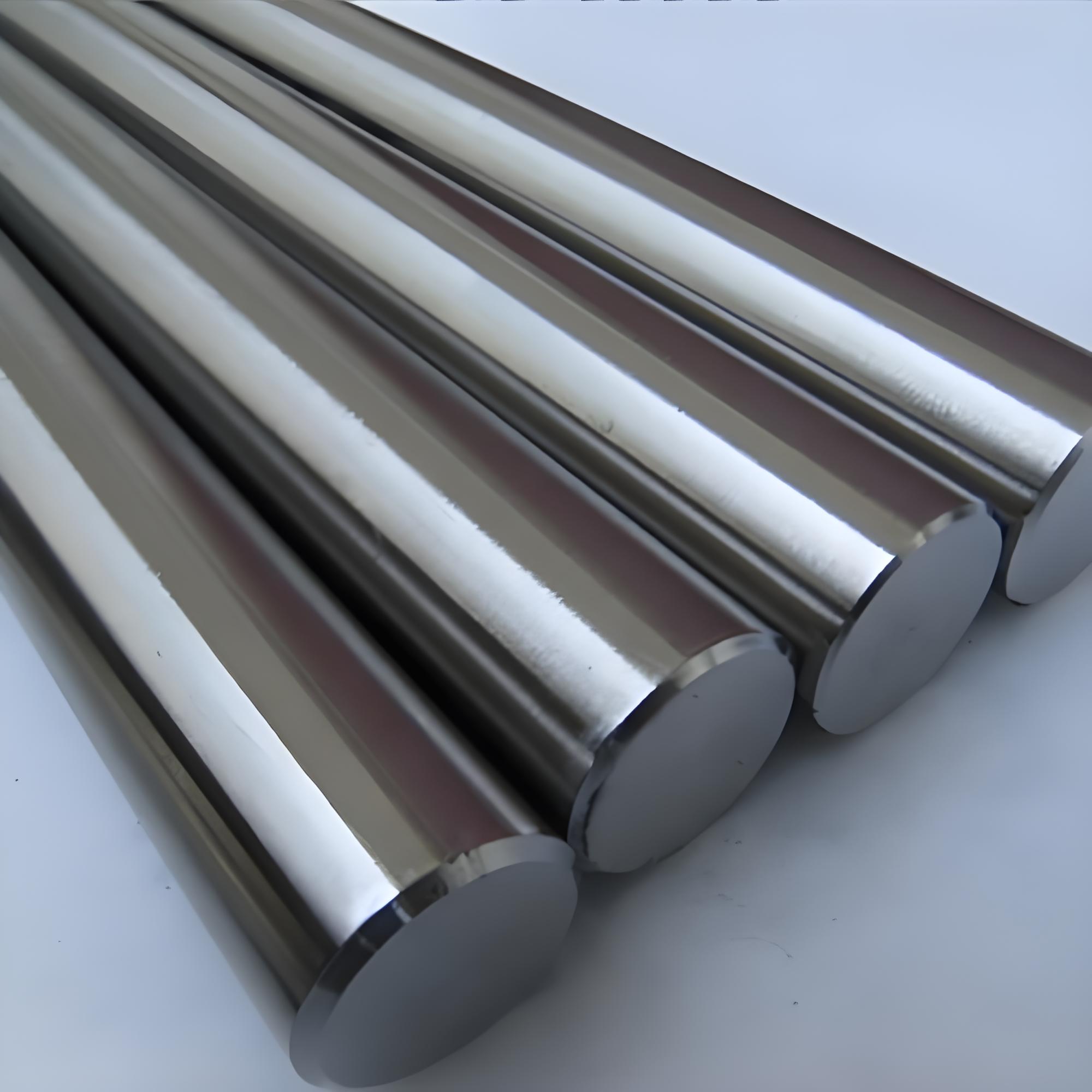
From a purchasing and manufacturing point of view, Monel 400 bar is often selected when the final component must work in seawater, marine air, salt spray, alkaline solution, or reducing chemical media. It is also useful when the part needs both corrosion resistance and mechanical strength, such as marine pump shafts, valve stems, and threaded fasteners.
| Item | Monel 400 Bar Information |
|---|---|
| Common Name | Monel 400 / Alloy 400 |
| UNS Designation | UNS N04400 |
| Main Alloy Type | Nickel-Copper Alloy |
| Main Product Forms | Round bar, flat bar, square bar, forged bar, hex bar, cold drawn bar |
| Main Advantages | Excellent seawater resistance, good toughness, good resistance to many reducing media |
| Common Uses | Marine shafts, pump parts, valve stems, fittings, fasteners, heat exchanger parts |
Monel 400 bar corrosion resistance is good in many industrial and marine environments. In fact, corrosion resistance is one of the main reasons buyers choose Monel 400 instead of carbon steel, ordinary alloy steel, or some stainless steels. The alloy performs especially well in seawater, flowing saltwater, brine, marine atmosphere, alkalis, and many reducing acids.
The direct answer is: Monel 400 bar has excellent corrosion resistance when used in the right environment. It is particularly strong in marine and saltwater service. It also performs well in many chemical processing conditions where reducing corrosion is present. However, it should not be described as a universal corrosion-proof material. Like all engineering alloys, Monel 400 has limitations. It is not the best choice for strong oxidizing acids, highly oxidizing salt solutions, or environments where high-temperature oxidation resistance is the main requirement.
Monel 400 bar is highly suitable for seawater systems, marine shafts, brine handling equipment, pump components, valve parts, and alkaline processing equipment. It is also used in certain acid service, especially where the environment is reducing rather than strongly oxidizing.
Monel 400 bar should be carefully evaluated in stagnant seawater, polluted seawater, aerated acidic chloride solutions, strong oxidizing acids, ferric chloride, nitric acid, and hot oxidizing environments. In these conditions, other nickel alloys such as Inconel 625, Hastelloy C-276, or higher-alloy stainless steels may be more suitable depending on the project requirement.
| Corrosion Environment | Monel 400 Bar Performance | Selection Note |
|---|---|---|
| Seawater | Excellent | One of the most common environments for Monel 400 |
| Saltwater and Brine | Excellent | Suitable for many marine and salt processing parts |
| Marine Atmosphere | Very Good | Good resistance to salt spray and humid marine air |
| Alkaline Solutions | Very Good | Often used in alkali handling equipment |
| Reducing Acids | Good to Excellent | Depends on concentration, temperature, and impurities |
| Strong Oxidizing Acids | Limited | Usually not the best material choice |
| High-Temperature Oxidation | Moderate | Inconel alloys are usually better for this condition |
Monel 400 has strong corrosion resistance mainly because of its nickel-copper alloy structure. Nickel provides general corrosion resistance, stability, and toughness, while copper improves resistance in seawater and many reducing environments. The combination creates an alloy that can resist corrosion in conditions where ordinary steels may fail quickly.
Unlike stainless steel, Monel 400 does not depend on a chromium oxide passive film as its main protection mechanism. This is one reason Monel 400 can perform well in some reducing environments where stainless steel may not be stable enough. It is also one reason Monel 400 is widely used in seawater and brine service.
Nickel is highly valuable in corrosion-resistant alloys because it improves resistance to many corrosive media and helps maintain ductility and toughness. In Monel 400, the high nickel content gives the alloy a stable base structure and helps resist general corrosion in many water-based and chemical environments.
Copper plays an important role in Monel 400 corrosion resistance. It improves performance in seawater, brine, and certain reducing acid environments. The high copper level is one of the major reasons Monel 400 has been used for marine equipment for many years.
Controlled iron, manganese, carbon, silicon, and sulfur contents help maintain the alloy’s balance. Excessive impurities can affect corrosion behavior, hot working performance, welding quality, and final surface condition. For corrosion-resistant applications, material quality and proper production control are important, not only the alloy grade name.
The corrosion resistance of Monel 400 bar is directly connected to its chemical composition. The alloy is mainly composed of nickel and copper. This nickel-copper system gives Monel 400 its characteristic resistance to seawater, brine, alkalis, and many reducing media.
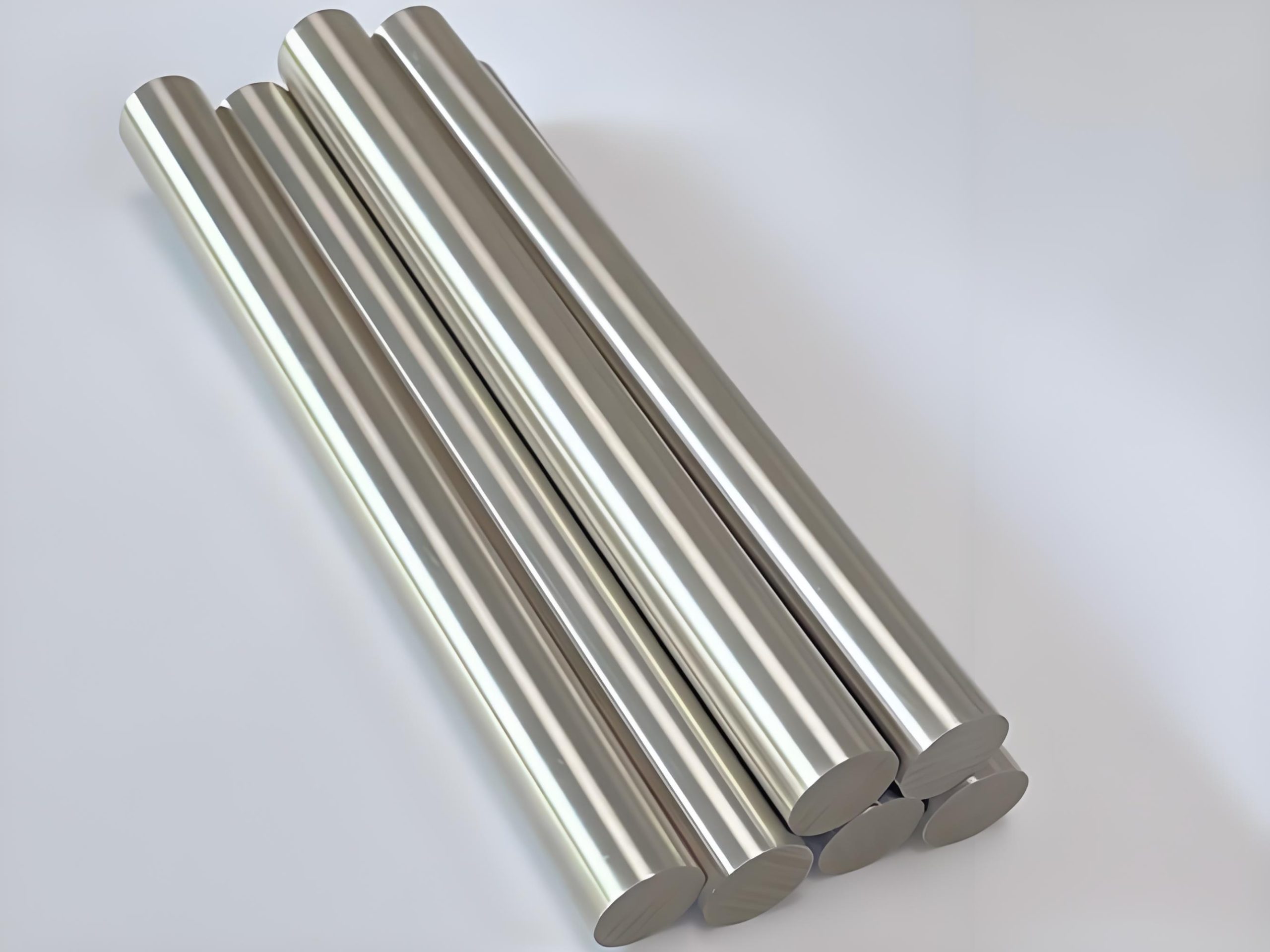
When buyers compare Monel 400 bar with stainless steel or Inconel bar, the composition difference explains why these materials behave differently. Stainless steel depends heavily on chromium. Inconel 625 depends on nickel, chromium, molybdenum, and niobium. Monel 400 depends mainly on nickel and copper.
| Element | Typical Role in Monel 400 Bar | Effect on Corrosion Resistance |
|---|---|---|
| Nickel | Main base element | Provides general corrosion resistance, toughness, and stability |
| Copper | Major alloying element | Improves resistance to seawater, brine, and many reducing environments |
| Iron | Minor controlled element | Affects strength and alloy balance when controlled properly |
| Manganese | Minor controlled element | Helps with deoxidation and metallurgical control |
| Carbon | Limited impurity element | Should be controlled to maintain material quality |
| Silicon | Minor element | Controlled for processing and alloy quality |
| Sulfur | Very limited impurity | Excess sulfur may affect hot workability and corrosion performance |
For corrosive environments, buyers should not only ask whether the material is Monel 400. They should also check whether the bar is supplied with proper material certificates, heat number traceability, chemical composition report, mechanical property report, and inspection documents. In marine and chemical applications, small differences in material quality, surface condition, and processing can influence final service life.
Because Monel 400 does not contain high chromium or molybdenum, it should not be expected to behave like Inconel 625 or Hastelloy C-276. Its strongest area is seawater, brine, and reducing corrosion resistance. If the environment requires strong pitting resistance in highly oxidizing chloride solutions, a molybdenum-bearing nickel alloy may be more suitable.
Monel 400 bar performs very well in seawater environments, especially in flowing seawater. This is one of the most recognized advantages of the alloy. For marine equipment manufacturers, Monel 400 is often used when the component must resist saltwater corrosion while maintaining strength and toughness.
In seawater service, Monel 400 is commonly used for pump shafts, propeller shafts, valve stems, fasteners, fittings, sleeves, and heat exchanger components. It can resist general seawater corrosion and provides long service life in many marine conditions.
Monel 400 generally performs better in flowing seawater than in stagnant seawater. In flowing seawater, the surface condition remains more stable, and the risk of localized corrosion caused by deposits, mud, biological growth, or oxygen concentration differences is reduced.
This is why Monel 400 is often used for moving or operating marine components such as shafts, pump parts, and seawater handling equipment. When seawater flow is stable and the system is properly designed, Monel 400 can provide excellent service performance.
In stagnant seawater or crevice areas, any corrosion-resistant alloy needs careful evaluation. Deposits, microorganisms, low oxygen areas, and trapped chloride solution can increase localized corrosion risk. Monel 400 is strong in marine environments, but design details still matter. Crevices, blind holes, threaded gaps, and poor drainage should be minimized where possible.
Monel 400 round bar is commonly used for marine shafts because it combines seawater resistance with toughness and mechanical reliability. For shaft applications, buyers should pay attention to straightness, diameter tolerance, surface finish, ultrasonic testing if required, and machining allowance. A good Monel 400 shaft bar should not only have the correct chemical composition but also stable mechanical properties and clean surface quality.
| Seawater Condition | Monel 400 Bar Performance | Engineering Note |
|---|---|---|
| Flowing Seawater | Excellent | One of the best application areas for Monel 400 |
| Marine Atmosphere | Very Good | Suitable for salt spray and coastal exposure |
| Stagnant Seawater | Good, but needs design control | Avoid crevices, deposits, and poor drainage |
| Polluted Seawater | Depends on pollutants | Water chemistry should be checked before selection |
| High-Velocity Seawater | Generally good | System design and erosion-corrosion risk should be reviewed |
Monel 400 bar has very good resistance to saltwater, brine, and marine atmosphere. These environments contain chloride ions, moisture, and oxygen, which can quickly attack carbon steel and may also cause pitting or crevice corrosion in some stainless steels. Monel 400 is often selected because it can handle these conditions more reliably.
Saltwater exposure is common in ships, offshore platforms, coastal facilities, desalination equipment, and marine processing systems. Monel 400 bar is suitable for many saltwater-contact parts because it resists corrosion from chloride-containing water better than many common metals.
For saltwater applications, surface finish and part design are important. Smooth machined surfaces usually perform better than rough, damaged, or contaminated surfaces. After machining, proper cleaning can help remove cutting fluids, iron particles, and surface contamination that may affect corrosion performance.
Brine can be more aggressive than ordinary seawater because of higher salt concentration. Monel 400 bar is commonly used in brine handling systems, salt production equipment, heat exchanger parts, pump components, and valve parts. Its nickel-copper composition gives it strong resistance to many brine conditions.
However, brine temperature, oxygen content, flow rate, impurities, and pH value must be considered. Hot, stagnant, oxygenated, or contaminated brine may create a more severe corrosion condition. For critical equipment, material selection should be based on actual working data rather than only the general alloy description.
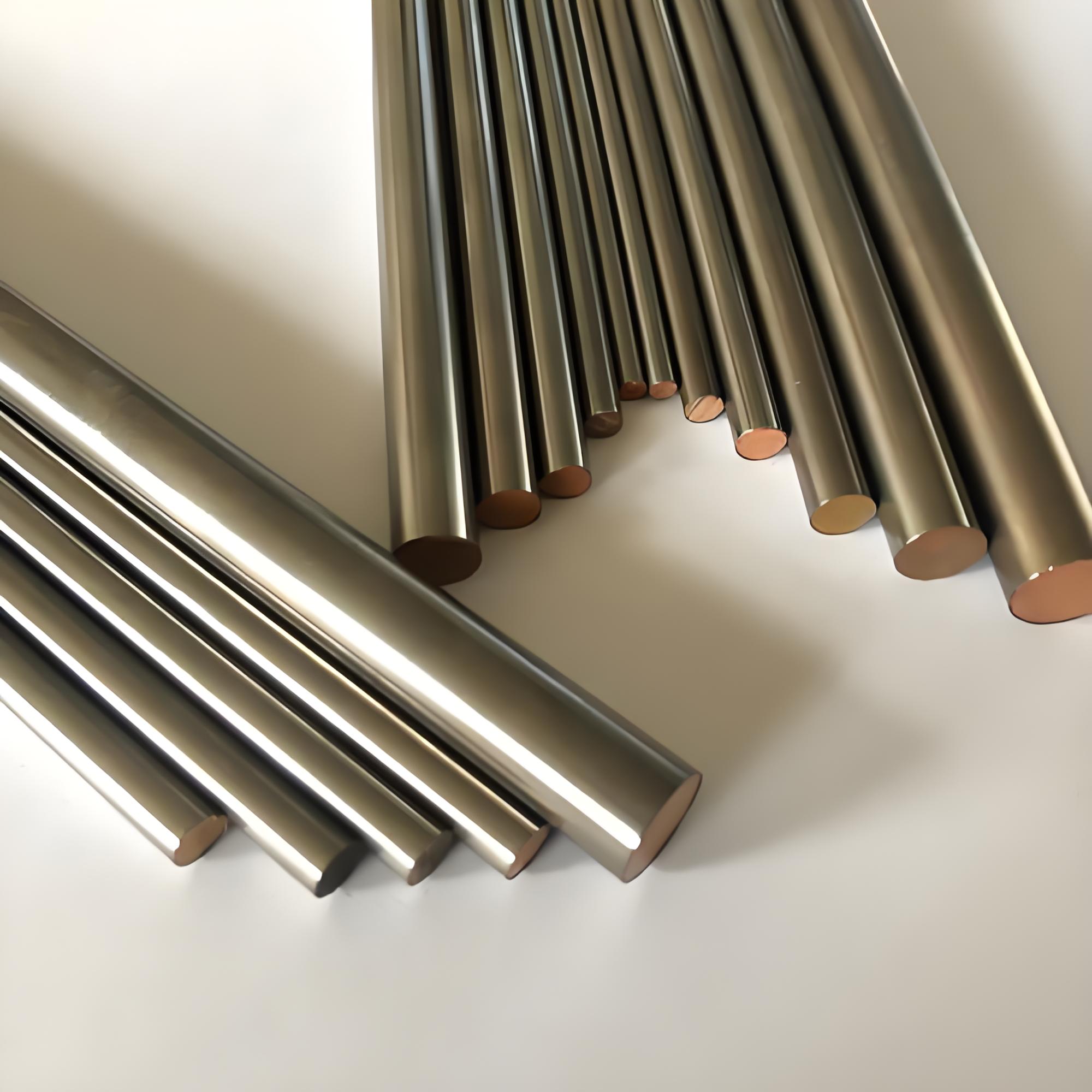
Marine atmosphere contains salt spray, humidity, and airborne chlorides. Monel 400 bar or machined Monel 400 components can resist this environment very well. It is suitable for coastal hardware, ship components, offshore fittings, and exposed marine fasteners.
| Environment | Typical Risk for Common Metals | Monel 400 Bar Advantage |
|---|---|---|
| Saltwater | Rusting, pitting, chloride attack | Strong resistance to chloride-containing water |
| Brine | Accelerated corrosion due to high salt concentration | Good performance in many brine systems |
| Marine Atmosphere | Salt spray corrosion and surface rust | Good resistance to coastal and offshore exposure |
| Coastal Industrial Air | Combined chloride and pollution attack | Better than carbon steel and many ordinary materials |
Monel 400 bar can resist many acids and alkaline solutions, but its performance depends heavily on the type of chemical, concentration, temperature, aeration, impurities, and flow condition. It is especially useful in many reducing environments, but it is less suitable for strong oxidizing acids.
Monel 400 has good resistance to many reducing acids under suitable conditions. It is known for its resistance to hydrofluoric acid in certain concentrations and temperatures, and it can also be used in some sulfuric acid and hydrochloric acid conditions depending on concentration, temperature, and aeration.
However, acid service should never be selected only by alloy name. Even a small change in temperature, concentration, oxygen content, or impurity level can change corrosion behavior. For acid processing equipment, corrosion data and project conditions should be checked carefully before using Monel 400 bar.
Monel 400 bar generally performs very well in alkaline solutions. Nickel-copper alloys are often suitable for caustic alkali environments, which makes Monel 400 useful in chemical processing, alkali handling, and certain industrial production systems.
When using Monel 400 in alkaline service, buyers should still consider temperature, concentration, stress, and possible contamination. If the environment includes oxidizing salts or mixed chemicals, the corrosion behavior may be different from pure alkali service.
Monel 400 is generally not recommended for strong oxidizing acids such as nitric acid. Oxidizing media can attack nickel-copper alloys more aggressively. In such cases, stainless steels with suitable chromium content, Inconel alloys, or Hastelloy alloys may be more appropriate depending on the full service condition.
| Chemical Environment | Monel 400 Bar Performance | Selection Advice |
|---|---|---|
| Reducing Acids | Good to excellent in selected conditions | Check concentration, temperature, and aeration |
| Hydrofluoric Acid | Often good in suitable conditions | Requires careful engineering confirmation |
| Alkaline Solutions | Very good | Suitable for many alkali handling parts |
| Strong Oxidizing Acids | Limited | Usually choose another alloy |
| Mixed Chemical Media | Depends on chemistry | Material selection should be based on actual working data |
Monel 400 bar has good resistance to stress corrosion cracking in many environments, especially compared with some stainless steels in chloride-containing conditions. Stress corrosion cracking is a dangerous type of failure because it can occur when tensile stress and a corrosive environment act together. The part may look acceptable on the surface but develop cracks over time.
In marine equipment, chemical processing systems, and pressurized components, parts are often exposed to both mechanical stress and corrosive media. Shafts, bolts, valve stems, pump rods, and threaded parts may carry load while also contacting seawater or chemical solutions. If the material is sensitive to stress corrosion cracking in that environment, failure can happen earlier than expected.
Monel 400 is often more resistant to chloride stress corrosion cracking than many stainless steels. This is one reason it is used in marine and saltwater applications. Its nickel-copper structure offers better stability in many chloride-containing conditions.
Although Monel 400 has good resistance, stress corrosion cracking resistance also depends on material condition, residual stress, cold work level, welding quality, and component design. Cold drawn bars may have higher strength but also more residual stress. For critical corrosion applications, annealed or properly stress-relieved material may be preferred depending on the design.
| Factor | Effect on Stress Corrosion Cracking Risk |
|---|---|
| Tensile Stress | Higher stress can increase cracking risk in sensitive environments |
| Cold Work | May increase strength but can also increase residual stress |
| Welding | Poor welding practice may introduce stress and defects |
| Crevice Design | Crevices may concentrate corrosive media and increase local attack |
| Surface Condition | Clean and smooth surfaces usually improve corrosion performance |
Monel 400 bar can be used in some elevated-temperature corrosive environments, but it is not primarily a high-temperature oxidation-resistant alloy. Its main strength is corrosion resistance in seawater, brine, alkalis, and many reducing media. When the application involves high-temperature oxidation, thermal cycling, hot gases, or severe hot corrosion, other nickel alloys may be better.
In moderate-temperature chemical or marine applications, Monel 400 may perform well if the environment matches its corrosion resistance range. For example, some heated brine, alkali, or reducing chemical systems may use Monel 400 components successfully.
However, higher temperature usually increases corrosion rate. A chemical solution that is acceptable at room temperature may become aggressive at elevated temperature. Therefore, temperature is one of the most important details buyers should provide when requesting Monel 400 bar for corrosion service.
Because Monel 400 does not contain high chromium, its oxidation resistance is not as strong as Inconel 600, Inconel 625, or other nickel-chromium alloys. If the bar will be used for hot gas, furnace hardware, exhaust components, or high-temperature oxidizing atmospheres, Inconel alloys are usually more suitable.
Hot corrosion environments can be complex because temperature, oxygen, chlorides, sulfur compounds, and chemical vapors may attack the metal together. In such cases, Monel 400 may not provide enough safety margin. Material selection should consider both corrosion resistance and high-temperature strength.
| High-Temperature Condition | Monel 400 Suitability | Possible Alternative |
|---|---|---|
| Moderate-temperature seawater or brine | Often suitable after evaluation | Monel 400 may be a good choice |
| Hot alkali service | Often suitable depending on concentration | Monel 400 or other nickel alloys |
| High-temperature oxidation | Limited | Inconel 600, Inconel 625, or other nickel-chromium alloys |
| Hot chloride corrosion | Needs careful review | Inconel 625, Hastelloy alloys, or special nickel alloys |
| Furnace or exhaust parts | Usually not the first choice | Heat-resistant nickel alloys |
Monel 400 bar is often compared with stainless steel and Inconel alloy bars because all three material groups are used for corrosion-resistant parts. The right choice depends on the corrosion environment, temperature, strength requirement, machining cost, and total project budget.
Compared with common stainless steels such as 304 and 316, Monel 400 usually provides better performance in many seawater and reducing environments. Stainless steel depends on chromium for corrosion resistance, and chloride ions can attack the passive film, causing pitting and crevice corrosion. 316 stainless steel contains molybdenum and performs better than 304 in chloride environments, but Monel 400 is often preferred for more demanding marine service.
However, stainless steel is usually much cheaper and easier to source. If the environment is mild, stainless steel may be enough. Monel 400 becomes more valuable when ordinary stainless steel cannot provide enough service life or when marine corrosion is the main concern.
Inconel 625 bar has stronger resistance to severe pitting, crevice corrosion, high-temperature oxidation, and many aggressive chemical environments. It also generally has higher strength than Monel 400. This is because Inconel 625 contains chromium, molybdenum, and niobium in addition to nickel.
Monel 400 bar, on the other hand, is often more cost-effective for seawater, brine, marine shafts, pump parts, and valve parts when high-temperature strength or severe chemical corrosion resistance is not required. If the main working environment is seawater and the project does not require the high-performance range of Inconel 625, Monel 400 can be a practical choice.
Hastelloy alloys such as C-276 are usually selected for highly aggressive chemical environments, especially where strong resistance to mixed acids, chlorides, and oxidizing-reducing media is required. Monel 400 is not a direct replacement for Hastelloy in severe chemical processing service. Its advantage is more focused on seawater, brine, alkalis, and selected reducing media.
| Material | Main Corrosion Strength | Typical Advantage | Common Limitation |
|---|---|---|---|
| Monel 400 Bar | Seawater, brine, marine atmosphere, reducing media | Excellent marine resistance and good toughness | Not ideal for strong oxidizing acids or high-temperature oxidation |
| 304 Stainless Steel Bar | Mild atmospheric and general corrosion | Low cost and easy availability | Limited chloride resistance |
| 316 Stainless Steel Bar | Better chloride resistance than 304 | Good general industrial corrosion resistance | Can still suffer pitting in seawater |
| Inconel 625 Bar | Severe corrosion, pitting, crevice corrosion, high-temperature oxidation | High strength and wide corrosion resistance | Higher cost and more difficult machining |
| Hastelloy C-276 Bar | Aggressive chemical corrosion and mixed media | Excellent chemical processing performance | High material cost |
Monel 400 bar is used in many industries where corrosion resistance is a key requirement. Its most common applications are connected with seawater, saltwater, brine, marine atmosphere, pump systems, valve systems, chemical processing, and alkaline media.
Marine engineering is one of the most important application areas for Monel 400 bar. The alloy is commonly used for propeller shafts, pump shafts, seawater fasteners, valve stems, fittings, sleeves, and hardware exposed to seawater or marine air. Its good resistance to seawater corrosion helps extend part service life.
Monel 400 round bar is often machined into pump shafts, valve stems, seats, plugs, sleeves, and threaded parts. In seawater handling equipment and chemical transfer systems, these parts must resist corrosion while maintaining dimensional stability and mechanical strength.
Monel 400 bar is used in selected chemical processing applications involving reducing media, alkalis, brine, and compatible acids. Components may include agitator shafts, fittings, fasteners, heat exchanger parts, and process equipment hardware.
Because Monel 400 performs well in seawater and brine, it can be used in heat exchanger and condenser components where saltwater cooling is involved. The final choice depends on temperature, flow rate, water chemistry, and required service life.
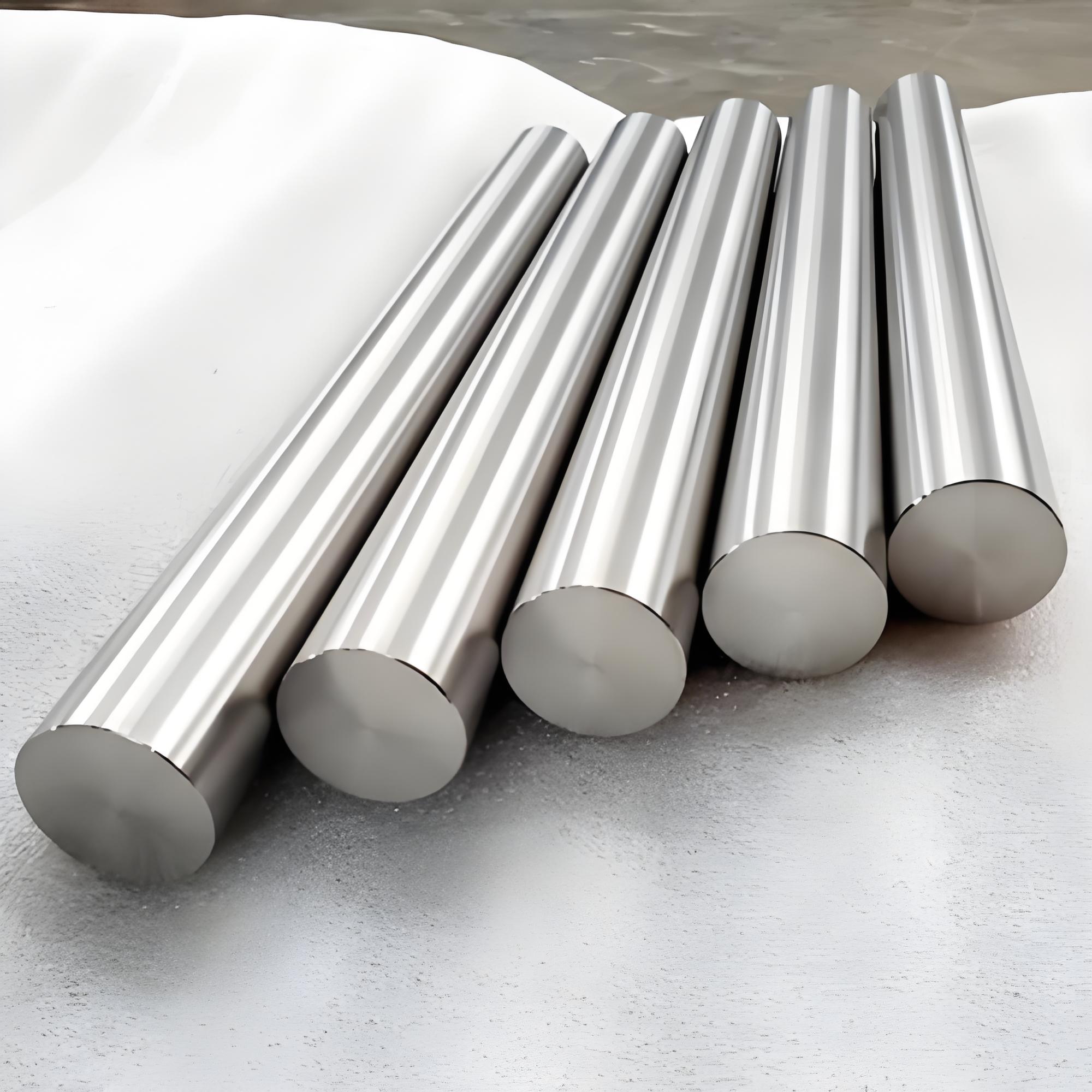
In selected oil and gas applications, Monel 400 bar may be used for corrosion-resistant fittings, fasteners, brine service parts, and valve components. If the environment contains severe sour gas, high pressure, high temperature, or strong chloride stress, other nickel alloys may need to be considered.
| Industry | Common Monel 400 Bar Components | Reason for Use |
|---|---|---|
| Marine | Propeller shafts, pump shafts, fittings, fasteners | Excellent seawater and saltwater resistance |
| Pump and Valve | Valve stems, pump rods, plugs, seats, sleeves | Corrosion resistance plus mechanical toughness |
| Chemical Processing | Agitator shafts, fittings, fasteners, process hardware | Good resistance to selected acids, alkalis, and reducing media |
| Heat Exchanger | Tube sheets, rods, hardware, support parts | Good performance in seawater cooling systems |
| Oil and Gas | Brine service parts, valve components, fittings | Useful in selected saltwater and corrosive fluid service |
Although Monel 400 bar has excellent corrosion resistance in many environments, actual performance can be affected by several factors. The alloy grade is important, but service life also depends on temperature, chemical concentration, flow rate, oxygen content, surface condition, stress level, fabrication quality, and maintenance conditions.
Higher temperature usually increases corrosion activity. A solution that causes little corrosion at room temperature may become aggressive when heated. When ordering Monel 400 bar for chemical or brine service, operating temperature should always be provided.
Corrosion resistance depends strongly on chemical concentration. Acid, alkali, salt, and brine concentrations can change corrosion behavior. For acid service, concentration must be checked carefully because Monel 400 may perform well in one concentration range but not in another.
Oxygen content can influence corrosion behavior, especially in acid solutions. Monel 400 is often stronger in reducing environments than in oxidizing environments. If the solution is highly aerated or contains oxidizing impurities, corrosion resistance may decrease.
Flowing seawater is usually favorable for Monel 400, but very high velocity, turbulence, suspended solids, or abrasive particles may increase erosion-corrosion risk. Pump and piping design should reduce sharp changes in direction, dead zones, and unnecessary turbulence.
Crevices, deposits, gasket gaps, threaded areas, and stagnant pockets can create localized corrosion conditions. Even corrosion-resistant alloys may suffer when corrosive media are trapped in poorly designed areas. Good component design helps improve service life.
Surface quality affects corrosion performance. A smooth, clean surface usually performs better than a rough, scratched, contaminated, or iron-polluted surface. After machining, welding, or grinding, Monel 400 parts should be properly cleaned to remove foreign particles and processing residues.
Improper welding, overheating, contamination, or poor filler selection can affect corrosion resistance. Monel 400 can be welded, but welding should follow proper nickel-copper alloy procedures. For critical corrosion applications, weld quality inspection may be required.
| Factor | How It Affects Monel 400 Bar | Practical Advice |
|---|---|---|
| Temperature | Higher temperature may increase corrosion rate | Provide actual working temperature when selecting material |
| Chemical Concentration | Different concentrations can change corrosion behavior | Check compatibility with actual media |
| Oxygen Content | Oxidizing conditions may reduce performance | Review aeration and oxidizing impurities |
| Flow Rate | Normal flow is often good, but extreme turbulence may cause erosion | Optimize pump and piping design |
| Crevices | Can increase localized corrosion risk | Avoid dead zones, deposits, and tight gaps |
| Surface Condition | Contamination may reduce corrosion resistance | Use proper cleaning after machining or fabrication |
| Material Quality | Composition and processing quality affect final performance | Request material certificate and inspection documents |
Choosing the right Monel 400 bar for corrosive environments requires more than confirming the grade name. Buyers should consider service media, temperature, pressure, mechanical load, bar size, surface condition, tolerance, testing requirement, and final machining use. A correct material selection process helps avoid early corrosion failure and unnecessary cost.
The first step is to identify the exact corrosive environment. Is the bar used in seawater, brine, marine atmosphere, alkali, acid, or mixed chemical solution? Is the environment flowing or stagnant? Is it clean or polluted? Is there oxygen, chlorine, sulfur compound, or abrasive solid? These details directly affect whether Monel 400 is suitable.
Temperature and concentration are essential for chemical service. Monel 400 may perform well in one condition but not in another. Buyers should provide the working temperature, concentration range, pH value if available, and whether the medium is continuous or intermittent.
Monel 400 bar can be supplied in hot rolled, forged, annealed, cold drawn, peeled, polished, or ground condition. For heavy-duty machined parts, forged or hot rolled bars may be selected. For precision shafts or valve stems, peeled or centerless ground bars may reduce machining work and improve dimensional control.
Corrosion resistance is important, but the part must also have suitable strength, hardness, toughness, and fatigue resistance. For shafts, threaded parts, and pressure components, mechanical properties should be checked together with corrosion resistance.
For industrial projects, Monel 400 bar is often ordered according to ASTM, ASME, or project-specific standards. Buyers should request a material test certificate showing chemical composition, mechanical properties, heat number, size, delivery condition, and inspection results.
If the Monel 400 bar will be machined into corrosion-resistant components, surface quality and diameter tolerance are important. A rough or defective surface may increase machining allowance and cost. For parts directly exposed to corrosion, final surface cleaning and finishing should also be controlled.
| Selection Point | What to Check | Why It Matters |
|---|---|---|
| Corrosive Medium | Seawater, brine, acid, alkali, gas, mixed solution | Determines whether Monel 400 is suitable |
| Temperature | Normal, moderate, or high temperature | Corrosion rate may increase at higher temperature |
| Flow Condition | Flowing, stagnant, turbulent, or abrasive | Affects localized corrosion and erosion risk |
| Bar Size | Diameter, length, tolerance, straightness | Important for machining and final component accuracy |
| Delivery Condition | Hot rolled, forged, annealed, peeled, ground | Affects strength, surface quality, and machining cost |
| Testing Requirement | UT, PMI, mechanical test, chemical analysis | Improves quality control for critical applications |
| Certification | MTC, heat number, standard compliance | Supports traceability and project acceptance |
Monel 400 bar is a good choice when the main requirement is corrosion resistance in seawater, saltwater, brine, marine atmosphere, alkalis, or compatible reducing media. It is also suitable when the final part needs toughness, moderate strength, good weldability, and reliable machining performance.
If the working condition includes strong oxidizing acids, severe pitting risk, high-temperature oxidation, hot chloride corrosion, or extremely aggressive mixed chemical media, another alloy may be better. Inconel 625, Hastelloy C-276, Alloy 20, duplex stainless steel, or other nickel alloys may be considered depending on the environment.
Is Monel 400 good for seawater?
Yes, Monel 400 is very good for seawater service, especially in flowing seawater, saltwater, brine, and marine atmosphere. It is commonly used for marine shafts, pump parts, valve stems, fasteners, fittings, and seawater handling equipment. For stagnant or polluted seawater, the design should avoid crevices, deposits, and dead zones to reduce localized corrosion risk.
Does Monel 400 rust?
Monel 400 does not rust like carbon steel because it is a nickel-copper alloy rather than an iron-based steel. It has excellent resistance to many corrosive environments, especially seawater and brine. However, it can still corrode in unsuitable conditions such as strong oxidizing acids, highly aggressive polluted media, or poorly designed crevice areas. Proper material selection and surface cleaning are still important.
Is Monel 400 better than stainless steel?
Monel 400 is better than common stainless steel in many seawater, saltwater, brine, and reducing corrosion environments. It is often chosen when 304 or 316 stainless steel cannot provide enough corrosion resistance in chloride service. However, stainless steel is usually cheaper and may be enough for mild environments. Monel 400 is the better choice when marine corrosion resistance, toughness, and longer service life are more important than low material cost.
More from this category
Incoloy 825 bar price depends on the nickel-based alloy composition, bar dimensions, manufacturing route, heat-treatment condition, surface finish, in...
Incoloy 800HT bar price is shaped by nickel, chromium, titanium, and aluminum raw-material costs, together with bar dimensions, heat-treatment conditi...
Incoloy 20 round bar price per kg depends on the alloy composition, bar size, manufacturing method, surface finish, tolerance, certificates, inspectio...
Hastelloy G-30 N06030 bar factory price is determined by the alloy’s high nickel, chromium, iron, molybdenum, copper, and tungsten content, together...
 English English
  Korean
 Arabic
 Spanish
 German
 Portuguese
 French
 Russian
 Italian
 Vietnamese