- E-mail: [email protected]
- WhatsApp: +86 18533346372
Home > Products > Inconel bar > Inconel 718/UNS N07718/W-Nr.2.4668/Alloy 718 bar
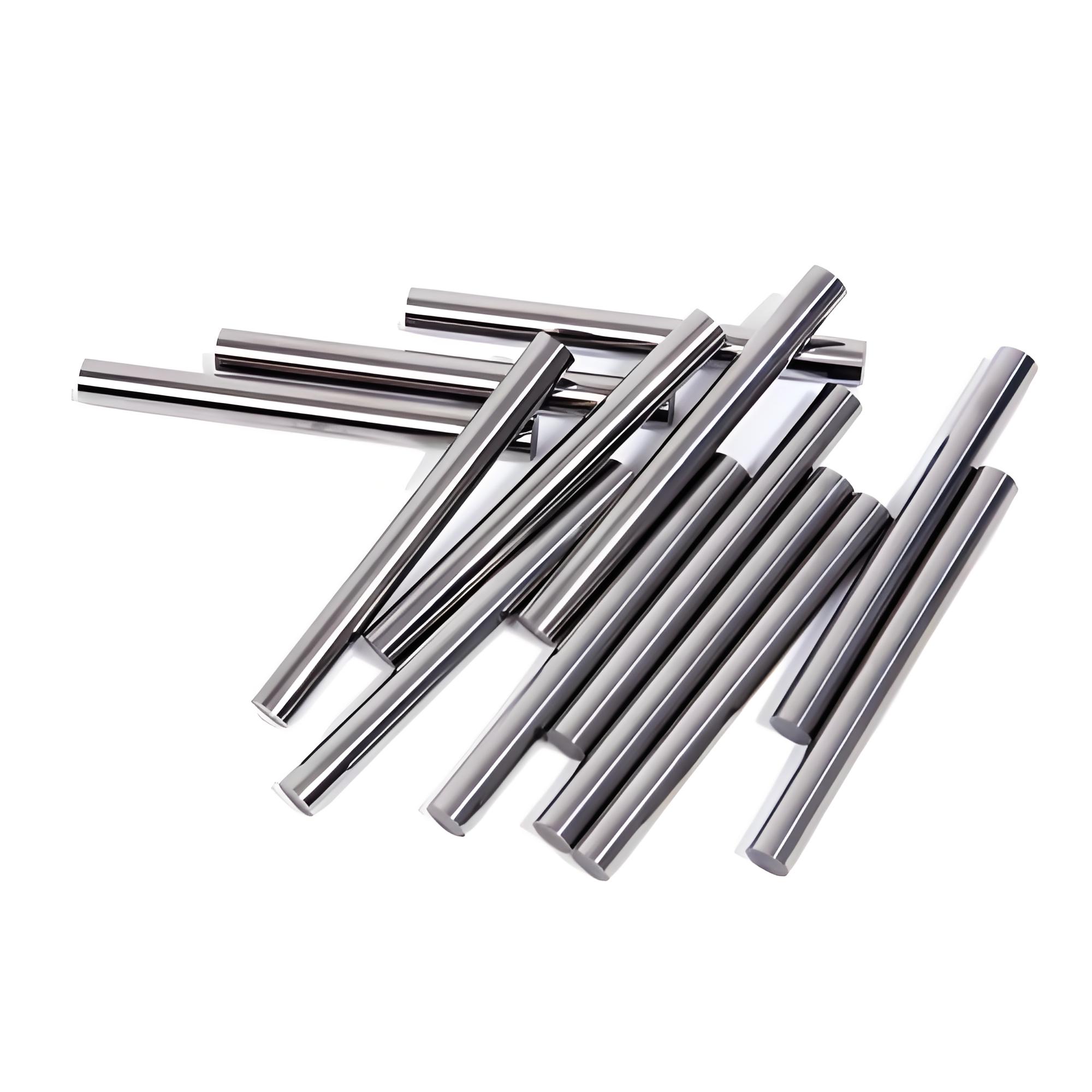
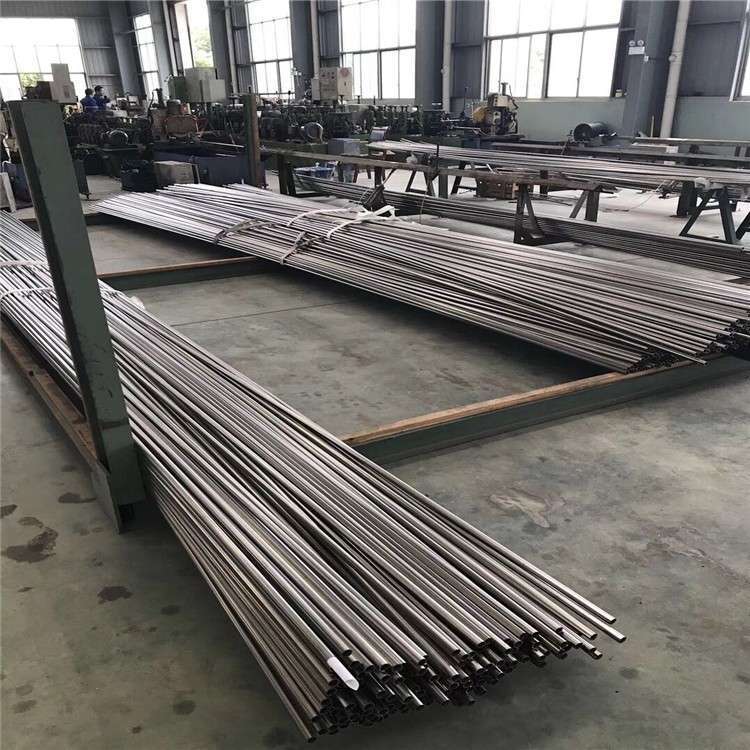
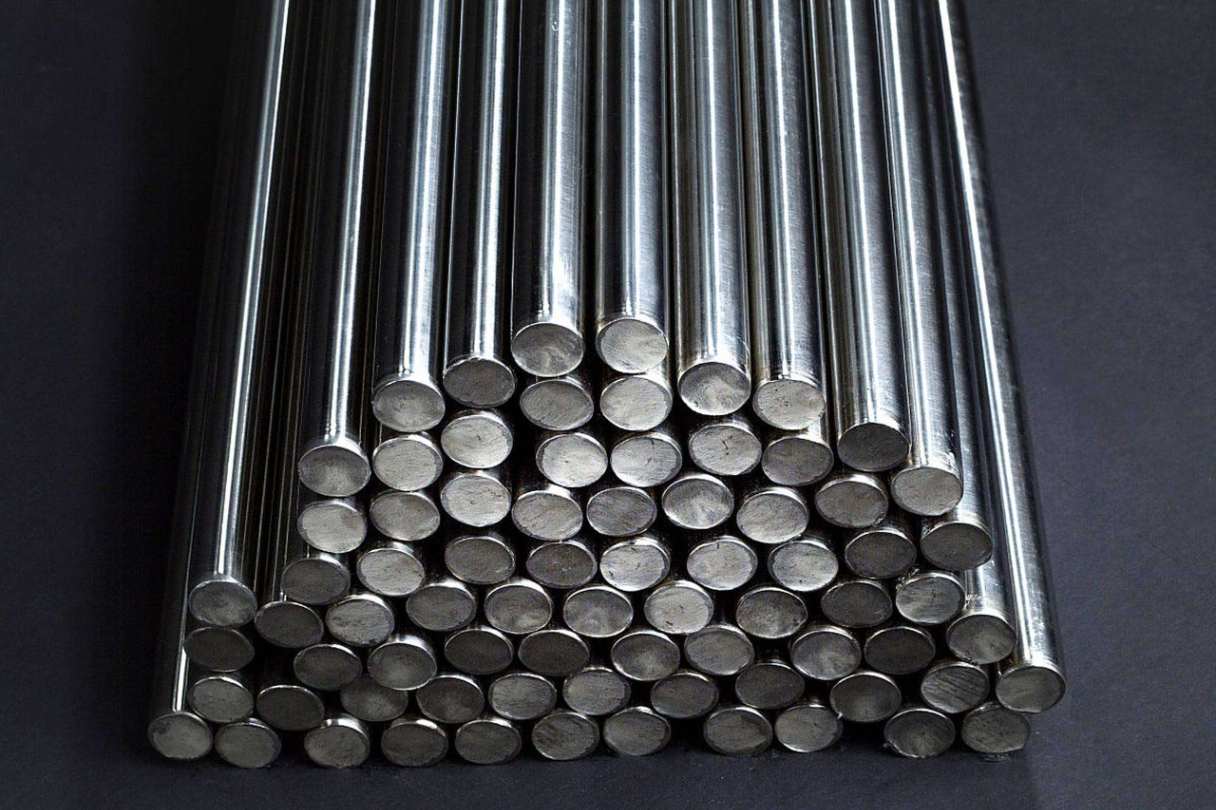
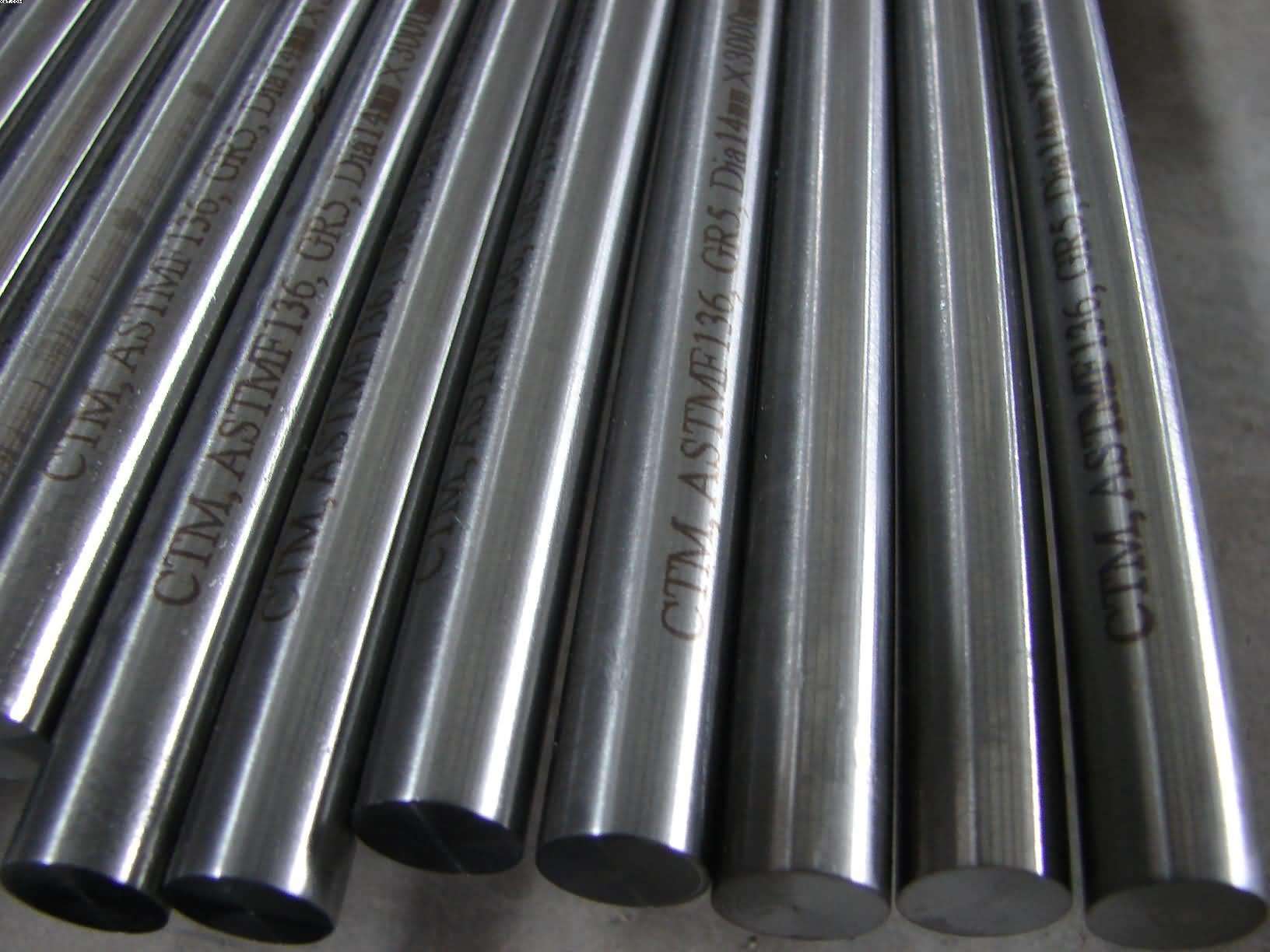
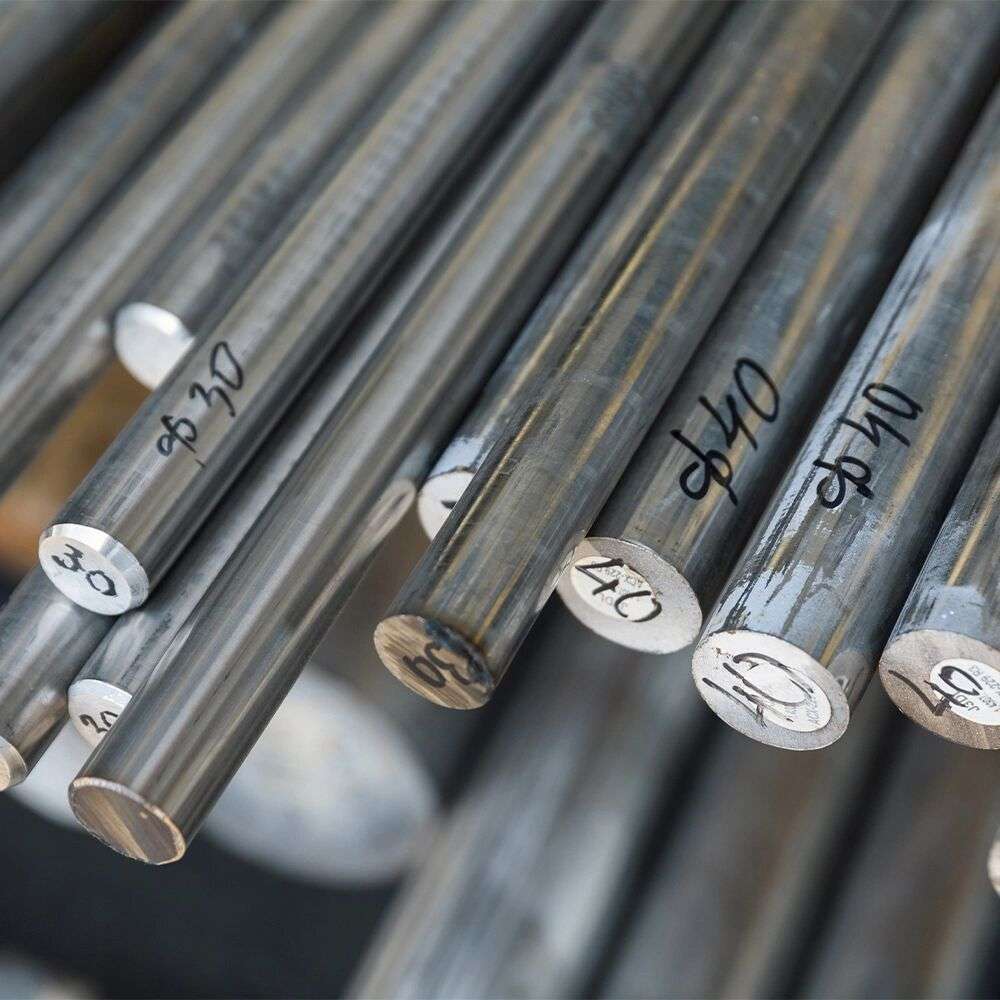
Inconel 718 bar, also designated as UNS N07718, W.Nr. 2.4668, or commonly referred to as Alloy 718 bar, is a precipitation-hardenable nickel-chromium superalloy containing significant amounts of iron, niobium, and molybdenum. This bar stock form is one of the
Inconel 718 bar, also designated as UNS N07718, W.Nr. 2.4668, or commonly referred to as Alloy 718 bar, is a precipitation-hardenable nickel-chromium superalloy containing significant amounts of iron, niobium, and molybdenum. This bar stock form is one of the most widely used high-strength materials for components operating in extreme environments, particularly from cryogenic temperatures up to about 700°C (1300°F), where its exceptional combination of strength, corrosion resistance, and fabricability is critical.
Inconel 718 is distinguished by its unique strengthening mechanism through gamma double prime (γ”) and gamma prime (γ’) phases precipitated during aging heat treatment. A key advantage is its excellent weldability without post-weld heat treatment cracking, which is uncommon for precipitation-hardened superalloys. The bar stock serves as the primary feedstock for machining high-integrity parts such as turbine disks, blades, fasteners, and downhole drilling components in aerospace, oil & gas, and power generation industries.
The complex chemical composition of Inconel 718 bar is precisely controlled to achieve its balanced properties. Supplied by Shanghai NC Metal Materials Co., Ltd., the bar meets stringent aerospace and industrial specifications, ensuring consistent performance through carefully managed ratios of strengthening and solid-solution elements.
| Element | Percentage (%) – Typical Range | Primary Function in the Alloy |
|---|---|---|
| Nickel (Ni) | 50.0 – 55.0 | Base element; forms the austenitic matrix and provides fundamental corrosion resistance. |
| Chromium (Cr) | 17.0 – 21.0 | Provides oxidation and corrosion resistance at elevated temperatures. |
| Iron (Fe) | Balance | Major element; helps stabilize the austenitic structure and control cost. |
| Niobium (Nb) + Tantalum (Ta) | 4.75 – 5.50 | The most critical strengthening element; forms the primary strengthening phase γ” (Ni3Nb). |
| Molybdenum (Mo) | 2.80 – 3.30 | Provides solid-solution strengthening and enhances corrosion resistance. |
| Titanium (Ti) | 0.65 – 1.15 | Contributes to the formation of the γ’ (Ni3(Al,Ti)) strengthening phase. |
| Aluminum (Al) | 0.20 – 0.80 | Works with titanium to form the γ’ strengthening phase. |
| Cobalt (Co) | 1.00 max | Generally controlled as a residual element. |
| Carbon (C) | 0.08 max | Kept low to minimize carbide formation at grain boundaries. |
| Manganese (Mn) | 0.35 max | Residual element, deoxidizer. |
| Silicon (Si) | 0.35 max | Residual element. |
| Phosphorus (P) | 0.015 max | Impurity control for weldability. |
| Sulfur (S) | 0.015 max | Impurity control for hot workability. |
| Boron (B) | 0.006 max | Added in trace amounts to strengthen grain boundaries. |
The mechanical properties of Inconel 718 bar are highly dependent on its heat treatment condition. The standard heat treatment involves solution annealing and a two-step aging process, resulting in exceptional strength and good ductility across a wide temperature range.
| Mechanical Property | Typical Value at Room Temp (Aged Condition) | Typical Value at 650°C (1200°F) | Relevant Standard (e.g., AMS 5662) |
|---|---|---|---|
| Tensile Strength | ≥ 1240 MPa (180 ksi) | ≈ 1000 MPa (145 ksi) | AMS 5662 |
| Yield Strength (0.2% Offset) | ≥ 1035 MPa (150 ksi) | ≈ 825 MPa (120 ksi) | AMS 5662 |
| Elongation in 4D | ≥ 12% | ≥ 15% | AMS 5662 |
| Reduction of Area | ≥ 15% | ≥ 20% | AMS 5662 |
| Hardness (Rockwell C) | 36 – 44 HRC | N/A | – |
| Modulus of Elasticity | 200 GPa (29.0 x 10^6 psi) | ≈ 170 GPa (24.7 x 10^6 psi) | – |
The physical characteristics of Inconel 718 are important for thermal and structural design. Its relatively low thermal conductivity and high strength retention at temperature are key attributes.
| Physical Property | Value at Room Temperature (20°C / 68°F) | Notes / Condition |
|---|---|---|
| Density | 8.19 g/cm³ (0.296 lb/in³) | – |
| Melting Range | 1260 – 1336°C (2300 – 2440°F) | – |
| Specific Heat | 435 J/kg·°C (0.104 BTU/lb·°F) | At 100°C |
| Thermal Conductivity | 11.4 W/m·K (79.0 BTU·in/hr·ft²·°F) | At 100°C |
| Mean Coefficient of Thermal Expansion | 13.0 μm/m·°C (7.2 μin/in·°F) | 20-100°C (68-212°F) |
| Electrical Resistivity | 1.25 μΩ·m (49.2 μΩ·in) | At 20°C |
Shanghai NC Metal Materials Co., Ltd. supplies Inconel 718 bar in various conditions (solution annealed or direct aged) and forms to meet diverse industry requirements, from aerospace AMS specs to oil & gas standards.
| Product Form | Standard Size Range | Key Standard Specifications | Common Supply Conditions |
|---|---|---|---|
| Round Bar (Forged/Rolled) | 12mm (0.5″) to 500mm (20″) Diameter | AMS 5662, AMS 5663, ASTM B637, ASTM F3055, UNS N07718 | Solution Annealed, Solution Annealed & Aged, Direct Aged |
| Hexagonal Bar | 10mm to 100mm Across Flats | AMS 5662, ASTM B637 | Solution Annealed & Aged |
| Square Bar | 10mm to 100mm Width | AMS 5662 | Solution Annealed |
| Forging Billet / Bloom | 150mm to 600mm Diameter | AMS 5664, Customer Forging Specs | As-Forged, Solution Annealed |
| Cold Finished Bar | 3mm to 80mm Diameter | AMS 5662 (CF condition) | Cold Drawn, Ground, Aged |
Machined or forged from bar and billet, Inconel 718 is indispensable in: Aerospace & Defense: Jet engine turbine disks, blades, shafts, casings, and fasteners; rocket motor cases. Oil & Gas: Downhole drilling tools (MWD/LWD housings), wellhead components, valves for sour service. Power Generation: Gas turbine components, nuclear reactor core parts. High-Performance Automotive: Turbocharger wheels, racing engine components.
Machining Inconel 718 bar, especially in the aged condition, is challenging due to its high strength, hardness, and work-hardening tendency. Best practices include: using rigid machine tools with high horsepower, premium carbide or ceramic inserts with positive geometries, lower cutting speeds, moderate to heavy feed rates, and high-pressure coolant systems to break chips and control heat. Stress-relief heat treatment may be required between roughing and finishing operations for complex parts to minimize distortion.
The properties of Inconel 718 are developed through specific heat treatment cycles. The standard cycle involves: Solution Treatment: Heating to 955-1010°C (1750-1850°F), holding, then rapidly cooling (quenching) to dissolve alloying elements into the matrix. Aging Treatment: A two-step process, typically 720°C (1325°F) for 8 hours, furnace cool at 55°C/hr (100°F/hr) to 620°C (1150°F), hold for 8 hours, then air cool. This precipitates the strengthening γ” and γ’ phases.
The price of Inconel 718 bar from Shanghai NC Metal Materials Co., Ltd. is influenced by its complex composition (niobium is a significant cost driver), stringent quality requirements for aerospace, and the specific condition and processing required.
| Pricing Factor | Impact on Reference Price | Procurement Guidance |
|---|---|---|
| Material Condition | Solution Annealed & Aged bar is more expensive than Solution Annealed bar due to the additional heat treatment processing. Direct Aged material may have different cost implications. | Purchase in the final required condition to avoid costly in-house heat treating, unless you have certified facilities. |
| Quality Level & Certification | Aerospace-grade bar (AMS specs with full traceability, ultrasonic testing) commands a premium over commercial-grade material. Nuclear or medical-grade qualifications add further cost. | Specify the exact material specification (e.g., AMS 5662 vs. ASTM B637) required by your design and quality system. |
| Bar Diameter & Manufacturing Route | Large diameter forged bars (>300mm) and small diameter precision cold-finished bars have higher processing costs per kilogram than mid-range hot-rolled bars. | Optimize part design to use standard stock sizes where possible. |
| Testing & Documentation | Extensive testing (e.g., creep, stress rupture, LCF, full NDE suite) and special certifications (NADCAP, OEM approvals) significantly increase cost. | Define the minimum necessary test report (e.g., Mill Test Report per EN 10204 3.1 vs. 3.2) with your supplier. |
We are factory wholesale price, and the prices are lower than 95% of suppliers. Our professional quotation will help you with your project. Expecting our long-term cooperation. )
 English English
  Korean
 Arabic
 Spanish
 German
 Portuguese
 French
 Russian
 Italian
 Vietnamese