
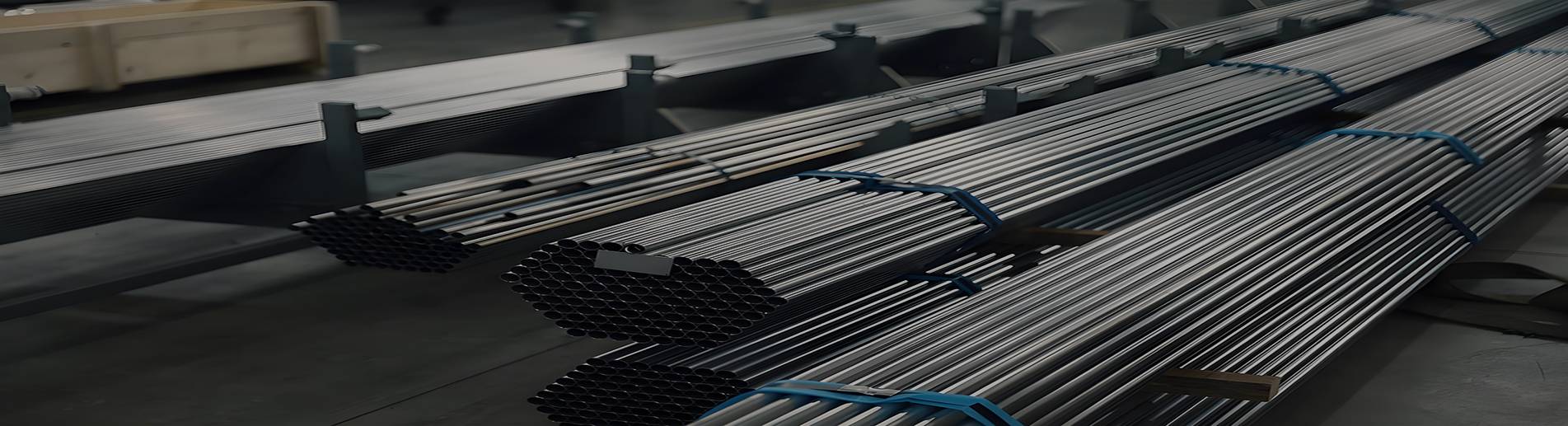
Inconel 617 alloy round bar price per kilogram
Inconel 617 alloy round bar price per kilogram is commonly about USD 45 to 90 per kg for standard industrial stock sizes. Large forged bars, small pre...
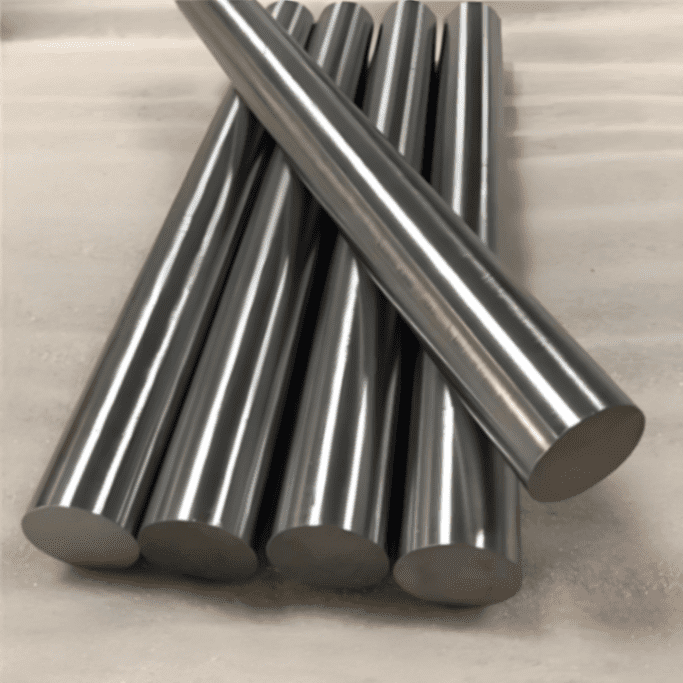
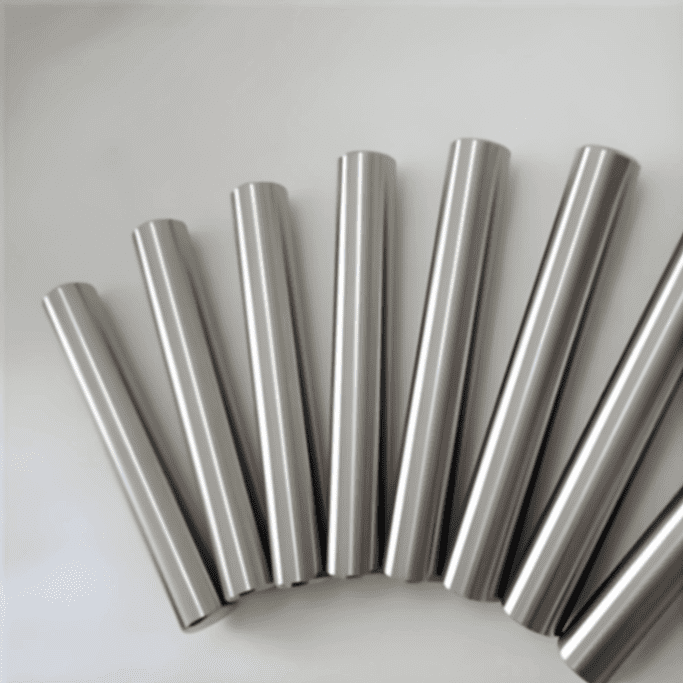
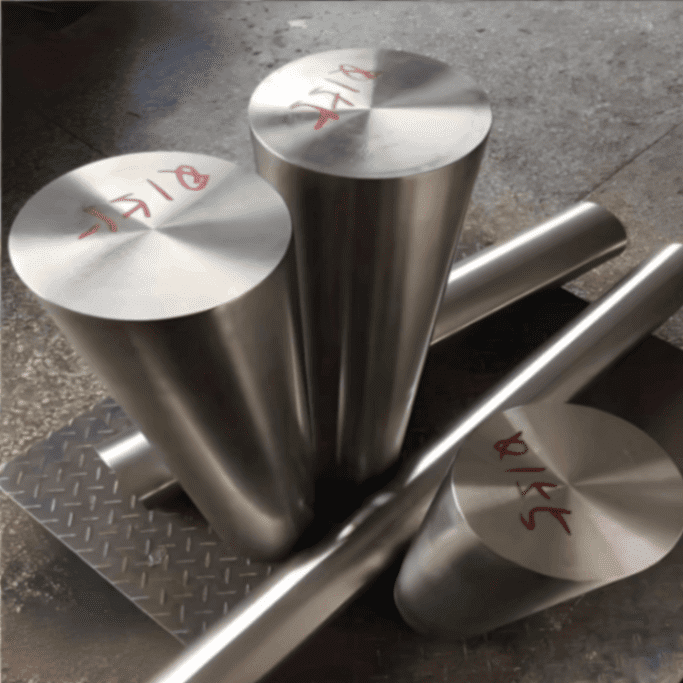
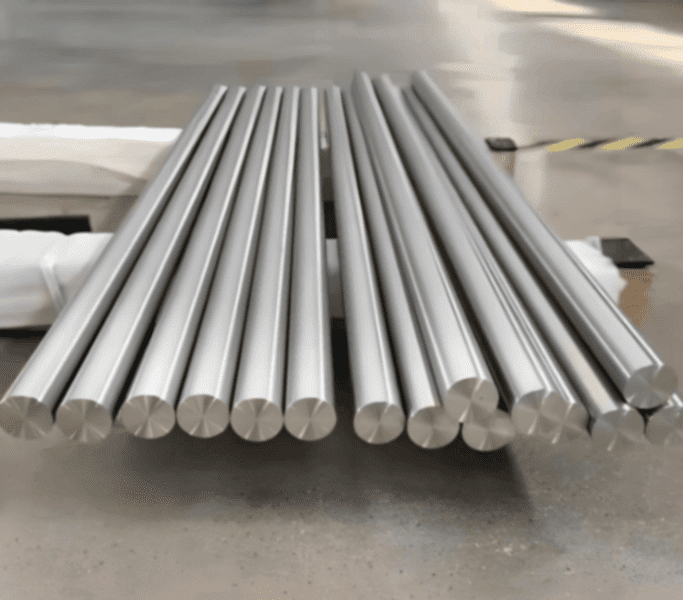
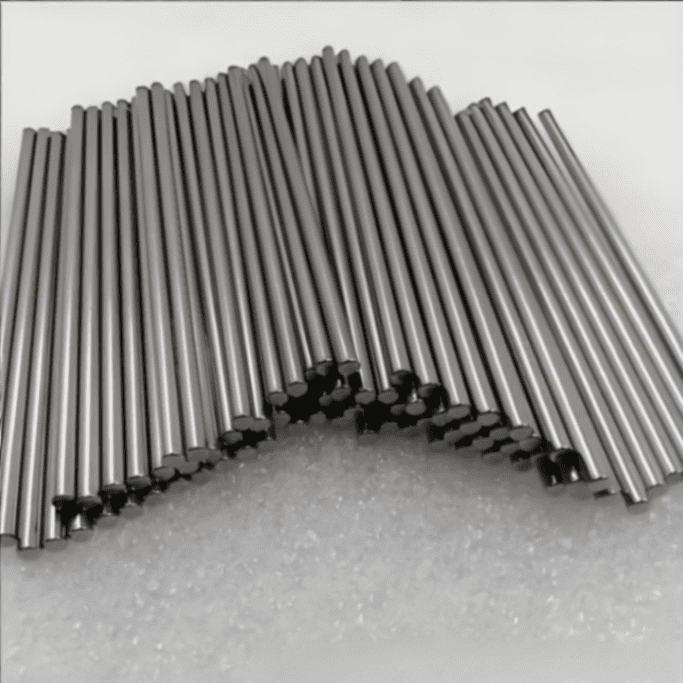
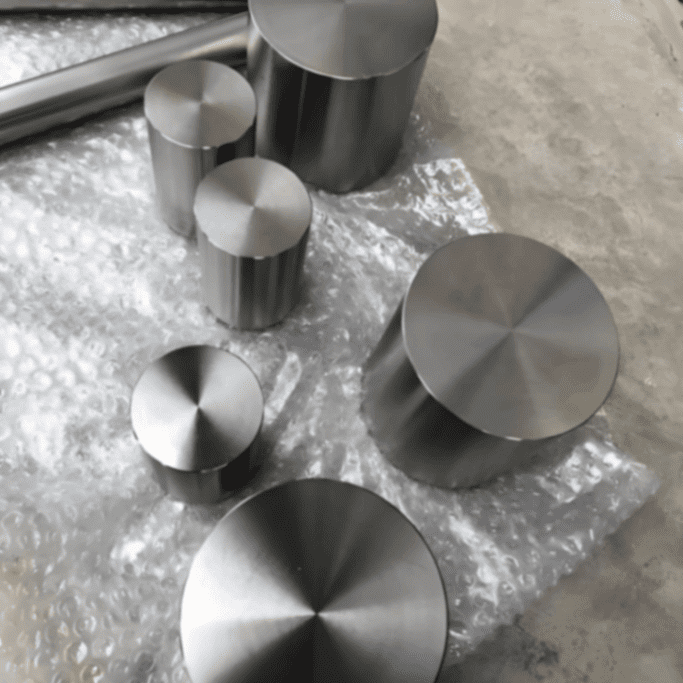
When buyers compare Haynes 282 bar and Inconel 718 bar, the discussion usually comes down to three practical questions: how much it costs, how easy it is to source, and how difficult it is to process into finished parts. On paper, both are nickel-based high-temperature alloys, but in real purchasing and manufacturing work, they behave quite differently. Haynes 282 is often chosen for its strong high-temperature stability and very good weldability in demanding hot-section environments, while Inconel 718 remains the more common and easier-to-buy option for bars used in aerospace, energy, tooling, and general high-performance components. If the application is sensitive to budget, delivery time, and machining efficiency, the differences become even more important.
Haynes 282 and Inconel 718 are both nickel-based superalloys, but they were developed with different priorities in mind. Haynes 282 is a relatively newer alloy designed for high-temperature structural service, especially where oxidation resistance, thermal stability, and weldability all need to work together. It is often discussed in gas turbine and combustion-related applications because it keeps useful strength at elevated temperatures and is known for good fabricability compared with some older gamma-prime-strengthened alloys.
Inconel 718, by contrast, is one of the most widely used nickel alloys in the world. It has been around for decades and has built its reputation on a combination of high strength, good fatigue resistance, acceptable weldability, and broad availability in many product forms. It is precipitation-hardened mainly by gamma double-prime and gamma-prime phases, and it performs especially well in the intermediate-to-high temperature range where strength, corrosion resistance, and manufacturability all matter.
From a buyer’s point of view, the biggest difference is not just chemical composition but market maturity. Inconel 718 bar is a standard item in many mills and service centers. Haynes 282 bar is more specialized. That means the sourcing pattern is different from the beginning: one is usually treated as a mainstream aerospace and industrial alloy, while the other is more often handled as a project-driven or engineered material.
Another useful way to think about them is application temperature and fabrication risk. Haynes 282 is often considered when the operating temperature is pushing higher and the design team wants better stability with strong resistance to weld cracking. Inconel 718 is often selected when the service temperature is still within its proven range and the project values lower cost, shorter lead time, and easier access to certified bar stock.
In bar form, Haynes 282 is usually more expensive than Inconel 718. In real industrial purchasing, exact prices vary a lot depending on diameter, order quantity, mill source, certification package, and whether the material is hot-rolled, forged, peeled, centerless ground, or precision machined. As a broad market reference, Inconel 718 bar may often fall in the range of about USD 35–70 per kg, while Haynes 282 bar may more often fall around USD 60–110 per kg. In pound-based quoting, that roughly translates to around USD 16–32 per lb for Inconel 718 and about USD 27–50 per lb for Haynes 282. Prices only for reference.
The gap is not random. One major reason is alloy chemistry. Haynes 282 contains a composition designed for high-temperature creep strength and weldability balance, with a chemistry that tends to make it a more specialized production item. Inconel 718 also contains expensive alloying elements, especially nickel and niobium, but because its production volume is much larger, the supply chain is more mature and the cost structure is usually more competitive.
Production route is another major cost driver. If the bar requires vacuum melting, VAR or ESR remelting, tight ultrasonic quality standards, aerospace traceability, or controlled grain structure, the price rises quickly for both alloys. However, the increase tends to be felt more strongly on Haynes 282 because the starting base price is already higher and the available production sources are fewer.
Certification requirements can change the quote more than many buyers expect. A simple industrial-grade bar for general machining is one thing. A fully certified aerospace or power-generation bar with mechanical testing, heat treatment records, traceability, PMI, ultrasonic inspection, and export documentation is another. In smaller quantities, these extra requirements can significantly raise the unit price, especially for Haynes 282 because mills may need to run smaller custom heats or special rolling schedules.
Machining allowance also matters. If you buy rough hot-rolled or forged bar and machine it heavily, the raw material cost looks lower per kilogram, but the final part cost may increase due to machining loss. If you buy peeled or ground bar closer to final size, the material quote rises but total processing waste may fall. This cost balance is often more favorable with Inconel 718 because standard stock sizes are more common.
Availability is one of the clearest differences between these two alloys in bar form. Haynes 282 bar is available on the market, but it is still a relatively less common item compared with Inconel 718. In many cases, smaller diameters or standard rounds may be available from selected stockholders, but larger sizes, unusual diameters, or project-specific quantities often need custom production. Buyers should expect less off-the-shelf flexibility, especially if they need strict certifications or nonstandard dimensions.
Inconel 718 bar is much easier to find. Standard round bar, forged bar, bright bar, and ground bar are widely supplied in common metric and inch sizes. Because the alloy is used across aerospace, oil and gas, fasteners, tooling, and general high-performance equipment, inventory turnover is stronger and stocking networks are broader. This gives buyers more room to compare offers, split orders, and source urgent quantities.
For stock supply, Inconel 718 often has better depth across diameter ranges. Small precision bars, medium machining bars, and large forged rounds are all commonly seen. Haynes 282, by comparison, may be available only in selected size ranges from stock, with many dimensions handled on an inquiry basis rather than as standing inventory. This is especially true outside the biggest superalloy markets.
Lead time is where the difference becomes practical very quickly. For Inconel 718 bar, if the required size is common and the certification level is standard, delivery may be possible from stock or within a short restocking cycle. For Haynes 282 bar, buyers should often prepare for longer lead times, especially for larger diameters, special mechanical property requirements, or custom cut lengths. Production scheduling, remelting queue, and heat treatment planning can all add time.
For project procurement, this means Inconel 718 is usually the safer choice when schedule risk is a major concern. Haynes 282 is often still available, but planning needs to start earlier. Companies such as Shanghai NC Metal Materials Co., Ltd. typically need to confirm not only size and quantity, but also required condition, testing level, and whether the order can be fulfilled from stock or needs a custom mill route.
From a machining standpoint, both alloys are considered difficult compared with stainless steels or low-alloy steels, but they are difficult in different ways. Inconel 718 is well known for work hardening, high cutting forces, and tool wear if feeds and speeds are not well controlled. That said, because so many machine shops already have experience with it, there is a larger body of practical data for cutting tools, insert geometry, coolant strategy, and machining parameters.
Haynes 282 can also be demanding to machine, especially because nickel-based alloys generally generate heat at the cutting zone and resist material removal. Shops may find that tool wear, edge breakdown, and built-up edge need careful management. Compared with Inconel 718, some machinists see Haynes 282 as manageable but not as routine, simply because there is less shop-floor familiarity and less standard parameter data in circulation.
Carbide tooling is commonly used for both alloys, and rigid setups are important. Sharp tools, stable fixturing, effective coolant delivery, and avoiding dwell are basic rules in both cases. In practical terms, Inconel 718 often benefits from the fact that many shops already know what works. Haynes 282 may require more process tuning, especially on first-time jobs or when the bar condition is not familiar.
For cold working, Inconel 718 has a long industrial history and is generally processed with well-established rules, though its strength and work hardening still make deformation more demanding than common alloys. Haynes 282 is also fabricable, but the process window may need closer control depending on section and forming severity. For heavy deformation or tight shape requirements, processing route planning becomes important.
Hot working is also different in practice. Both alloys can be hot worked, but the exact temperature range, reduction strategy, and reheating control matter a lot. Inconel 718 has a very mature forging history. Haynes 282 is also suitable for hot working, but because it is more specialized, successful results depend more heavily on following the right thermal schedule rather than relying on generic superalloy habits.
Heat treatment is one of the biggest operational differences between the two alloys. Haynes 282 typically uses a solution heat treatment followed by a two-step aging treatment. This multi-stage approach is important for developing its intended combination of strength, ductility, and thermal stability. In practical production terms, that means more furnace time, more scheduling steps, and more quality control points.
Inconel 718 is also precipitation hardened, but its standard industrial heat treatment route is often simpler in comparison, usually involving solution treatment followed by a single aging cycle in purchasing language, even though actual practice may include controlled cooling and staged temperature control depending on specification. The key point for buyers is that Inconel 718 generally fits into a more familiar and widely available heat treatment workflow.
That difference affects both cost and cycle time. More heat treatment stages mean more energy consumption, more furnace occupancy, and more opportunities for delay if a subcontract heat treater is involved. Haynes 282 therefore tends to carry a higher processing burden after the raw bar is produced. If the order needs final aged condition with full certification, this usually pushes both cost and delivery time upward.
Heat treatment complexity also matters for downstream users machining the material into finished parts. If the shop buys solution-treated bar and plans to age it after machining, the thermal cycle must be built into production scheduling. Distortion risk, dimensional allowance, and fixture planning may all need attention. Inconel 718 is generally easier to integrate into established aerospace or industrial routes because many shops already run standard 718 heat treatments internally or through approved subcontractors.
For buyers comparing total landed cost instead of just raw material cost, this matters a lot. Haynes 282 may look only moderately more expensive per kilogram in some quotes, but after custom heat treatment, testing, and longer cycle time are included, the final difference can grow significantly.
Weldability is one area where Haynes 282 has a real practical advantage. It is widely recognized for very good resistance to strain-age cracking and post-weld cracking compared with many high-temperature gamma-prime-strengthened alloys. This makes it attractive for fabrications that involve a lot of welding followed by elevated-temperature service. In applications where weld repair or complex welded assemblies are expected, this can be a major reason to choose it.
Inconel 718 is also considered weldable, and it has a long history in welded aerospace and industrial components. However, it still requires sound procedure control, filler selection, and thermal management. Its weldability is good by superalloy standards, but when the design is highly sensitive to weld cracking resistance at elevated service conditions, Haynes 282 often gets more attention.
Whether post-weld heat treatment is required depends on service requirement and specification, but in many practical cases both alloys may need post-weld thermal treatment to restore or optimize properties. Haynes 282 often relies on post-weld heat treatment to develop full aged strength. Inconel 718 may also require post-weld solution and aging treatment depending on part condition, thickness, and final property targets.
For forming operations, Haynes 282 benefits from a reputation for good fabricability relative to other advanced high-temperature alloys, which is part of why it is attractive for complex hot-section structures. Inconel 718 also forms well in experienced hands, but because it work-hardens strongly, the forming route must be controlled. In real production, the choice often comes down to whether the part is weld-intensive and high-temperature critical, or whether it is more machining-driven and better served by the mature 718 ecosystem.
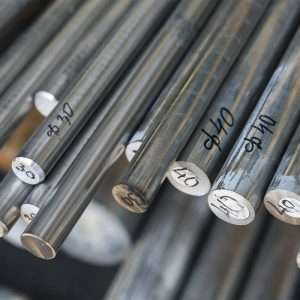
In bar supply, both alloys can be offered in a range of diameters and lengths, but the practical availability is not the same. Inconel 718 bar is commonly available in small precision diameters, medium stock sizes for machining, and larger forged rounds. Depending on supplier and mill route, diameters can range from a few millimeters up to several hundred millimeters, with random mill lengths or cut pieces supplied as needed.
Haynes 282 bar can also be produced in a wide size range, but it is more likely to be handled as a custom order when the diameter is unusual, the quantity is small, or the specification package is tight. Standard round bars may be available, but buyers should not assume every size is on the shelf the way they might with Inconel 718. In many cases, length tolerance, straightness, surface finish, and testing level need to be confirmed early in the inquiry stage.
Nonstandard size capability is especially important for high-value components because it can reduce machining waste. If a buyer can source near-net diameter bar instead of a much larger stock size, total manufacturing cost may fall even when the raw bar price per kilogram is higher. This option is usually easier to arrange with Inconel 718 because more mills and processors handle it routinely, but Haynes 282 can also be customized when the order size justifies the setup.
Precision services such as peeling, centerless grinding, rough machining, cut-to-length supply, and custom testing are often available for both alloys, though again the service network is broader for Inconel 718. If the project needs special mechanical testing, grain size control, ultrasonic inspection, or PMI on each piece, these requirements should be included in the RFQ from the start. That helps avoid a low initial quote that later rises once real specification needs are added.
For buyers working with Shanghai NC Metal Materials Co., Ltd., the practical question is usually not whether customization is possible, but how it affects lead time and minimum quantity. This is especially true for Haynes 282, where custom dimensions and tailored finishing are common parts of the order rather than exceptions.
Haynes 282 usually makes more sense when the part is headed for higher-temperature service and needs better stability than Inconel 718 can comfortably provide in the same design margin. It is also a strong candidate when welding reliability is a major concern, especially for complex fabricated structures, combustor-related hardware, or assemblies expected to see thermal cycling and demanding repair conditions. If the customer can accept higher raw material cost and longer procurement planning, the performance benefits can justify the choice.
It is also worth considering Haynes 282 when lifecycle cost matters more than purchase price. A part that costs more upfront but performs longer in hotter service or reduces welding-related scrap may be the better economic decision overall. This is especially true in power generation and aerospace environments where downtime, qualification repetition, or weld failure risk can be far more expensive than the difference in alloy price.
Inconel 718 is usually the better choice when the design temperature is within its well-proven operating range and there is no strong need to move to a more specialized alloy. It is especially attractive in cost-sensitive programs, short lead-time projects, and applications where moderate-to-high strength is needed but extreme high-temperature stability is not the deciding factor. Because stock is easier to find and processing routes are more mature, it often reduces both procurement risk and manufacturing risk.
For bars that will be heavily machined into shafts, fasteners, connectors, rings, fixtures, and structural components, Inconel 718 often offers the better balance of price, supply stability, and known shop behavior. Many buyers choose it not because it is the highest-temperature option, but because it is the most practical one that still meets performance requirements.
So the real selection logic is simple: if the job is hotter, more weld-sensitive, and performance-driven, Haynes 282 deserves serious attention. If the job is more budget-conscious, schedule-sensitive, and already well covered by established alloy capability, Inconel 718 bar is usually the safer and more economical route.
Which is more expensive, Haynes 282 bar or Inconel 718 bar?
Haynes 282 bar is usually more expensive. In broad market terms, Inconel 718 bar often falls around USD 35–70 per kg, while Haynes 282 bar may more often be around USD 60–110 per kg, depending on size, quantity, certification, and finish. Prices only for reference.
Is Haynes 282 harder to buy than Inconel 718 bar?
Yes, in most cases. Inconel 718 is a mainstream superalloy with wider stock availability and more common standard sizes. Haynes 282 is available, but it is more often supplied as a special-order or lower-volume product, so buyers should expect fewer stock options and longer lead times.
When should I choose Haynes 282 instead of Inconel 718 for bar stock?
Haynes 282 is usually the better choice when the part will see higher operating temperatures, when weld cracking resistance is especially important, or when long-term thermal stability is a top priority. Inconel 718 is usually the better choice when the application can be covered by its established strength range and the project values lower cost, faster delivery, and easier processing.
More from this category
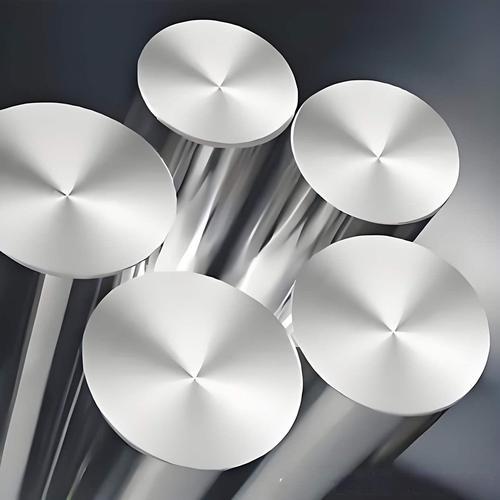
Inconel 617 alloy round bar price per kilogram is commonly about USD 45 to 90 per kg for standard industrial stock sizes. Large forged bars, small pre...
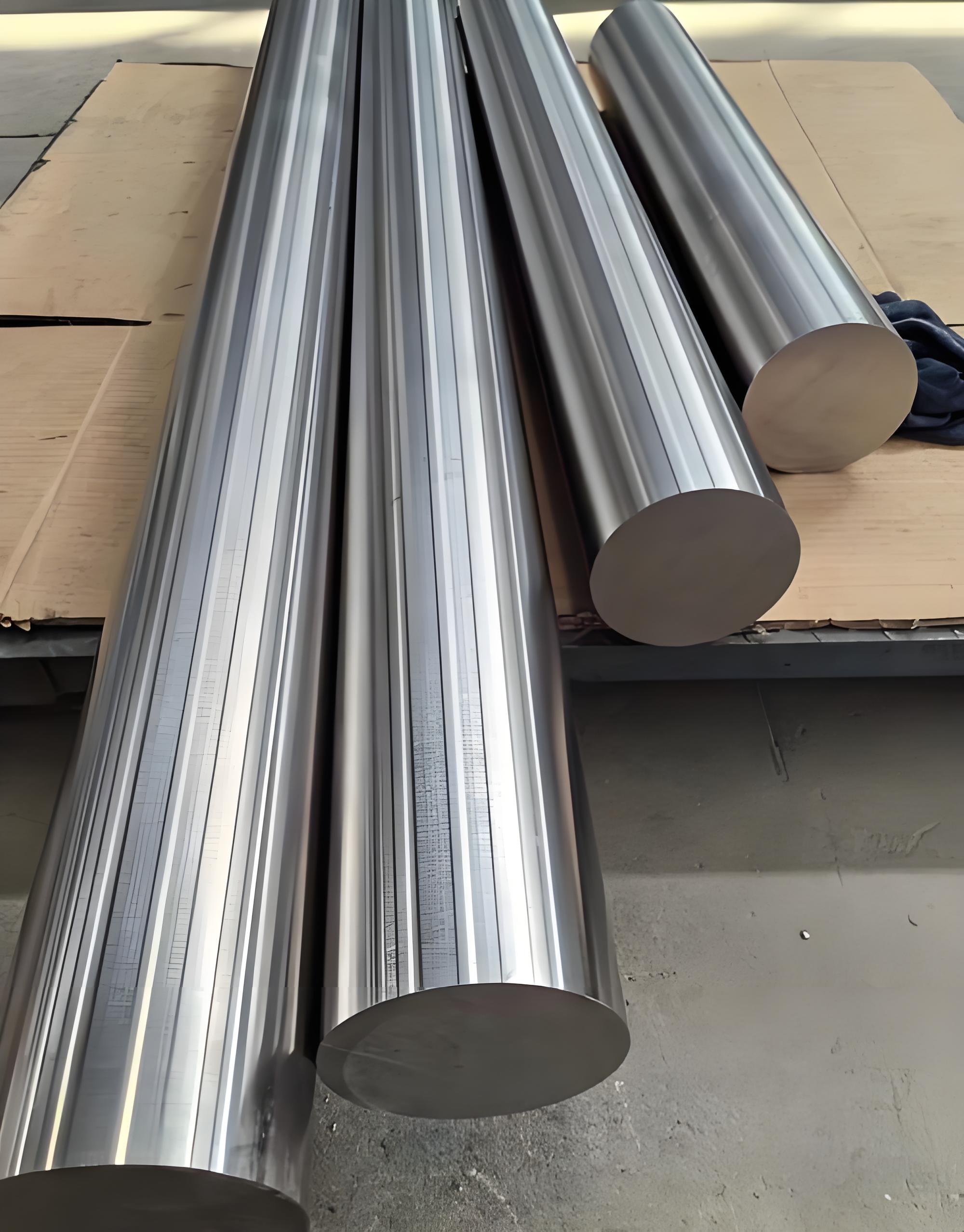
The latest Inconel 625 alloy bar price per kg depends on nickel, molybdenum, niobium, and chromium raw material costs, as well as bar diameter, manufa...
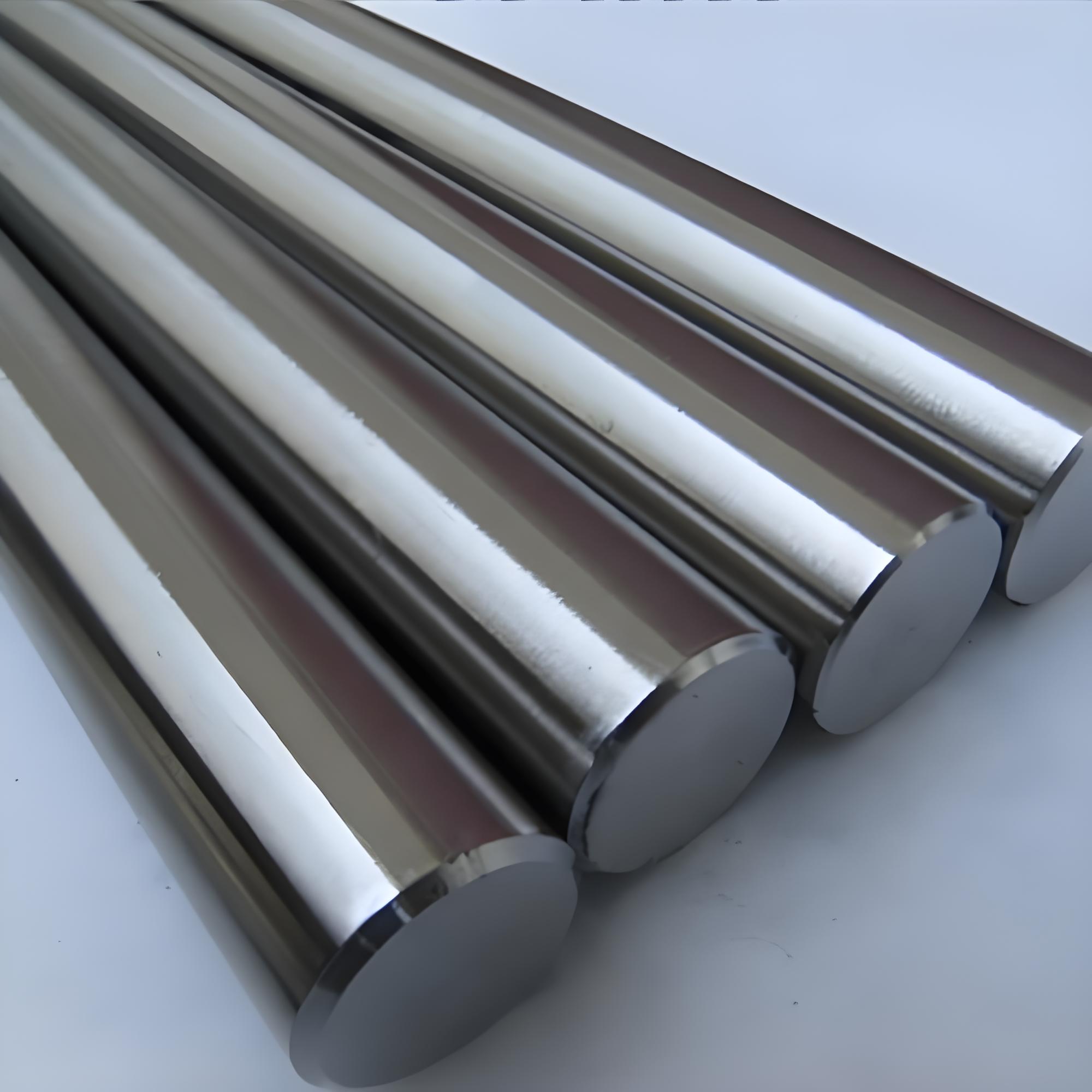
Inconel X-750 alloy bar price depends on nickel raw material cost, bar diameter, product condition, heat treatment, specification, surface finish, dim...
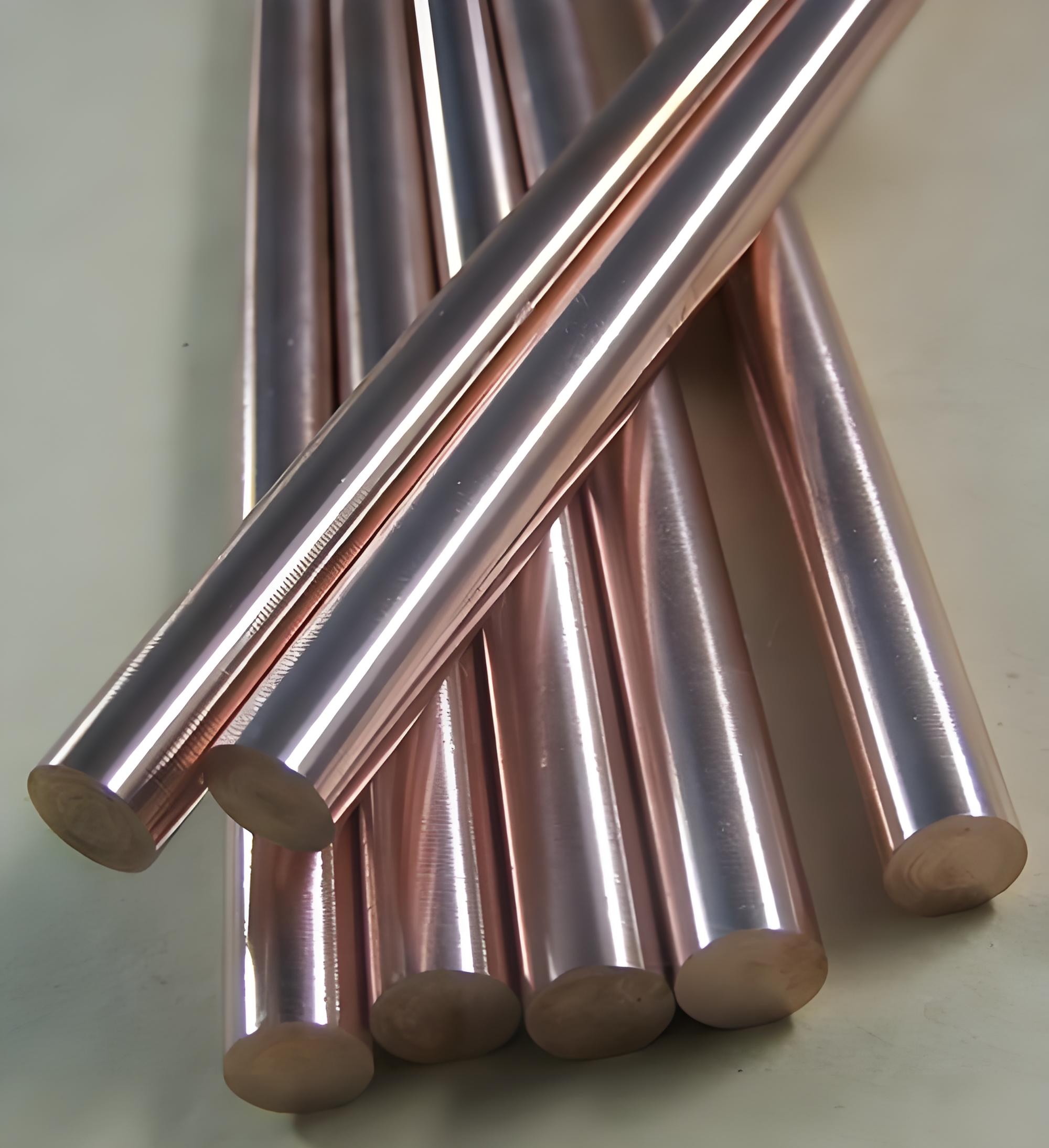
Inconel 602CA alloy bar price per kg is usually higher than common Inconel 600 and Inconel 601 bars because Alloy 602CA is a premium high-temperature ...
 English English
  Korean
 Arabic
 Spanish
 German
 Portuguese
 French
 Russian
 Italian
 Vietnamese