
Incoloy 825 Bar Price | UNS N08825 Supplier
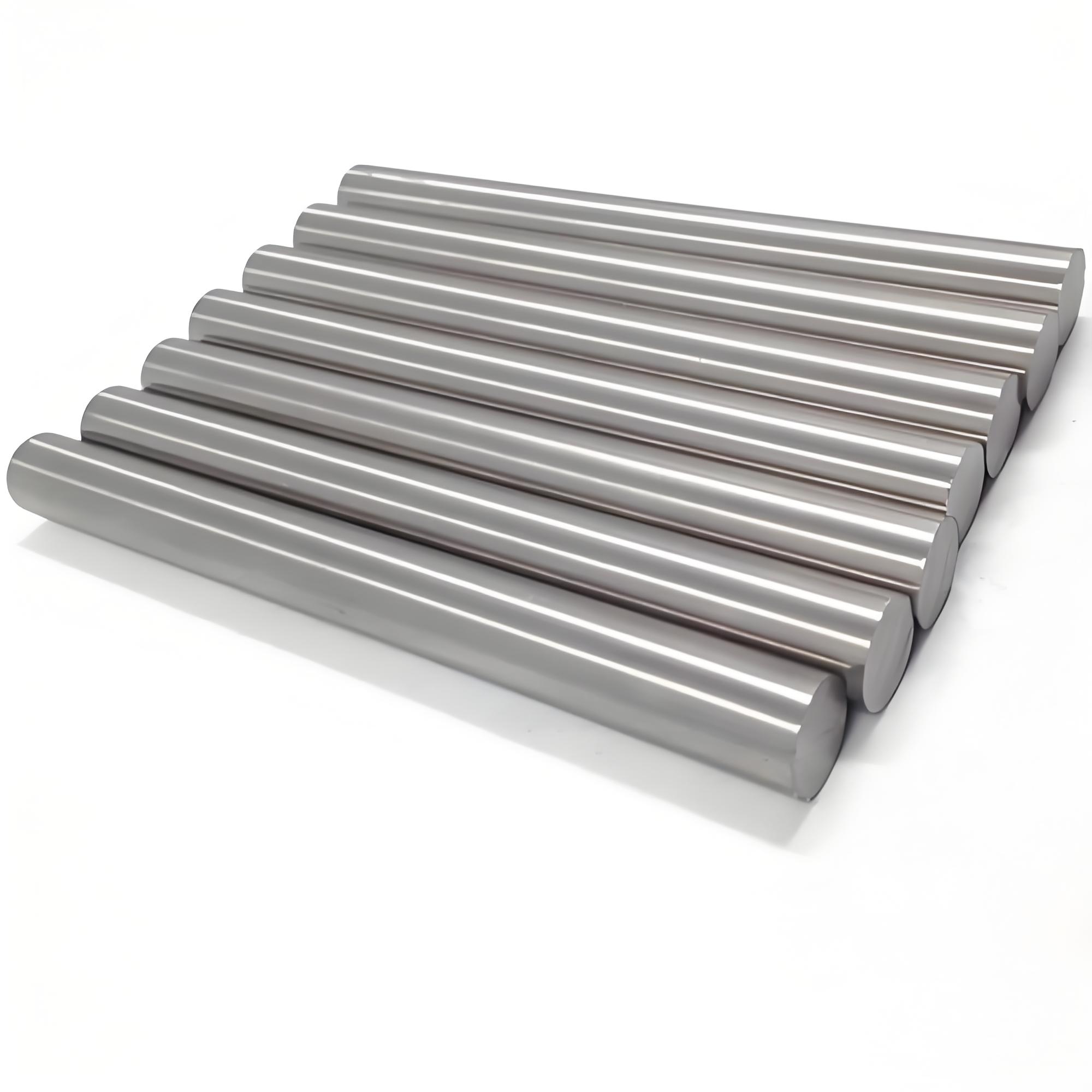
Incoloy 825 bar price depends on the nickel-based alloy composition, bar dimensions, manufacturing route, heat-treatment condition, surface finish, in...
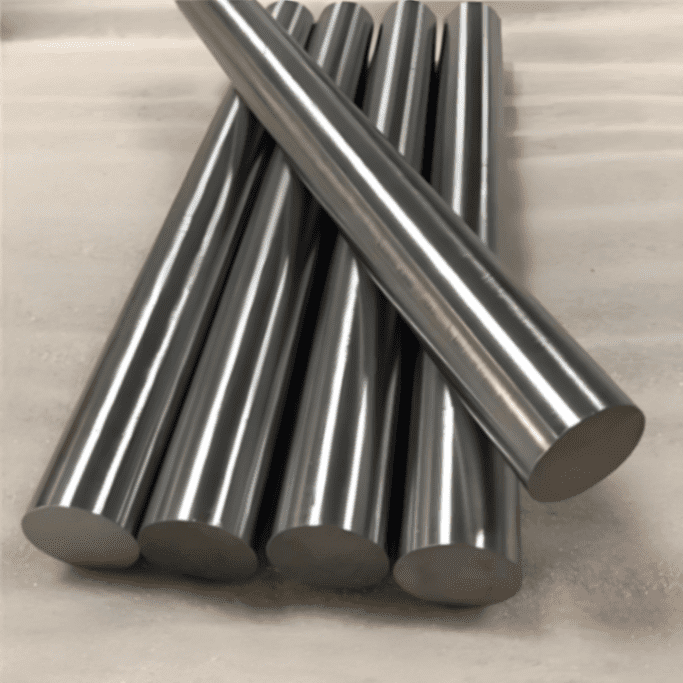
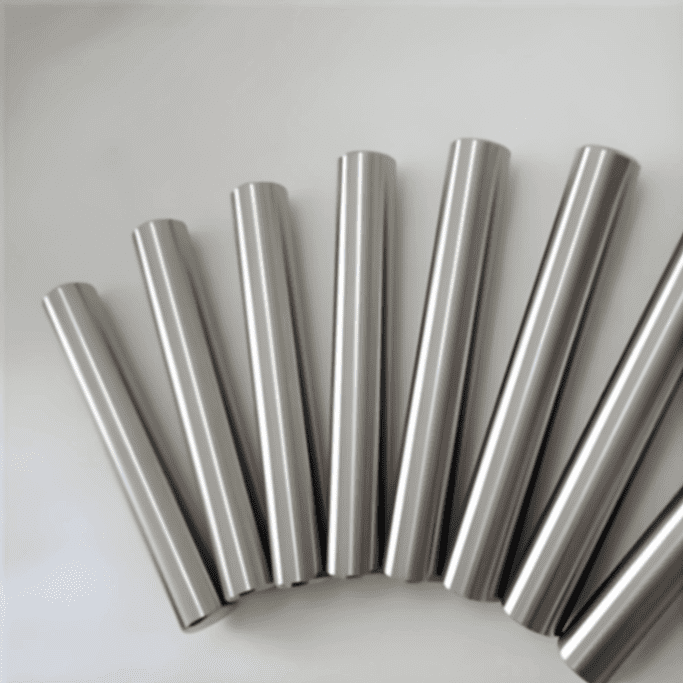
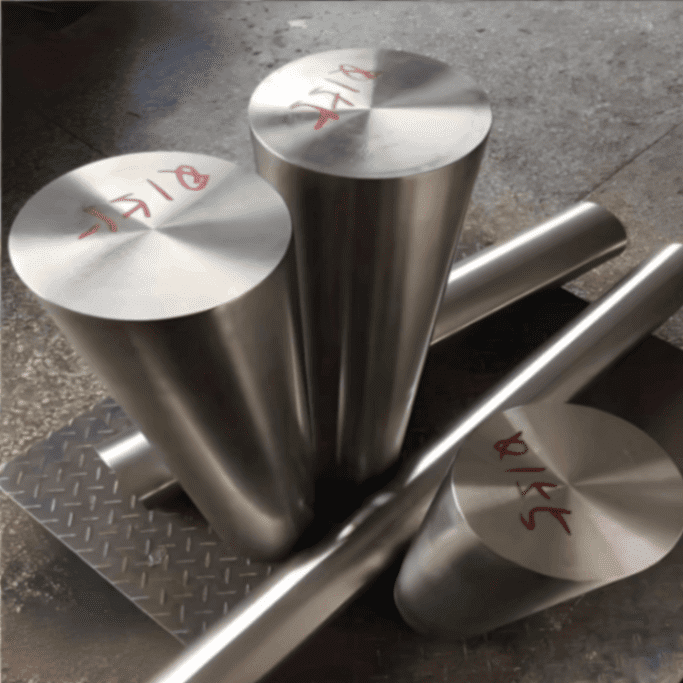
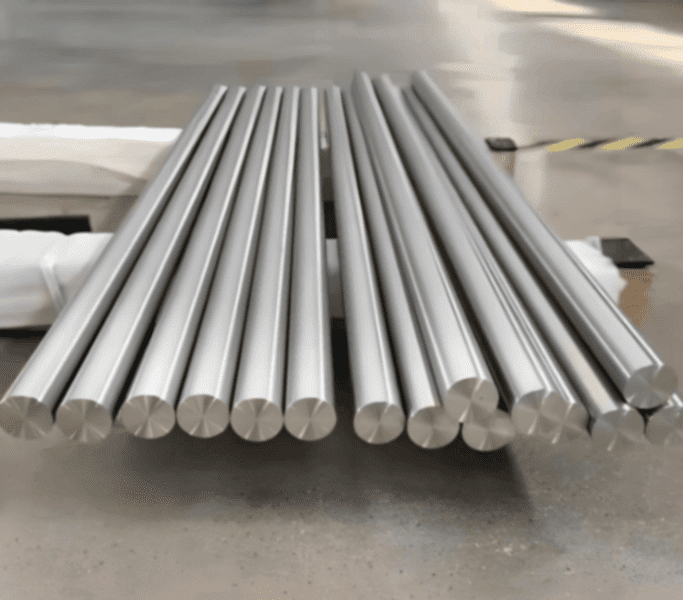
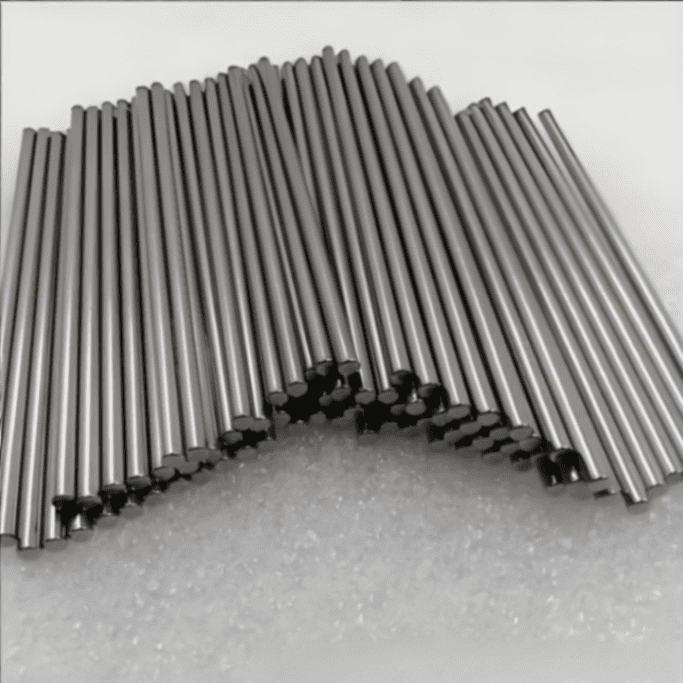
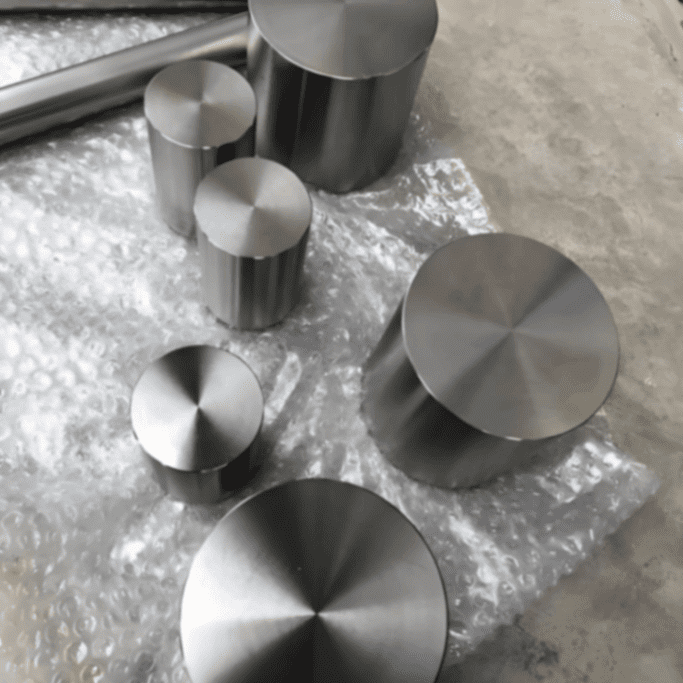
Incoloy 825 round bar factory price in China is usually quoted by diameter, surface condition, order volume, and inspection scope rather than by alloy name alone. At Shanghai NC Metal Materials Co., Ltd., the current ex-works tax-included reference range is ¥120–¥220/kg. Small spot orders below 500 kg are generally at the upper end of the range, standard production quantities between 500 and 2000 kg fall into a mid-range structure, and bulk orders above 2 tons move into a more competitive cost band. For export business, the common FOB reference level from major Chinese ports is $18–$32/kg, with the exact dollar figure linked to both alloy conversion cost and the USD/CNY exchange rate.
The present factory pricing structure for China-made Incoloy 825 round bar is divided mainly by order weight. For domestic supply on an ex-works, tax-included basis, the standard reference is ¥120–¥220/kg. This is not a random spread. It reflects real differences in billet cost, bar size, machining allowance, and order consolidation efficiency at the production stage.
For spot small-lot orders under 500 kg, the practical range is ¥160–¥220/kg. These orders carry higher per-kilogram manufacturing overhead because melting, forging, heat treatment, sawing, inspection, and packing are distributed across fewer kilograms. In many cases, small diameter bars with bright or ground surface also fall into this upper bracket.
For standard orders from 500 to 2000 kg, the common ex-works level is ¥140–¥180/kg. This volume range is often the most efficient for regular industrial bar supply because it allows better furnace scheduling, more stable yield control, and less idle processing time between operations.
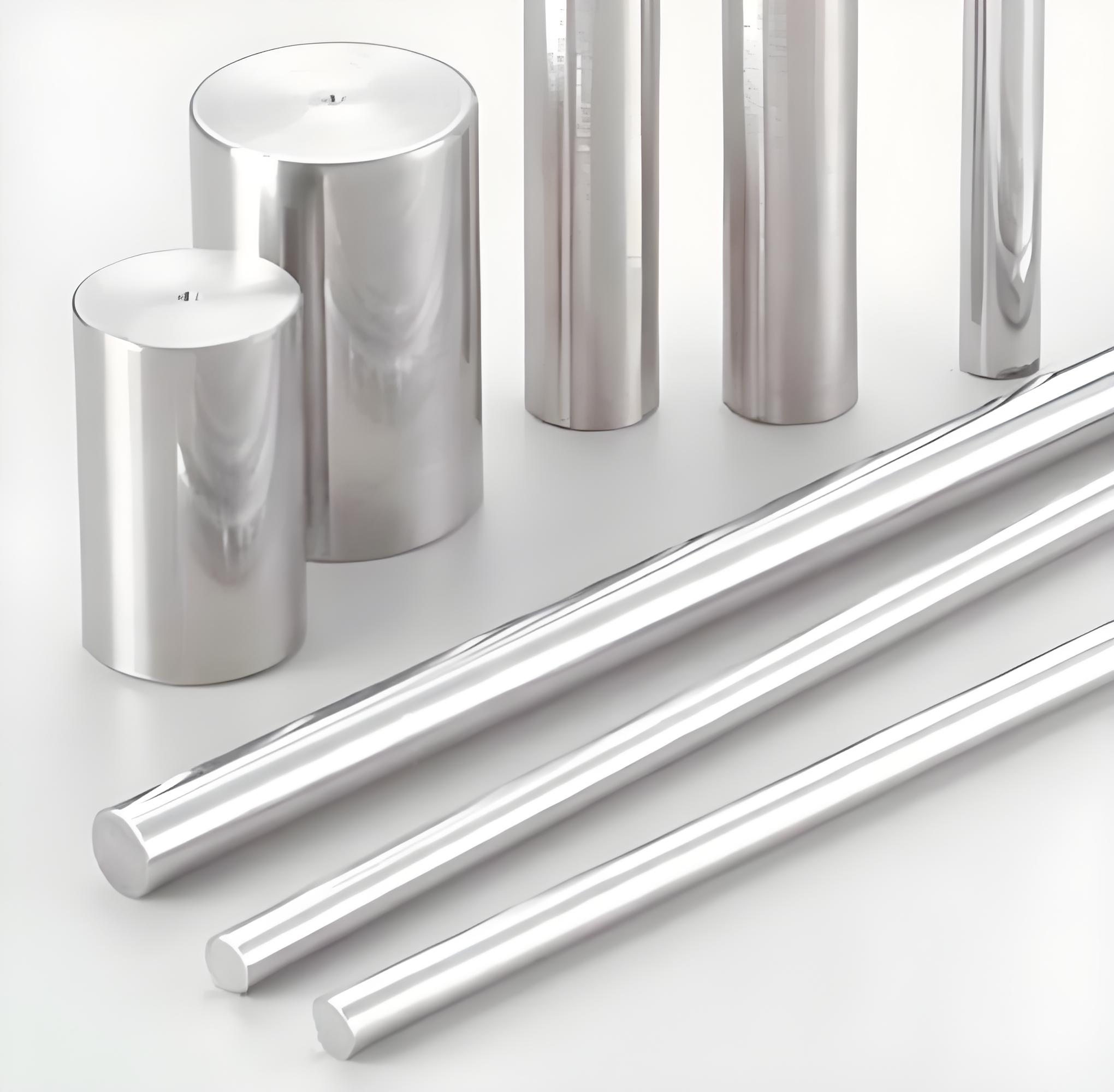
For bulk purchases above 2 tons, the current reference range is ¥120–¥160/kg. At this level, the cost advantage mainly comes from improved raw material planning, lower unit processing cost, and more efficient packaging and loading. Larger contracts also make it easier to combine diameters and lengths within the same heat or rolling schedule.
The alloying structure of 825 includes high nickel, molybdenum, and titanium, so the quoted level should always be checked against the day’s metal basis. In practice, factory quotation validity is usually short because nickel-bearing alloy products react more visibly to upstream alloy input changes than ordinary stainless steel bar.
Incoloy 825 round bar price changes substantially with diameter and surface finish. Black bar is the lowest-cost form because it requires the least secondary machining. Turned bar adds lathe processing cost and produces a cleaner dimensional surface. Ground bar is the highest-priced version because it requires additional precision finishing and tighter control over surface quality and tolerance.
| Diameter Range | Black Bar (¥/kg) | Turned Bar (¥/kg) | Ground Bar (¥/kg) |
| φ8–20mm | ¥160–220 | ¥180–250 | ¥200–280 |
| φ20–50mm / φ50–120mm / φ120–250mm | ¥140–180 / ¥130–170 / ¥120–160 | ¥160–210 / ¥150–190 / ¥140–180 | ¥180–240 / ¥170–220 / ¥160–200 |
Small diameters, especially φ8–20mm, are typically the most expensive per kilogram. This is a common feature in nickel alloy bars because small-section production involves more drawing, peeling, or grinding loss and less favorable yield from upstream billet dimensions. Surface finishing also represents a larger proportion of the final cost on thin bars.
In the φ20–50mm and φ50–120mm ranges, pricing becomes more balanced. These sizes are widely used for shafts, fasteners, valve stems, connectors, and machined corrosion-resistant components, so production planning is relatively mature and inventory turnover is better.
For φ120–250mm bars, the black-surface base price can be lower per kilogram, but this does not mean production is easier. Large-diameter nickel alloy forging requires heavier reduction force, longer heating cycles, and stricter core soundness control. The lower listed base price mainly reflects reduced finishing ratio, while heavy forging cost remains significant in the background.
For export shipments, the usual FOB quotation band from major Chinese ports is $18–$32/kg. This range is suitable as a reference for standard Incoloy 825 round bar made in China, but the actual FOB level depends on bar diameter, surface finish, packing method, inspection documents, and port arrangement.
For 100–500 kg, the practical export level is generally $22–$28/kg. For 500–2000 kg, a more typical FOB band is $18–$24/kg. For orders above 2 tons, the factory-side export reference may move down to $16–$22/kg under a stable production schedule and standard document package.
Dollar quotations should not be read as a simple currency conversion of domestic CNY pricing. FOB pricing also includes export packing structure, inland transfer to port, document handling rhythm, and exchange-rate exposure. When the USD/CNY rate shifts, the same domestic alloy cost base may produce a different dollar quotation even if the metal-side CNY cost has not changed much.
The pricing logic for Incoloy 825 round bar is mainly driven by alloy chemistry, melting route, hot working complexity, machining depth, and order concentration. Among these factors, nickel has the greatest effect because it represents a very large proportion of the alloy system.
Nickel content at 38–46% is the largest cost anchor. At this chemistry level, a nickel price increase of ¥10,000/ton typically pushes 825 bar manufacturing cost upward by around ¥4–5/kg. This relationship is direct enough that any rapid nickel movement will be reflected in factory quotation updates.
Molybdenum at 2.5–3.5% has a smaller but still visible effect. A ¥10,000/ton rise in molybdenum usually lifts 825 cost by about ¥0.3–0.5/kg. Titanium at 0.6–1.2% matters metallurgically for stabilization and corrosion behavior, but its day-to-day effect on total bar cost is smaller than nickel.
The melting route is another major factor. Our normal production path uses AOD + VOD double refining, which improves composition control, gas reduction, and internal cleanliness. This route is more reliable for corrosion-resistant nickel alloy products, but it is not low-cost metallurgy. The finished yield is usually around 80–85%, so the scrap and process loss level is materially different from commodity stainless products.
Hot working difficulty also matters. Incoloy 825 has good hot plasticity, which helps during forging and rolling, but large diameters above φ200mm still require heavier forging equipment, longer reheating cycles, and closer control of reduction ratio. Those factors raise unit processing cost even when the final bar is supplied in black surface condition.
Surface processing is one of the clearest price separators. Turned or ground finish usually adds ¥20–¥60/kg depending on diameter, tolerance, and straightness requirement. This addition is easy to underestimate, especially for smaller bars where dimensional finishing consumes a larger share of total processing time.
Order volume can create a price spread of 30–50% between small retail-like quantities and scheduled batch supply. This gap is not only a sales policy issue. It comes from real production economics such as billet allocation, bar cutting loss, inspection setup, machine changeover, and packing labor per shipment.
Shanghai NC Metal Materials Co., Ltd. applies a tiered discount structure for Incoloy 825 round bar based on purchase weight. The following levels are used as a practical tax-included reference in RMB.
| Purchase Volume | Discount Level | Typical Unit Price |
| 10–99 kg / 100–499 kg | Base price / 5–8% off | ¥180–220 / ¥160–200 |
| 500–1999 kg / 2000–4999 kg / ≥5000 kg | 10–15% off / 15–20% off / 20–25% off | ¥140–180 / ¥130–170 / ¥120–160 |
The logic behind this ladder is straightforward from a factory perspective. Below 100 kg, almost every operation is fragmented: cutting, bundling, traceability marking, and document preparation consume nearly the same labor as a larger order. Between 500 and 1999 kg, the order begins to align with practical production and warehouse batching. Above 2000 kg, the alloy can be planned more efficiently across melting, forging, heat treatment, and final dispatch.
At 5000 kg and above, the best ex-works bands are possible when specifications are reasonably consolidated. A mixed order with many diameters, short random lengths, and multiple surface conditions will not behave like a single-specification bulk contract even if the total tonnage is high.
Incoloy 825 occupies a middle position in the corrosion-resistant alloy market. It is more expensive than stainless grades such as 316L and 904L, but generally less expensive than high-nickel, high-molybdenum grades such as Hastelloy C-276. Its pricing reflects a balance between broad acid resistance and moderate alloy complexity.
| Grade | China Factory Price (¥/kg) | Main Feature |
| Incoloy 825 / Incoloy 800H / Inconel 625 | ¥120–220 / ¥80–130 / ¥180–280 | Reducing acids / high-temp oxidation / higher strength + wider corrosion resistance |
| Hastelloy C-276 / 316L / 904L | ¥280–450 / ¥20–40 / ¥70–110 | Strong reducing acid + chloride / general corrosion / dilute sulfuric acid economy |
Compared with Incoloy 800H, 825 is higher in price because it is designed for stronger corrosion resistance rather than mainly elevated-temperature oxidation service. Compared with Inconel 625, 825 is usually lower in price because 625 carries a heavier alloy burden and delivers higher strength plus broader corrosion resistance in many aggressive media.
Hastelloy C-276 stands clearly above 825 in price because of its much stronger resistance to severe reducing acid and chloride-containing systems. 316L and 904L are far cheaper, but they serve a different level of corrosion challenge. In diluted sulfuric or phosphoric environments where 316L may fail too early and C-276 would be unnecessarily expensive, 825 often becomes the cost-performance middle ground.
For regular supply, our factory keeps φ10–150mm Incoloy 825 round bar in routine stock, with total inventory around 80 tons. Common sizes can usually be arranged for shipment within 1–3 days if no additional special inspection or nonstandard machining is required.
For large-diameter custom production, the available range is φ150–400mm, with a practical minimum order of 1 ton. The normal lead time is 20–30 days depending on forging schedule, heat treatment slot, and required test scope. Larger diameters require closer internal quality control because core integrity and reduction ratio become more critical.
For precision ground bar, the routine range is φ6–100mm, with tolerances such as h6/h7 available for applications including precision shafts, valve internals, and machined corrosion-resistant mechanical parts. This category usually carries a visibly higher unit price because of finer finish allowance and tighter dimensional control.
Cut-to-length service is available from 0.5 to 6 meters, with cutting accuracy around ±1 mm. For development work or qualification samples, a typical φ30 × 200 mm sample bar is charged at ¥200–500, and this amount can be offset against a follow-up order under normal project conversion.
Base bar price does not always represent the full delivered cost, especially when a project requires extra documentation or testing. For Incoloy 825 round bar, the additional cost items are relatively clear and can be separated from the alloy base value.
| Item | Charge (¥/kg) | Notes |
| EN 10204 3.1 certificate / third-party inspection / solution treatment | Included / +¥15–30 / +¥5–10 | Standard / optional / usually already solution annealed |
| UT inspection / export wooden case / urgent lead time | +¥10–20 / +¥2–5 / +15–20% | ASTM E2375 / anti-rust export pack / under 5 days |
EN 10204 3.1 material certification is included as a standard factory document and normally covers chemical composition and mechanical property data. Third-party inspection by agencies such as SGS or BV is optional and usually adds ¥15–30/kg depending on witness scope and logistics.
Solution heat treatment may add ¥5–10/kg if specially repeated, although most bars are already supplied in the solution-treated condition as standard. Ultrasonic testing to a requirement such as ASTM E2375 generally adds ¥10–20/kg. Export wooden case packing adds about ¥2–5/kg, while domestic freight is generally charged separately according to destination and shipment weight. For urgent delivery under 5 days, a surcharge of 15–20% is normal because production sequencing must be compressed.
China-made Incoloy 825 round bar has a clear price advantage over imported brands, especially in standard industrial dimensions and conventional corrosion-service applications. The gap mainly comes from manufacturing cost structure, local supply chain efficiency, and different certification depth rather than from simple alloy identity alone.
| Source | Unit Price (¥/kg) | Certification Level | Lead Time |
| Our factory (China) | ¥120–220 | ISO9001, ISO13485 | Stock 3 days |
| Major domestic mills / imported brands | ¥150–250 / ¥300–500 | Full domestic certification / aerospace & nuclear grade systems | 2–4 weeks / 8–12 weeks |
Against imported sources such as VDM or Special Metals, China factory pricing is often 40–60% lower for standard commercial and industrial bar supply. Compared with large domestic integrated mills, the price level is often 10–20% lower depending on size, surface state, and delivery schedule.
The key distinction is that imported brands often supply to highly regulated sectors with deeper qualification requirements, while most industrial chemical, marine auxiliary, environmental equipment, and general corrosion-service components do not always require that level of premium. In those cases, a China-based factory route can offer faster turnaround and lower cost for equivalent specification-based procurement.
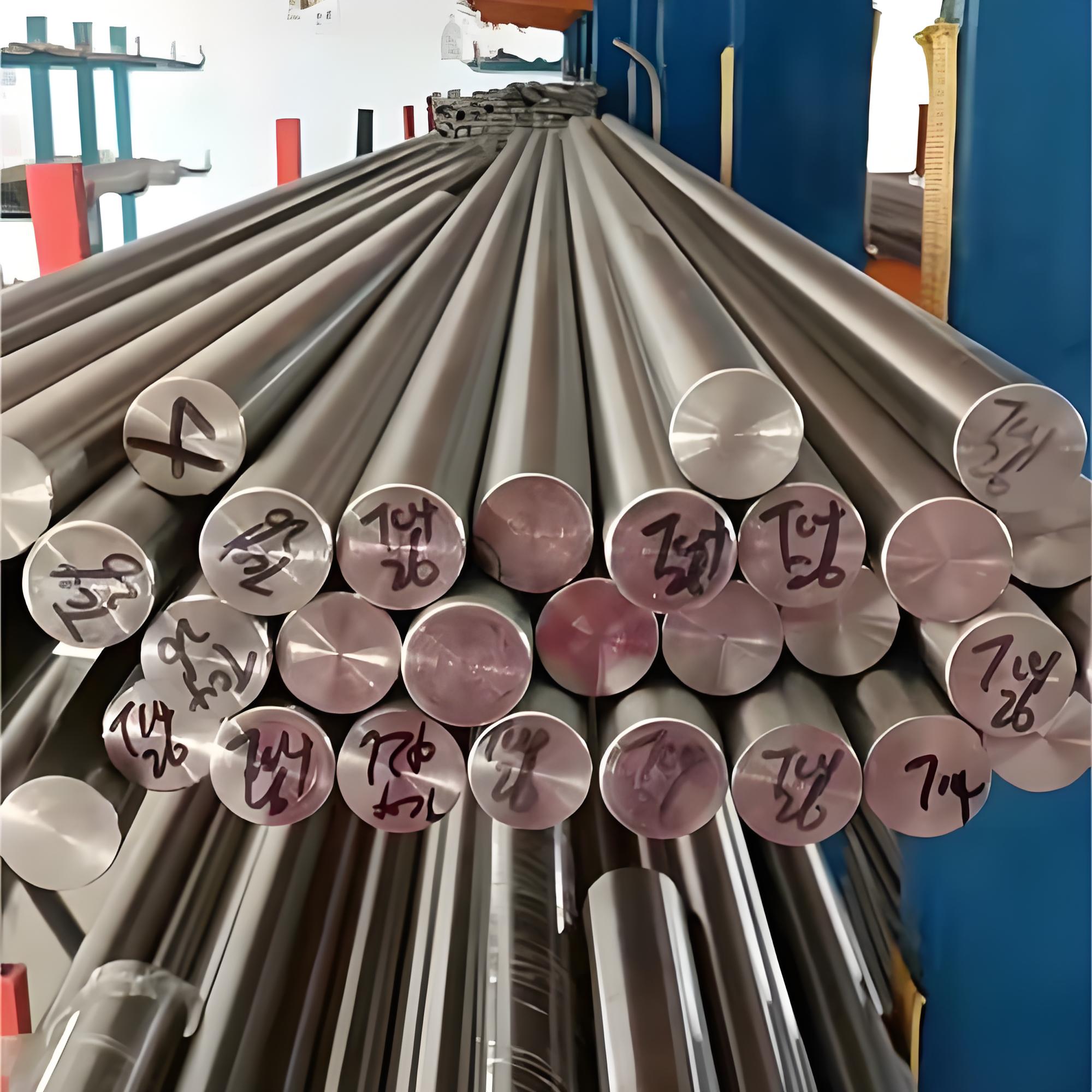
From a factory operating standpoint, the main supply advantage is not only nominally lower price but a more flexible production and inventory structure. Shanghai NC Metal Materials Co., Ltd. can support small-lot supply from 100 kg, and cut remnants can sometimes be arranged below 50 kg when stock dimensions match the required diameter and length.
Delivery speed is another practical strength. Common specifications can be dispatched within 72 hours, while custom production usually falls within 2–4 weeks. This lead-time profile is useful for maintenance shutdown schedules, replacement shafts, urgent chemical equipment parts, and short-cycle export replenishment.
Quality control is handled through heat-by-heat traceability. Each melt can be supplied with spectrometer composition data and tensile test reporting, and third-party verification can be added where needed. For many industrial projects, that level of traceability is more directly relevant than broad promotional claims.
A further advantage is one-stop alloy coverage. In addition to 825, the same supply chain can also provide 625, 800H, C-276, and other corrosion-resistant nickel alloy bars. This is useful in projects where several alloy grades are used across different positions such as bolts, shafts, sleeves, valve parts, and support components.
For material nonconformity involving composition or mechanical performance outside the agreed specification, our standard handling is replacement or refund according to the verified test result and supply agreement. In alloy bar business, that point matters more than broad sales language because traceability and accountability are part of the real transaction value.
Incoloy 825 round bar is used where sulfuric acid resistance, phosphoric acid resistance, and stable service in mixed corrosive environments are needed without moving to the cost level of the highest nickel-molybdenum grades. Typical annual consumption varies significantly by equipment type and maintenance frequency.
In chemical plants, common uses include sulfuric service bolts, pump shafts, and corrosion-resistant machined connectors. Annual consumption in a single plant or maintenance system is often around 10–20 tons when rotating equipment and line hardware are regularly replaced.
In marine engineering, 825 is used for seawater-related auxiliary components such as cooling tower fasteners and corrosion-resistant structural connectors, with annual volume often around 5–10 tons in project-based supply.
In environmental equipment, a typical application is flue gas desulfurization equipment, especially agitator shafts and corrosion-prone rotating parts, where yearly demand often falls in the 3–8 ton range. In pharmaceutical machinery, 825 may be selected for reactor thermowells or corrosion-sensitive process parts, usually at lower annual volumes of 2–5 tons but with tighter dimensional and surface requirements.
For 2026, the current nickel reference level is around ¥130,000–¥160,000/ton, which sits in a mid-historical band rather than at an extreme high. Molybdenum is presently around ¥350,000–¥450,000/ton, with some easing from stronger earlier levels. Based on these upstream inputs, the near-term cost outlook for Incoloy 825 round bar is relatively steady rather than sharply upward.
At present, the expected pattern for Q3 and Q4 of 2026 is general stability without a strong basis for major price swings, assuming no abrupt disruption in nickel raw material supply or exchange-rate shock. Since nickel remains the dominant cost driver, any sudden upward movement in nickel will still feed quickly into 825 quotations.
For immediate industrial demand of 2 tons or less, spot procurement is generally the most practical route because the market does not presently show a strong carry incentive. For annual demand above 10 tons, quarterly or annual framework pricing can smooth cost variation and reduce repeated small-lot quotation noise. When nickel falls below about ¥140,000/ton, moderate stock building becomes more attractive from a manufacturing cost perspective.
To issue an accurate same-day quotation for Incoloy 825 round bar, the required specification data is simple but must be complete. The key inputs are diameter, length, quantity, surface condition, certificate requirement, and destination. Without these details, a number quoted only by alloy name has limited practical value because the pricing difference between black bar and precision ground bar, or between short cut pieces and full-length stock, can be substantial.
Available quotation formats include ex-works price in CNY/kg, FOB China port in USD/kg, and shipment-based terms such as CIF or CFR. During working days, the normal response speed is within 4 hours for a formal quotation sheet together with basic material data. For batch orders, test samples from the same heat can also be supplied in the form of two trial bars where the project arrangement requires verification before final release.
Why is Incoloy 825 round bar much more expensive than 316L stainless steel?
The main reason is alloy chemistry. Incoloy 825 contains a very high nickel fraction plus molybdenum and titanium, while 316L is still a stainless steel with much lower nickel content. The corrosion resistance level is also different. 825 is designed for stronger acid service, especially sulfuric and phosphoric environments where 316L may not provide sufficient life.
Which surface condition is most economical for machined parts?
Black bar is the lowest-cost starting form, but it is not always the most economical after machining. If the part requires strict dimensional allowance, better straightness, or reduced skin removal, turned bar can lower total machining waste. Ground bar is preferred where tolerance and surface finish are already part of the final engineering requirement.
Is large diameter Incoloy 825 bar cheaper than small diameter bar?
Per kilogram, large black bar may appear cheaper in quotation tables, but this does not mean the production route is simpler. Heavy-diameter forging has higher equipment load and stricter internal quality demands. The lower listed unit price usually reflects reduced finishing cost rather than lower technical difficulty.
More from this category
Incoloy 825 bar price depends on the nickel-based alloy composition, bar dimensions, manufacturing route, heat-treatment condition, surface finish, in...
Incoloy 800HT bar price is shaped by nickel, chromium, titanium, and aluminum raw-material costs, together with bar dimensions, heat-treatment conditi...
Incoloy 20 round bar price per kg depends on the alloy composition, bar size, manufacturing method, surface finish, tolerance, certificates, inspectio...
Hastelloy G-30 N06030 bar factory price is determined by the alloy’s high nickel, chromium, iron, molybdenum, copper, and tungsten content, together...
 English English
  Korean
 Arabic
 Spanish
 German
 Portuguese
 French
 Russian
 Italian
 Vietnamese