
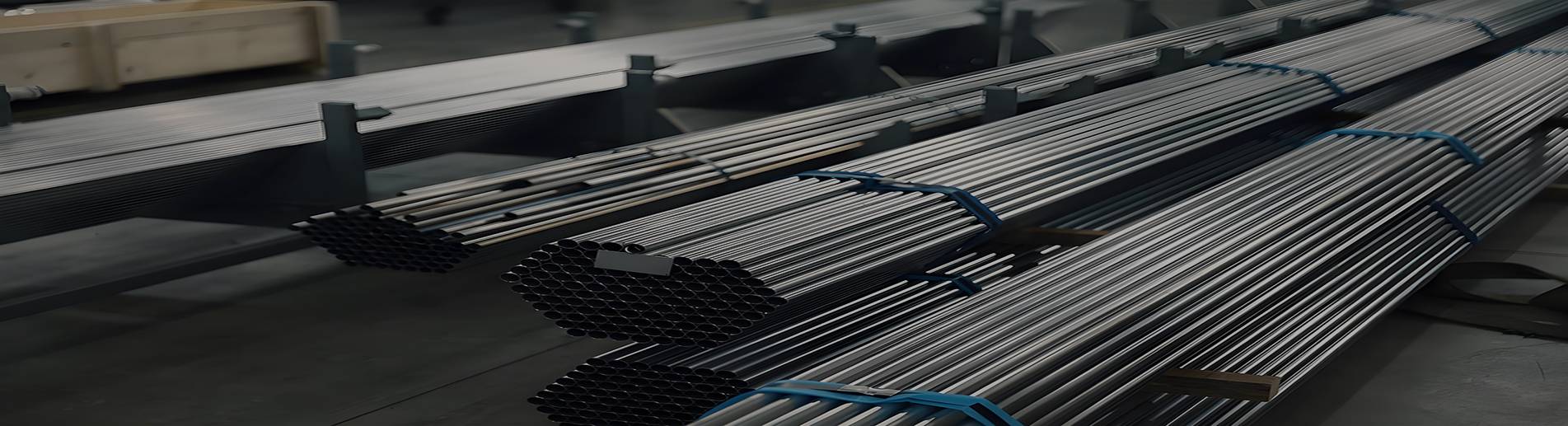
Incoloy 825 Bar Price | UNS N08825 Supplier
Incoloy 825 bar price depends on the nickel-based alloy composition, bar dimensions, manufacturing route, heat-treatment condition, surface finish, in...
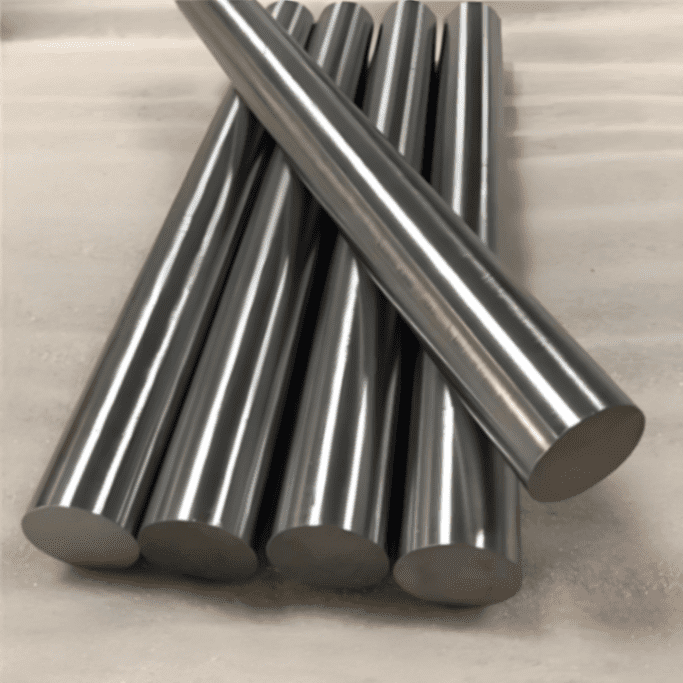
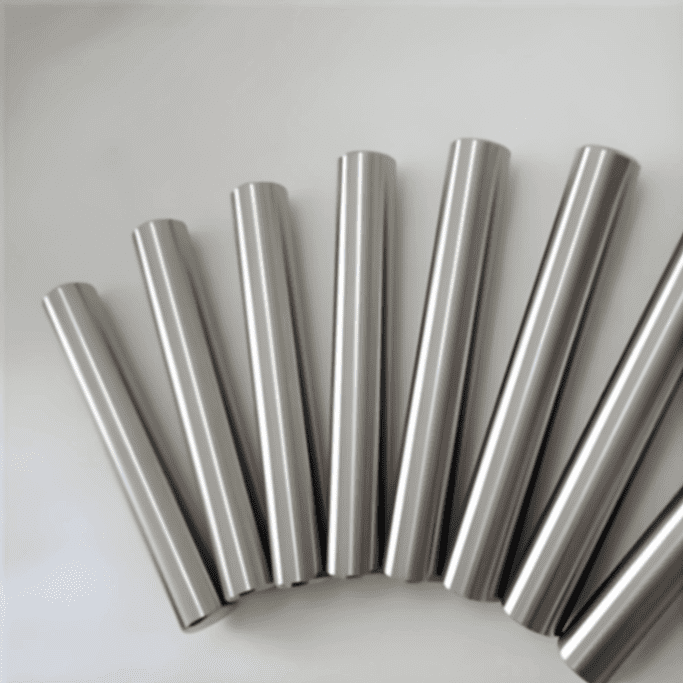
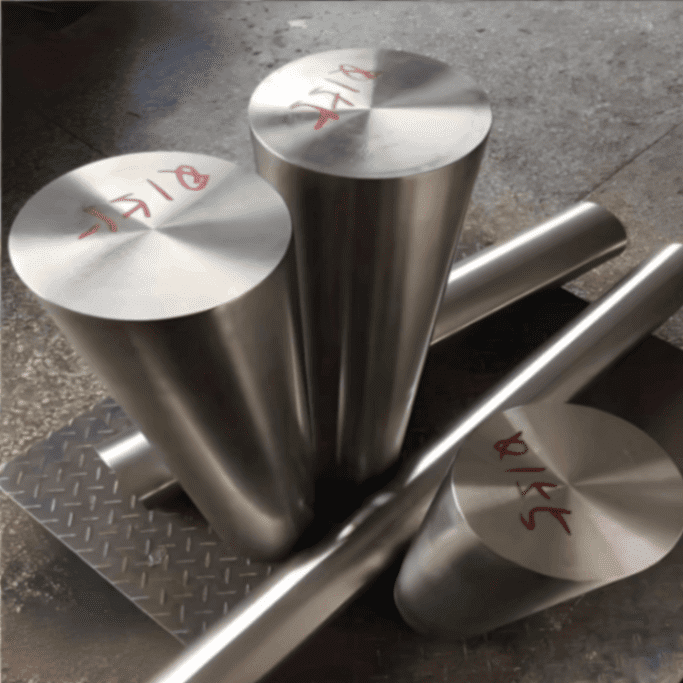
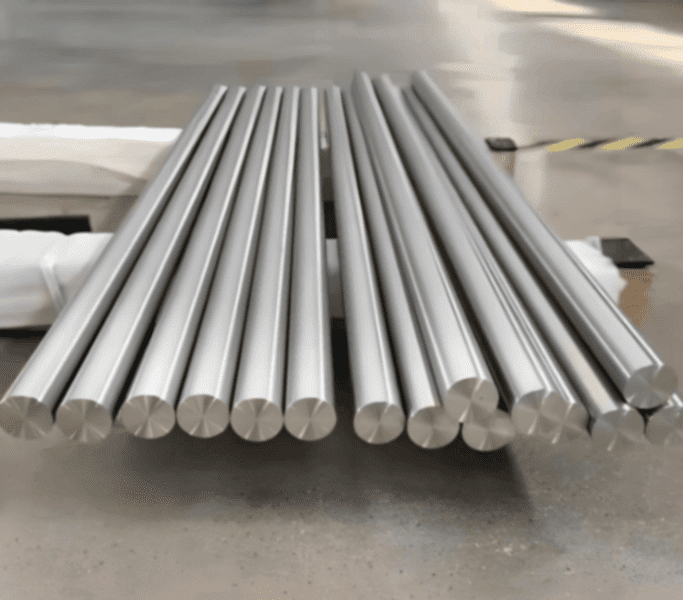
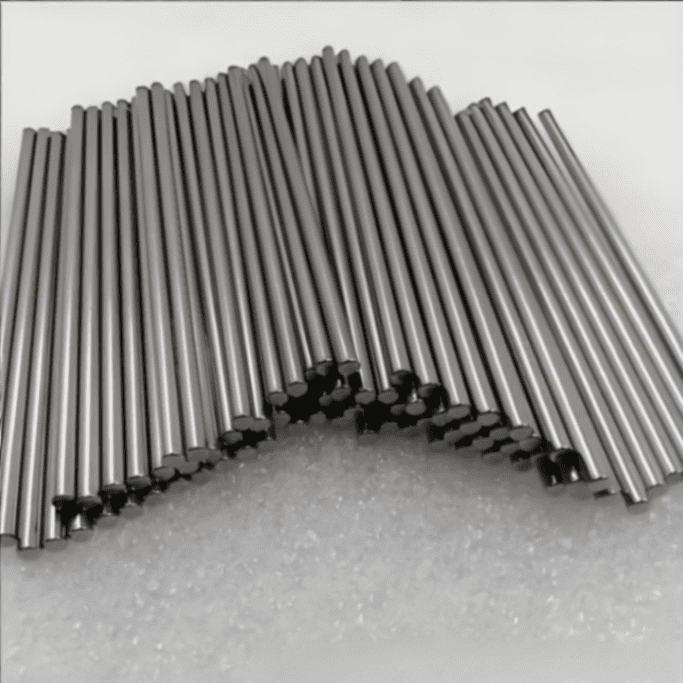
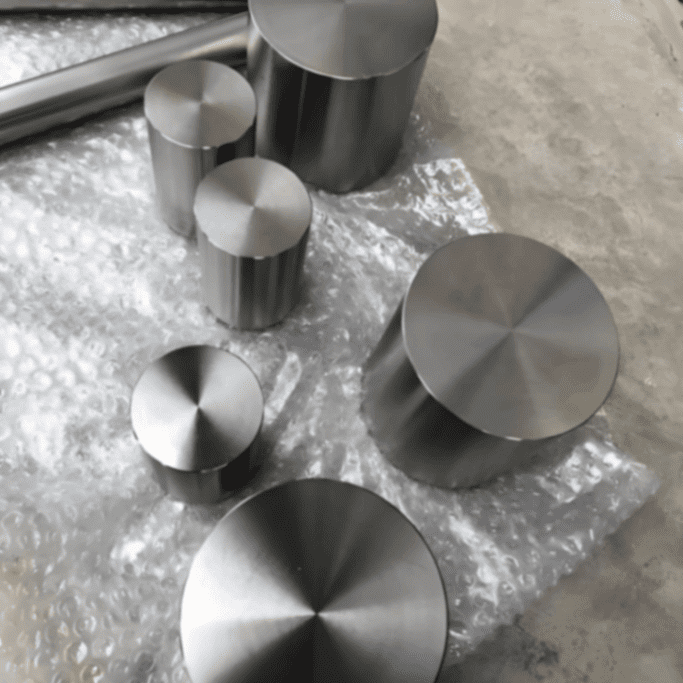
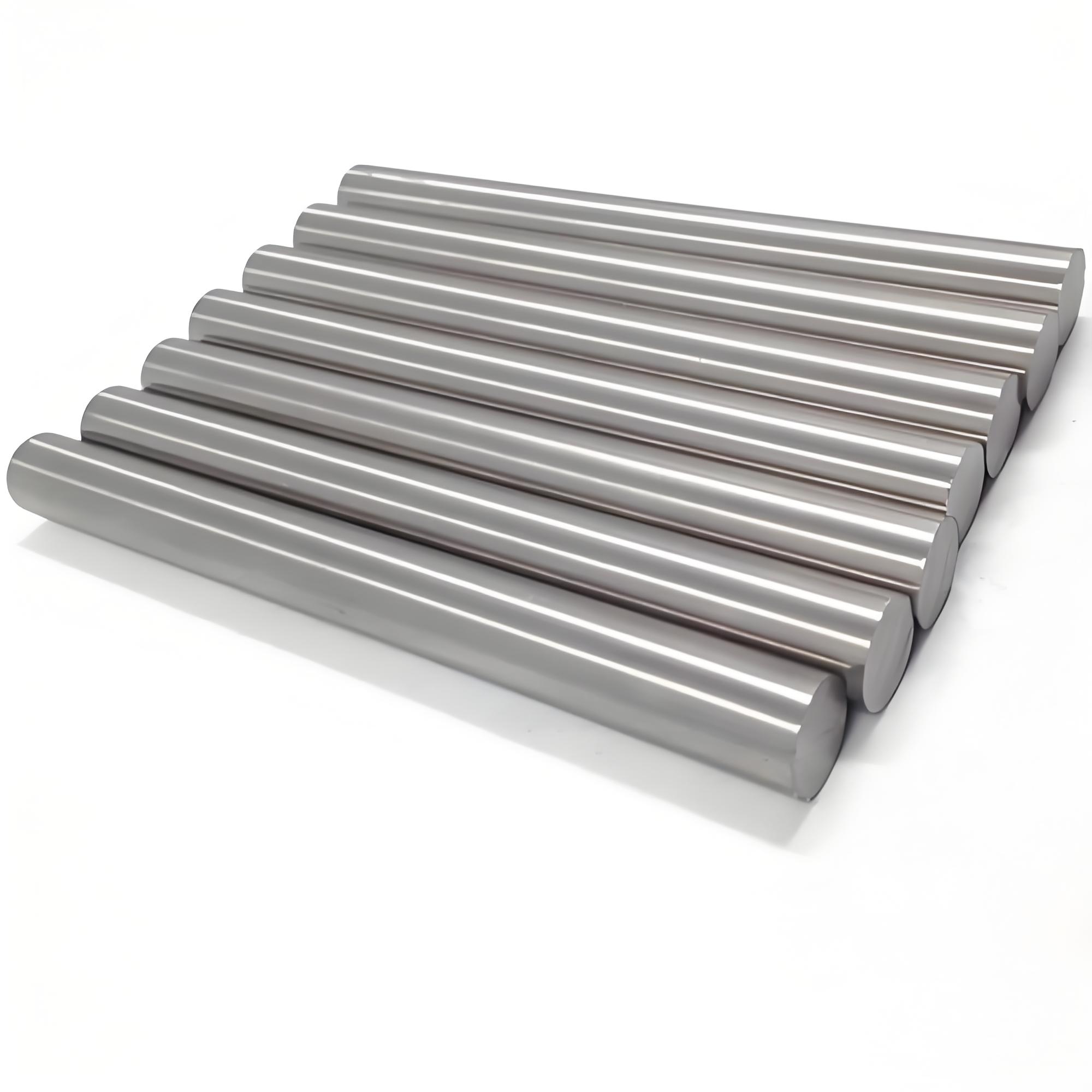
Incoloy alloy 330 round bars are supplied in China mainly for high-temperature furnace parts, carburizing-resistant fixtures, petrochemical cracking components, and heat-resistant structural parts that work in oxidizing and carburizing atmospheres. At Shanghai NC Metal Materials Co., Ltd., Incoloy 330 bar is offered in hot rolled, forged, turned, and ground conditions across a wide diameter range, with current 2026 Q2 reference pricing generally at ¥32–¥70/kg for standard supply and $4.5–$10/kg FOB for export lots, while precision ground bars run higher. This alloy sits in a practical middle band above common heat-resistant stainless grades and below higher-nickel alloys such as Inconel 600, which makes it a frequent choice where carburization resistance matters more than broad aqueous corrosion performance.
Shanghai NC Metal Materials Co., Ltd. supplies Incoloy 330 round bars to the UNS and EN designation system as UNS N08330 and 1.4886. This grade is an austenitic heat-resistant nickel-iron-chromium alloy with relatively high silicon content, developed for strong resistance to oxidation, carburization, nitriding, and thermal cycling in elevated-temperature service.
The available product forms include hot rolled bars, forged bars, and bright finished bars such as turned and ground stock. The standard diameter range is φ6–400mm. Supply condition can be arranged as solution annealed, with surface state selected as black, turned, or ground depending on machining allowance, dimensional requirement, and end-use application.
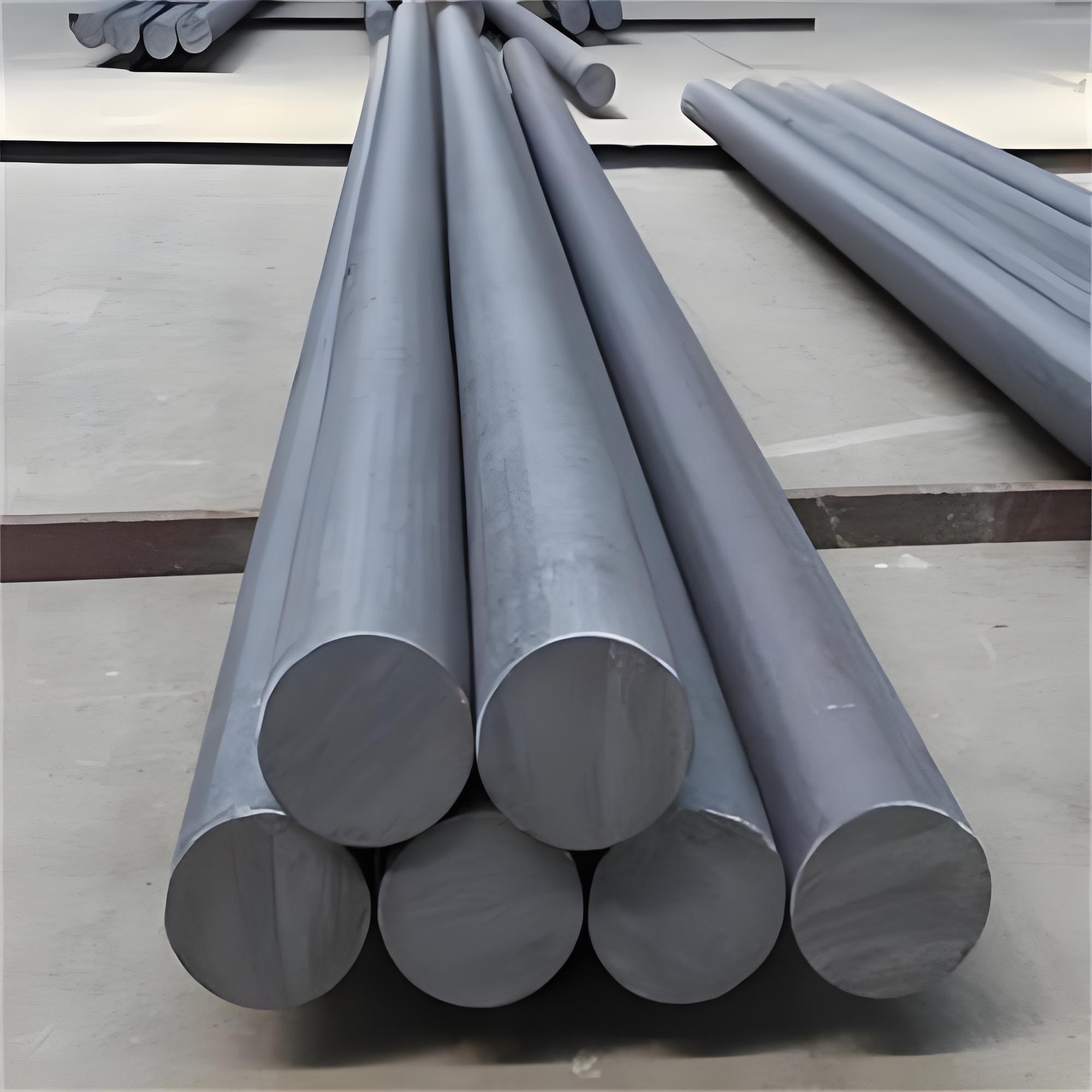
From a production standpoint, smaller diameters are generally supplied from hot rolled or bright processed stock, while heavy sections in the φ150–400mm range are more often produced through forging. This distinction matters because the cost structure and lead time of forged large-diameter 330 bars differ from standard rolled bar supply.
The current factory reference price for Incoloy 330 round bars in 2026 Q2 is divided by purchase volume and finish level. For domestic supply on a tax-included basis, the usual range starts from the low thirties per kilogram for bulk black bar and moves toward the upper double-digit range for small-lot finished stock. Export pricing is quoted on an FOB basis in US dollars.
| Purchase Type | RMB (¥/kg, tax included) | USD ($/kg, FOB) |
| Spot small lot (<500kg) / standard lot (500–2000kg) | ¥45–70 / ¥38–55 | $6.5–10 / $5.5–8 |
| Bulk (>2 tons) / precision ground bar | ¥32–48 / ¥60–100 | $4.5–7 / $8.5–14 |
For spot small-batch orders below 500 kg, the usual ex-works tax-included level is ¥45–¥70/kg, equivalent to about $6.5–$10/kg FOB under a normal exchange-rate band. This applies mainly to stock bars, cut lengths, mixed diameters, and jobs with higher warehouse handling cost per kilogram.
For standard orders between 500 and 2000 kg, the practical domestic reference is ¥38–¥55/kg, with export pricing around $5.5–$8/kg FOB. This range is often the most representative of regular industrial purchasing because it aligns well with rolling batches, cutting plans, and packing efficiency.
For bulk orders above 2 tons, the normal quotation range is ¥32–¥48/kg, with export levels around $4.5–$7/kg FOB. At this tonnage, the lower end of the price structure becomes accessible when specifications are consolidated and finishing work remains limited.
Precision ground bars remain in a distinct category regardless of order size, typically at ¥60–¥100/kg or $8.5–$14/kg FOB. Grinding cost is influenced by diameter tolerance, surface roughness, straightness, and the amount of stock removal needed after solution annealing and straightening.
These figures are reference values for 2026 Q2. Since Incoloy 330 contains significant nickel and chromium, day-to-day quotation changes are mainly linked to nickel cost movement, while chromium contributes a smaller variation to the final bar price.
Diameter and finish are two of the most visible price variables in Incoloy 330 bar supply. Small diameters carry higher per-kilogram processing cost, while turned and ground surfaces introduce additional machining, straightening, and inspection steps. Large forged diameters have a different cost pattern because deformation, reheating, and internal quality control become more demanding.
| Diameter Range | Black Bar (¥/kg) | Turned Bar (¥/kg) | Ground Bar (¥/kg) |
| φ6–15mm / φ15–50mm / φ50–120mm | ¥50–70 / ¥42–60 / ¥38–55 | ¥65–90 / ¥55–80 / ¥50–70 | ¥80–120 / ¥70–100 / ¥65–90 |
| φ120–250mm / φ250–400mm | ¥35–50 / ¥38–55 (forged) | ¥48–65 / ¥55–80 | ¥60–85 / ¥70–100 |
In the φ6–15mm range, black bar already sits relatively high at ¥50–¥70/kg, while ground bar can reach ¥80–¥120/kg. This is typical for small-section nickel alloys, where lower unit weight, higher straightness sensitivity, and deeper finishing ratio all raise the cost base.
The φ15–50mm and φ50–120mm ranges are usually the most economical for general furnace hardware, structural rods, rollers, supports, and machined heat-resistant components. These sizes combine decent production efficiency with broad industrial use, which keeps supply more stable.
For φ120–250mm, black bar may fall to ¥35–¥50/kg when standard stock or planned batch production is available. In the φ250–400mm forged range, black-surface pricing rises again to about ¥38–¥55/kg because heavy forging requires longer heating cycles, larger ingot sections, and stricter control of center soundness.
In the Chinese market, Incoloy 330 round bar can come from several supply channels, and the price level differs noticeably between them. The main categories are medium-sized specialist producers, large steel mills, stockholding traders, and imported brand suppliers.
| Supplier Type | Price Range (¥/kg) | Main Feature |
| Our factory | ¥32–70 | Flexible small lot supply, faster lead time |
| Large mills / traders / imported brands | ¥45–80 / ¥55–100 / ¥100–180 | Brand scale / retail stock cuts / higher certification tier |
As a medium-sized specialist factory, Shanghai NC Metal Materials Co., Ltd. generally works in the ¥32–¥70/kg band, depending on size, finish, and quantity. This structure is competitive because smaller and mixed-lot orders can be processed with more flexibility than at a large integrated mill.
Large steel mills often quote around ¥45–¥80/kg. Their advantages are mill-brand consistency and broader internal metallurgy resources, but their minimum order threshold is commonly higher, especially for nonstandard diameters or shorter cut lengths.
Traders and stock distributors are often in the ¥55–¥100/kg range because the material has already passed through stockholding, capital occupation, repacking, and resale layers. For immediate cut-piece retail supply, that premium is normal.
Imported brands such as VDM or SMC generally stand much higher at ¥100–¥180/kg. The difference comes from brand premium, international certification systems, import logistics, and longer procurement cycles rather than from a simple chemical comparison alone.
Incoloy 330 price is shaped by alloy chemistry, production yield, processing depth, and order size. Among the alloying elements, nickel at 34–37% is the single largest cost driver. A rise of ¥10,000/ton in nickel typically increases 330 bar cost by about ¥3.5–¥4/kg. This is the most direct reason why Q2 quotations must be read as reference values rather than fixed annual numbers.
Chromium at 17–20% contributes less to price volatility than nickel. Its effect exists, but it is not usually strong enough to reshape the quotation band on its own. Silicon at 0.75–1.5% is a characteristic element in 330, supporting carburization and oxidation resistance at high temperature, yet it is comparatively easy to control during melting and does not create major cost instability.
From a manufacturing perspective, hot workability is one reason why 330 often prices more favorably than some other nickel alloys. The alloy is a stable austenitic structure with good forging and rolling behavior, and the typical finished yield can reach around 90%. That is a relatively efficient figure in the heat-resistant alloy category.
Surface finishing has a clear and measurable effect. Turned bar usually adds about ¥15–¥30/kg, while ground bar adds roughly ¥30–¥60/kg. The actual increase depends on diameter, original surface condition, tolerance target, and required straightness after processing.
Purchase volume also changes the quotation sharply. The gap between a retail-like order below 100 kg and an annual or agreement-based order above 5 tons can reach about 40%. This difference is rooted in cutting loss, warehouse handling, inspection setup, packing labor, and machine allocation per unit weight.
For regular factory quotations, a staged discount system is used according to order quantity. The table below reflects the current pricing logic for a typical black surface φ50mm Incoloy 330 bar.
| Purchase Volume (kg) | Discount Rate | Typical Unit Price (¥/kg) |
| 10–99 / 100–499 | Base / 5–10% off | ¥55–70 / ¥45–60 |
| 500–1999 / 2000–4999 / ≥5000 | 12–18% off / 18–25% off / 25–30% off | ¥38–52 / ¥35–48 / ¥32–45 |
At the 10–99 kg level, the material is priced close to the benchmark because saw cutting, marking, certificate preparation, and packaging still consume nearly the same labor as a larger lot. Once the order reaches 100–499 kg, the quotation improves because stock utilization and cutting plans become more efficient.
The most balanced industrial price band usually appears in the 500–1999 kg range. Above 2000 kg, the discount deepens because bar scheduling, heat treatment grouping, and outbound logistics become easier to organize. At 5000 kg and above, the best levels apply when the order is not overly fragmented across many diameters and finish conditions.
Incoloy 330 should not be compared only by nickel percentage. Its position in furnace-material selection is closely tied to carburization resistance, nitriding resistance, oxidation behavior, and cost balance against stainless heat-resistant grades and higher-alloy nickel materials.
| Grade | Price (¥/kg) | Main Difference |
| Incoloy 330 / 310S / Incoloy 800H | ¥32–70 / ¥25–45 / ¥80–130 | High Si carburization resistance / similar heat resistance but weaker anti-carburization / higher Ni and stronger high-temp strength |
| Inconel 600 / 314 stainless steel | ¥150–250 / ¥30–50 | Higher Ni and broader corrosion resistance / oxidation resistant but weaker carburization resistance |
Compared with 310S, Incoloy 330 is more expensive, but it provides better resistance to carburizing and nitriding atmospheres because of its alloy design, especially its silicon effect. In applications such as furnace internals and cracking environments, that difference can be decisive.
Compared with Incoloy 800H, 330 is usually lower in price and is often selected where anti-carburization performance is more important than high-temperature creep strength. Compared with Inconel 600, 330 is much more economical, though 600 offers a higher-nickel system and wider corrosion capability in many non-furnace media.
314 stainless steel is closer to 330 in cost, but it does not match 330 in sustained carburizing resistance. That is why 330 remains a practical upgrade in thermal processing equipment where ordinary heat-resistant stainless grades lose section too quickly in carbon-rich atmospheres.
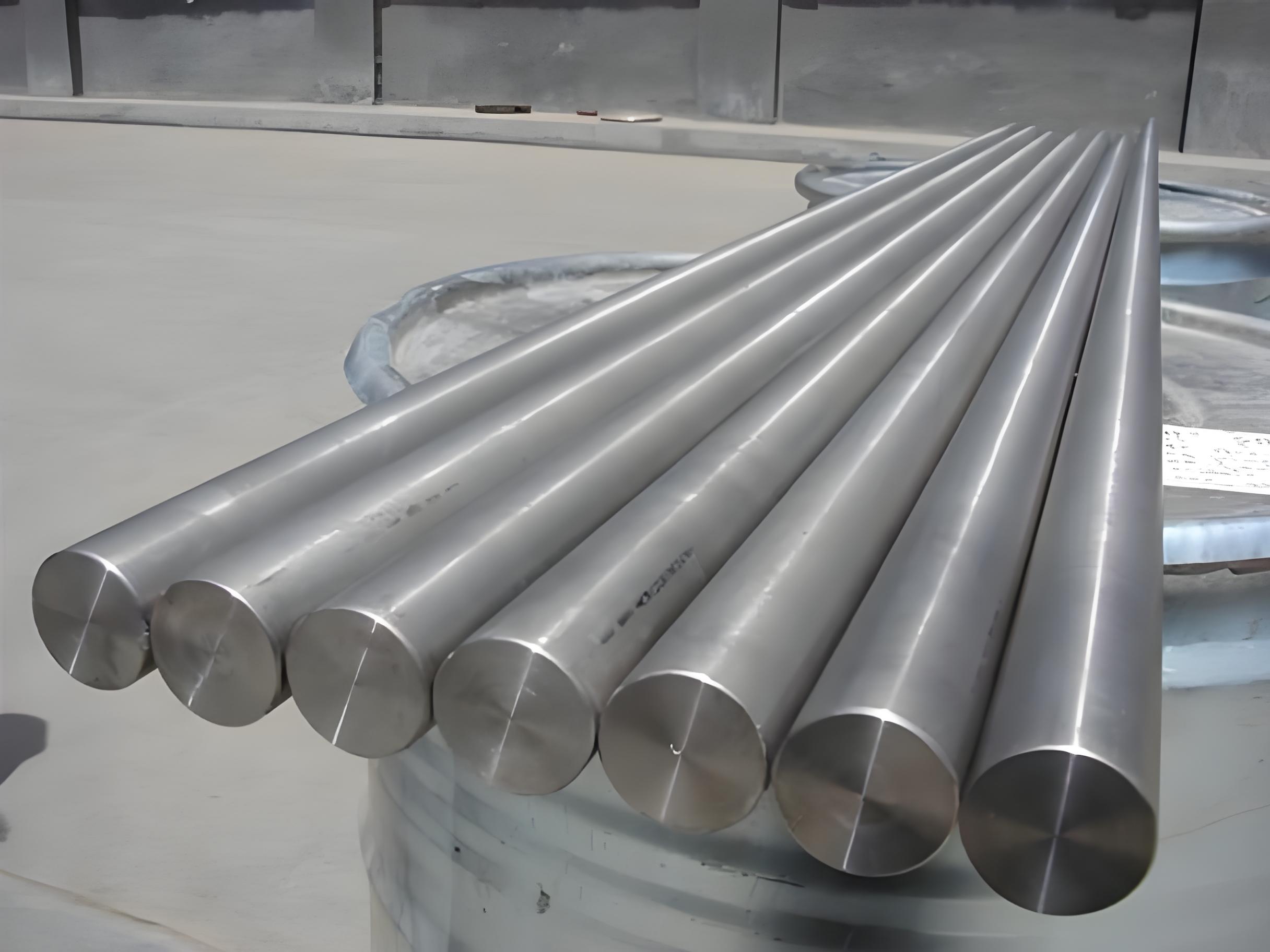
For regular stock supply, we keep φ10–150mm Incoloy 330 round bars in inventory, with total stock around 40 tons. For orders within 1 ton and in common sizes, same-day dispatch can usually be arranged once the final cutting and document confirmation are completed.
Small-lot retail supply starts from 10 kg, which is useful for furnace repair jobs, prototype components, and sample validation work. Sample orders are supported where the project requires a trial quantity before a full release.
For custom forged bars in φ150–400mm, the standard minimum is 1 ton, with a normal lead time of 3–4 weeks. Large-diameter forged material is commonly used for furnace rollers, support shafts, structural posts, and other parts where section stability at temperature matters.
For precision bright bars, ground tolerance can be supplied to h6/h7, with maximum practical length around 4 meters. Standard documentation includes EN 10204 3.1 with composition and tensile data, while 3.2 can be added when the project specification requires witnessed or third-party-certified release.
Incoloy 330 bar quotations often include the base material and normal certificate package, but several optional services may add cost. These charges are usually straightforward and can be separated from the base alloy price.
| Item | Charge (¥/kg) | Notes |
| EN 10204 3.1 certificate / third-party inspection / fixed-length cutting | Included / +¥10–20 / +¥2–5 | Standard / SGS or BV / ±1mm |
| Export wooden case / domestic logistics / urgent lead time | +¥2–3 / actual cost / +15% | Export packing / first-weight actual / under 3 days |
The EN 10204 3.1 certificate is included in the quoted material price. Third-party inspection by agencies such as SGS or BV adds about ¥10–¥20/kg. Fixed-length cutting to ±1 mm generally adds ¥2–¥5/kg, depending on diameter and the number of cut pieces.
Export wooden case packing usually adds ¥2–¥3/kg. Domestic logistics is charged separately by actual route and shipment structure. For urgent delivery under 3 days, a surcharge of around 15% is normal because stock allocation, cutting sequence, and packing must be prioritized ahead of routine orders.
Incoloy 330 round bars are used mainly in elevated-temperature equipment rather than room-temperature corrosion systems. The alloy is especially suitable for carbon-rich, nitrogen-rich, and cyclic-heating furnace environments where ordinary stainless grades can lose performance too quickly.
In heat treatment tooling, common applications include baskets, furnace rollers, hanger bars, and support fixtures. Monthly procurement in this sector often runs around 5–15 tons depending on furnace loading frequency and replacement cycle.
In petrochemical cracking furnaces, 330 is used for carburization-resistant pipe fittings and structural heat-resistant components. Annual procurement can reach 20–50 tons in larger maintenance and rebuild programs.
In cement preheaters, 330 may be used for inner hanging plates and hot-zone support components, with annual demand often in the 10–30 ton range. In automotive exhaust treatment and high-temperature sensor systems, it is also used for thermocouple protection tubes, where annual volume commonly falls around 5–10 tons with tighter tolerance and finish requirements.
For 2026, nickel remains in the approximate band of ¥130,000–¥160,000/ton, which places Incoloy 330 in a relatively stable cost environment. Since 330 contains less nickel than 800H, its price sensitivity to nickel movement is lower, though still significant enough to affect weekly quotation changes.
At current metal levels, Incoloy 330 is not showing the same upward pressure seen in some higher-nickel alloys. This makes it comparatively stable for planning furnace-material replacement schedules and annual maintenance budgets.
For small-lot demand, spot stock procurement is generally the most efficient route, especially since our factory supports supply from 10 kg. For annual demand above 10 tons, a quarterly agreement can reduce pricing noise and stabilize procurement cost. Where the service condition allows a lower-cost alternative, 310S can reduce material cost by roughly 20–30%, though with weaker carburization resistance and shorter life in harsher furnace atmospheres.
From a supply-chain perspective, the main advantage of our factory is the combination of broad size coverage, flexible minimum order quantity, and a pricing structure that stays below many large-mill and trader channels. For standard 330 bar supply, our pricing is often about 10–20% lower than large steel mills and 20–35% lower than stock traders for comparable conditions.
Lead time is another practical difference. Stock bars can move within 3 days, while custom production is commonly around 3 weeks, much faster than the 8–12 week cycle often associated with imported brands. This is particularly relevant in furnace shutdown repairs and project replacement work where downtime cost outweighs small price differences.
Our size coverage extends from φ6 to 400mm, allowing one-source supply from small bright bars to heavy forged sections. Quality documentation is handled heat by heat, with spectrometer analysis and tensile reports for each furnace batch. Video inspection support can also be arranged during production or before dispatch where the project requires visual verification.
For confirmed nonconformity in chemistry against the agreed specification, the material is handled on a replacement or refund basis according to the test record and order terms. In heat-resistant alloy supply, this kind of measurable quality commitment carries more value than broad promotional language.
To prepare an accurate daily quotation for Incoloy 330 round bars, the required information is diameter, length, quantity, surface condition, and certificate requirement. These details directly affect whether the supply comes from stock, needs bright processing, or must enter custom forging.
Quotation can be issued as a RMB ex-works price or a USD FOB China port price. On working days, the normal response time is within 4 hours. For batch orders, two sample bars from the same heat can be arranged as a free add-on with the shipment when project verification requires representative trial material.
What is Incoloy 330 mainly used for?
It is mainly used for high-temperature parts exposed to oxidation, carburization, nitriding, and repeated thermal cycling, such as furnace fixtures, cracking-furnace components, rollers, supports, and thermocouple protection tubes.
Is Incoloy 330 cheaper than Incoloy 800H?
Yes. In most China factory quotations, Incoloy 330 is lower in price than 800H. The difference comes largely from lower nickel burden and different service positioning, since 330 is often selected for carburization resistance rather than higher creep-focused high-temperature strength.
Why does ground bar cost much more than black bar?
Ground bar requires additional turning or peeling allowance, precision grinding, straightness correction, tighter dimensional inspection, and more careful packing. These steps raise both labor and yield loss per kilogram.
More from this category
Incoloy 825 bar price depends on the nickel-based alloy composition, bar dimensions, manufacturing route, heat-treatment condition, surface finish, in...
Incoloy 800HT bar price is shaped by nickel, chromium, titanium, and aluminum raw-material costs, together with bar dimensions, heat-treatment conditi...
Incoloy 20 round bar price per kg depends on the alloy composition, bar size, manufacturing method, surface finish, tolerance, certificates, inspectio...
Hastelloy G-30 N06030 bar factory price is determined by the alloy’s high nickel, chromium, iron, molybdenum, copper, and tungsten content, together...
 English English
  Korean
 Arabic
 Spanish
 German
 Portuguese
 French
 Russian
 Italian
 Vietnamese