
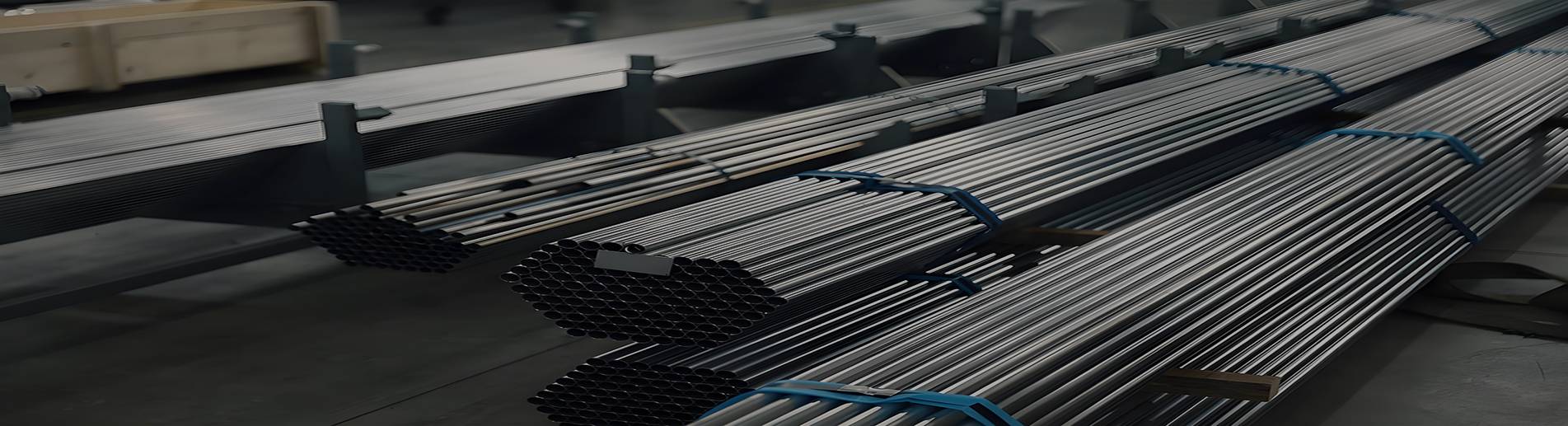
Inconel 617 alloy round bar price per kilogram
Inconel 617 alloy round bar price per kilogram is commonly about USD 45 to 90 per kg for standard industrial stock sizes. Large forged bars, small pre...
Inconel 718 is one of the most widely used nickel-based superalloys because it offers a practical balance of strength, weldability, fatigue resistance, and high-temperature stability. When people discuss its heat treatment behavior, the delta phase solvus temperature is one of the most important but also one of the most misunderstood topics. In simple terms, the delta phase solvus marks the temperature range where existing δ phase dissolves back into the matrix during heating. That temperature matters because it directly affects grain size control, the later precipitation of strengthening phases, and the final mechanical properties of forged, rolled, cast, or additively manufactured 718 components.
In Inconel 718, the delta phase, usually written as δ phase, is an orthorhombic Ni3Nb phase. It is chemically related to the metastable γ” phase, which is the main strengthening precipitate in this alloy. The key difference is that γ” is beneficial for age hardening, while excessive δ phase usually reduces the amount of niobium available for γ” precipitation. Because of that, the presence of delta phase must be carefully controlled rather than simply maximized or completely ignored.
The δ phase typically forms during exposure to intermediate temperatures, especially when the alloy spends enough time in roughly the 650–980°C range. It often precipitates at grain boundaries, but depending on prior processing and local segregation, it may also form inside grains. In wrought products, a controlled amount of grain-boundary δ phase can be useful because it helps pin grain boundaries and suppress excessive grain growth during hot working or solution treatment. That is why delta phase is not always considered harmful. In some manufacturing routes, it is intentionally retained in limited quantity.
The formation mechanism of δ phase is closely tied to niobium partitioning. Inconel 718 contains significant niobium, and this element is essential for γ” strengthening. However, when the alloy is exposed to suitable temperatures for long enough, γ” can transform into δ phase, or niobium-rich regions can directly nucleate δ phase. This is especially common in segregated microstructures, where local niobium enrichment lowers the effective barrier for precipitation.
From a practical standpoint, delta phase sits at the center of a property tradeoff. Too little delta phase during processing may lead to grain coarsening. Too much delta phase may reduce age-hardening potential and lower tensile strength, especially at room and intermediate temperatures. So when engineers talk about the delta phase solvus temperature, they are really talking about one of the main control points for balancing processability and final performance.
The term “solvus temperature” refers to the temperature at which a precipitated phase becomes thermodynamically unstable and starts to dissolve into the surrounding matrix upon heating. For the δ phase in Inconel 718, the delta solvus is not always a single sharp number in production practice. Instead, it is better understood as a dissolution range. That is because real industrial materials are not perfectly uniform. They contain segregation, grain-boundary chemistry variation, prior strain, and different precipitate sizes, all of which influence when dissolution begins and when it is completed.
Scientifically, the delta solvus corresponds to the boundary between the phase field where δ is stable and the phase field where it is no longer stable under near-equilibrium conditions. In laboratory language, one may distinguish between the incipient dissolution temperature, the peak dissolution response seen in thermal analysis, and the temperature at which δ is fully dissolved after a specific holding time. These values are related, but they are not identical.
This distinction matters because many heat treatment specifications are written in practical terms, not purely thermodynamic ones. A shop-floor engineer needs to know questions like: At what temperature will most grain-boundary δ dissolve within one hour? How high must the solution treatment go to remove nearly all delta phase without causing excessive grain growth? Those are process questions, and the answer depends on both temperature and time.
So when someone asks for the “Inconel 718 delta phase solvus temperature,” the most accurate response is not a single fixed value for all materials. It is a temperature window influenced by alloy chemistry, prior thermal exposure, microsegregation level, and test method. That is why published numbers often differ by several tens of degrees Celsius.
In technical literature, the reported delta phase solvus temperature range for Inconel 718 commonly falls around 870–980°C. This broad interval should not be seen as contradictory data. It reflects the fact that some authors report the onset of dissolution, some report the temperature for substantial dissolution, and some report the practical temperature needed to eliminate visible δ phase after a defined hold.
In many wrought 718 products, engineers often treat the effective δ solvus as being roughly in the 930–980°C region for process planning, especially when discussing solution treatment. Lower temperatures within the broader range may correspond to the beginning of instability or partial dissolution, while the upper part of the range is more associated with near-complete dissolution depending on time and prior microstructure.
A simple way to understand the numbers is this: if the alloy contains fine, limited δ precipitates, some dissolution may begin at relatively lower temperatures. If the alloy contains coarse grain-boundary δ or strong niobium segregation, a higher temperature and longer hold may be needed to fully dissolve it. That is why heat treatment schedules for 718 often sit near, below, or slightly above the practical delta solvus depending on whether the goal is to retain some δ for grain control or remove it to maximize age-hardening response.
Industrial solution treatment temperatures for Inconel 718 are often selected with this behavior in mind. A lower solution temperature can leave some δ phase behind and help control grain growth. A higher solution temperature can dissolve more δ, improve niobium availability for later γ” precipitation, and increase strength potential after aging. But if the temperature goes too high or the hold is too long, grain coarsening may offset those benefits, especially for applications sensitive to creep, fatigue crack growth, or notch behavior.
The first major factor is chemical composition variation. Even within standard composition limits for Inconel 718, small shifts in niobium, titanium, aluminum, carbon, and trace elements can change precipitation behavior. Niobium is the most influential in the context of δ phase because δ is a niobium-rich phase. If local niobium concentration is high due to segregation from solidification or insufficient homogenization, delta phase may be more stable locally, which can raise the practical temperature required for full dissolution.
Iron and chromium levels also influence matrix chemistry, while titanium and aluminum affect the balance among strengthening phases. In commercial production, two heats both meeting the same standard may still show different delta dissolution behavior because the actual precipitate morphology and local chemistry are different. This is especially true for remelted products, large forgings, and additively manufactured materials where thermal history differs greatly.
The second factor is heat treatment history and microstructure. A sample that has undergone prolonged exposure in the delta precipitation range may develop coarse, continuous grain-boundary δ phase, which takes longer to dissolve. A sample with only fine and discontinuous δ precipitates may respond much faster. Prior cold work or hot deformation can also influence nucleation and dissolution because stored energy and defect density affect diffusion pathways.
Microsegregation inherited from casting or additive manufacturing is another big variable. In segregated dendritic regions, niobium-rich zones may hold Laves-related remnants or promote persistent δ precipitation. In such cases, the practical dissolution temperature can be higher than what equilibrium calculations suggest for a fully homogenized alloy. This is why relying on handbook values alone can be risky when dealing with nonstandard feedstock or complex manufacturing routes.
The third factor is heating rate and holding time. A faster heating rate may shift the apparent dissolution temperature upward in thermal analysis because the material has less time to approach equilibrium. In contrast, slow heating can allow partial dissolution at lower temperatures. Holding time is equally important. Even if the temperature is nominally above the equilibrium solvus, coarse precipitates may not disappear immediately. Diffusion-controlled dissolution takes time, and the time required depends on precipitate size, morphology, and local chemistry.
This time-temperature coupling is one reason why two heat treatments at the same peak temperature may produce different results. For example, a short high-temperature exposure may leave some residual δ phase, while a longer hold may dissolve most of it. Conversely, an excessively long hold near or above the solvus can encourage grain growth, which may be undesirable. So the effective solvus in manufacturing is always a process variable, not just a textbook number.
The delta phase solvus temperature has a direct relationship with precipitation strengthening. Inconel 718 derives much of its strength from γ” and, to a lesser extent, γ’ precipitates formed during aging. Because δ phase consumes niobium, excessive retained δ after solution treatment reduces the niobium available for γ” formation. As a result, the alloy may show lower hardness, lower yield strength, and weaker response to standard aging treatments.
That said, the story is not as simple as “remove all δ and strength always increases.” If solution treatment is performed too far above the delta solvus, grain boundaries may become insufficiently pinned. This can allow grain growth during heating, especially in heavily worked or high-stored-energy material. Coarser grains may be acceptable or even beneficial in some creep-dominated applications, but they can be harmful for tensile ductility consistency, fatigue performance, and ultrasonic inspectability depending on the component type.
The relationship with high-temperature creep is particularly important. A fine grain structure generally helps room-temperature strength and some forms of fatigue resistance, but coarse grains can improve creep resistance by reducing total grain-boundary area. Since δ phase helps stabilize grain size during processing, controlled retention of δ before final aging can be useful when the goal is to avoid abnormal grain growth and maintain a target grain size distribution. This is why aerospace processing routes often use carefully chosen sub-solvus or near-solvus treatments rather than simply maximizing dissolution at all times.
Another property implication involves crack initiation and fracture behavior. Continuous or excessive grain-boundary δ networks can act as brittle paths or stress concentrators, especially if associated with segregation and local depletion of strengthening elements. In those cases, dissolving more δ through appropriate solution treatment can improve overall mechanical balance. But if the treatment overshoots and produces excessive grain coarsening, fatigue crack initiation behavior may worsen for another reason. Again, the real engineering task is balance, not an absolute yes-or-no decision about delta phase.
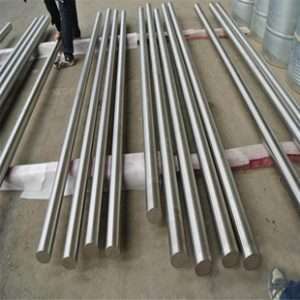
In practical heat treatment control, the delta phase solvus is one of the main reference points for choosing the solution treatment temperature of Inconel 718. If the goal is to preserve some grain-boundary δ for grain control, the solution temperature is often selected below or near the practical solvus. If the goal is to eliminate most δ and maximize subsequent age hardening, the temperature is selected at or above the practical dissolution range, with carefully controlled hold time.
This matters in forging shops, rolling mills, aerospace machining supply chains, and repair operations. During thermomechanical processing, a controlled amount of δ phase can improve workability by limiting grain growth. During final property optimization, too much retained δ may reduce strength potential. Therefore, process engineers often use different thermal windows for intermediate and final steps. One schedule may intentionally promote or retain δ for grain structure control, while a later schedule may dissolve part of it before aging.
In real production, eliminating delta phase is not always the universal target. The more realistic target is to achieve the right amount, distribution, and morphology of δ for the intended application. For high-strength fasteners, turbine components, or structural rings, the ideal condition may differ depending on section size, service temperature, creep requirement, and inspection standard. This is why qualified heat treatment procedures are usually based on both metallography and mechanical testing, not just nominal furnace setpoints.
For companies working with Inconel 718 supply and processing, including Shanghai NC Metal Materials Co., Ltd., understanding the delta solvus is essential when discussing bar, plate, forging, or custom semi-finished product routes. Material that has seen different upstream forging reductions or annealing histories may respond differently during downstream heat treatment. Buyers often focus on chemistry and standard compliance, but for demanding service, thermal history and precipitate condition can be just as important as the mill certificate values.
Another practical point is that the delta solvus affects repair and reheat decisions. If a component is exposed to intermediate temperatures during service or repair cycles, new δ phase may form. A subsequent restoration heat treatment must be chosen carefully to dissolve unwanted δ without damaging grain structure or dimensional stability. This is especially relevant in aerospace maintenance, hot-section support hardware, and complex fabricated assemblies.
One common method for evaluating the delta phase solvus is differential scanning calorimetry, or DSC. In DSC testing, a small sample is heated at a controlled rate, and thermal events such as precipitation or dissolution produce measurable heat-flow signals. For Inconel 718, δ dissolution may appear as an endothermic feature during heating. DSC is useful because it provides a relatively quick way to compare materials, thermal histories, and heating-rate effects.
However, DSC does not automatically give a single universal solvus temperature. The measured peak or onset depends on sample preparation, baseline handling, heating rate, and the amount and morphology of δ present. In other words, DSC is excellent for comparative analysis and trend identification, but it should be interpreted together with metallography rather than used in isolation.
Metallographic observation combined with controlled heat treatment experiments is another widely used approach. In this method, several samples are heated to different temperatures for defined holding times, then quenched and examined under optical microscopy or scanning electron microscopy. By comparing the quantity and distribution of δ phase before and after treatment, engineers can determine the approximate temperature range where dissolution begins and where it becomes essentially complete for that specific material condition.
This approach is slower than DSC, but it is often more practical for process qualification because it directly reflects the microstructure that matters in production. It also captures effects such as coarse grain-boundary δ, segregation bands, and incomplete homogenization that may be missed by relying on thermodynamic predictions alone. In many cases, the most reliable practice is to combine DSC, metallography, hardness testing, and sometimes X-ray diffraction or electron microscopy for phase identification.
For advanced process development, thermodynamic and kinetic modeling can also support solvus estimation, but model output still needs validation against actual material. Inconel 718 is a complex precipitation-strengthened alloy, and industrial products rarely behave exactly like ideal equilibrium calculations. That is why experienced metallurgists usually treat the delta solvus as a validated processing window rather than a single fixed database value.
What is the typical delta phase solvus temperature of Inconel 718?
A commonly cited broad range is about 870–980°C, but in practical heat treatment work many engineers focus on roughly 930–980°C as the range where substantial to near-complete δ dissolution may occur, depending on chemistry, prior microstructure, and holding time. The exact value is not universal for every heat or product form.
Should delta phase be completely removed from Inconel 718 during solution treatment?
Not always. Complete or near-complete removal can improve niobium availability for γ” strengthening and raise age-hardening potential, but retaining a controlled amount of grain-boundary δ can help limit grain growth during processing. The right choice depends on the component’s target grain size, strength requirement, creep exposure, and manufacturing route.
How can buyers or processors verify whether delta phase has dissolved after heat treatment?
The most practical way is to combine metallographic examination with a controlled heat treatment record. DSC can help identify dissolution behavior, but microstructural confirmation is usually needed. For critical applications, hardness response after aging, SEM observation of grain boundaries, and comparison against a qualified process window are commonly used to verify whether residual δ is acceptable.
More from this category

Inconel 617 alloy round bar price per kilogram is commonly about USD 45 to 90 per kg for standard industrial stock sizes. Large forged bars, small pre...
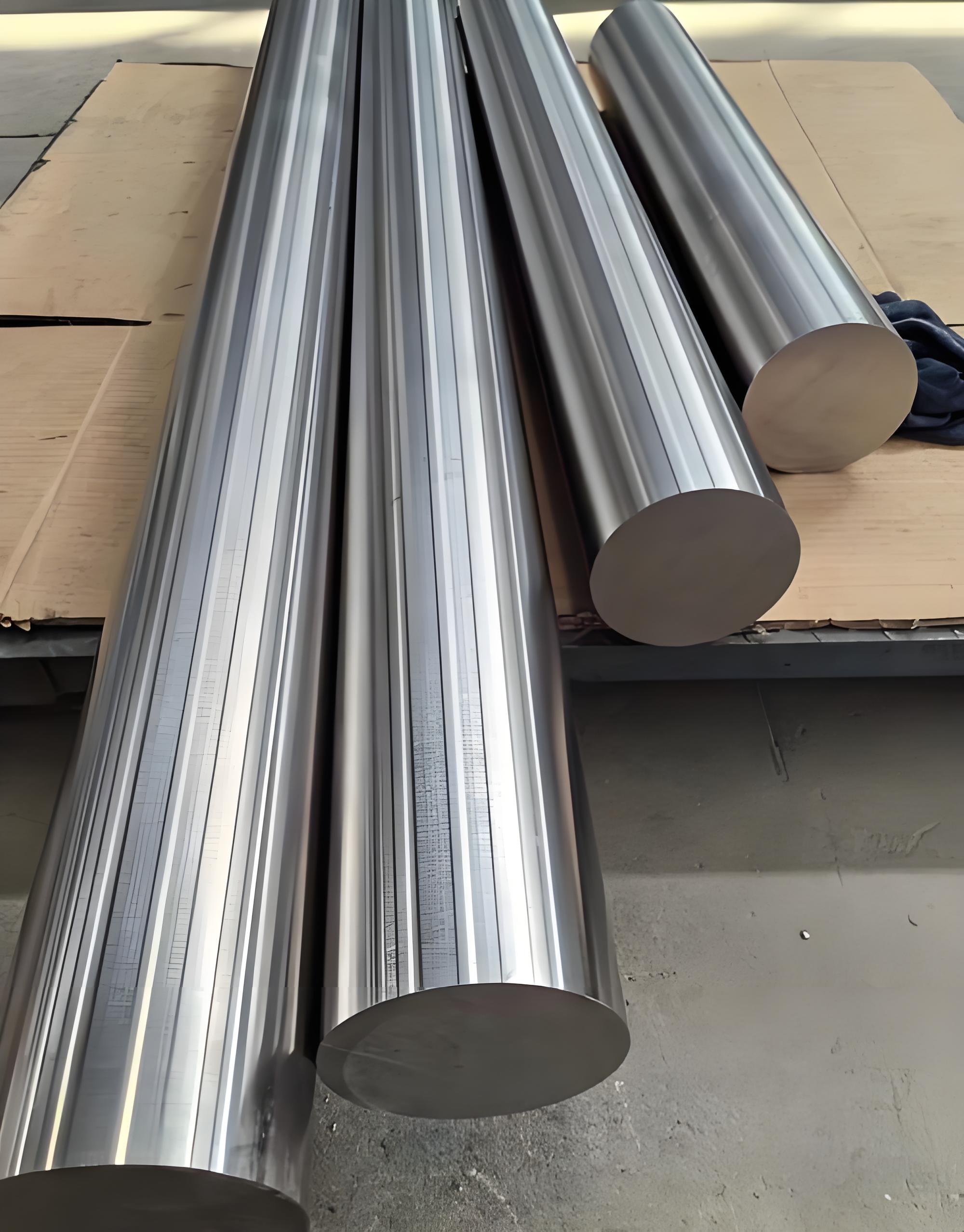
The latest Inconel 625 alloy bar price per kg depends on nickel, molybdenum, niobium, and chromium raw material costs, as well as bar diameter, manufa...
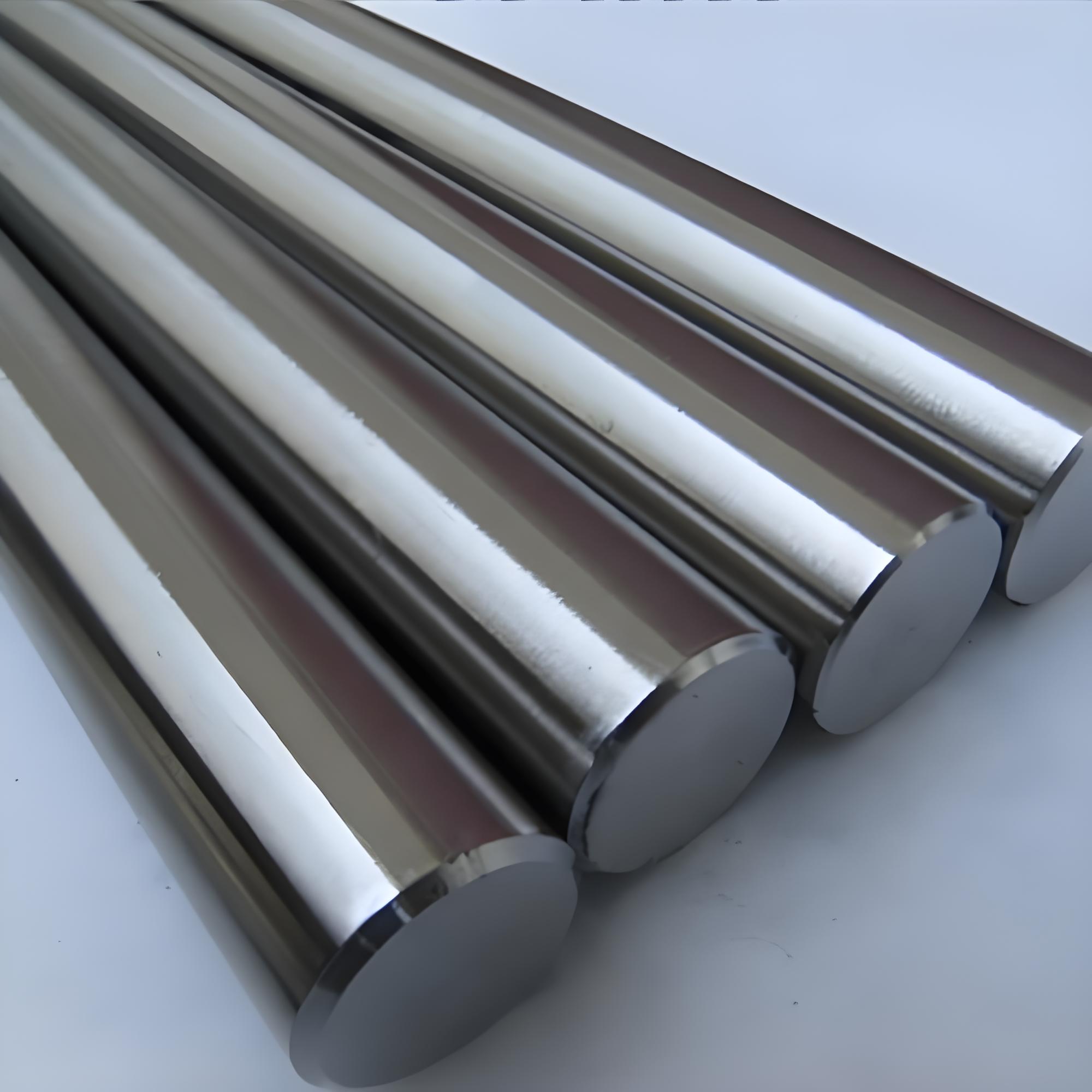
Inconel X-750 alloy bar price depends on nickel raw material cost, bar diameter, product condition, heat treatment, specification, surface finish, dim...
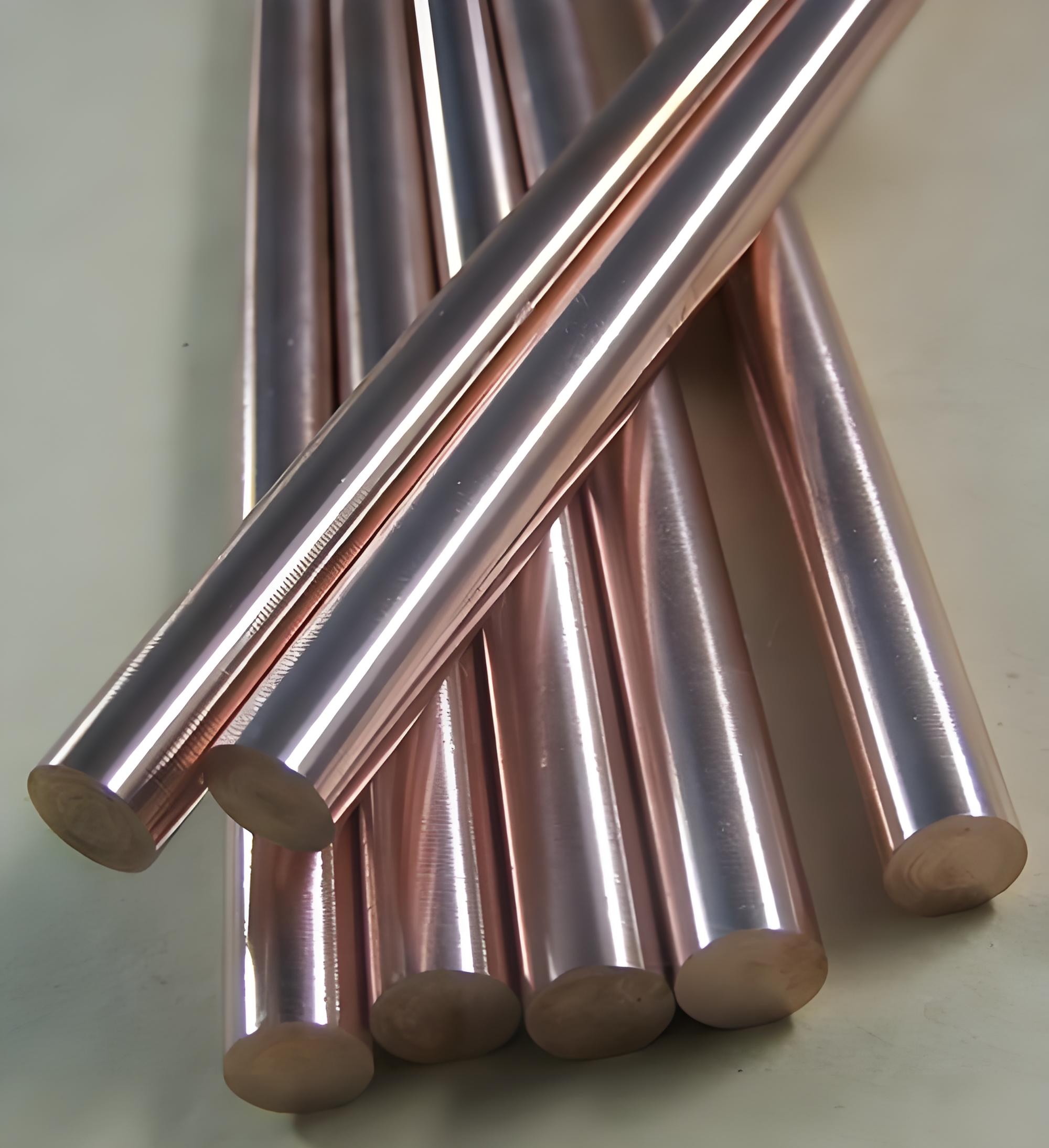
Inconel 602CA alloy bar price per kg is usually higher than common Inconel 600 and Inconel 601 bars because Alloy 602CA is a premium high-temperature ...
 English English
  Korean
 Arabic
 Spanish
 German
 Portuguese
 French
 Russian
 Italian
 Vietnamese