
Inconel 617 alloy round bar price per kilogram
Inconel 617 alloy round bar price per kilogram is commonly about USD 45 to 90 per kg for standard industrial stock sizes. Large forged bars, small pre...
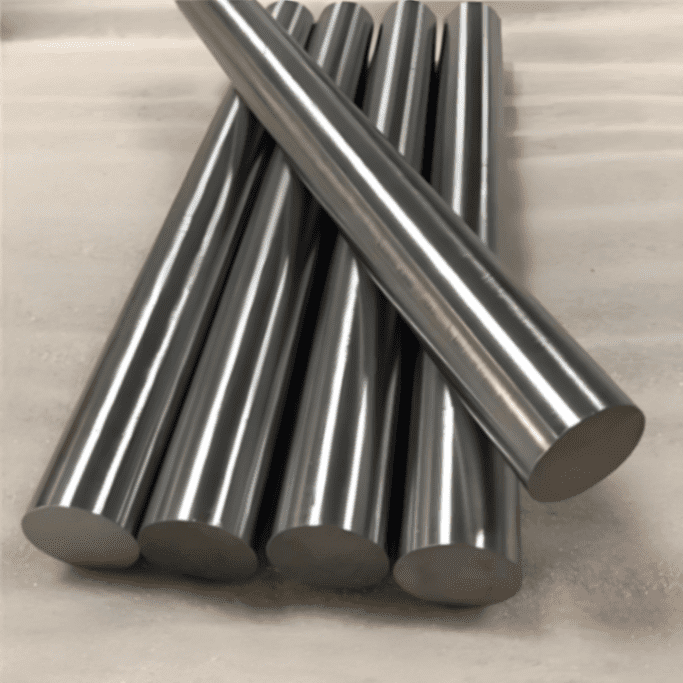
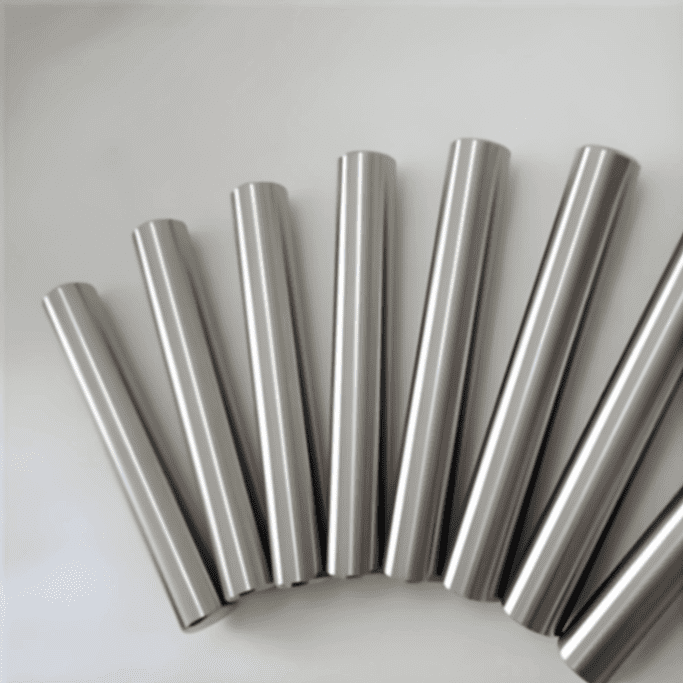
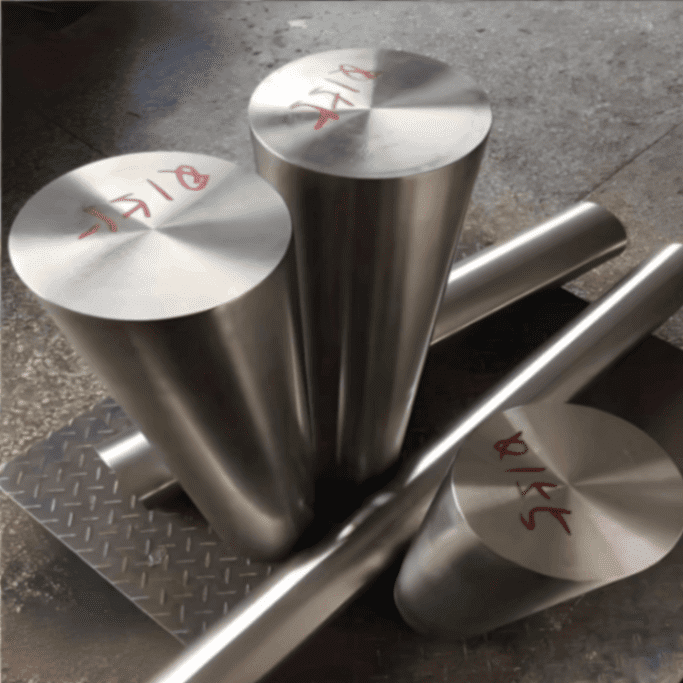
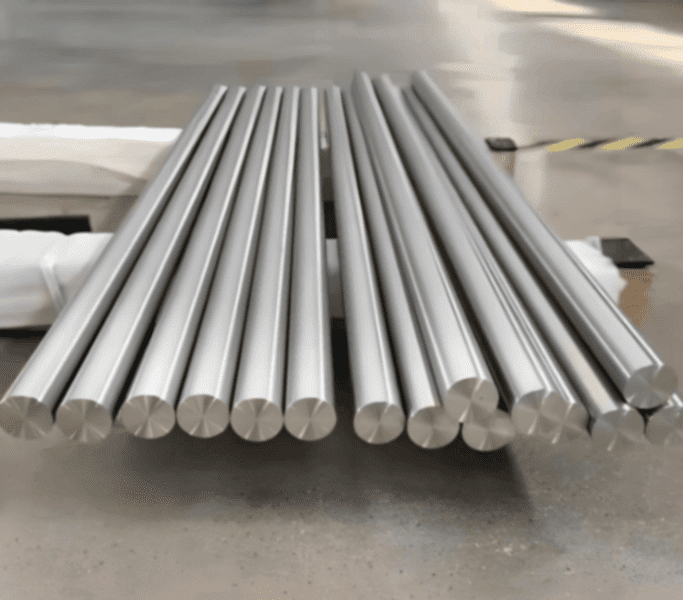
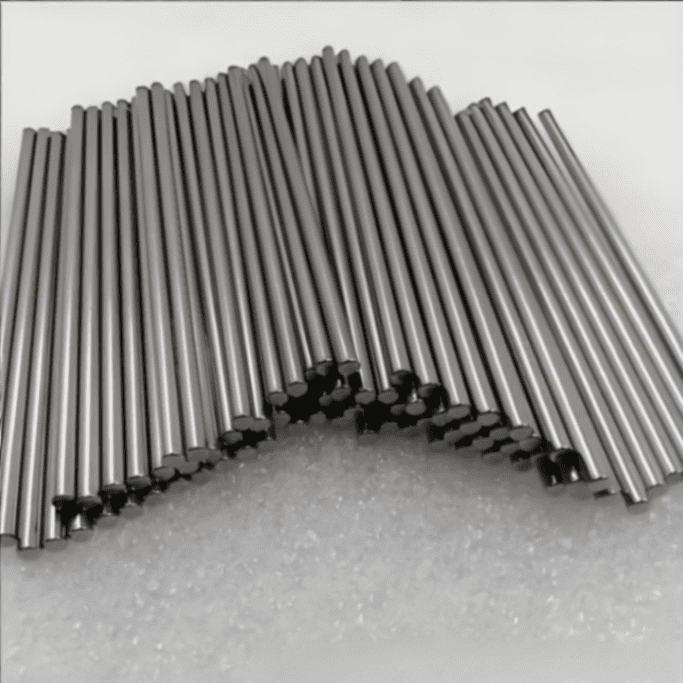
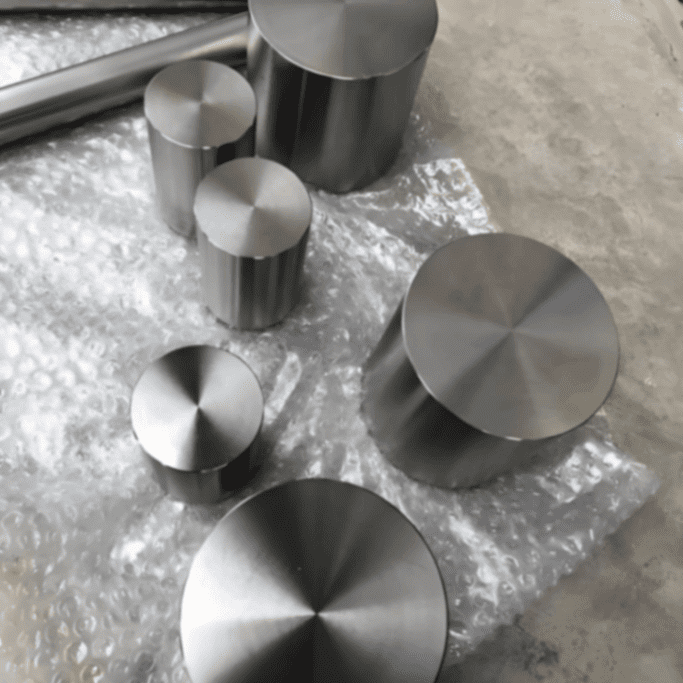
In practical sourcing, Inconel 601 bright round bar is not a commodity item with one fixed market tag. It is a processed nickel-chromium alloy product, and its final factory price depends on alloy cost, machining route, surface quality, stock availability, certification, and shipping terms. The following breakdown focuses on real purchasing logic and common industry price references in USD so that procurement teams, distributors, and end users can judge offers more clearly.
Inconel 601 is a nickel-chromium alloy widely used where oxidation resistance at elevated temperature is the main concern. Its typical chemical basis is nickel at not less than about 58%, with chromium usually in the 21% to 25% range. This composition gives the alloy very good resistance to oxidation and scaling in high-temperature service, which is why it is often selected for furnace components, heat treatment fixtures, thermal processing equipment, and other environments exposed to long-term heat.
From a buyer’s point of view, the term “bright round bar” matters as much as the alloy grade itself. A bright bar is not just a hot-rolled bar with a different label. It usually goes through precision peeling, centerless grinding, cold drawing, polishing, or a combination of these processes to produce a metallic bright surface. Compared with black surface bars, bright bars are cleaner, smoother, and more dimensionally controlled. This makes them easier to machine in precision applications and more suitable when appearance, tolerance, and surface integrity are important.
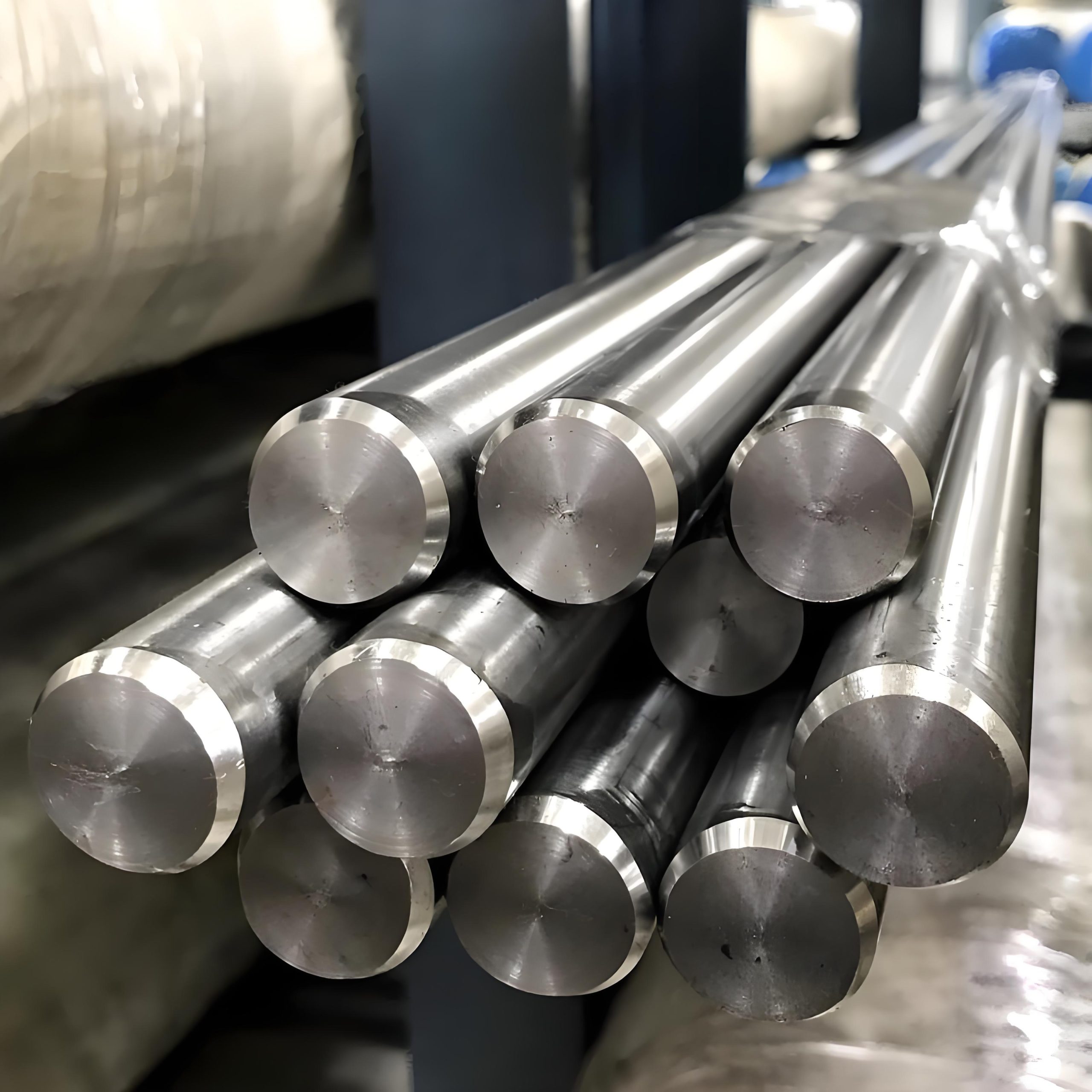
In common factory supply, Inconel 601 bright round bar is often available in diameters from about 6 mm up to 150 mm. Standard commercial practice includes both fixed lengths and random lengths, depending on stock form and production route. Smaller diameters are often produced by cold drawing or precision grinding, while larger diameters may require turning and polishing to reach a bright finish.
In practical use, buyers should not assume that every “bright” bar is made to the same level. Some bars are only lightly polished for appearance, while others are processed for tighter dimensional control and lower surface roughness. That difference directly affects price, and it is one of the main reasons quotations can vary even when the alloy grade and nominal diameter are the same.
For general purchasing reference, the basic factory price range for Inconel 601 bright round bar is usually around $18 to $30 USD/kg on an FOB factory basis. Prices are for reference only. This is the range where many mainstream transactions fall when the material is supplied by Chinese factories or processors with standard documentation and normal commercial quantities.
In the domestic Chinese manufacturing market, a more typical range is about $18 to $26 USD/kg, again as a reference only. This usually applies to standard diameters, regular tolerance requirements, and normal order sizes. If the order is for stock items with straightforward cutting and shipment, the lower part of this range may be achievable. If the order requires tighter control or special inspection, the price usually moves upward.
For European or US-origin branded materials, such as products associated with premium mills and legacy alloy brands, the price can move to roughly $28 to $45 USD/kg. Prices are for reference only. The higher level is mainly due to brand premium, stricter documentation expectations, higher labor and energy costs, and import-related factors such as duty, local warehousing, and distribution margin.
It is important to read the quote carefully. Two offers can both say “Inconel 601 bright round bar,” but one may be for standard bright-turned finish and the other for high-precision centerless-ground finish. One may include EN 10204 3.1 certification, while another may include additional third-party inspection. One may be based on stock, while another is made-to-order. These details explain why the price range looks wide.
The biggest day-to-day market variables are nickel price, chromium price, processing precision, and total order quantity. In nickel alloys, raw material cost is too significant to ignore, so a quote that looks surprisingly low should always be checked against current alloy surcharge logic and actual process scope.
Raw material cost is the first driver. In Inconel 601, nickel is the dominant cost element. If 2026 nickel prices stay around $16,000 to $20,000 per ton, the alloy base cost remains relatively firm. Even if processing cost stays stable, a change in nickel price can still shift the bar price noticeably. Chromium cost also matters because 601 relies on a relatively high chromium level to deliver oxidation resistance.
Processing level is the second major factor. Bright bar is usually more expensive than black surface bar by around 15% to 30%. That premium comes from extra operations such as peeling, grinding, cold drawing, straightening, polishing, and tighter inspection. The smoother and more precise the final surface, the higher the processing cost per kilogram.
Size and tolerance also change the price in a very direct way. Small diameters, especially below 10 mm, are generally more expensive to make because they demand better control in drawing or grinding and often lead to higher scrap ratio. Very tight dimensional tolerance, such as h6 level, can add about $3 to $8/kg depending on diameter and production difficulty. Prices are for reference only.
Order quantity has a strong influence on the actual factory offer. For small lots below 500 kg, the normal working range is often around $25 to $30/kg. For standard batches of about 500 to 2000 kg, the range may come down to roughly $20 to $25/kg. For larger volume above 2 tons, it is possible to see offers around $18 to $22/kg under stable market conditions. These are industry reference figures only, not fixed transaction prices.
Certification and inspection can also add cost. EN 10204 3.1 is commonly included in standard export quotations. If the buyer asks for 3.2 certification or third-party inspection by organizations such as SGS or BV, an additional $1 to $3/kg is a reasonable reference range, depending on lot size and test scope. For small orders, the cost impact per kilogram is usually more obvious.
One more practical point is yield loss. If the customer needs exact cut lengths, especially short pieces from bright bars, the supplier may have to account for head and tail loss, saw cutting time, and low reusability of leftovers. That does not always appear as a separate fee, but it often shows up in the unit price.
In actual sourcing, diameter range has a clear effect on the relationship between black surface bar and bright bar pricing. Prices below are for reference only and reflect common industry logic rather than a universal fixed list.
For 10 to 30 mm diameter, black surface bars are often quoted around $16 to $20/kg, while bright bars are more commonly around $20 to $26/kg. The gap is usually wider in this size range because small diameters often require centerless grinding or other precision finishing steps that are relatively cost-intensive.
For 30 to 80 mm diameter, black bars may sit around $15 to $18/kg, while bright bars are often about $18 to $23/kg. This is one of the most stable and commercially common size ranges, so pricing tends to be more competitive and easier to benchmark across multiple mills or processors.
For 80 to 150 mm diameter, black bars are often around $14 to $17/kg, while bright bars may be around $17 to $21/kg. The bright finish premium can narrow slightly in some large sizes, but large-diameter bright material still involves turning and polishing, and maintaining good straightness and appearance is not always simple.
Buyers should also understand that “bright” does not always mean mirror finish. In most industrial purchasing, the expected result is a clean metallic surface with no heavy scale, improved roughness, and controlled dimensions. If the buyer wants decorative-grade appearance or stricter cosmetic acceptance, the supplier may treat that as a special finish level, and the price will go up.
Another common misunderstanding is comparing stock bright bars with fully custom precision-ground bars. A stock bright bar may be good for general machining, but if the application requires direct use without much secondary machining, then dimensional consistency and surface roughness become much more critical. That is where price differences become easier to justify.
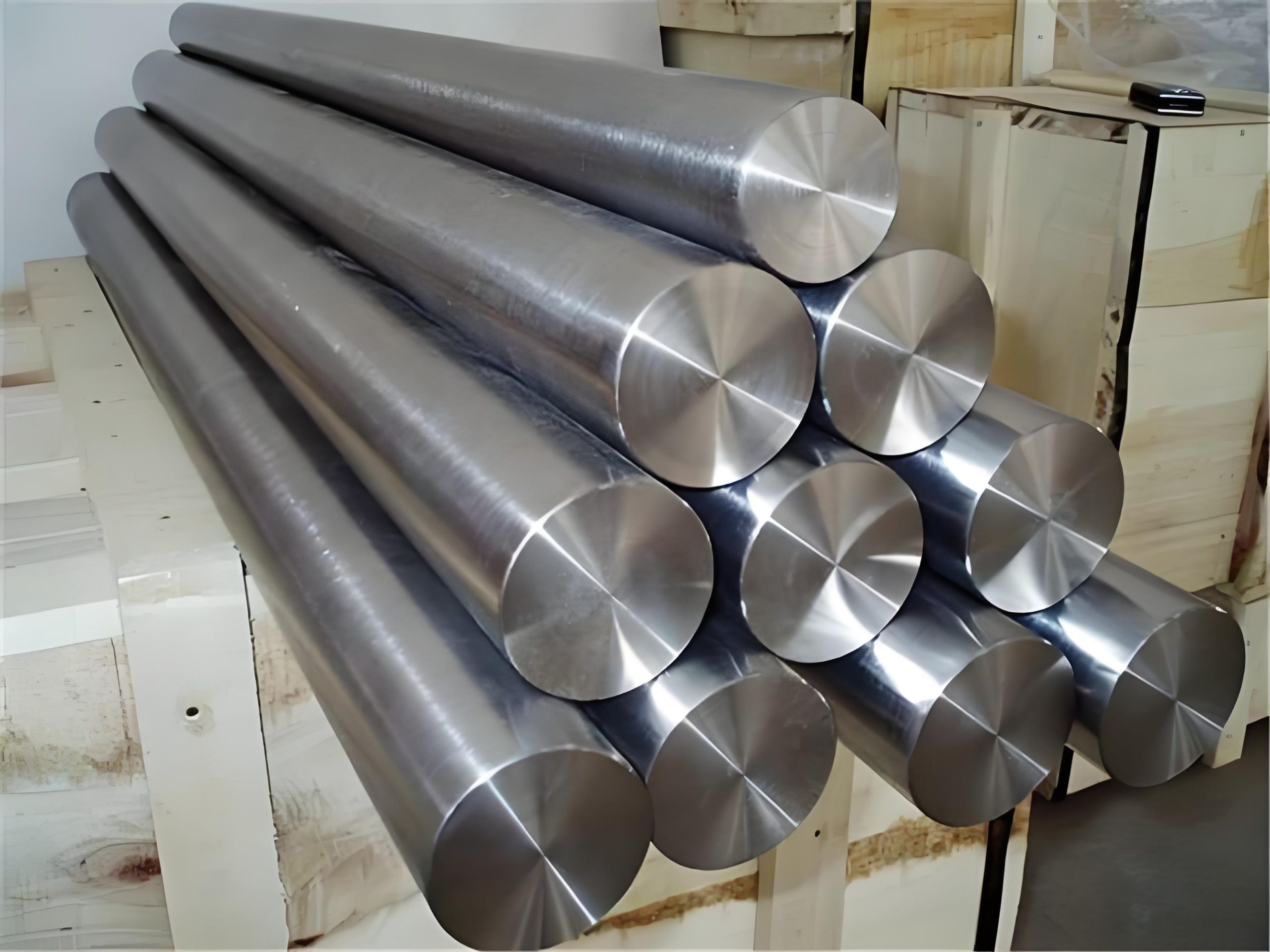
Most established alloy processors and stockholders keep regular inventory of common Inconel 601 bright round bar sizes, especially in the 10 to 100 mm range. For these standard sizes, shipment can often be arranged within 1 to 7 days, depending on required cutting, documentation, and export packing. In many cases, there is no strict minimum order quantity for stocked material, and customers can buy cut pieces.
For custom production, the normal minimum order level is often around 500 kg. This usually applies to non-standard diameters, special fixed lengths, tighter tolerance requirements, or larger production runs where fresh melting or dedicated rolling is required. Typical lead time is about 2 to 4 weeks, though this can be longer if the market is tight or if additional testing is needed.
On surface quality control, buyers of bright bars usually expect roughness around Ra ≤ 0.8 μm and diameter tolerance in the area of ±0.03 to ±0.05 mm for many standard commercial applications. Actual achievable tolerance still depends on diameter and finishing route. Small precision-ground bars may do better, while larger bars may need a different tolerance agreement.
For a company such as Shanghai NC Metal Materials Co., Ltd., the real question from the buyer is not only whether the material can be supplied, but whether it can be supplied in the exact condition required: stock or made-to-order, cut or full length, standard tolerance or precision tolerance, with basic MTC or with third-party release. That is the difference between a useful quotation and a rough budget number.
Another point worth checking is whether the bar is produced from primary mill stock and then bright-finished, or whether it comes from mixed-origin raw material. For many industrial users this matters because consistency in chemistry, ultrasonic condition, and machinability is often just as important as the bright surface itself.
When buyers compare Inconel 601 with neighboring nickel alloys, the most common alternatives are Inconel 600 and Inconel 625. These grades are related, but they are not interchangeable in every service condition, and their prices reflect both chemistry and performance focus.
Inconel 600 bright round bar is often in the range of about $19 to $26/kg. Prices are for reference only. This grade typically has higher nickel and lower chromium than 601. It performs well in many high-temperature and corrosion environments, but in oxidation-focused service at very high temperatures, 601 often has the edge because of its chromium balance and oxidation behavior.
Inconel 601 bright round bar usually falls in the broad range of $18 to $30/kg. The exact position depends on source, finish, and quantity, but its market identity is clear: it is chosen mainly for high-temperature oxidation resistance, especially in demanding service above 1100°C where scale resistance becomes critical.
Inconel 625 bright round bar is typically higher, often around $23 to $35/kg. Prices are for reference only. The extra cost mainly comes from alloy additions such as molybdenum and niobium, which give 625 stronger corrosion resistance and broader resistance in aggressive media. For users who mainly need oxidation resistance rather than premium wet corrosion performance, 601 can be the more economical choice.
In short, 600 is often considered when the application is less oxidation-intensive, 601 is the stronger fit for heat and scaling resistance, and 625 is selected when corrosion resistance and strength justify the higher alloy cost. This is why a lower quote on 600 does not necessarily mean it is a better value if the operating temperature profile points clearly toward 601.
When requesting a quotation, buyers should always provide the diameter, length, quantity, tolerance class, and certification requirement. Without these details, any quoted price is only a rough estimate. A supplier cannot give a reliable factory price if the request simply says “Inconel 601 bright bar” without size and finish details.
It is also important to confirm the material standard. For Inconel 601 round bar, buyers should check compliance with ASTM B166 for UNS N06601, or AMS 5715 if that standard is relevant to the project. In many purchasing disputes, the problem is not the chemistry itself but the mismatch between the standard expected by the buyer and the standard used by the supplier.
Ask for stock offers in addition to fresh-production offers. Factory inventory lists sometimes include overstock or cut-end remnants that can be sold at a discount. In some cases, tail pieces or leftover lengths can be offered at around 10% to 20% below the normal level, especially if the buyer’s required length matches what is already available. Prices are for reference only.
For stable long-term consumption, a quarterly or annual supply agreement is often a smart move. Since nickel price volatility can change the market quickly, a frame contract or indexed price mechanism can reduce risk for both sides. This is especially useful for users who consume the same diameter repeatedly in furnace parts, fixtures, or machining programs.
Buyers should also be careful with unusually low offers. A true bright bar should have a clean and consistent surface. If the product shows pitting, drag marks, deep scratches, seams, or visible non-metallic inclusions, it does not meet the normal expectation for quality bright material. A very low price can sometimes mean downgraded surface condition, loose tolerance, mixed material source, or incomplete testing.
Another practical issue is the landed cost. FOB factory price is not the same as delivered project cost. Buyers should add sea freight, which may be roughly $500 to $1500 per ton depending on route and cargo structure, plus customs duty, local handling, inland transportation, and any destination inspection charges. A cheap FOB number is meaningless if the total landed cost is not competitive.
Before placing an order, it is good practice to ask for the mill test certificate format, sample photos of the actual surface finish, and packing details. For export business, these small steps save time later, especially when the bars must arrive clean, dry, protected against contact damage, and clearly tagged by heat number.
Looking ahead to 2026, the most likely scenario is that nickel stays in a relatively firm but not extreme range of about $16,000 to $19,000 per ton. If that holds, the mainstream transaction center for Inconel 601 bright round bar is likely to remain around $22 to $25/kg under normal factory conditions. Prices are for reference only.
The upper end of the range may be pushed higher if chromium prices stay elevated. Since 601 depends on a meaningful chromium content to deliver its oxidation performance, sustained high chromium cost will have a visible effect on finished bar pricing. If chromium remains above roughly RMB 25,000 per ton, factories will have less room to soften quotations, especially for bright-finished material.
As for purchasing timing, many buyers prefer to lock orders in Q2 or Q3 when market conditions are often more stable. Late-year periods can become more volatile because some buyers rush to complete annual budgets, and metal demand can tighten near peak procurement windows. If the project schedule allows, avoiding year-end purchasing pressure may help secure more balanced pricing.
That said, timing the alloy market perfectly is never easy. For real industrial buyers, the better strategy is usually to define a target price band, monitor nickel movement, and purchase in batches instead of waiting too long for an ideal low point. If the material is technically urgent, supply certainty and quality consistency are often worth more than chasing the last dollar per kilogram.
In projects with repeated demand, it is often better to combine forecast planning with stock checks. A mixed strategy of taking some material from current inventory and reserving the rest under future production can reduce both cost risk and lead time risk.
What is the typical factory price of Inconel 601 bright round bar per kg?
A common industry reference is about $18 to $30 USD/kg on an FOB factory basis. For Chinese factory supply, many standard orders fall around $18 to $26/kg, while premium imported or branded material can be closer to $28 to $45/kg. Prices are for reference only and depend heavily on diameter, quantity, tolerance, and certification.
Why is Inconel 601 bright bar more expensive than black bar?
Because bright bar requires extra processing. After the bar is formed, it usually goes through peeling, centerless grinding, cold drawing, polishing, or precision straightening to achieve a smoother surface and tighter dimensions. In many cases, bright bar costs about 15% to 30% more than black surface bar, especially in small diameters or high-precision tolerance grades.
What information should I send to get an accurate Inconel 601 bright bar quotation?
You should provide the exact diameter, required length, total quantity, tolerance level, surface requirement, and certification standard such as ASTM B166 or AMS 5715. If you need EN 10204 3.1, 3.2, or third-party inspection, that should be stated at the beginning. Without these details, the supplier can only give a rough budget price, not a reliable factory offer.
More from this category
Inconel 617 alloy round bar price per kilogram is commonly about USD 45 to 90 per kg for standard industrial stock sizes. Large forged bars, small pre...
The latest Inconel 625 alloy bar price per kg depends on nickel, molybdenum, niobium, and chromium raw material costs, as well as bar diameter, manufa...
Inconel X-750 alloy bar price depends on nickel raw material cost, bar diameter, product condition, heat treatment, specification, surface finish, dim...
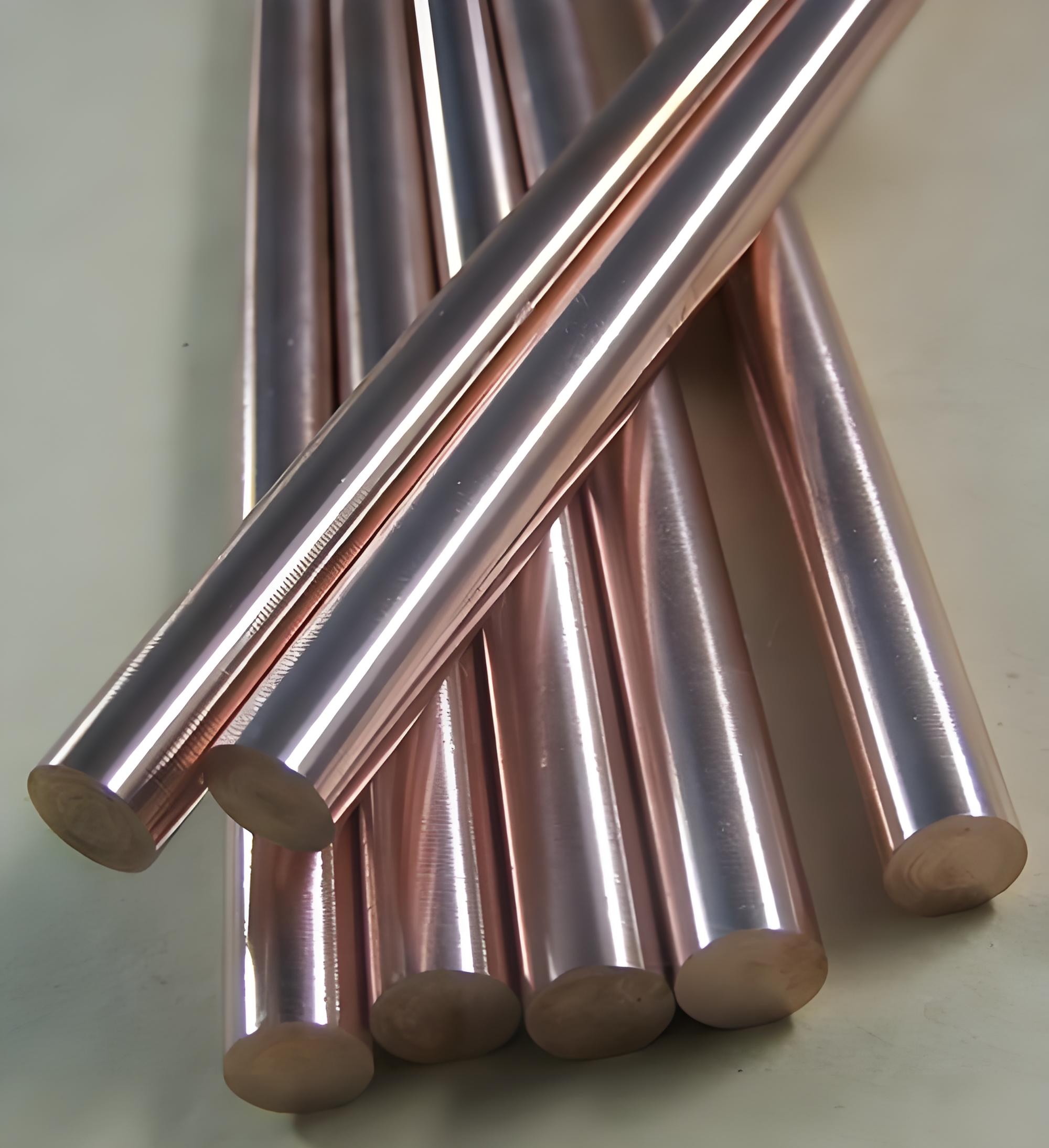
Inconel 602CA alloy bar price per kg is usually higher than common Inconel 600 and Inconel 601 bars because Alloy 602CA is a premium high-temperature ...
 English English
  Korean
 Arabic
 Spanish
 German
 Portuguese
 French
 Russian
 Italian
 Vietnamese