
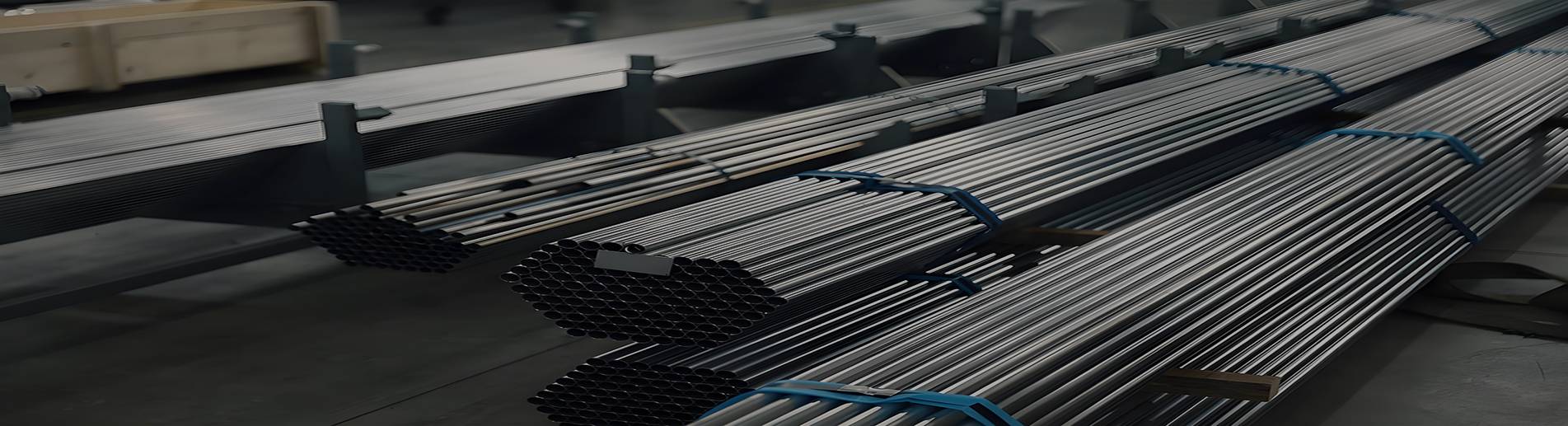
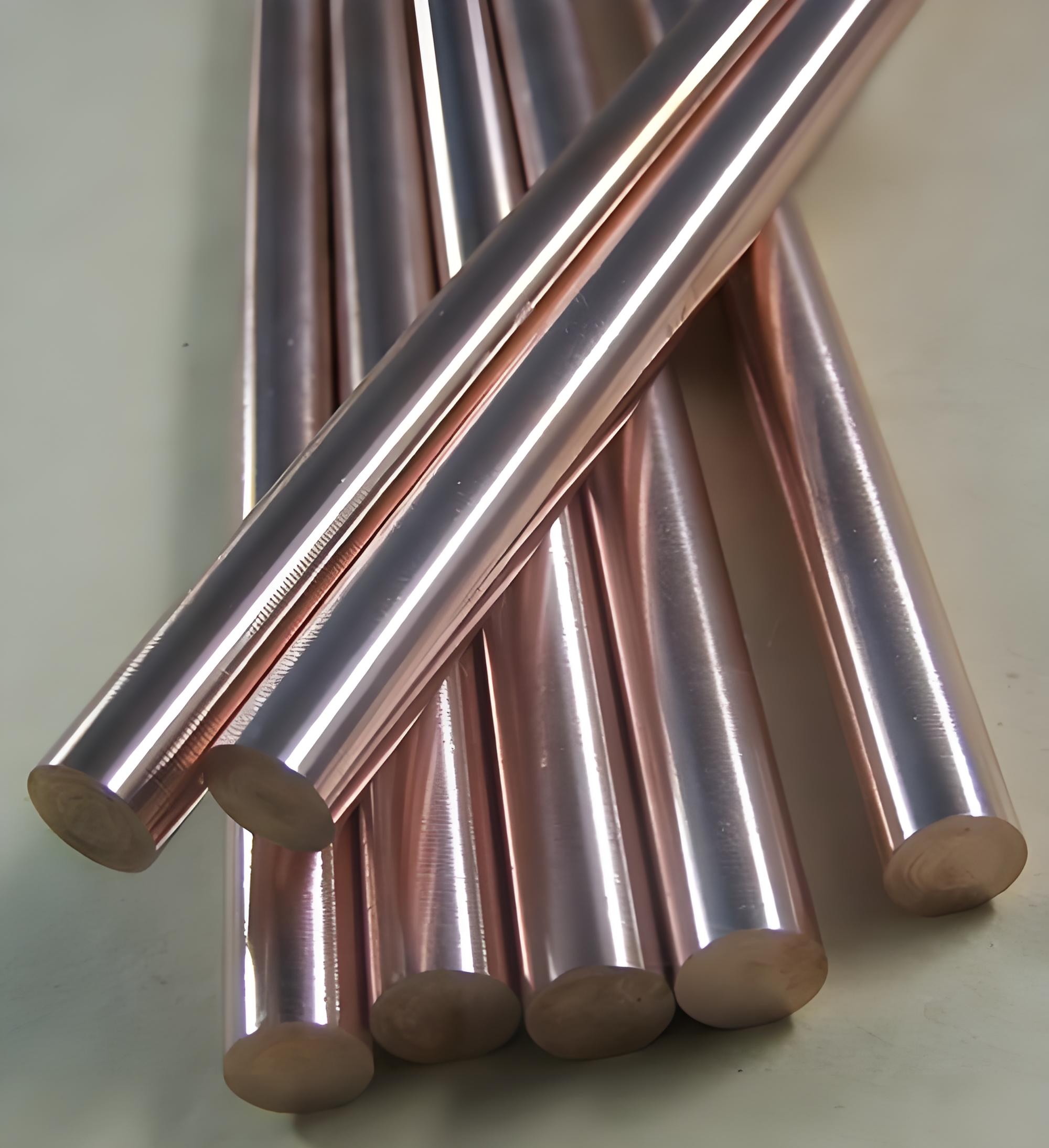
Inconel 617 alloy round bar price per kilogram
Inconel 617 alloy round bar price per kilogram is commonly about USD 45 to 90 per kg for standard industrial stock sizes. Large forged bars, small pre...
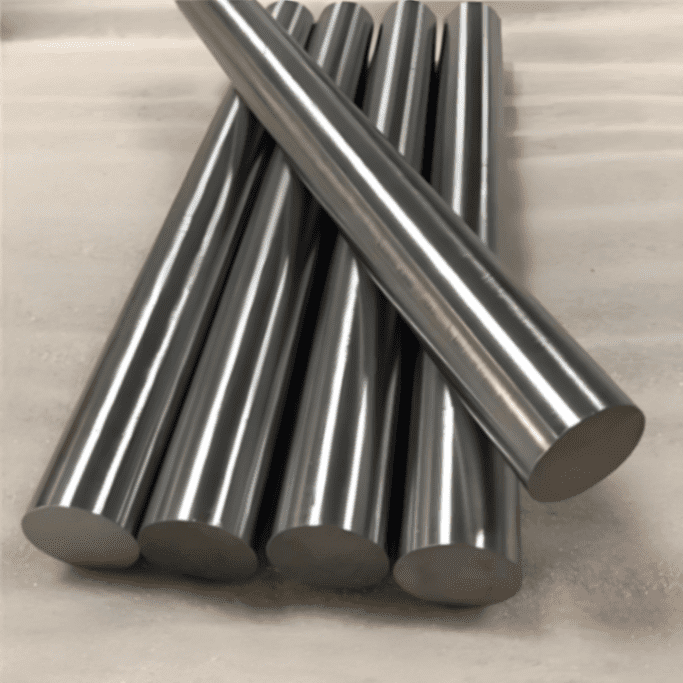
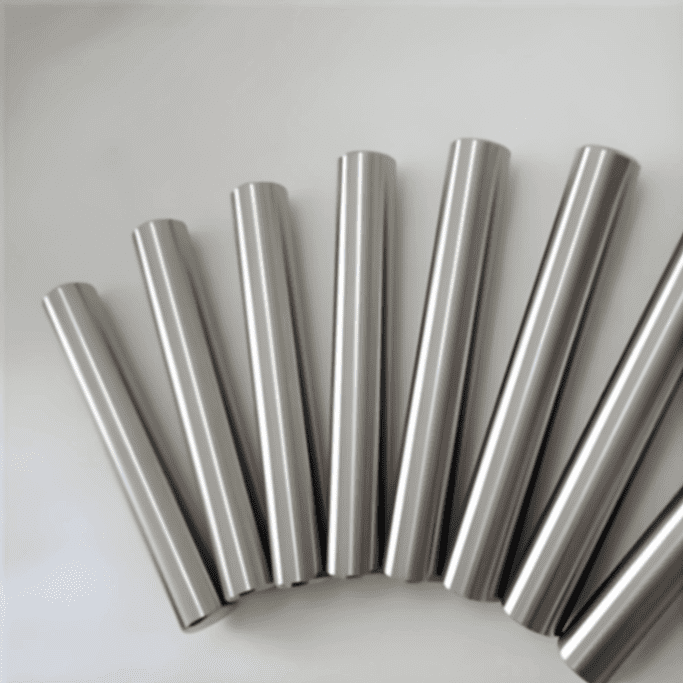
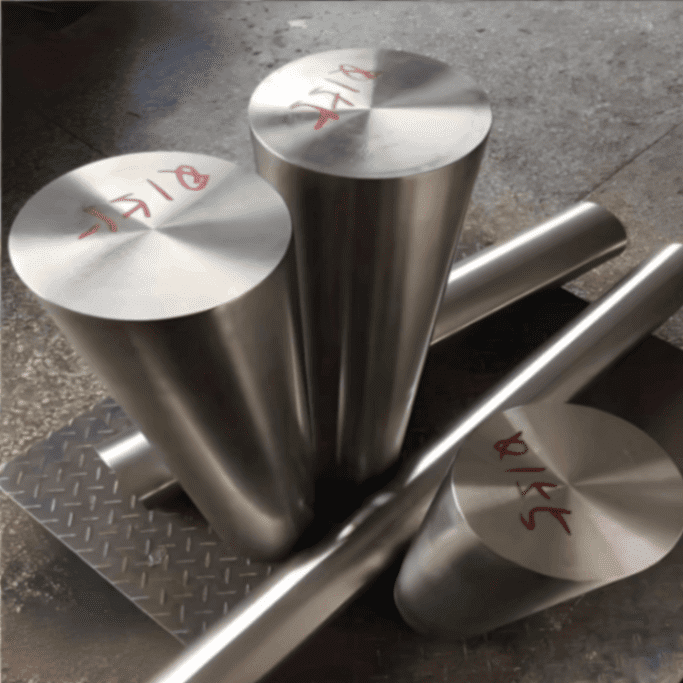
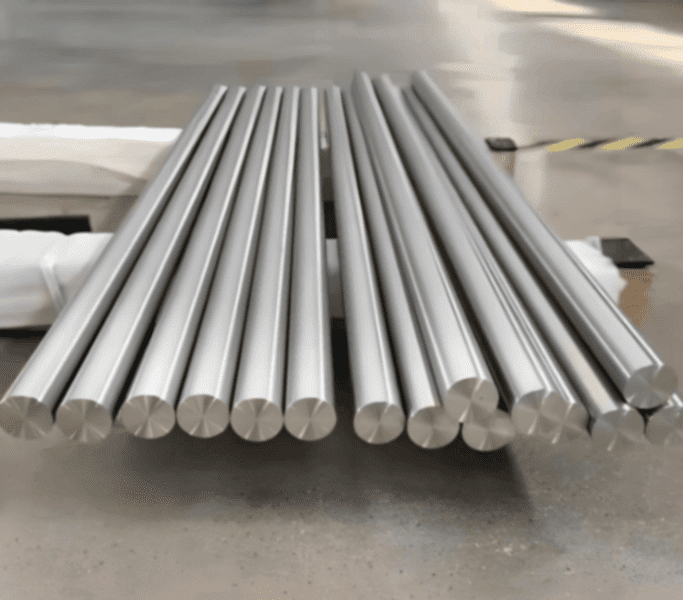
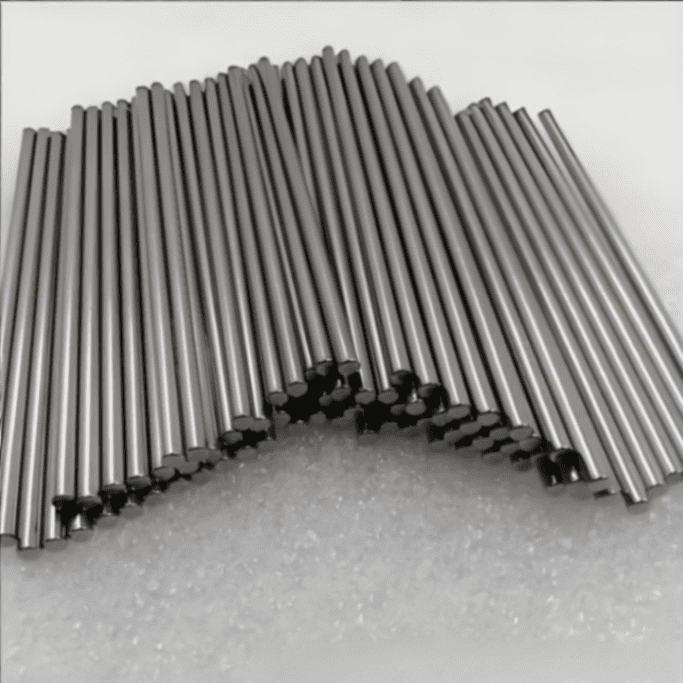
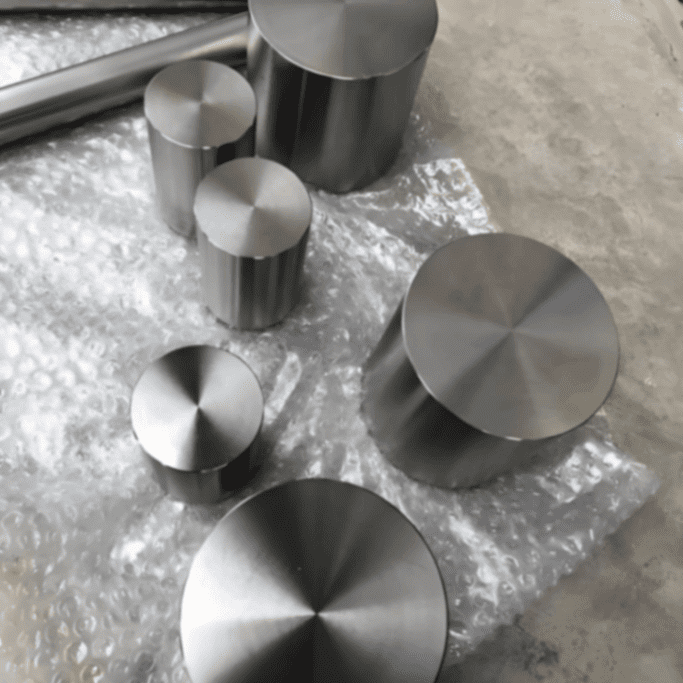
Tensile strength at room temperature for Inconel 617 bars: how much load can this alloy withstand before fracture in a standard tensile test? How does this value vary with product shape, heat treatment, and specification? For Inconel 617 alloy, in short, its room-temperature tensile strength is generally stable, though not at the extremely high levels seen in non-nickel-based alloys. In the solution-annealed condition, the specified minimum strength is typically around 655 MPa, while the actual strength of commercially produced material usually ranges from 700 to 800 MPa. This makes the strength of Inconel 617 sufficient to meet the demands of many structural and pressure-related components, but its true value is not merely in its peak room-temperature strength. The alloy is better known for maintaining good strength at high temperatures, along with good ductility and processing stability.
For Inconel 617 bar, the room temperature ultimate tensile strength, or UTS, is typically discussed first in the solution-annealed condition because that is the most common reference state in standards and technical datasheets. In that condition, a minimum tensile strength of 655 MPa is widely cited, and actual mill results often come in somewhat higher. In normal commercial production, values around 700 to 800 MPa are very common for bar products that have been properly solution treated and tested in accordance with standard tensile methods.
That range matters because it shows how the alloy behaves compared with what buyers may expect from other nickel alloys. Inconel 617 is not a precipitation-hardened grade like 718, so it is not designed to chase the highest possible room temperature tensile number. Instead, it relies mainly on solid-solution strengthening from elements such as chromium, cobalt, and molybdenum in a nickel matrix. This gives it a balanced tensile profile: respectable room-temperature strength, strong ductility, and much better retention of useful properties when the temperature rises.
Product form has a direct effect on the tensile value a user actually sees on the test certificate. Hot-rolled bar, forged bar, and cold-drawn bar may all be sold as Inconel 617, but they do not always show the same room-temperature strength. Hot-rolled bar usually stays close to the standard annealed range and is often selected where machinability and stability are more important than squeezing out extra tensile strength. Forged bar can show similar or slightly variable results depending on reduction ratio, grain flow, and final heat treatment. Cold-drawn bar normally gives higher UTS than annealed bar because cold work increases dislocation density and raises strength, although that increase usually comes with some loss of elongation.
In practical purchasing language, if a buyer asks for “Inconel 617 round bar” without defining the condition, the tensile value alone is not enough to interpret the material correctly. A solution-annealed hot-finished bar with a UTS of 720 MPa and a cold-drawn bar with a UTS above 800 MPa may both technically be acceptable for different uses, but they are not interchangeable in fabrication behavior, ductility reserve, or stress-relief response.
It is also worth noting that larger diameter bars may show slightly different room-temperature tensile results from smaller sections, not because the alloy changes, but because cooling rate, deformation history, and grain structure are not always identical across sizes. This is especially relevant for forged bar or centerline-critical sections. So if the engineering requirement is sensitive, the certificate value should always be tied to the actual supplied diameter and condition rather than to a generic datasheet number.
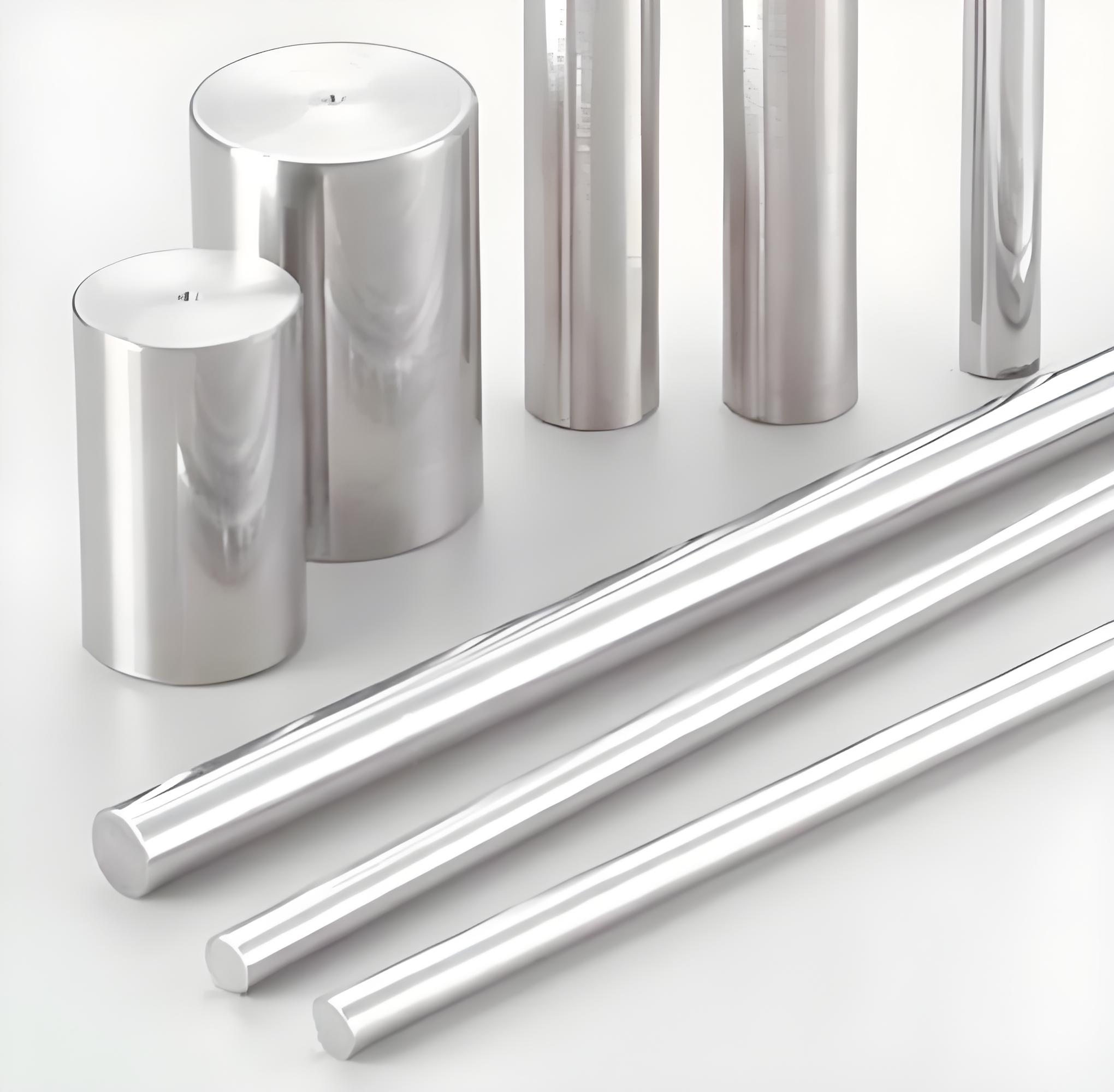
The most important factor behind the room temperature UTS of Inconel 617 bar is heat treatment condition. Solution annealing is intended to dissolve undesirable phases, restore ductility, and establish a stable austenitic structure. If the solution temperature is too low, or if hold time is not sufficient, the alloy may not fully homogenize. If the temperature is too high or the process is not controlled well, grain growth may become excessive, which can reduce room-temperature strength and change ductility behavior. Cooling rate after annealing also matters. While Inconel 617 is not as heat-treatment sensitive as precipitation-hardened grades, different cooling conditions can still influence carbide distribution and final tensile response.
Grain size is another key factor. Finer grains usually increase room-temperature tensile and yield strength through grain boundary strengthening. This is a standard metallurgical effect and applies to Inconel 617 as well. A finer-grained bar will generally show somewhat better room-temperature tensile values than a coarse-grained one, assuming chemistry and heat treatment are comparable. That said, there is always a tradeoff. Coarser grains can sometimes benefit creep resistance at high temperature, which is one reason the “best” grain size depends on the service condition rather than on room-temperature UTS alone.
Cold work can raise tensile strength quite noticeably. Cold-drawn Inconel 617 bar typically shows a higher UTS than solution-annealed bar because plastic deformation increases the density of lattice defects and hardens the metal. This is useful when a part needs extra room-temperature strength or improved dimensional straightness. But the gain is not free. Elongation usually drops, residual stress rises, and the material may become less forgiving in machining or forming. If the final component will later see elevated-temperature service, excessive cold work can also affect dimensional stability and long-term behavior.
Chemical composition within the allowed range also plays a role, even when the material still meets the same UNS designation. Small variations in cobalt, molybdenum, chromium, carbon, and minor elements can shift the exact tensile result. Usually these shifts are not dramatic, but they can explain why one certified heat comes in at 690 MPa and another reaches 780 MPa under otherwise similar testing conditions.
Manufacturing route should not be overlooked either. A forged bar with a sound reduction ratio and uniform internal structure can behave more consistently than a poorly processed hot-rolled bar. Straightening practices, surface conditioning, and any final cold finishing may also influence the reported UTS. For that reason, buyers who need a narrow mechanical property window often specify not only the alloy and standard, but also the product form and delivery condition.
In day-to-day procurement, this means a UTS number should never be read in isolation. It always reflects a package of factors: chemistry, prior working, grain structure, heat treatment, test direction, and sampling method. That is why experienced buyers ask for the mill test report instead of relying only on catalog data.
From a standards point of view, ASTM B166 is the key reference for nickel-chromium-cobalt-molybdenum alloy bars, rods, and wire, and ASTM B564 is the common specification for forgings and forged fittings. For Alloy 617 supplied under these routes, the room-temperature tensile strength requirement is typically not less than 655 MPa. This number is important because it sets the baseline for acceptance. If a bar falls below that minimum under proper test conditions, it is generally not compliant even if the chemistry is correct.
AMS 5660 is another frequently referenced standard in aerospace or high-performance industrial supply chains. The exact requirement review should always follow the current issue of the standard and the specific product form, but in general, AMS requirements align with the idea that Alloy 617 should provide a solid room-temperature tensile level together with good ductility and process consistency. In real supply practice, AMS-controlled material may also involve tighter process control or documentation expectations than standard industrial bar stock.
When comparing Alloy 617 with nearby grades, it helps to keep the design philosophy of each alloy in mind. Inconel 617B, where specified in certain markets or producer-specific variants, may be discussed as a controlled-composition or application-focused derivative, but the room-temperature strength difference is usually not extreme unless processing differs significantly. The bigger contrast is with Inconel 625 and Inconel 718. Alloy 625 often shows tensile strength in a similar or somewhat higher practical range depending on condition, but its reputation is more tied to corrosion resistance than to top-end hot strength retention. Alloy 718, by contrast, is a precipitation-hardened alloy and can reach much higher room-temperature tensile values after age hardening, far beyond what annealed 617 normally provides.
This comparison is useful because some buyers initially assume that all nickel alloys above a certain price level must have similar tensile strength. They do not. Inconel 617 is chosen mainly for elevated-temperature strength, oxidation resistance, and carburization resistance. If the project is driven by room-temperature tensile strength alone, 718 may look stronger on paper. But if the component must also operate for long periods at 700°C or above, 617 often becomes the more realistic engineering choice.
The same logic applies when comparing 617 with stainless steels. A stainless grade may sometimes approach the lower end of 617’s annealed room-temperature tensile range, but it usually cannot keep the same property balance once temperature rises substantially. So the ASTM minimum of 655 MPa should be understood as a baseline within a broader performance package, not as the alloy’s only selling point.
Room temperature ultimate tensile strength should always be read together with yield strength, elongation, and reduction of area. Looking at UTS by itself can be misleading. For Inconel 617 bar, the 0.2% offset yield strength is commonly in the range of about 240 to 300 MPa or higher, depending on the exact standard, size, and condition. That gap between yield strength and ultimate tensile strength tells you something important: the alloy has a large plastic deformation range before fracture.
This is one of the reasons Alloy 617 is considered mechanically forgiving. It does not jump straight from elastic loading to brittle failure. Instead, it usually shows stable plastic flow and substantial elongation. Typical elongation values at room temperature are often at least 30 to 40%, and in many cases even better, especially in the solution-annealed condition with a clean, well-processed structure. That high ductility is valuable in fabrication, especially where components need machining, bending, or thermal cycling tolerance.
Reduction of area is another useful indicator and is often in the range of 40 to 50% or above for compliant, well-made material. This property reflects how much local necking the specimen can sustain before fracture. In practical terms, it supports the same message given by elongation data: Inconel 617 is not just reasonably strong at room temperature, it is also notably ductile. That combination is one reason the alloy is trusted in demanding thermal service, where resistance to cracking during fabrication or operation matters as much as raw strength.
There is also a practical design interpretation here. A bar with a UTS of 760 MPa but poor elongation is not necessarily “better” than a bar with a UTS of 710 MPa and excellent ductility. For many engineered parts, especially those exposed to thermal gradients, vibration, or localized assembly stress, ductility reserve is part of structural safety. In that sense, the moderate yield level and high elongation of Alloy 617 are features, not weaknesses.
Another point worth noting is that room-temperature tensile strength does not directly predict elevated-temperature performance. An alloy can look average at room temperature and still be excellent at 700°C. That is exactly the case with Inconel 617. Its room-temperature UTS is respectable but not extraordinary. What makes it stand out is that its strength drops more gracefully with increasing temperature than many stainless steels, while oxidation resistance remains strong.
So when reviewing test reports, the right question is not only “What is the UTS?” but also “What is the yield strength, elongation, and reduction of area in the same test?” That full picture tells much more about how the bar will behave in machining, assembly, and service.
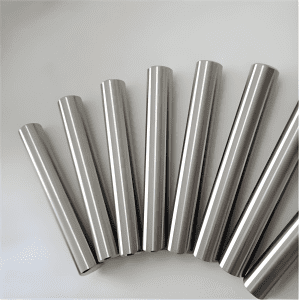
The standard room-temperature tensile test for Inconel 617 bar is usually carried out under ASTM E8 or ISO 6892-1, depending on customer specification, regional practice, or project documentation. These standards define specimen preparation, loading rate, gauge length, reporting method, and interpretation of tensile properties such as yield strength, ultimate tensile strength, elongation, and reduction of area. If a tensile value is quoted without reference to a test standard, it has limited technical meaning.
Sampling direction matters, especially for bar products. Longitudinal specimens, taken parallel to the bar axis, are the most common and usually produce the best or most representative tensile values for rolled or forged bar. Transverse specimens, taken across the bar direction, may show lower ductility or slightly different strength results because of grain flow, working direction, and microstructural anisotropy. For procurement, this matters because many certificates report longitudinal data unless otherwise requested.
Specimen diameter and gauge length also affect the reported result, particularly elongation. A UTS value is less sensitive than elongation to specimen geometry, but test method still needs to be consistent. Reduced-section round specimens are common for bar stock, and the exact dimensions depend on standard and available section size. If the supplied bar diameter is small, subsize specimens may be used. In that case, comparison with standard-size test values should be done carefully and within the rules of the governing standard.
For larger diameter bars, the sample location can also influence results. Surface-near material may differ slightly from centerline material if the processing history produced variation in strain or cooling. Good mills control this well, but critical orders may still define where samples are to be taken. This is especially relevant for forged bar used in rotating, pressure, or thermal-cycle-sensitive parts.
Another issue is whether the sample represents the delivered condition. If the bar was cold finished after heat treatment, then the test specimen should reflect that same final condition. If a sample was separately re-annealed or taken before final processing, the reported UTS may not match the actual shipped bar. Serious buyers usually require that the tensile test represent the final supply state.
For engineers reviewing data from a supplier such as Shanghai NC Metal Materials Co., Ltd., the most useful documents are the mill test report, the referenced product specification, the heat treatment statement, and any test direction information. Without those details, even a perfectly good tensile number can be easy to misread.
The room temperature ultimate tensile strength of Inconel 617 bar is not just a datasheet line. It helps engineers decide whether the material is suitable for structural parts that may be loaded during assembly, startup, transport, maintenance, or intermittent room-temperature operation. A typical UTS in the 700 to 800 MPa range means the alloy is fully capable of handling many non-high-temperature load-bearing applications, especially where corrosion resistance and fabrication stability are also needed.
Still, it is important to understand where this property fits in the larger selection logic. If a design is strictly room-temperature and strength-driven, Alloy 617 is often not the first or most economical option. There are cheaper alloys and stronger age-hardened nickel alloys available. But if the component must start at room temperature, see fabrication loads, and later operate at 700°C or higher, then the room-temperature UTS becomes part of a more complete performance profile. In that kind of application, the alloy’s moderate-to-good room-temperature strength and excellent high-temperature retention make much more sense.
Comparing room-temperature and elevated-temperature strength is especially useful. Like all structural alloys, Inconel 617 loses tensile strength as temperature rises. At around 700°C, its tensile properties are lower than at room temperature, which is normal and expected. But the drop is controlled enough that the alloy remains useful where many alternatives become marginal. This is exactly why engineers use room-temperature tensile data as a screening tool, but not as the final basis for high-temperature design.
In early-stage material comparison, room-temperature UTS is often one of the first numbers a buyer checks because it is easy to find and easy to compare. That is fine as a starting point, but it should not become the only selection criterion. For Inconel 617, the more meaningful question is whether the project needs the combination of tensile strength, ductility, oxidation resistance, and hot-strength retention that this alloy offers. If yes, then the room-temperature UTS number supports the decision. If not, a lower-cost grade may be more sensible.
This also explains why Alloy 617 appears often in heat exchangers, reactor internals, furnace fixtures, and hot gas hardware rather than in purely ambient-temperature mechanical hardware. Its room-temperature tensile strength is good enough, but its real engineering value shows up when temperature starts working against the material. So for preliminary alloy screening, UTS is useful. For final selection, it must be read together with the intended operating temperature and the full mechanical property set.
What is the typical room temperature tensile strength of Inconel 617 bar?
For solution-annealed Inconel 617 bar, the specified minimum room temperature ultimate tensile strength is commonly 655 MPa. In actual mill production, a more typical range is about 700 to 800 MPa, depending on bar size, product form, heat treatment, and testing direction. Cold-drawn bar may show higher values because of work hardening.
Is Inconel 617 stronger than Inconel 625 or 718 at room temperature?
Usually not stronger than aged Inconel 718, which is a precipitation-hardened alloy and can reach much higher room-temperature tensile strength. Compared with Inconel 625, the difference depends on condition and form, but 625 can be similar or somewhat higher in some cases. Inconel 617 is normally selected more for elevated-temperature strength retention and environmental resistance than for maximum room-temperature UTS.
Does cold drawing increase the tensile strength of Inconel 617 bar?
Yes. Cold drawing generally increases the room-temperature ultimate tensile strength and yield strength of Inconel 617 bar through strain hardening. However, it also tends to reduce elongation and increase residual stress. If the final part needs high ductility, thermal stability, or elevated-temperature service, the delivery condition should be selected carefully rather than assuming higher tensile strength is automatically better.
More from this category
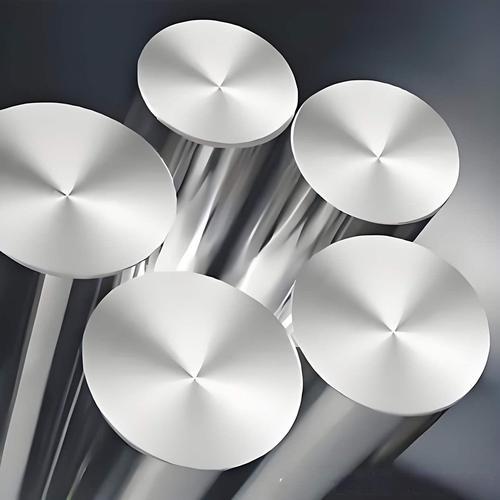
Inconel 617 alloy round bar price per kilogram is commonly about USD 45 to 90 per kg for standard industrial stock sizes. Large forged bars, small pre...
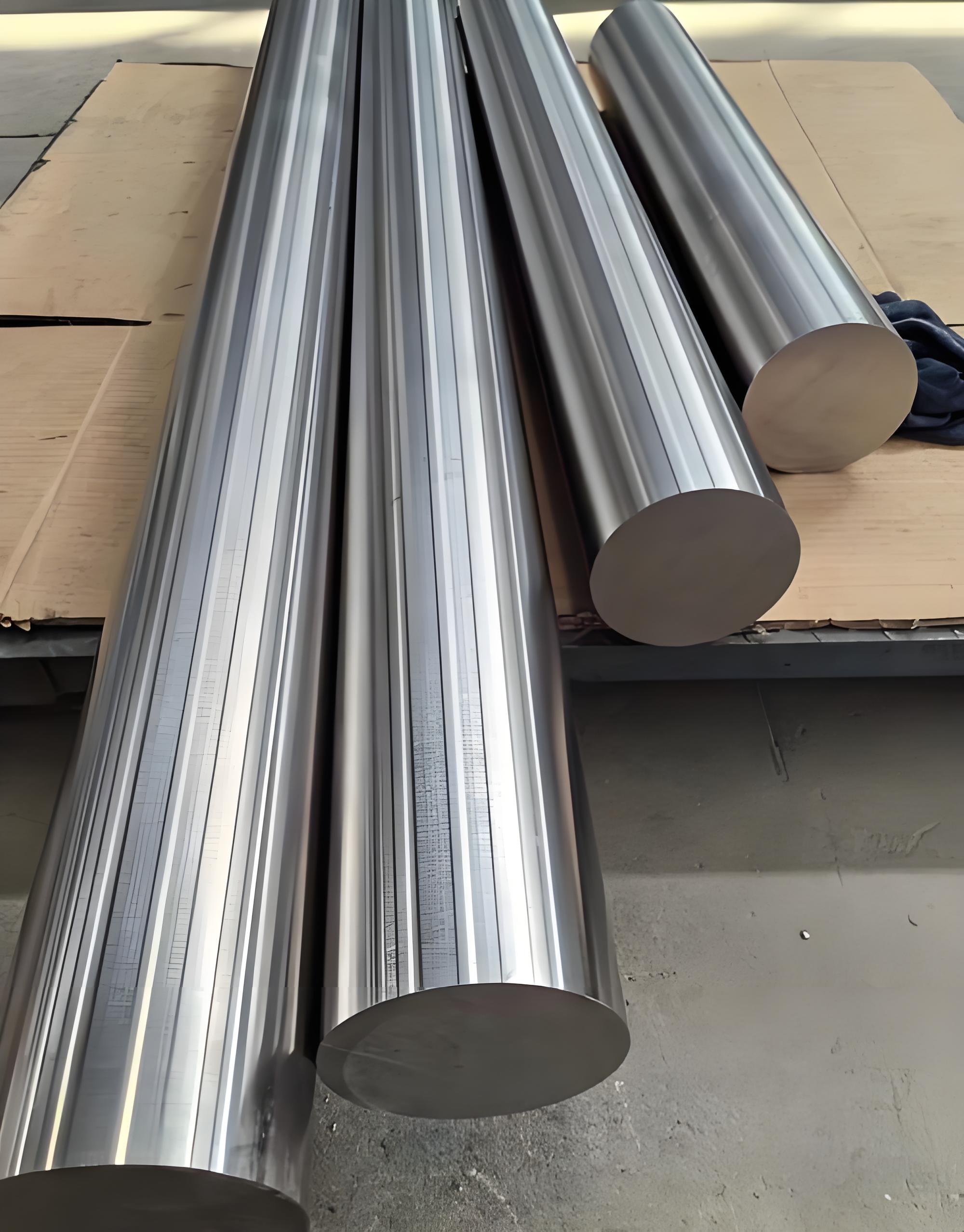
The latest Inconel 625 alloy bar price per kg depends on nickel, molybdenum, niobium, and chromium raw material costs, as well as bar diameter, manufa...
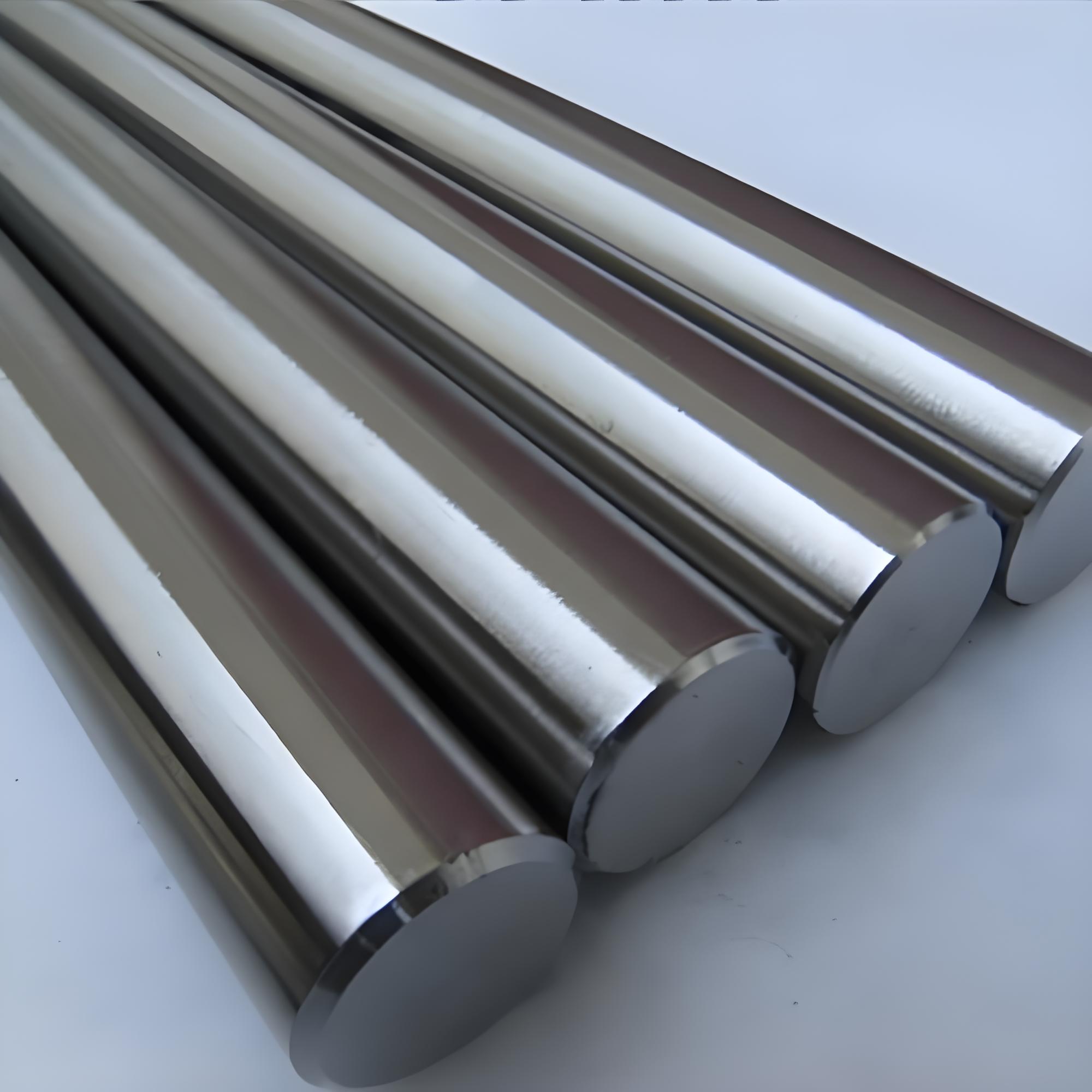
Inconel X-750 alloy bar price depends on nickel raw material cost, bar diameter, product condition, heat treatment, specification, surface finish, dim...
Inconel 602CA alloy bar price per kg is usually higher than common Inconel 600 and Inconel 601 bars because Alloy 602CA is a premium high-temperature ...
 English English
  Korean
 Arabic
 Spanish
 German
 Portuguese
 French
 Russian
 Italian
 Vietnamese