- E-mail: [email protected]
- WhatsApp: +86 18533346372
Home > Products > Inconel bar > Inconel 617/N06617/W.Nr.2.4663/NiCr23Co12Mo/Alloy bar
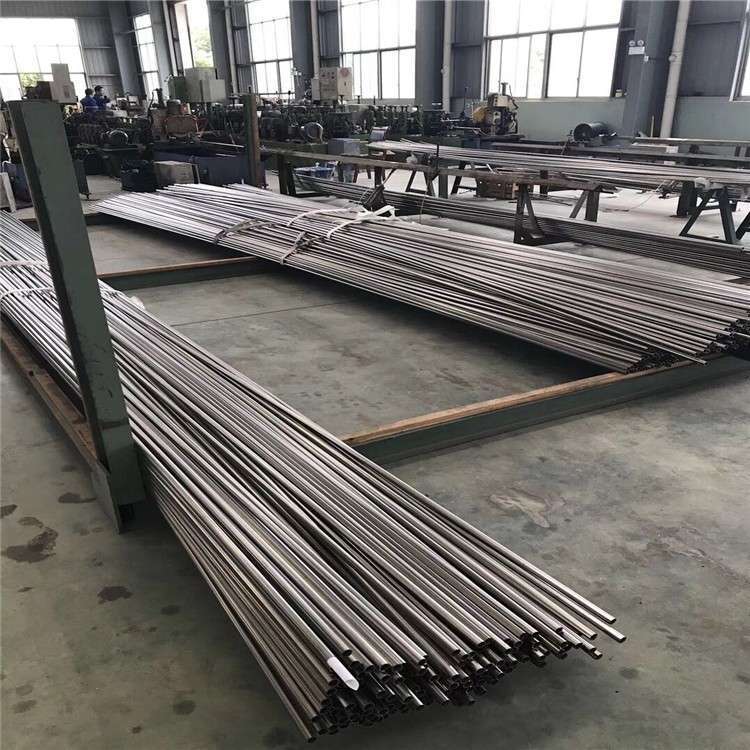
Inconel 617 bar, also known by its material numbers W.Nr. 2.4663, UNS N06617, and composition designation NiCr23Co12Mo, is a nickel-chromium-cobalt-molybdenum superalloy designed for exceptional strength and oxidation
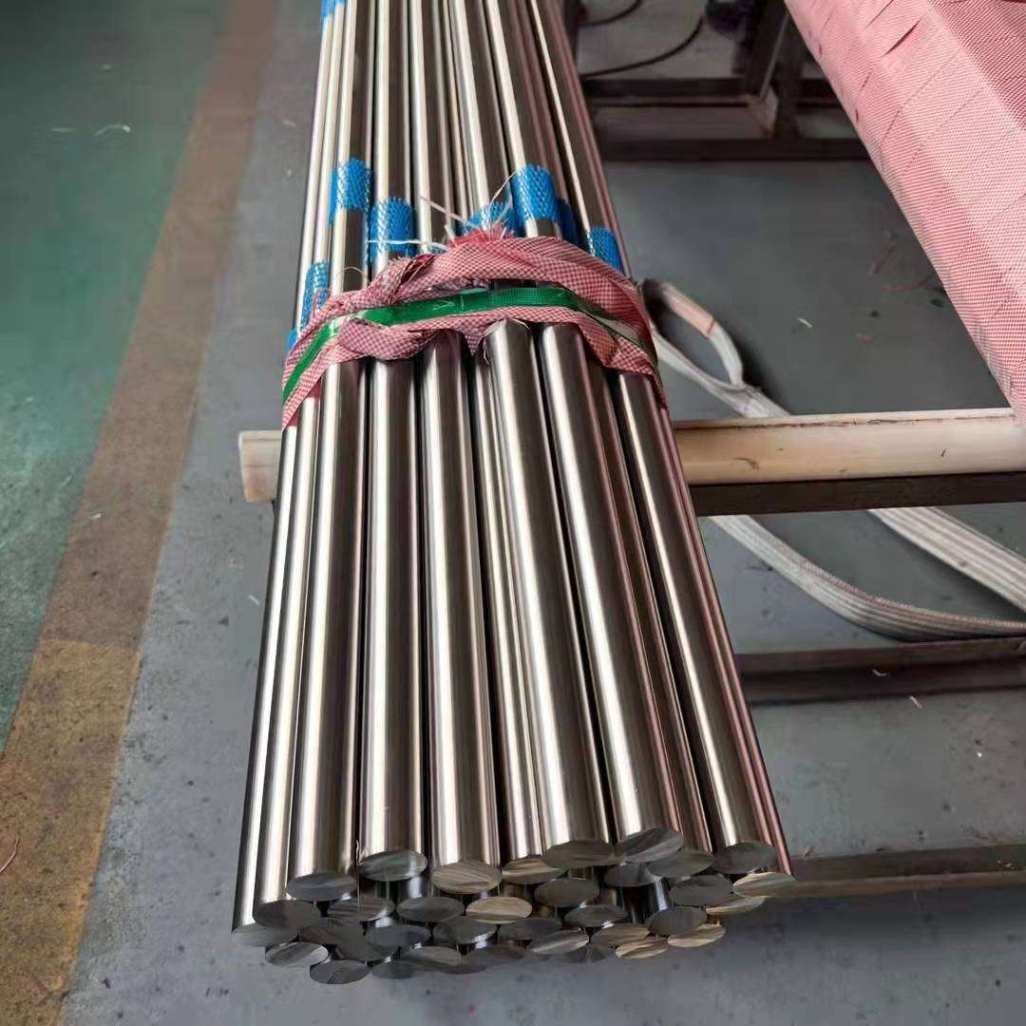
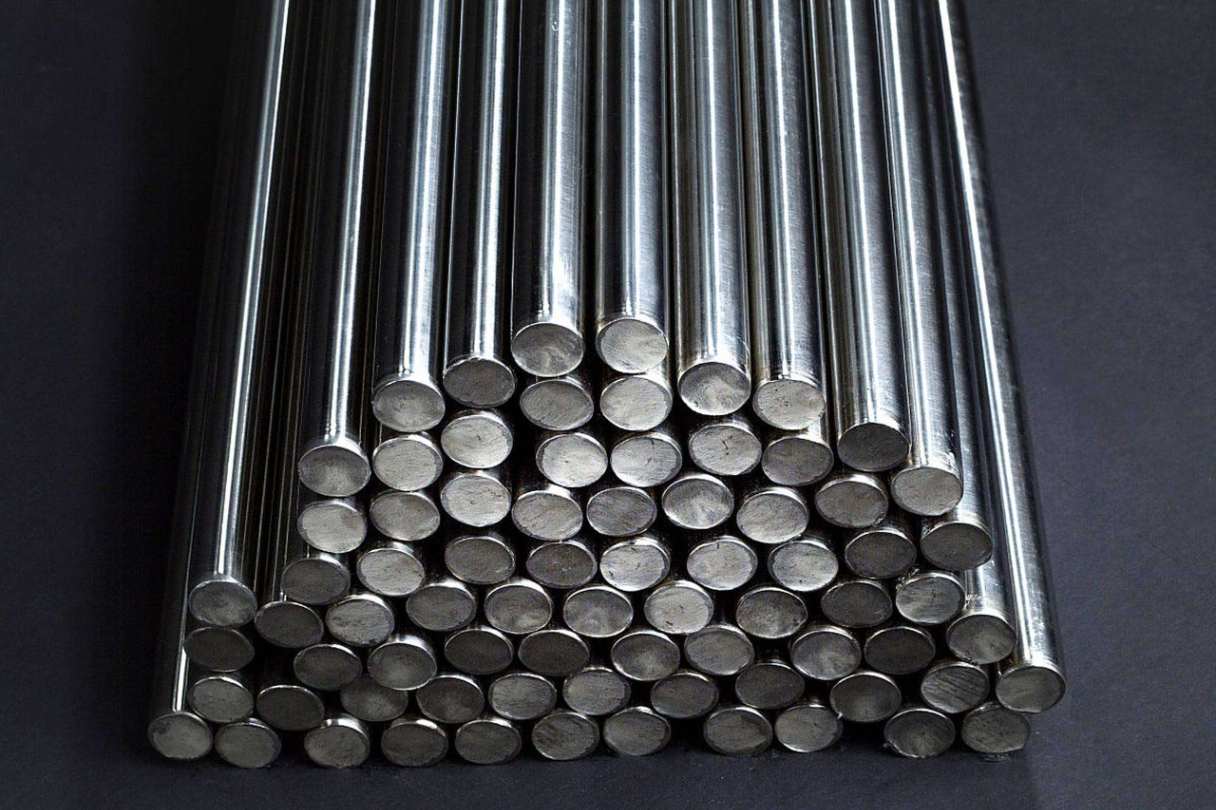
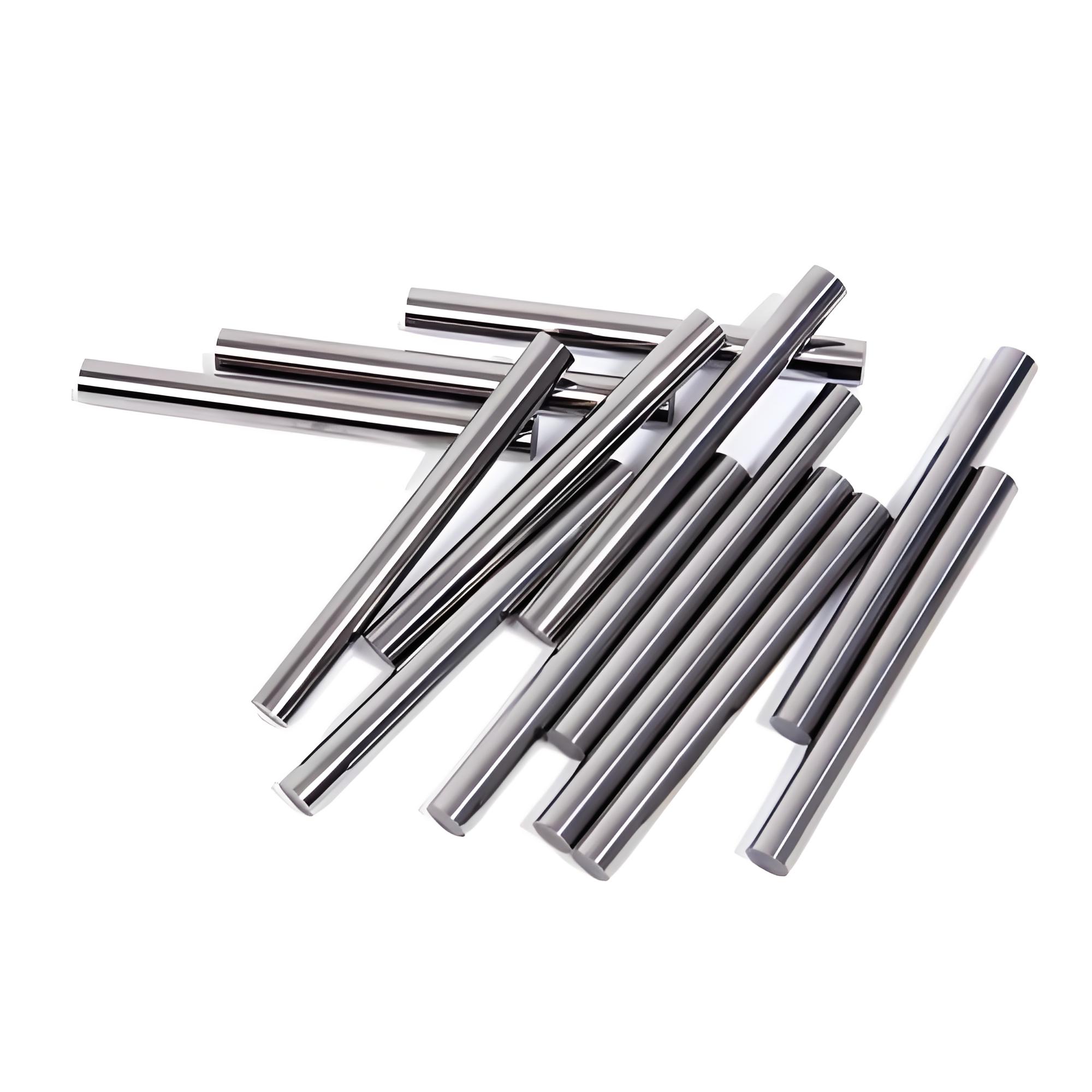
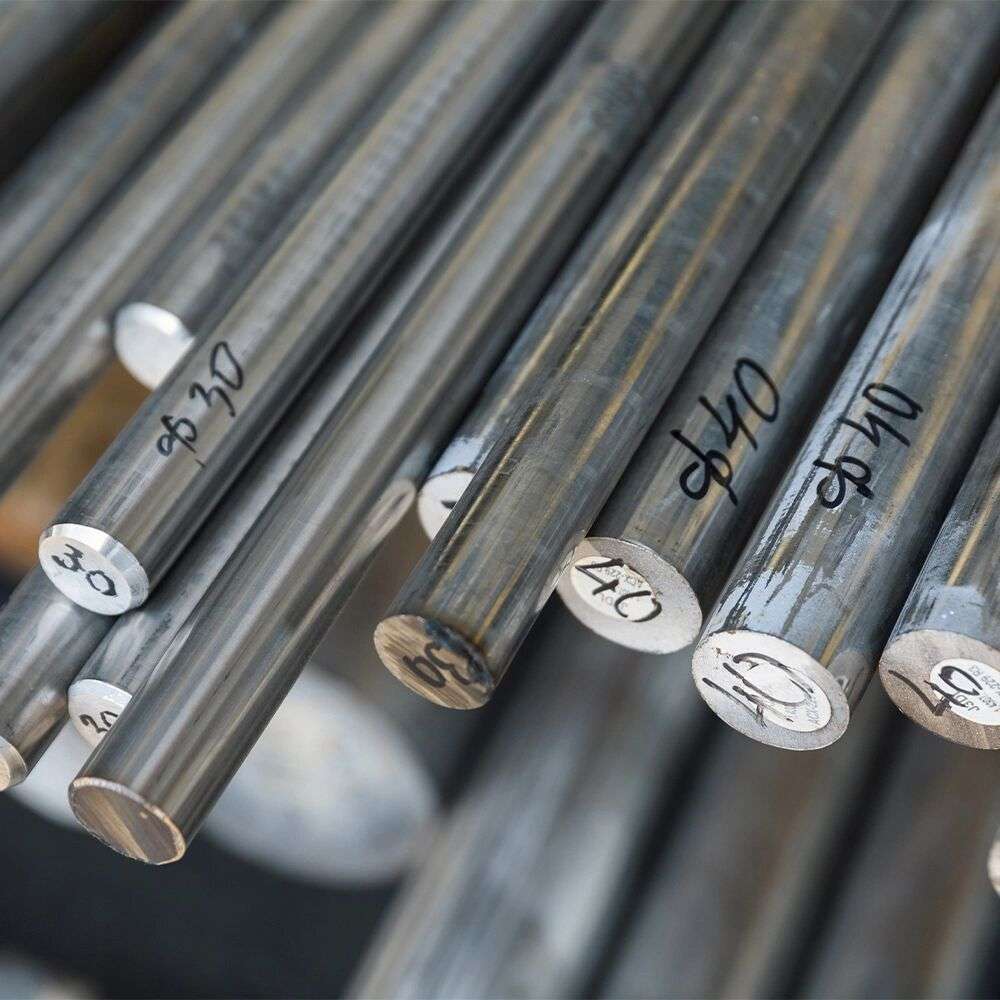
Inconel 617 bar, also known by its material numbers W.Nr. 2.4663, UNS N06617, and composition designation NiCr23Co12Mo, is a nickel-chromium-cobalt-molybdenum superalloy designed for exceptional strength and oxidation resistance at ultra-high temperatures. This bar stock form is a critical material for components operating above 1000°C (1832°F) in demanding applications such as gas turbines, advanced nuclear reactors, and industrial heating, where its unique combination of creep strength and environmental resistance is unparalleled.
Inconel 617 is a solid-solution strengthened, austenitic alloy that derives its high-temperature capability from a balanced addition of chromium, cobalt, and molybdenum. Unlike many precipitation-hardened superalloys, Alloy 617 maintains its stability and does not form detrimental phases after long-term exposure at service temperatures, making the bar stock ideal for machining or forging components intended for extended service life in extreme thermal environments.
The chemical composition of Inconel 617 bar is carefully formulated to optimize high-temperature performance. Supplied by Shanghai NC Metal Materials Co., Ltd., the bar stock meets strict international specifications, ensuring a reliable supply for critical high-temperature engineering projects.
| Element | Percentage (%) – Typical Range | Primary Function in the Alloy |
|---|---|---|
| Nickel (Ni) | Balance (44.5 min) | Base element; provides the austenitic matrix and fundamental resistance to oxidation and carburization. |
| Chromium (Cr) | 20.0 – 24.0 | Forms a protective, adherent Cr2O3 scale for outstanding oxidation and hot corrosion resistance. |
| Cobalt (Co) | 10.0 – 15.0 | Provides significant solid-solution strengthening, particularly at very high temperatures, and enhances resistance to sulfidation. |
| Molybdenum (Mo) | 8.0 – 10.0 | Contributes potent solid-solution strengthening and improves resistance to reducing acids and pitting corrosion. |
| Aluminum (Al) | 0.8 – 1.5 | Key for forming a stable, protective Al2O3 sub-layer beneath the chromium oxide scale, crucial for long-term oxidation resistance above 1000°C. |
| Iron (Fe) | 3.0 max | Residual element; kept low to maintain microstructural stability. |
| Carbon (C) | 0.05 – 0.15 | Controlled addition to provide high-temperature strength through carbide formation. |
| Manganese (Mn) | 1.0 max | Residual element, deoxidizer. |
| Silicon (Si) | 1.0 max | Enhances oxidation resistance. |
| Titanium (Ti) | 0.6 max | Residual element; can form carbides. |
| Copper (Cu) | 0.5 max | Residual element. |
| Boron (B) | 0.006 max | Trace addition to strengthen grain boundaries. |
The mechanical strength of Inconel 617 bar is remarkable at elevated temperatures, especially its creep and stress-rupture properties. Properties are typically reported for the solution-annealed condition, which is the standard supply condition for bar stock.
| Mechanical Property | Typical Value at Room Temp (Solution Annealed) | Typical Value at 1000°C (1832°F) | Key High-Temperature Capability |
|---|---|---|---|
| Tensile Strength | ≥ 710 MPa (103 ksi) | ≈ 120 MPa (17 ksi) | Excellent retention of useful strength at extreme temperatures. |
| Yield Strength (0.2% Offset) | ≥ 270 MPa (39 ksi) | ≈ 85 MPa (12 ksi) | – |
| Elongation in 2 inches (50mm) | ≥ 30% | ≥ 40% | Maintains good ductility. |
| Hardness (Rockwell B) | ≤ 90 HRB | N/A | – |
| Creep Rupture Strength (1000h) | N/A | ≈ 70 MPa (10 ksi) at 982°C | Exceptional long-term load-bearing capacity at high temperature. |
The physical properties of Inconel 617 are critical for thermal design and analysis in high-temperature systems, such as heat exchangers and combustion chambers.
| Physical Property | Value at Room Temperature (20°C / 68°F) | Notes / Value at Elevated Temperature |
|---|---|---|
| Density | 8.36 g/cm³ (0.302 lb/in³) | – |
| Melting Range | 1330 – 1380°C (2426 – 2516°F) | – |
| Specific Heat | ≈ 420 J/kg·°C (0.100 BTU/lb·°F) | At 100°C |
| Thermal Conductivity | 13.4 W/m·K (92.7 BTU·in/hr·ft²·°F) | At 100°C |
| Mean Coefficient of Thermal Expansion | 12.6 μm/m·°C (7.0 μin/in·°F) | 20-100°C (68-212°F); Increases at higher temperatures. |
| Electrical Resistivity | 1.24 μΩ·m (48.8 μΩ·in) | At 20°C |
| Modulus of Elasticity (Tensile) | 211 GPa (30.6 x 10^6 psi) | Decreases significantly with increasing temperature. |
Shanghai NC Metal Materials Co., Ltd. supplies Inconel 617 bar in various forms suitable for high-temperature machining and forging applications. It is a key material covered by emerging codes for advanced energy systems.
| Product Form | Standard Size Range | Key Standard Specifications | Common Supply Conditions |
|---|---|---|---|
| Round Bar (Hot Rolled/Forged) | 15mm (0.6″) to 350mm (14″) Diameter | ASTM B166 (UNS N06617), SB-166, DIN 17752 (W.Nr. 2.4663), ASME Code Case 2684 | Solution Annealed (typically 1175°C water quench) |
| Hexagonal Bar | 12mm to 100mm Across Flats | ASTM B166, DIN 17752 | Solution Annealed |
| Square Bar | 12mm to 100mm Width | ASTM B166 | Solution Annealed |
| Forging Billet / Ingot | 200mm to 600mm Diameter | ASTM B564 (Forgings), Customer Forging Specs | As-Forged, Solution Annealed |
| Cold Finished Bar | 5mm to 75mm Diameter | ASTM B166 (cold drawn) | Cold Drawn, Solution Annealed |
Components machined or forged from Inconel 617 bar are essential in the most demanding high-temperature technologies: Advanced Power Generation: Combustion cans, transition ducts, and turbine components in land-based and aero gas turbines; heat exchanger tubing and headers in next-generation nuclear reactors (Very High Temperature Reactors – VHTRs). Industrial Heating: Radiant tubes, muffles, retorts, and baskets for high-temperature furnaces operating in oxidizing, carburizing, or nitriding atmospheres. Chemical Processing: Components in catalytic reforming and other high-temperature petrochemical processes.
Machining Inconel 617 bar requires techniques for tough, work-hardening austenitic alloys. Recommendations include: using rigid, powerful machine tools; sharp carbide or ceramic cutting tools with positive rake angles; moderate cutting speeds; consistent, positive feed rates to work beneath the hardened surface layer; and high-pressure coolant for heat dissipation and chip control. Its work-hardening tendency necessitates avoiding tool dwelling in the cut.
Inconel 617 is considered readily weldable by common techniques such as GTAW (TIG), GMAW (MIG), and SMAW (Stick). Matching filler metals (e.g., ERNiCrCoMo-1) are recommended. Post-weld heat treatment is not mandatory but may be used for stress relief. The standard heat treatment for bar stock is solution annealing at 1175°C (2150°F) followed by rapid cooling (water quench) to optimize corrosion resistance and ductility.
The price of Inconel 617 bar from Shanghai NC Metal Materials Co., Ltd. is significantly influenced by its high cobalt content, which is a strategic and costly metal, as well as the specialized high-temperature processing required.
| Pricing Factor | Impact on Reference Price | Procurement Guidance |
|---|---|---|
| Cobalt Content | Cobalt is a major cost driver. Fluctuations in the global cobalt market directly and significantly affect the base price of Alloy 617 bar. | Be aware that pricing may be more volatile than for cobalt-free alloys. Long-term contracts may offer some price stability. |
| Application & Certification Level | Bar for ASME Section III nuclear applications (Code Case 2684) or aerospace specifications requires extensive testing and documentation, adding a substantial premium over commercial-grade material. | Specify the exact governing code or standard applicable to your component to ensure material compliance and cost accuracy. |
| Bar Size and Form | Large diameter forged billets and small diameter precision cold-finished bars have higher processing costs. Standard hot-rolled round bars offer the most economical form for general machining. | Optimize component design to utilize standard hot-rolled bar sizes where feasible. |
| Special Testing Requirements | Long-term creep testing, specialized oxidation testing, or microstructural stability studies (for very high-temperature service) are expensive and time-consuming, adding considerable cost. | These tests are typically project-specific. Clarify with engineering whether certified data from the mill or previous projects is acceptable, or if new testing is required. |
We are factory wholesale price, and the prices are lower than 95% of suppliers. Our professional quotation will help you with your project. Expecting our long-term cooperation. )
 English English
  Korean
 Arabic
 Spanish
 German
 Portuguese
 French
 Russian
 Italian
 Vietnamese