
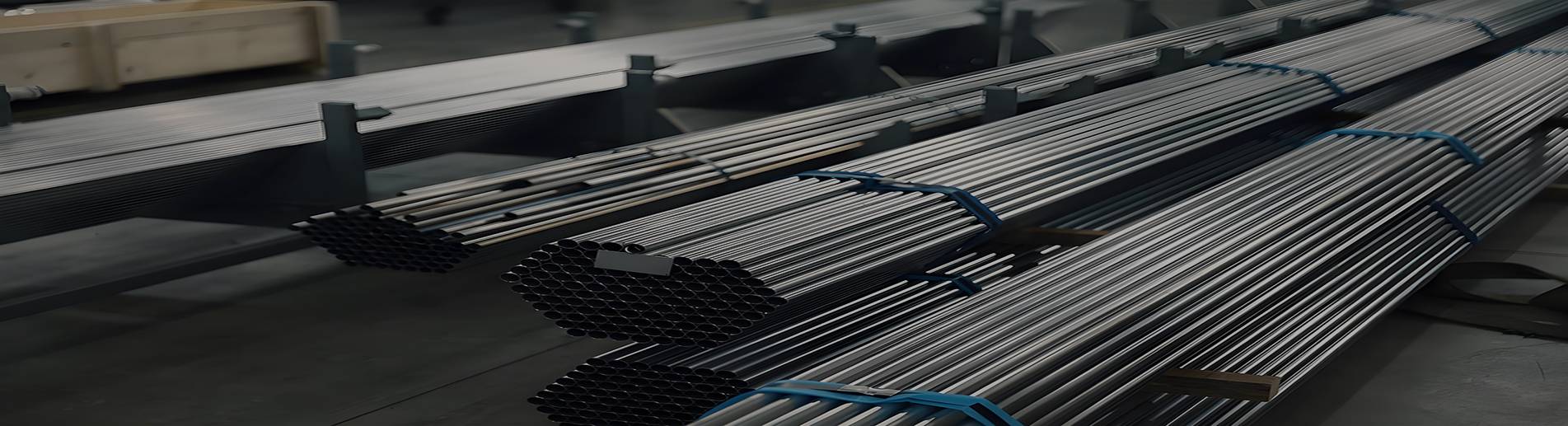
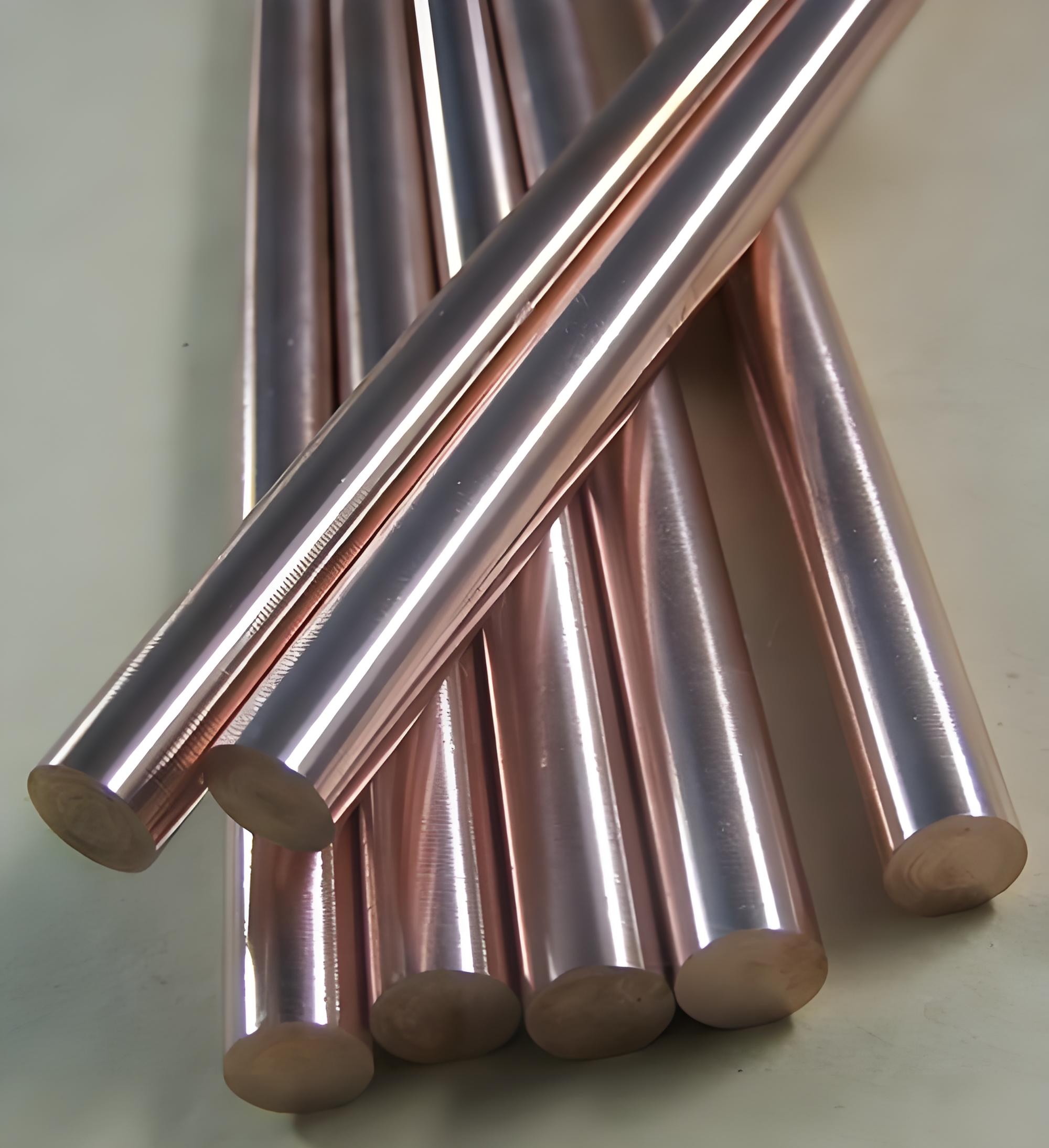
Inconel 617 alloy round bar price per kilogram
Inconel 617 alloy round bar price per kilogram is commonly about USD 45 to 90 per kg for standard industrial stock sizes. Large forged bars, small pre...
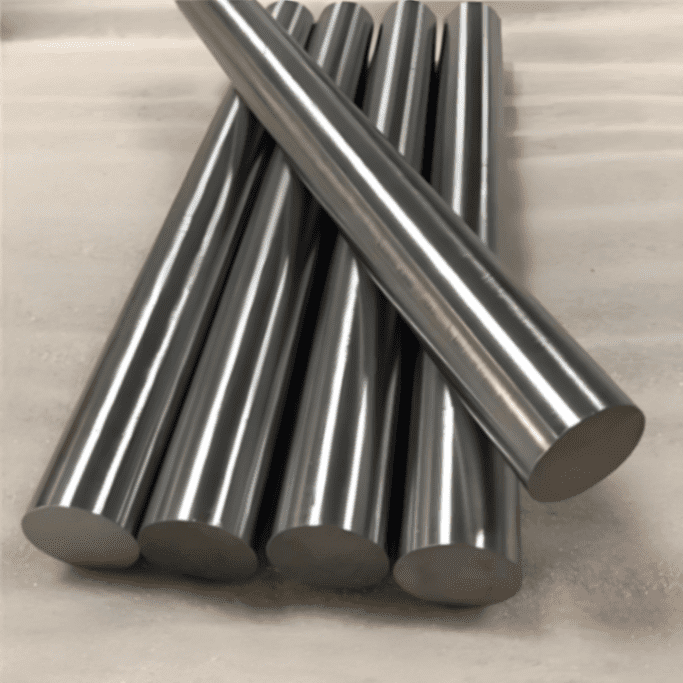
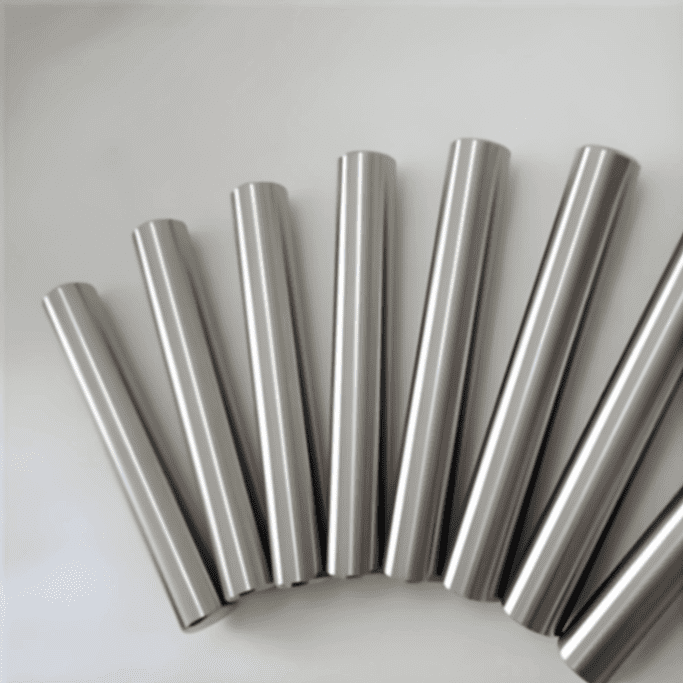
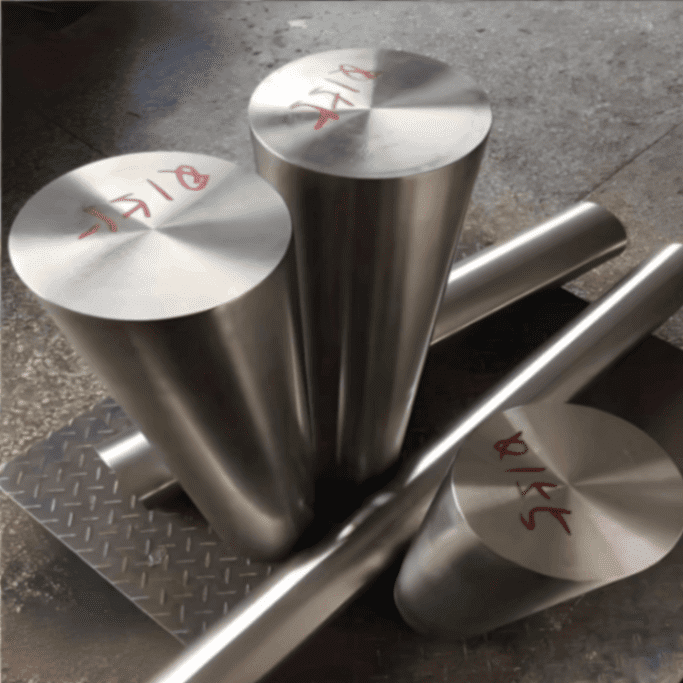
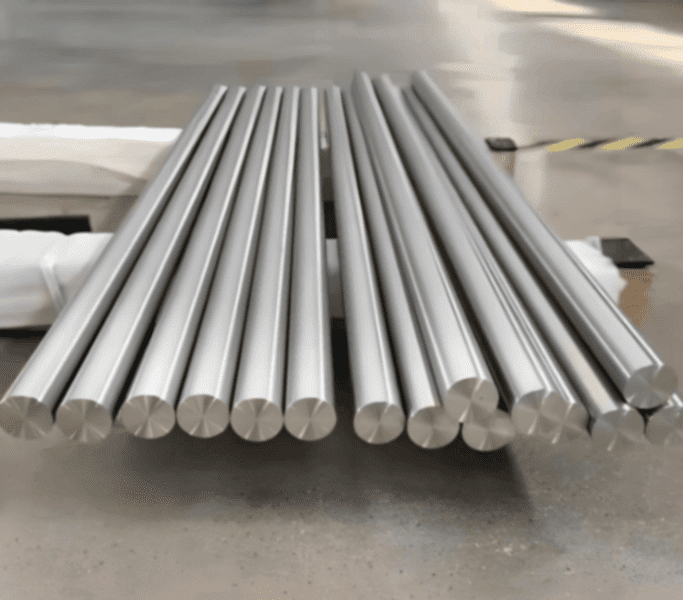
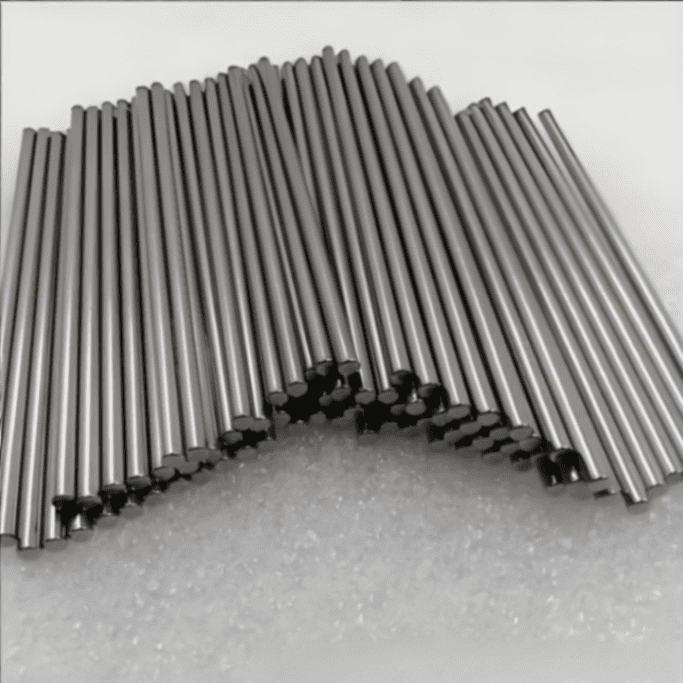
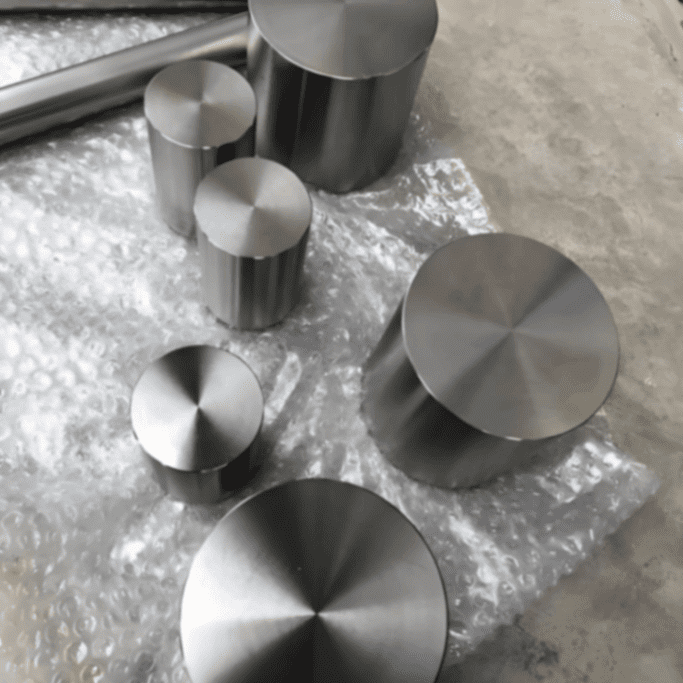
Inconel 617 bar is widely regarded as one of the more dependable nickel-base options for high-temperature hydrogen service, especially when the real concern is not just hydrogen exposure alone, but the combined effect of heat, pressure, oxidation, carburization, and long-term mechanical loading. In practical engineering terms, that matters because many hydrogen systems do not operate in a clean laboratory condition. They run in reformers, hot gas loops, synthesis gas units, and reactor internals where temperature can stay elevated for thousands of hours. In that range, the reason engineers look at Alloy 617 is simple: it keeps strength well at temperature, it forms a stable protective oxide scale, and it is much less vulnerable than conventional steels to the classic damage modes associated with high-temperature hydrogen.
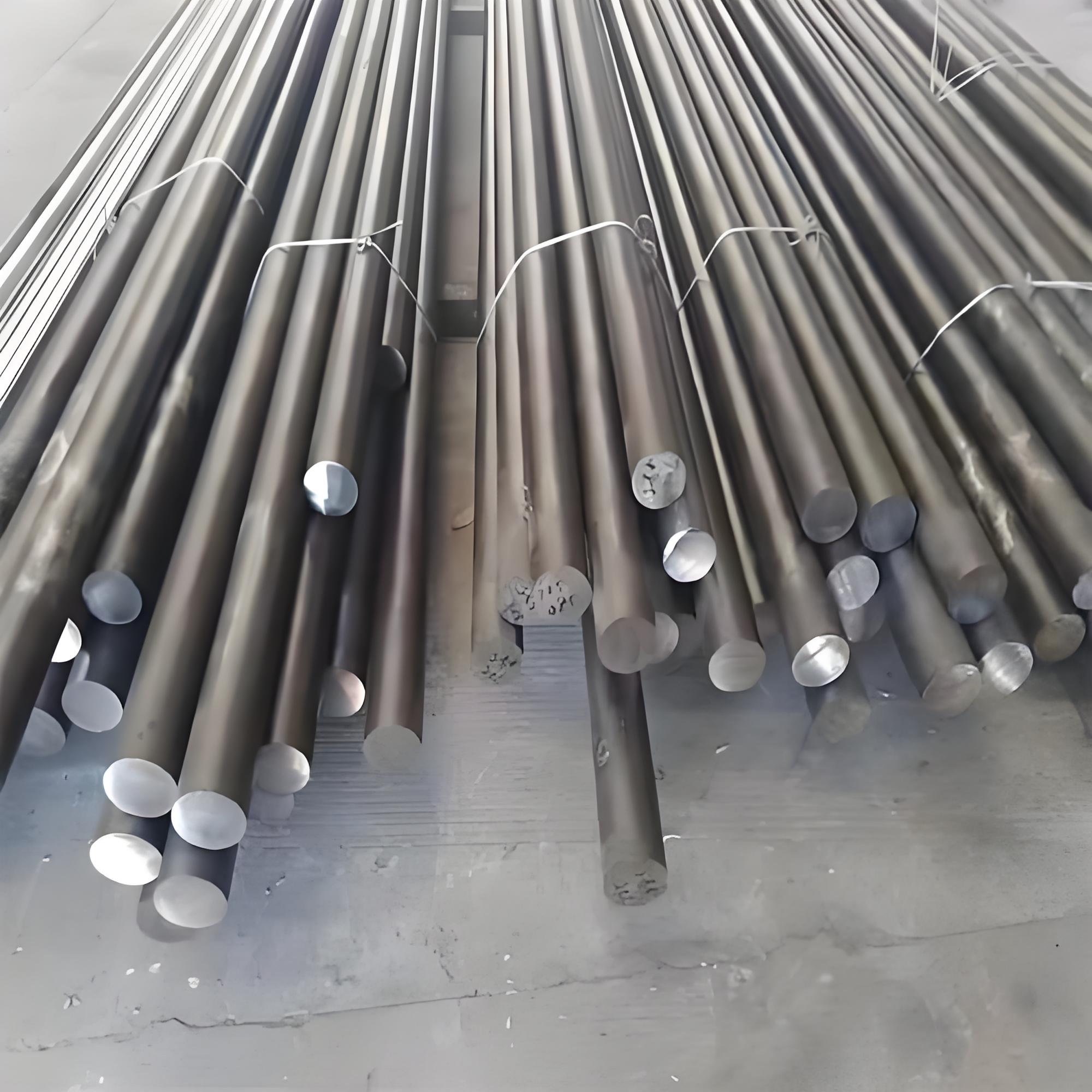
Inconel 617, also identified as UNS N06617 and DIN 2.4642, is a nickel-chromium-cobalt-molybdenum solid-solution strengthened alloy developed for severe high-temperature service. In bar form, it is commonly specified where a combination of elevated-temperature strength and corrosion resistance is needed at the same time. Compared with many stainless steels, its useful operating window is much higher. Compared with precipitation-hardened nickel alloys, it often offers a more stable response under prolonged exposure to heat because its strengthening mechanism is less sensitive to over-aging.
The basic metallurgy explains why this alloy is repeatedly discussed for hot hydrogen systems. Nickel provides a stable austenitic matrix, which is important because austenitic structures are generally less prone to the kind of hydrogen damage that can devastate ferritic steels. Chromium supports oxidation resistance by promoting the formation of a protective chromium oxide layer. Cobalt contributes to high-temperature strength retention, while molybdenum improves solid-solution strengthening and helps the alloy resist certain aggressive chemical environments. The result is a material known not only for high-temperature strength, but also for oxidation resistance and carburization resistance, which is highly relevant in reforming and syngas equipment.
For procurement and fabrication, bar and forging forms are usually referenced through established product standards. ASTM B166 is the common specification for nickel-chromium-iron, nickel-chromium-cobalt-molybdenum, and related alloy bars, rods, and wire. ASTM B564 covers forgings and forged fittings. In project documentation, buyers may call out the alloy by trade name, by UNS N06617, or by DIN 2.4642 depending on regional practice. For engineering review, it is always better to match the order requirement to the exact product form, because a forged block, a hot-finished bar, and a solution-annealed machined bar do not necessarily carry the same processing history or residual stress state.
Typical high-temperature uses are well aligned with hydrogen compatibility concerns. Gas turbine combustor parts are one classic example because the alloy survives heat, oxidation, and thermal cycling. High-temperature chemical reactors are another, especially where process gas contains hydrogen, carbon monoxide, steam, or carbon-bearing species. It is also a known candidate in hydrogen production and syngas systems, including steam methane reforming, thermal process lines, and hot gas handling components where conventional stainless steels can struggle.
When people ask whether a material is “hydrogen compatible,” the answer depends heavily on temperature. The damage mechanisms below 200°C are not the same as the ones seen at 600°C or 900°C. In low-temperature gaseous hydrogen, engineers usually focus on hydrogen embrittlement, delayed cracking, and fatigue crack growth acceleration. In high-temperature hydrogen process service, another major concern is high-temperature hydrogen attack, often abbreviated as HTHA. This is especially relevant in refinery and hydrogen generation equipment.
HTHA is a well-known failure mode in ordinary steels exposed to hot, high-pressure hydrogen. Hydrogen diffuses into the steel, reacts with carbon in the microstructure, and forms methane internally. Methane cannot diffuse away easily, so pressure builds up in voids and grain boundary regions. Over time, that can lead to decarburization, fissuring, loss of strength, and internal cracking. It is one of the reasons why carbon steels and low-alloy steels have strict service limits in hydrogen units.
Inconel 617 behaves very differently in this respect. Its austenitic nickel-base matrix gives it a natural advantage against HTHA compared with ferritic steels. The alloy does not rely on the same carbon-dependent strengthening as low-alloy steels, and it has a much lower tendency toward the classic methane-bubble damage route that drives hydrogen attack in iron-based materials. In plain terms, the damage mechanism that makes steels unsafe in certain high-temperature hydrogen conditions is far less active in Alloy 617.
Hydrogen embrittlement in the strict low-temperature sense is also less severe in nickel-base austenitic alloys than in many high-strength steels, but that does not mean “zero risk.” In a high-temperature hydrogen atmosphere, hydrogen can still dissolve, diffuse, and concentrate at local stress raisers. If there are notches, machining damage, weld residual stresses, inclusions, or oxide film rupture events, local degradation can occur. So while Inconel 617 has strong resistance, hydrogen service still needs engineering evaluation rather than assumption.
Another important factor is internal hydrogen uptake versus surface protection. At elevated temperature, Inconel 617 forms a relatively dense Cr₂O₃-rich oxide scale under many oxidizing or mildly mixed-gas conditions. That oxide layer acts as a barrier and slows hydrogen ingress. This is one reason the alloy often performs very well in mixed hydrogen atmospheres that also contain steam or controlled oxygen potential. If the oxide remains continuous and adherent, the inward flux of atomic hydrogen is reduced.
However, environment chemistry changes everything. In very low oxygen partial pressure conditions, such as high-purity dry hydrogen, the protective effect of the oxide scale may be weaker or less stable, especially if there is thermal cycling, abrasion, sulfur contamination, or mechanical damage. Under those conditions, hydrogen diffusion and local stress state deserve closer attention. The practical takeaway is that Alloy 617 does not suddenly become unsuitable in pure hydrogen, but design margins should be based on actual temperature, pressure, pressure cycling, hold time, and surface condition.
Sulfur-bearing hydrogen service is a separate warning area. Sulfur compounds can damage or destabilize protective surface films and can accelerate crack initiation in high-temperature alloys. If hydrogen service also contains H₂S, sulfur vapor, or other sulfur-active species, compatibility should not be judged only from “hydrogen resistance” data. In those cases, sulfidation, scale breakdown, and combined corrosion-mechanical interaction can become the dominant life-limiting issue.
Published engineering experience and test data generally show that Inconel 617 retains mechanical performance very well in the 500–800°C range under hydrogen-containing atmospheres. Tensile strength retention is commonly high, and creep rupture life tends to show only limited degradation when compared with air or inert reference conditions, provided the surface remains intact and no unusual contaminant-driven attack is present. In engineering discussions, a retention level above 90% is often cited as a realistic indication for properly processed material under controlled conditions.
That performance is one reason the alloy is regularly shortlisted for high-temperature hydrogen and syngas hardware. At these temperatures, many materials fail not because their room-temperature tensile properties look poor, but because their long-term creep strength collapses or because environmental attack accelerates crack formation. Alloy 617 usually stands out by offering a more balanced response: good hot strength, good oxidation resistance, and better tolerance to hydrogen-rich process gas than many standard stainless grades.
Compared with Inconel 625, the difference is subtle but important. Alloy 625 is an excellent corrosion-resistant alloy and is widely used in many hydrogen-related systems, especially at moderate temperatures. But in prolonged high-temperature exposure, its microstructural evolution can become more complicated due to phase formation concerns, particularly if the temperature-time profile is unfavorable. In practical terms, for the upper end of hydrogen service temperatures, Inconel 617 is often considered the more stable choice. It was designed more directly for sustained high-temperature duty rather than broad all-purpose corrosion resistance alone.
Hydrogen permeability is another area where nickel-base alloys generally perform better than ferritic steels. Hydrogen diffusion in nickel-rich austenitic matrices is lower than in ferritic iron-based structures, which helps reduce hydrogen transport through the material. Inconel 617 also contains cobalt, and while cobalt can slightly influence diffusion behavior, the engineering impact is typically small compared with larger variables such as temperature, oxide integrity, cold work, wall thickness, and stress concentration. For most equipment design decisions, cobalt-related diffusion drift is not the factor that controls material choice.
In advanced energy applications, references often point to hydrogen-facing material evaluation frameworks such as ISO 26146 and certain VdTÜV materials guidance documents when discussing service in hydrogen systems. These standards and technical routes do not automatically “approve” any alloy for every hydrogen condition, but they do provide a basis for screening, qualification, and testing methodology. Alloy 617 has also appeared repeatedly as a candidate material in advanced ultra-supercritical power concepts and nuclear-linked hydrogen demonstration work, including projects connected to high-temperature gas systems and CO2-free hydrogen pathways.
That recurring selection is not just because the alloy is premium and expensive. It is because there are relatively few commercial alloys that can keep useful creep strength near 900°C while also tolerating hydrogen-rich, oxidizing, carburizing, or mixed-gas process conditions. In that narrow performance band, Inconel 617 remains one of the more credible options.
For most engineers, the useful service window for Inconel 617 bar in hydrogen systems sits roughly between 550°C and 950°C. That is the range where the alloy’s high-temperature capability becomes meaningful and where its resistance to HTHA gives it a clear advantage over lower-alloy steels. Within that range, it is especially suitable for dry hydrogen, hydrogen mixed with steam, and hydrogen-containing process gas with CO or CO2, such as methane steam reforming and certain thermochemical hydrogen production loops.
Hydrogen pressure up to about 150 bar is often treated as a reasonable practical reference range, although the real limit depends on design code, wall thickness, geometry, weld quality, and allowable stress rather than on material name alone. With conservative design and proper code compliance, higher pressures may be feasible. But pressure by itself does not tell the whole story. Temperature, stress level, dwell time, startup-shutdown frequency, and contamination all need to be considered together.
One area where caution is necessary is low-temperature hydrogen service below about 200°C. Alloy 617 is not usually the first recommendation when the duty is primarily cold or near-ambient high-pressure hydrogen and the key concern is classical low-temperature hydrogen embrittlement qualification. In that domain, engineers more often evaluate grades such as 316L in suitable pressure-temperature envelopes or precipitation-hardened alloys like Inconel 718 when the qualification basis is clear. That does not mean 617 cannot be used, but it is simply not the alloy most commonly selected for that specific certification-driven niche.
Another caution area is high-sulfur hydrogen service. Sulfur species can attack the protective oxide layer and undermine one of the alloy’s key defenses against inward hydrogen penetration. Once the surface film is compromised, localized attack and hydrogen-assisted cracking risk can rise, especially at stressed features such as threads, sharp radii, or welded transitions. If sulfur is expected, a more specific corrosion review is necessary instead of relying on generic hydrogen compatibility statements.
Surface finish matters more than buyers sometimes expect. Rough or damaged surfaces provide preferred sites for hydrogen accumulation, oxide disruption, and local stress concentration. For critical bar-machined components, keeping the surface finish at about Ra ≤ 0.8 μm is a sensible design target. Smooth surfaces are not a cosmetic luxury in hydrogen service; they support more stable surface films and reduce crack initiation probability.
Heat treatment condition also matters. Solution-annealed material is generally preferred because it helps dissolve unwanted phases, homogenize the structure, and reduce residual stress from prior processing. Residual stress can amplify hydrogen-related cracking risks, especially where the component sees thermal gradients or pressure cycling. If heavy machining is performed after supply, a stress-relief or full requalification route may be worth considering depending on the final duty.
For buyers sourcing bar stock for hot hydrogen service, traceability is worth insisting on. Chemistry, grain size, processing route, and heat treatment records can directly affect long-term service confidence. In practice, experienced suppliers such as Shanghai NC Metal Materials Co., Ltd. usually understand that for this alloy, buyers are not just purchasing dimensions. They are purchasing confidence in elevated-temperature structural performance under a difficult gas environment.
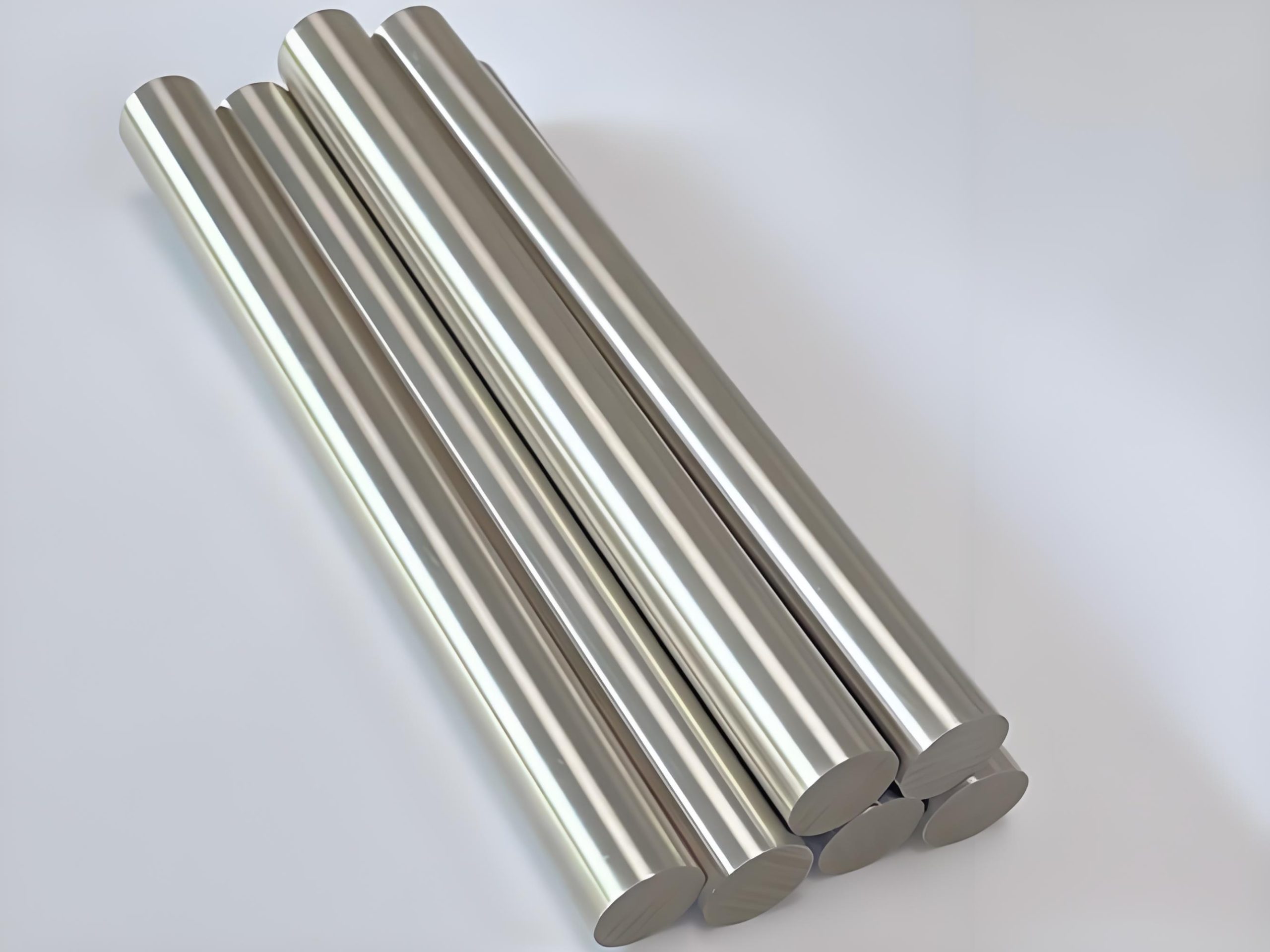
If the design problem is strictly high-temperature hydrogen compatibility, Inconel 617 usually sits near the top of the shortlist. Its practical upper temperature is around 950°C in many engineering discussions, and it has high resistance to hydrogen-assisted degradation when compared with common steels and several lower-temperature nickel alloys. The tradeoff is cost. This is not a budget material, and machining plus procurement lead time can also be more demanding than for standard stainless grades.
Inconel 625 is often the next alloy engineers compare. It offers good hydrogen compatibility and excellent general corrosion resistance, but for sustained service approaching the upper end of high-temperature hydrogen applications, it is usually considered less robust than 617. A practical upper limit near 800°C is a more realistic engineering reference. Its cost is still high, though often slightly lower than 617 depending on market conditions and bar size. As a rough industry reference, Inconel 625 bar may fall around USD 35–60 per kg, while Inconel 617 bar may commonly range around USD 45–75 per kg. Prices are for reference only.
Inconel 718 is a different type of option. It is attractive because it combines good strength with more moderate cost than 617 in some markets, and it is often used in pressure-containing or aerospace-related hardware. But for continuous high-temperature hydrogen service, especially above about 700°C, it is generally not the first choice. Its anti-hydrogen behavior can be good to moderate depending on condition, but its true strength lies more in high-strength service than in extreme long-duration hot gas exposure.
316H stainless steel is attractive from a cost standpoint and can be workable in limited hydrogen applications, but it is simply not in the same performance class for high-temperature hydrogen duty. Its practical upper temperature is much lower, around 550°C in many process service discussions, and its resistance to hydrogen-related damage is significantly weaker than that of Inconel 617. It can still be appropriate when budget matters and service conditions are moderate, but it is not the right baseline for demanding hot hydrogen reactor internals or exchanger hardware.
So the comparison is fairly straightforward. If the duty is severe, hot, long-term, and hydrogen-rich, Inconel 617 is the premium answer. If the duty is somewhat cooler or broader in corrosion chemistry, 625 may be enough. If high strength at moderate elevated temperature is more important than prolonged 900°C exposure, 718 may fit. If cost dominates and the environment is limited, 316H may be considered, but with much tighter service boundaries.
One of the best-known advanced use cases is the intermediate heat exchanger in high-temperature gas-cooled reactor systems, where hydrogen-containing or hydrogen-relevant process streams may be involved. In these systems, the material is exposed to sustained high temperatures, complex gas chemistry, and strict reliability expectations over long periods. Alloy 617 is repeatedly studied for this role because it balances creep strength and environmental resistance better than most commercially available alternatives.
Another important case is solid oxide electrolysis cell, or SOEC, hydrogen production systems. Gas channels, hot manifolds, and structural parts in SOEC equipment can experience hydrogen, steam, and oxygen potential gradients at elevated temperature. That combination is hard on materials because it pushes both oxidation behavior and mechanical stability at once. Inconel 617 bar is a realistic feedstock for machined components in these systems where thermal exposure is too severe for lower-grade stainless steels.
The alloy also has relevance in hydrogen recovery systems and catalytic synthesis units where hydrogen is mixed with halogen-bearing species such as HCl or Cl2. These are not easy environments. The challenge there is not just hydrogen compatibility, but the combined effect of hot corrosion chemistry, surface scale stability, and stress. While any final material choice should be validated against the exact process composition, Alloy 617 is one of the few bar materials regularly considered when both high temperature and aggressive mixed-gas chemistry are present.
In steam methane reforming and syngas generation equipment, bar products may be used for supports, hot fixtures, internals, fasteners, guide components, and machined parts close to the hottest gas path. In such services, carburization resistance matters almost as much as oxidation resistance. One reason engineers like 617 is that it is not narrowly optimized for one damage mechanism only. It survives the mixed reality of hot hydrogen service better than many alloys that look strong on paper in just one test category.
Is Inconel 617 suitable for high-pressure hydrogen at around 800°C?
Yes, in many cases it is a strong candidate for that duty. Around 800°C is exactly the temperature range where Inconel 617 shows its value compared with stainless steels and lower-temperature nickel alloys. Its austenitic nickel-base structure gives it much better resistance to high-temperature hydrogen attack than conventional steels, and its creep strength remains useful at that temperature. The final answer still depends on pressure level, wall thickness, stress, gas purity, and code compliance, but from a material standpoint, 617 is widely considered suitable for hot hydrogen service near 800°C.
What is the difference between Inconel 617 and Inconel 625 for hydrogen service?
The main difference is temperature capability and long-term microstructural stability. Inconel 625 is an excellent corrosion-resistant alloy and works well in many hydrogen systems, especially at moderate temperatures. Inconel 617 is usually the better option when service temperature stays high for long periods, especially above the range where 625 is most comfortable. If the equipment is a hot reactor internal, reformer component, or high-temperature gas passage, 617 is generally the more stable choice. If the service is lower temperature and broader corrosion resistance is the main concern, 625 may be enough.
Should Inconel 617 bar be supplied in solution-annealed condition for hydrogen equipment?
In most cases, yes. Solution-annealed condition is generally preferred for hydrogen-facing high-temperature components because it promotes a more uniform microstructure and helps reduce residual stress from prior processing. That matters because residual stress and local microstructural instability can increase the risk of crack initiation in difficult gas environments. Buyers should also ask for full traceability, inspection records, and confirmation of the applicable standard such as ASTM B166 for bar or ASTM B564 for forgings, depending on the final product form.
More from this category
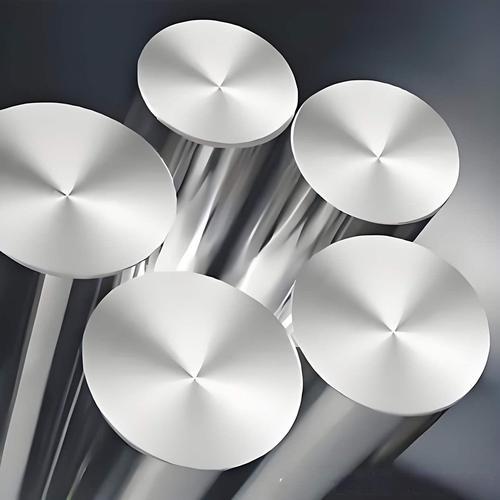
Inconel 617 alloy round bar price per kilogram is commonly about USD 45 to 90 per kg for standard industrial stock sizes. Large forged bars, small pre...
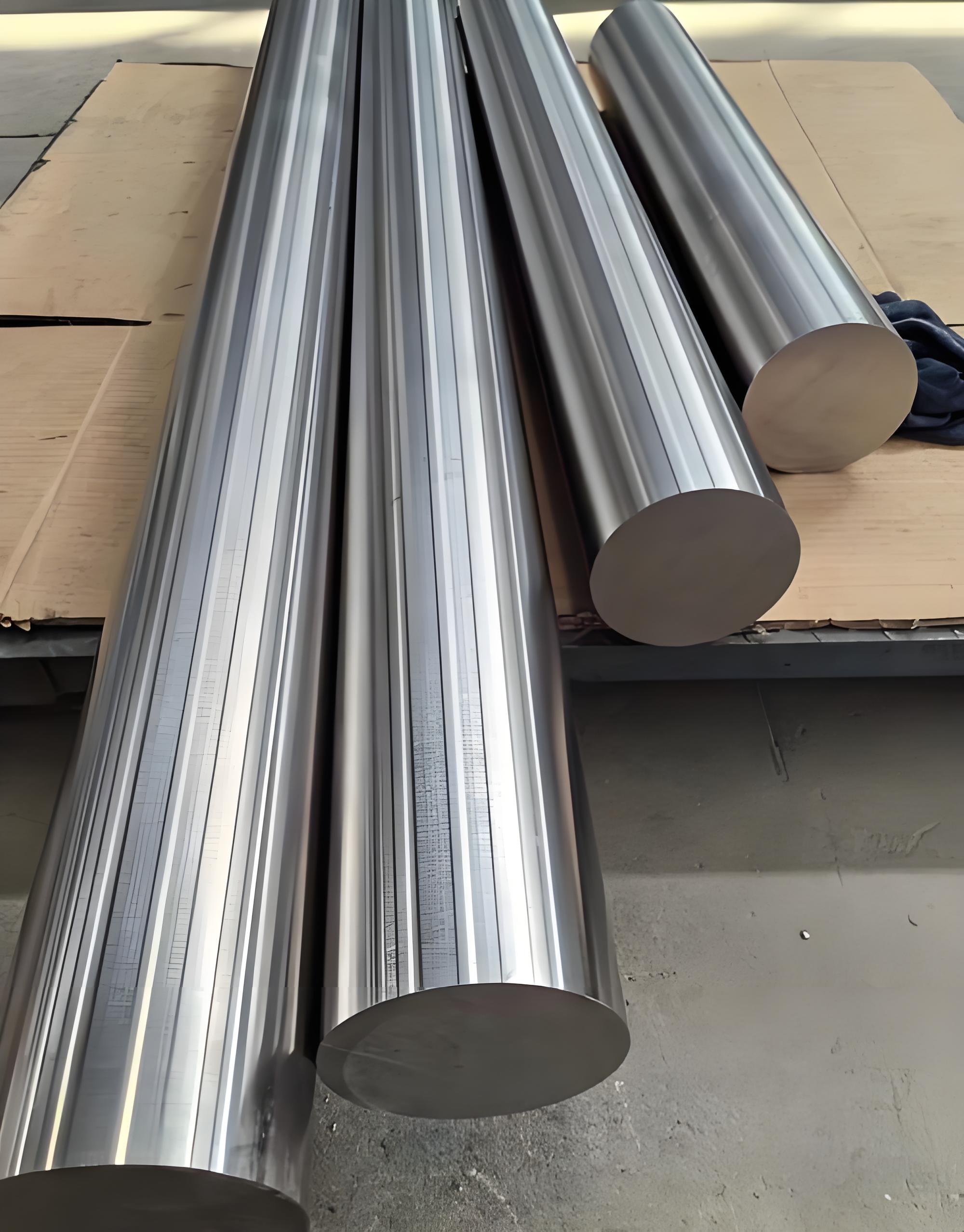
The latest Inconel 625 alloy bar price per kg depends on nickel, molybdenum, niobium, and chromium raw material costs, as well as bar diameter, manufa...
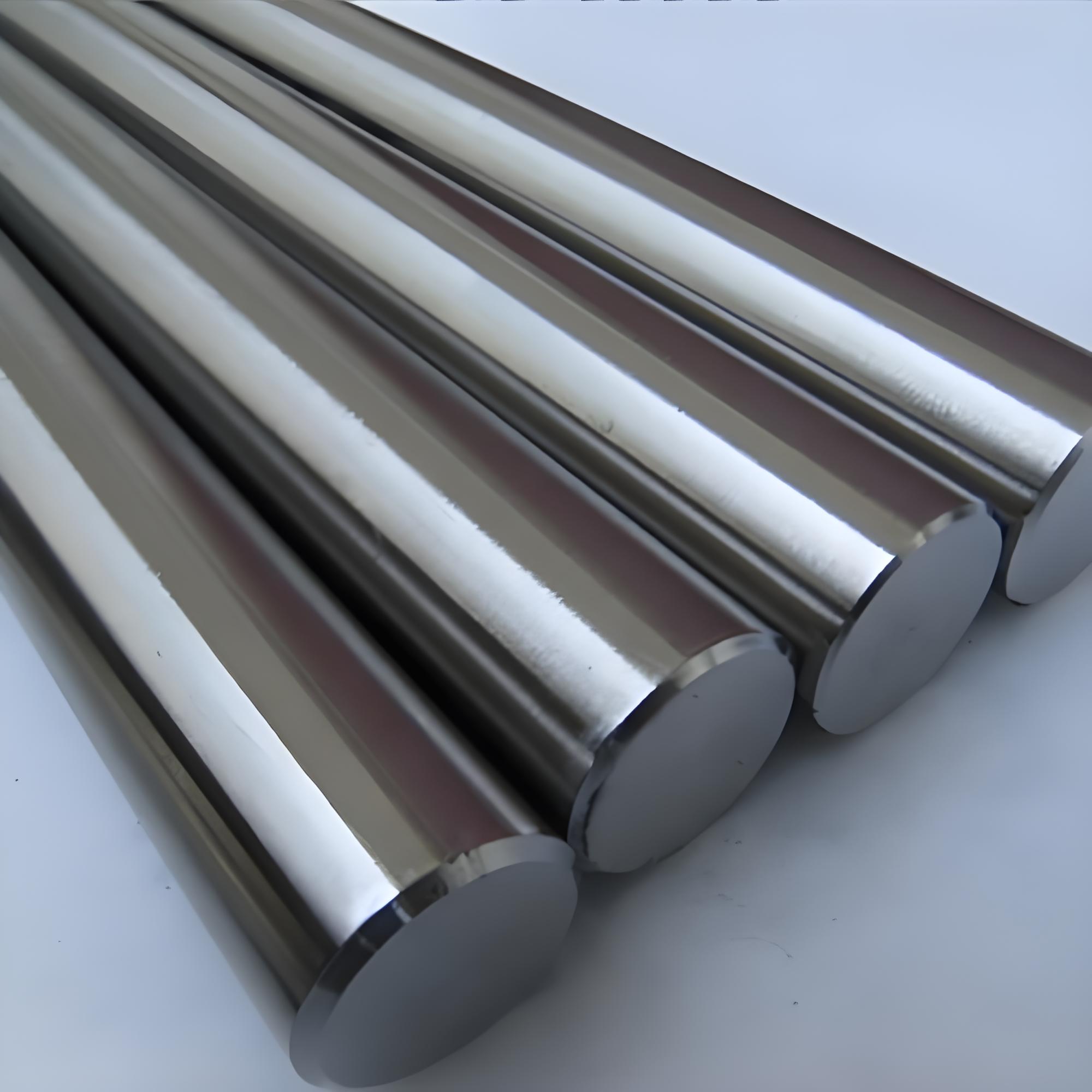
Inconel X-750 alloy bar price depends on nickel raw material cost, bar diameter, product condition, heat treatment, specification, surface finish, dim...
Inconel 602CA alloy bar price per kg is usually higher than common Inconel 600 and Inconel 601 bars because Alloy 602CA is a premium high-temperature ...
 English English
  Korean
 Arabic
 Spanish
 German
 Portuguese
 French
 Russian
 Italian
 Vietnamese