
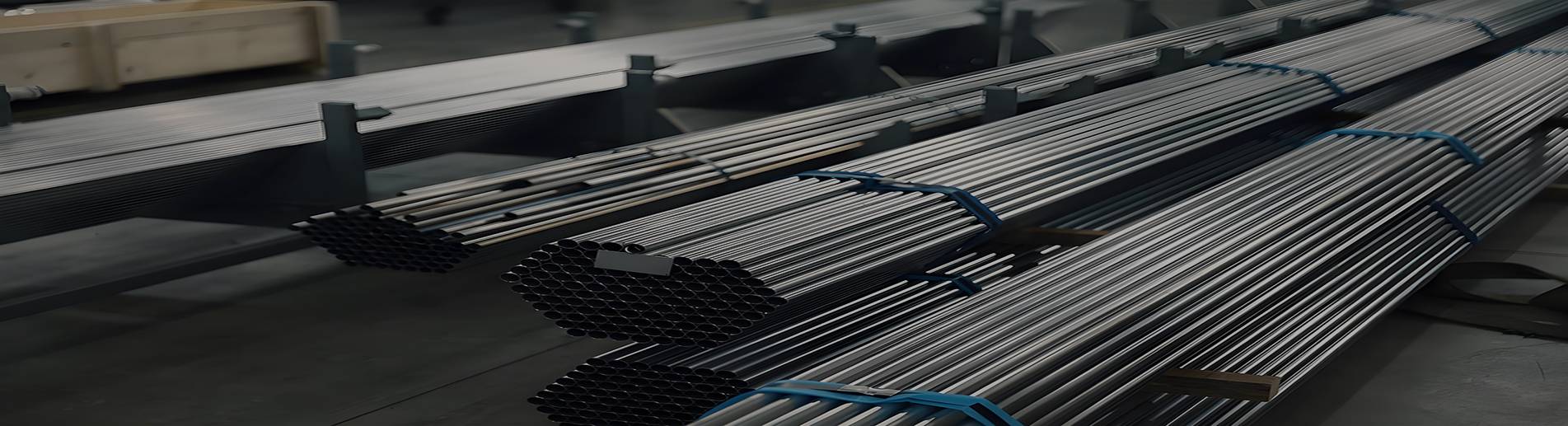
Inconel 617 alloy round bar price per kilogram
Inconel 617 alloy round bar price per kilogram is commonly about USD 45 to 90 per kg for standard industrial stock sizes. Large forged bars, small pre...
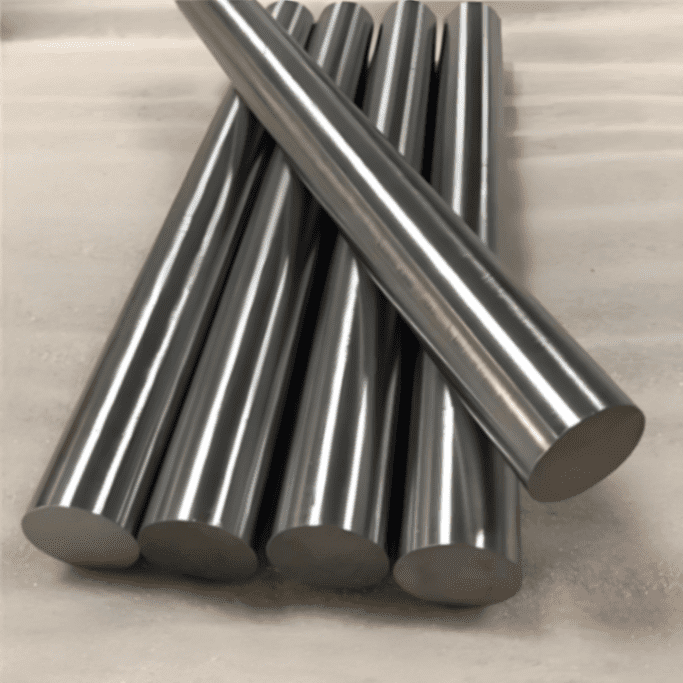
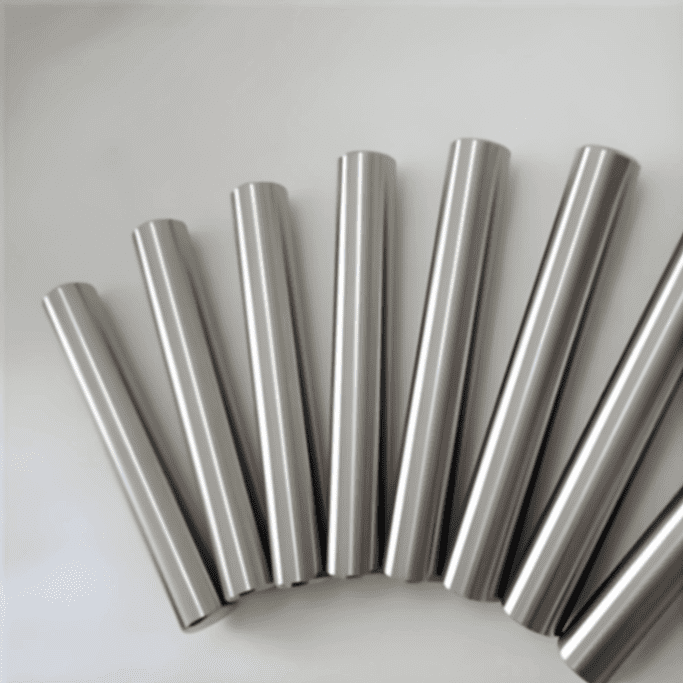
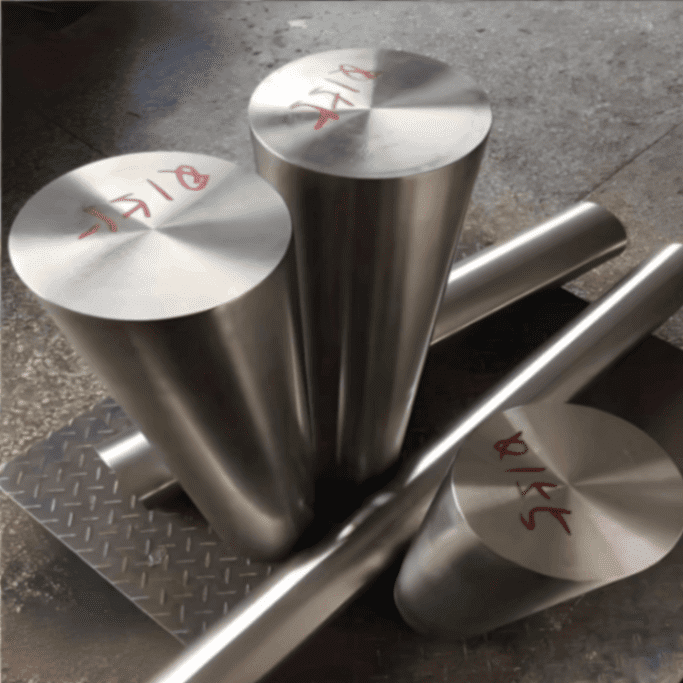
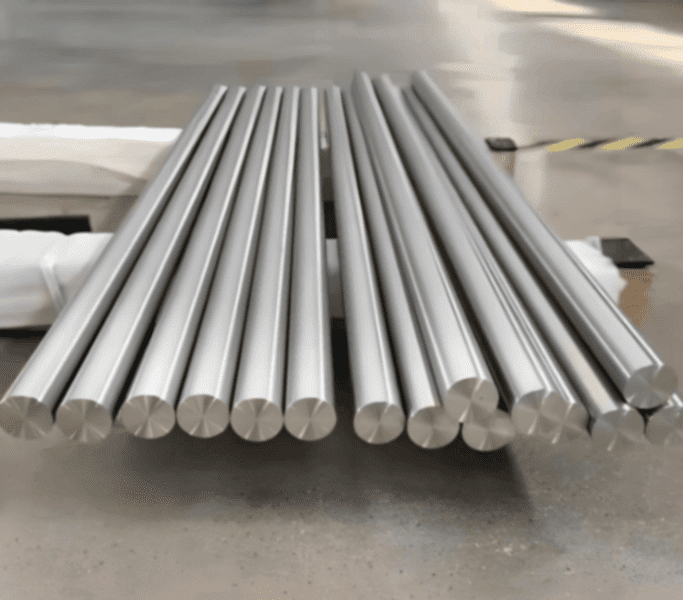
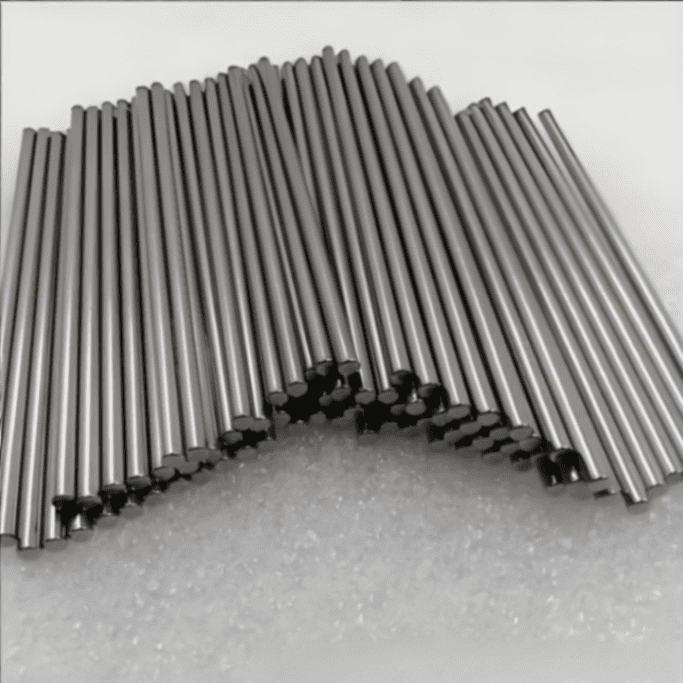
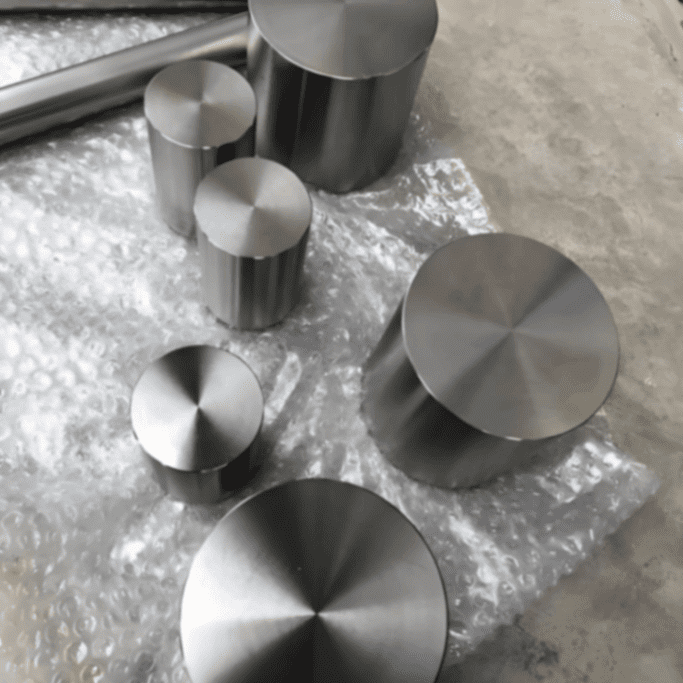
When buyers look for Inconel 625 round bar suppliers, the real questions are usually very practical: who actually makes the material, who keeps stock, what sizes are available right now, how price is built up, and whether custom machining or tight-tolerance supply is possible without a long wait. Inconel 625 is a high-value nickel alloy, so purchasing decisions are rarely based on price alone. Stock condition, certification, surface finish, dimensional accuracy, and lead time all affect whether the material is suitable for the job. For machining shops, project contractors, and distributors, it is important to understand how the supply chain works before placing an order.
In the Inconel 625 round bar market, suppliers generally fall into three practical categories. The first is the production-type supplier, such as a mill, integrated alloy producer, or large forging plant. These suppliers are closer to the original manufacturing source. They are usually stronger in larger size ranges, forged bars, custom melting schedules, and non-standard dimensions. If a buyer needs heavy diameter bar, special heat treatment, or project-based production with traceable raw material and full mill certification, this type of supplier is usually the starting point.
Production-type supply is especially useful when the material is not a routine stock item. For example, if the required diameter is outside normal stock range, or the customer needs forged round bar in short lengths for heavy machining, a mill or large forging source is usually more suitable than a stockist. These suppliers can also support wider processing routes, including hot rolling, forging, solution annealing, rough turning, ultrasonic testing, and special inspection requirements. The trade-off is that lead time is often longer, especially for custom melt or non-standard section size.
The second category is the distribution-type supplier, meaning stockholders and inventory-based sellers. These companies are useful when the buyer wants quick delivery of common diameters and does not want to wait for a production run. In practice, many urgent maintenance or replacement orders are filled through this channel. A stock supplier may not offer the full diameter range of a mill, but they are often better for immediate shipment, small quantities, and mixed-size orders.
For many customers, stock supply works best when the material requirement is straightforward: standard Inconel 625 round bar, common diameter, standard solution annealed condition, normal surface finish, and standard certificate package. If the job is time-sensitive, a stockist can save several weeks. But buyers still need to check whether the bar is truly from the required heat, whether the certificate matches the marking, and whether the actual stock condition is hot rolled, turned, ground, or polished. Inventory availability alone does not guarantee that the bar fully matches the drawing or project specification.
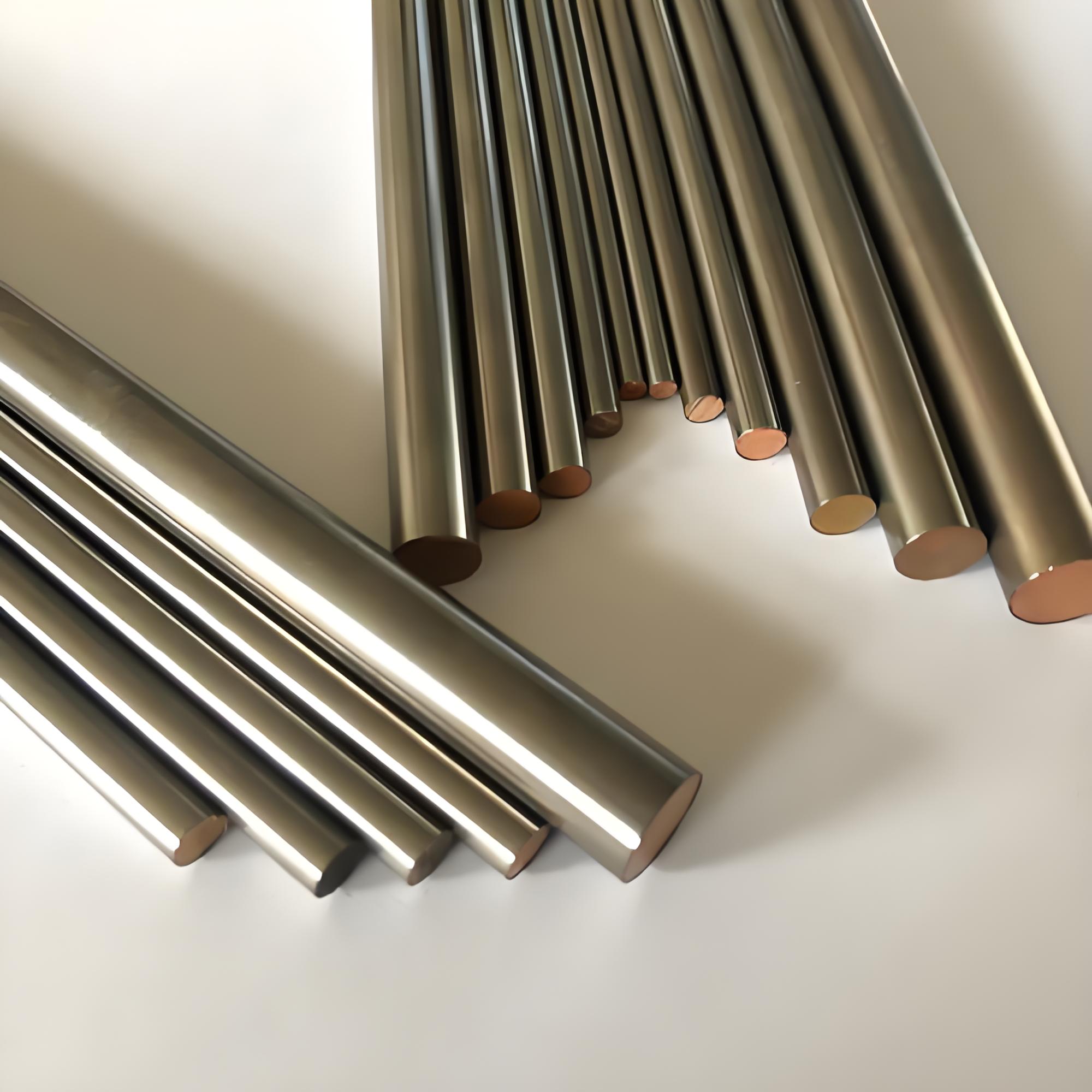
The third category is the authorized agency or brand-channel route. In the nickel alloy business, some buyers prefer material from recognized branded production systems because their project documents or end users are more comfortable with those sources. In these cases, the supplier may be a channel partner rather than the original producer. The practical advantage is traceability to an accepted production source. The downside is that cost is often higher, and size flexibility may be more limited if the stock program is narrow.
Shanghai NC Metal Materials Co., Ltd. can function in a practical middle position that many buyers actually need: supporting both standard industrial supply and custom alloy bar orders, while coordinating stock sizes, custom processing, and documentation. For procurement teams, this type of support matters more than labels like “trader” or “factory” because the real issue is whether the supplier can deliver the right diameter, the right finish, the right paperwork, and the right lead time.
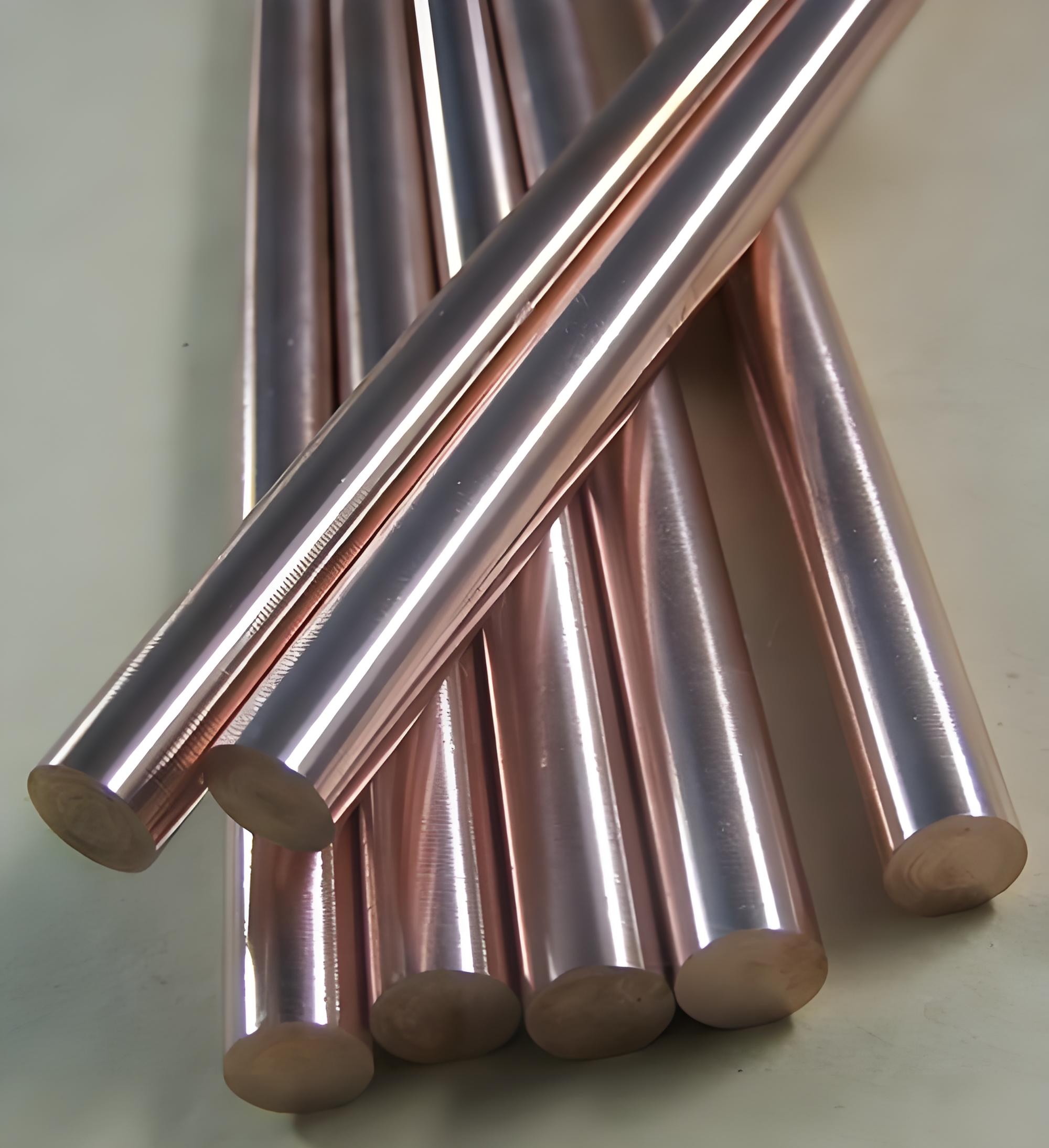
As for supply forms, Inconel 625 round bar is commonly offered as hot rolled bar, forged bar, rough turned bar, bright bar, centerless ground bar, and polished bar. Each form serves a different purchasing purpose. Hot rolled bar is often selected for cost efficiency and larger machining allowance. Forged bar is used for big diameters or heavy-section parts. Bright and ground bars are more suitable for precision machining and better dimensional control. A good supplier should explain these differences clearly, because many buyers ask for “round bar” without yet deciding which product form is the best fit.
In the current market, the most common stock range for Inconel 625 round bar is around φ10 mm to φ200 mm. This range covers the majority of machining applications, including shafts, sleeves, valve stems, bolting blanks, pump parts, spacers, and sealing components. Bars below φ10 mm do exist, but they are more often supplied as cold drawn precision rods or special production items rather than regular warehouse stock. Bars above φ200 mm are usually possible, but they are less likely to be held in stock in large quantities because of alloy cost, weight, and slower turnover.
Stock length is another point buyers should confirm early. The most common stock lengths are 3 to 4 meters fixed length or random mill lengths within a similar range. This is standard for many nickel alloy warehouses because it balances storage efficiency, transport practicality, and customer cutting needs. If the buyer needs exact cut pieces, this can usually be arranged, but it should not be assumed that every stock bar is already in final cut length. When the material is expensive, even small differences in length can affect usage rate and scrap cost.
Surface condition is one of the most common sources of misunderstanding in procurement. Inconel 625 round bar may be supplied with black surface, turned bright surface, ground surface, or polished surface. Black surface usually means hot worked condition with oxide scale or heat-treatment skin still present. It is acceptable for many large machined parts where the outside layer will be removed anyway. Turned bright bars have a cleaner and more uniform outer surface because the skin has been mechanically removed. Ground bars offer tighter diameter control and improved finish. Polished bars are usually chosen for applications where lower roughness, cleaner appearance, or reduced surface contamination is important.
Most stock material is supplied in solution annealed condition. This is the most widely accepted heat treatment state for Inconel 625 round bar because it supports the alloy’s intended corrosion resistance and good workability. From a purchasing point of view, this is important: if the customer does not state another condition clearly, solution annealed is the usual default for industrial bar supply. Buyers should avoid vague wording like “annealed” unless the actual project requirement is fully understood, because in nickel alloys, heat treatment language should be accurate.
In real procurement, common specification requests combine several details in one line. A typical inquiry may include alloy grade, diameter, length, surface finish, heat treatment condition, and documentation level. For example, a buyer may ask for Inconel 625 round bar in φ50 mm, solution annealed, turned or ground, with MTC and EN 10204 3.1 certificate. This is much better than simply asking for “625 bar price,” because it gives the supplier enough information to confirm whether the stock is truly suitable.
Stock status also changes fast because nickel alloys move in irregular but high-value batches. A supplier may have one diameter available today and not next week. That is why serious buyers usually ask for both current stock and alternative production options. If φ60 mm is not available, perhaps φ65 mm or φ70 mm can be supplied faster and still work with the machining plan. A flexible discussion often saves more time than waiting for the exact ideal size.
Inconel 625 round bar pricing is influenced first by raw material cost. Nickel is the main base metal in the alloy, but molybdenum and chromium also play a major role in total cost. When nickel and molybdenum prices move sharply, the bar price moves with them. This is why alloy quotations sometimes change even when the requested size and quantity stay the same. In projects that run for several months, buyers often see price differences between inquiry stages simply because the underlying metal market has shifted.
Size and tolerance are the next major factors. Small-diameter bars are not always cheaper on a per-kilogram basis. In fact, small precision bars often cost more because cold drawing, straightening, centerless grinding, and closer inspection add processing cost. A φ12 mm precision ground bar can be more expensive per kilogram than a φ100 mm hot rolled bar, even though the smaller bar uses less material per piece. What matters is not just the metal weight, but how much processing is needed to achieve the final specification.
Surface finish also directly affects price. Black hot rolled surface is generally the lowest-cost route because it requires the least finishing. Turned bright bars add machining cost. Centerless ground bars add more because they require precision finishing and dimensional control. Polished bars can cost even more depending on the roughness target and handling requirements. For buyers comparing quotations, it is important to make sure the same surface condition is being quoted by each supplier. Otherwise, one quote may look cheaper simply because it is based on rougher material.
Order quantity has a clear effect as well. Bulk purchasing usually gives better unit pricing because setup cost, handling cost, and certification cost are spread over more material. Retail or small-lot purchasing is usually more expensive per kilogram, especially for cut pieces or low-volume diameters. This is common in nickel alloys because stockholding cost is high. A supplier carrying Inconel 625 inventory ties up significant capital, so small-quantity sales often include a higher margin to cover storage and handling.
Certification and inspection requirements also add cost. Standard mill test certificates are usually part of normal supply, but if the buyer needs EN 10204 3.1, EN 10204 3.2, third-party witness inspection, PMI, ultrasonic testing, or special packaging and marking, the price will increase. These are real service costs, not just paperwork charges. For example, third-party inspection from SGS, BV, or ABS may involve appointment time, coordination, documentation review, and sometimes witness testing, all of which affect the final quote.
Below is a simple market reference for industrial purchasing. These numbers vary by diameter, finish, quantity, and market timing, so they should only be treated as a rough guide.
| Supply type | Reference price | Note |
| Hot rolled / forged round bar | USD 28–48/kg | Price only for reference |
| Bright ground / polished bar | USD 40–70/kg | Price only for reference |
Another hidden pricing factor is yield loss. If the customer orders an oversized bar and machines away a large amount of expensive alloy, the actual material cost of the finished part rises sharply. In some cases, paying more for a closer-to-finish custom diameter is cheaper overall than buying a lower-priced oversized stock bar. This is why experienced buyers look at total use cost, not just quote price per kilogram.
Longer-term orders can sometimes support quarterly or annual price agreements. This is especially useful when a buyer has repeat demand for a stable range of diameters. Instead of requesting spot pricing every time, the customer and supplier can agree on a formula or locked range for a fixed period. In a volatile alloy market, this helps both sides plan more realistically.
Custom sizing is one of the biggest reasons buyers do not rely only on stock. Inconel 625 round bar can often be supplied outside normal stock diameters, roughly from φ5 mm up to φ500 mm or larger depending on the production route. Small diameters are generally made through drawing or precision finishing, while large diameters are more often produced by forging. The key point is that custom size availability depends on how the material will be manufactured, not just on whether the alloy itself exists.
For buyers who want less machining waste, custom diameter supply can be very helpful. If the final part is close to a non-standard intermediate size, ordering a nearer finished bar dimension can reduce tool wear, machining time, and material scrap. This matters more in Inconel 625 than in standard stainless grades because the alloy is expensive and relatively difficult to machine. Even a small reduction in stock allowance can improve total production cost.
Cut-to-length service is another common custom request. A tolerance of ±1 mm is often achievable for saw-cut or precision-cut bar pieces, depending on diameter and quantity. This service is useful for CNC production, forged part preforms, and customers who want to reduce cutting work in-house. It also makes warehouse handling easier, especially for short parts or export packing where full commercial length is not practical.
Precision ground bar with h6 or h7 tolerance is normally requested for shafts, guides, bushings, and other dimension-sensitive components. In these cases, the customer is usually less concerned about low purchase price and more concerned about consistent diameter, roundness, and straightness. This kind of supply requires more processing and inspection, so the lead time is longer than standard black or turned bar. Still, for precision machining operations, it can save enough time to justify the extra cost.
Custom processing may also include step shafts, local flat machining, drilled holes, chamfering, or other semi-finished machining work. Strictly speaking, once the bar is partially machined, it becomes more like a near-net preform than a standard bar product. But many industrial buyers prefer this route because it reduces workshop time and improves consistency, especially when the supplier already understands the alloy behavior. Nickel alloys are not always easy to machine, so pre-processing at supply stage can be a practical value-added service rather than an unnecessary extra.
For large diameters, forged round bar is usually the right route for custom orders. For small diameters with tight tolerance, cold finishing and grinding are more realistic. Buyers should not assume that all dimensions are equally easy to make. The manufacturing route affects lead time, mechanical property uniformity, and cost. A good custom order discussion should therefore include not just the requested diameter, but also the intended final application and whether the bar will be fully machined afterward.
Shanghai NC Metal Materials Co., Ltd. can support custom discussions more effectively when the inquiry includes basic technical information at the start: requested diameter, final use, tolerance class, cut length, surface finish, certification level, and whether further machining is needed. The more complete the request, the easier it is to determine whether stock modification, custom rolling, forging, or precision grinding is the best route.
The first thing buyers should ask for is the material test certificate. For Inconel 625 round bar, the MTC is the basic document used to verify that the heat chemistry matches UNS N06625 requirements. This is not a minor formality. In high-value nickel alloys, material substitution risk is too costly to ignore. The certificate should show heat number, chemical composition, and relevant mechanical properties or test data based on the applicable supply condition.
When reviewing the certificate, buyers should check whether the alloy chemistry is consistent with Inconel 625 expectations, especially nickel, chromium, molybdenum, and niobium content. If the bar is intended for a controlled project, the specification reference should also be reviewed carefully. A material labeled only as “nickel alloy” is not enough. The documentation should make the UNS N06625 identity clear.
It is also important to confirm whether third-party inspection is included in the quotation or not. In some projects, SGS, BV, or ABS inspection is mandatory; in others, it is optional but preferred. Buyers should not assume it is already included. If third-party inspection is required, it should be written into the order at the beginning, otherwise the supplier may quote only standard mill documentation and later add extra cost for outside inspection support.
Lead time comparison is another key purchasing point. If the material is in stock, shipment can usually be arranged much faster than for custom production. For custom diameters, ground bars, or bars requiring special inspection and cut processing, a lead time of around 2 to 4 weeks is common in many cases, though large forged sizes or unusual specifications may take longer. The practical advice is simple: if the order is urgent, ask the supplier to quote both immediate stock alternatives and custom production options at the same time.
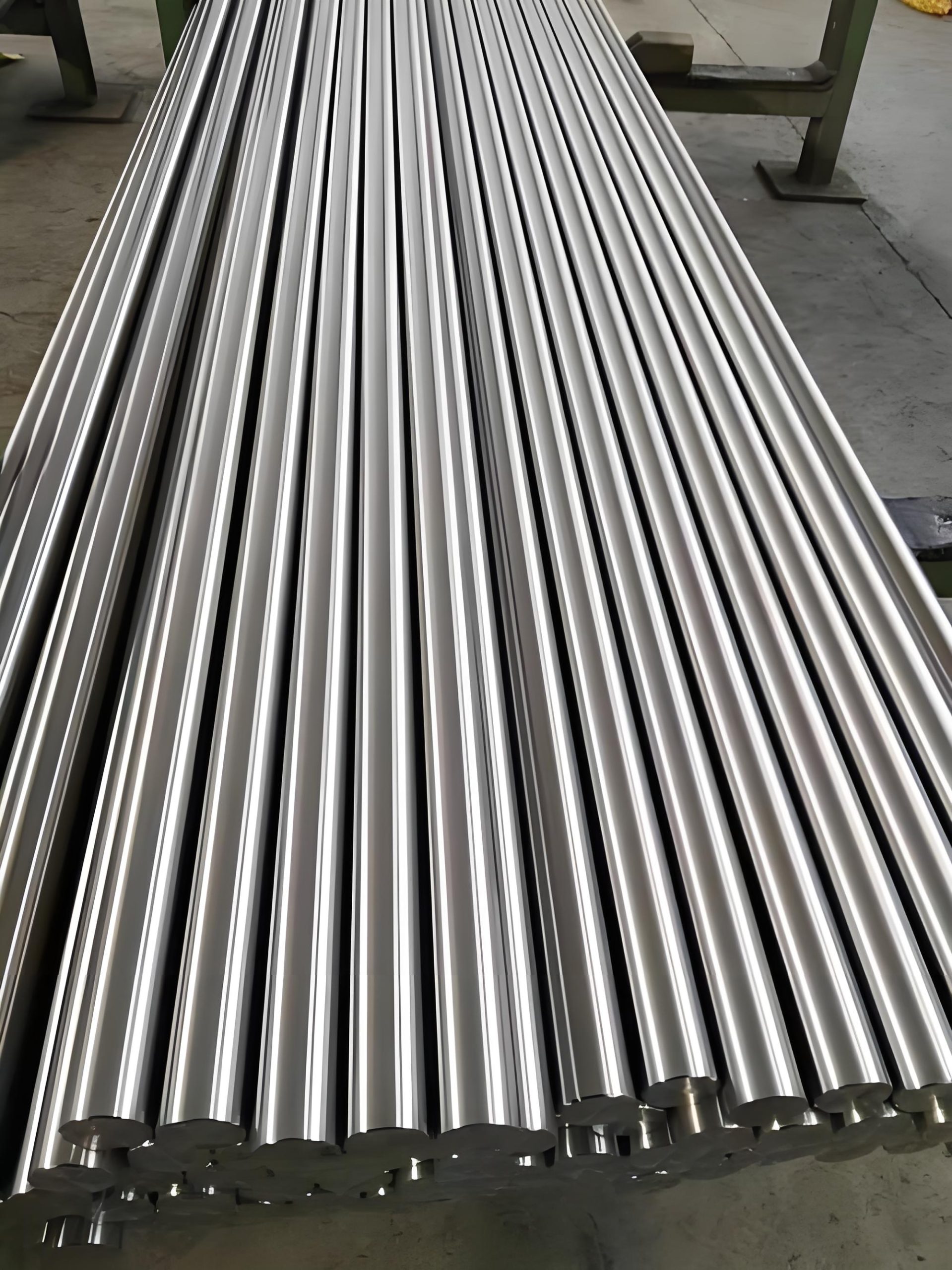
Requesting a sample or trial order is often a smart move, especially for a new supplier relationship. A small-lot trial can help the buyer confirm surface quality, actual straightness, machining behavior, certificate accuracy, and packing condition before placing a larger order. This is particularly useful when the bar will be used in high-precision machining or critical service parts where consistency matters more than unit price.
For repeated demand, long-term agreements can be a useful purchasing tool. If the customer buys Inconel 625 round bar regularly, quarterly or annual pricing agreements may help stabilize cost and secure supply. This is especially valuable in periods when nickel and molybdenum prices are volatile. Locking in a supply framework can reduce repeated negotiation and improve planning for both stock and production scheduling.
Another good habit is to compare quotations on a like-for-like basis. Buyers should confirm whether the quoted bar is hot rolled, forged, turned, or ground; whether the length is random or fixed; whether cut pieces are included; whether testing is standard or project-specific; and whether packing is export grade. A cheaper quote can become more expensive later if several necessary items were not included at the start.
Finally, buyers should think about the real application, not just the material name. If the job needs a corrosion-resistant shaft in seawater service, a precision ground solution-annealed bar may be the right answer. If the job is a large heavy machined component, a forged oversize bar may be more practical. Good purchasing decisions happen when the supplier understands what the part actually needs, not when both sides focus only on the lowest price line.
What is the stock size range for Inconel 625 round bar?
The most common stock range is usually φ10 mm to φ200 mm. These sizes cover most machining and industrial maintenance demand. Smaller precision rods and larger forged diameters are also possible, but they are more often supplied as custom orders rather than standard warehouse stock.
How much does Inconel 625 round bar cost per kg?
Market pricing changes with nickel, molybdenum, chromium, diameter, finish, quantity, and certification level. As a rough industry reference, hot rolled or forged round bar may be around USD 28–48/kg, while bright ground or polished bar may be around USD 40–70/kg. Price only for reference. Actual quotations depend heavily on specification details.
Can I order custom cut lengths and tight-tolerance Inconel 625 bars?
Yes. Custom services usually include non-standard diameters, cut-to-length supply with about ±1 mm accuracy, and precision ground bars in h6 or h7 tolerance depending on size and feasibility. Some suppliers can also support step shafts, local machining, drilling, and other semi-finished processing if the drawing and tolerance requirements are clear.
More from this category
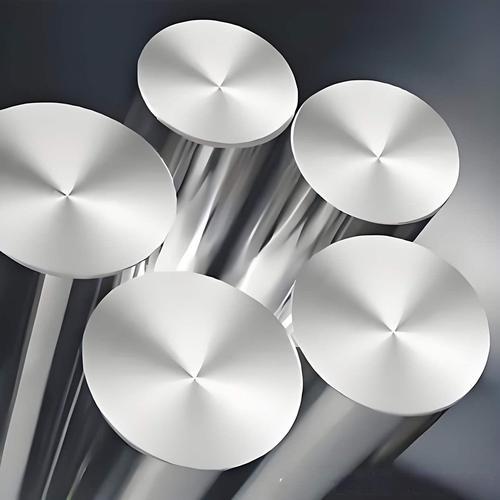
Inconel 617 alloy round bar price per kilogram is commonly about USD 45 to 90 per kg for standard industrial stock sizes. Large forged bars, small pre...
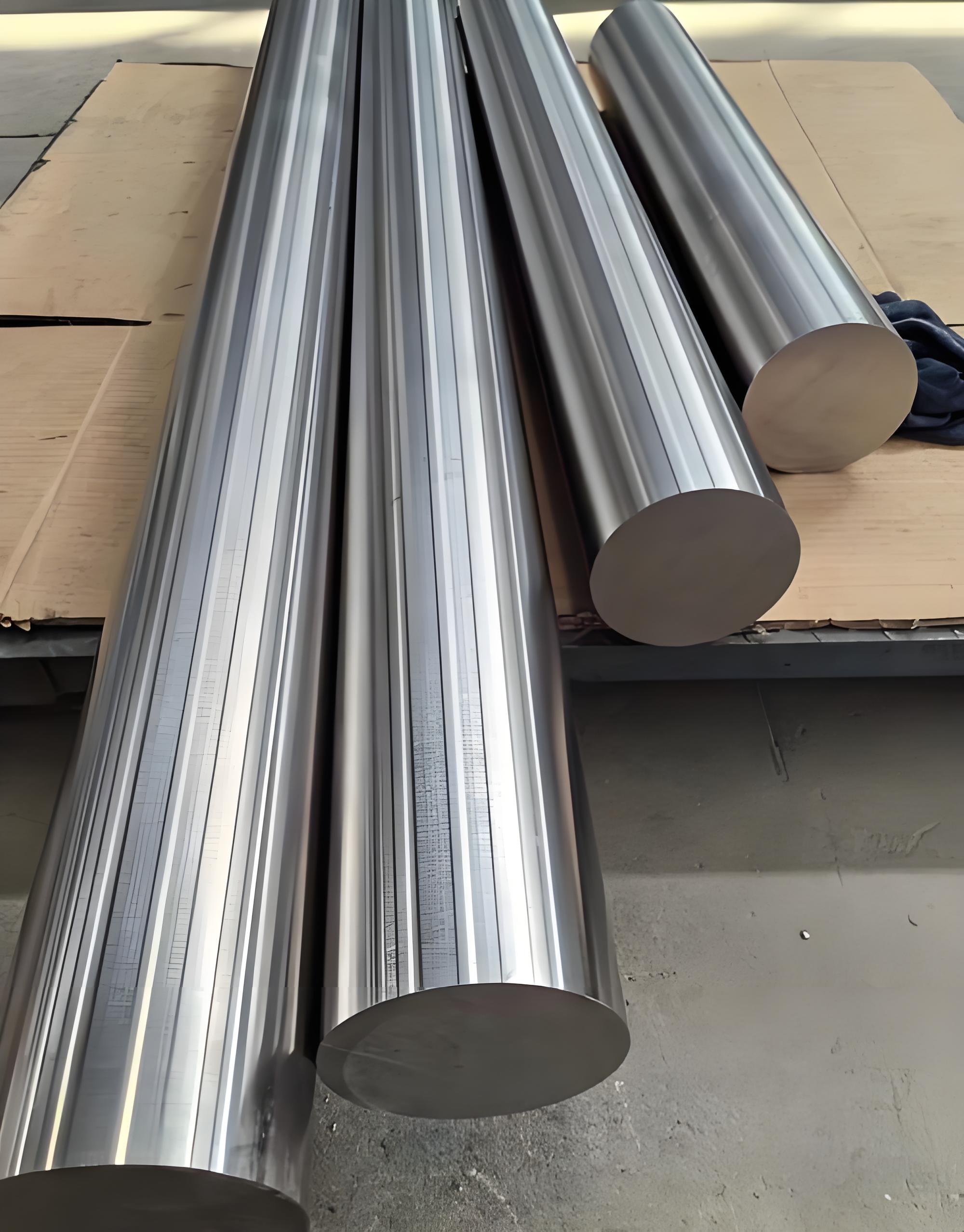
The latest Inconel 625 alloy bar price per kg depends on nickel, molybdenum, niobium, and chromium raw material costs, as well as bar diameter, manufa...
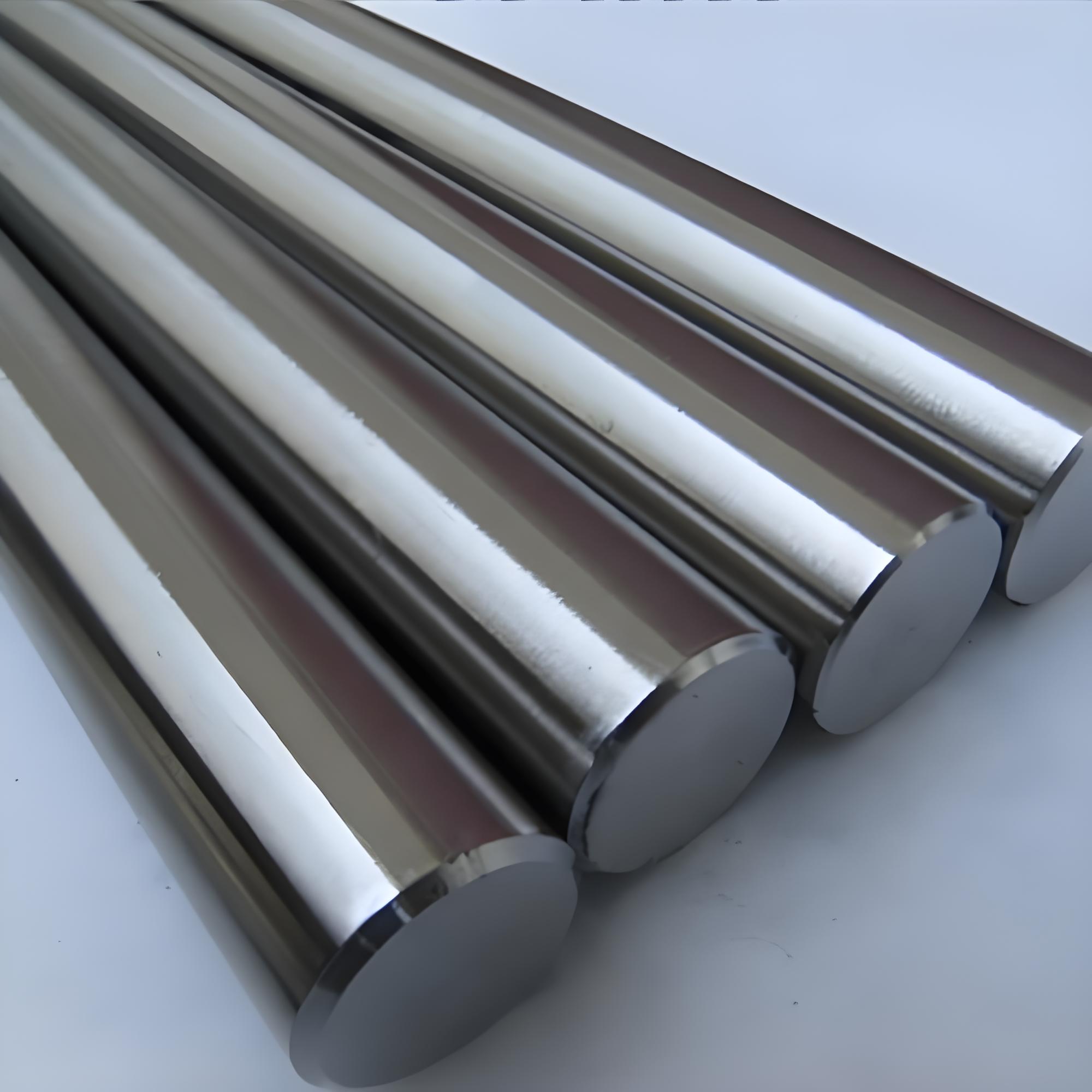
Inconel X-750 alloy bar price depends on nickel raw material cost, bar diameter, product condition, heat treatment, specification, surface finish, dim...
Inconel 602CA alloy bar price per kg is usually higher than common Inconel 600 and Inconel 601 bars because Alloy 602CA is a premium high-temperature ...
 English English
  Korean
 Arabic
 Spanish
 German
 Portuguese
 French
 Russian
 Italian
 Vietnamese