
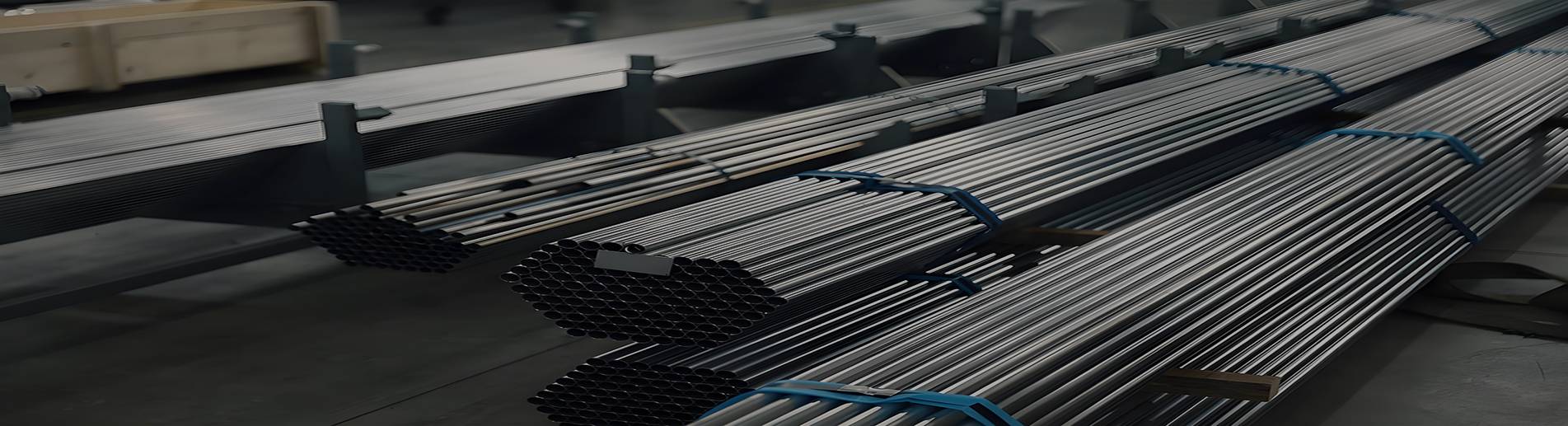
Inconel 617 alloy round bar price per kilogram
Inconel 617 alloy round bar price per kilogram is commonly about USD 45 to 90 per kg for standard industrial stock sizes. Large forged bars, small pre...
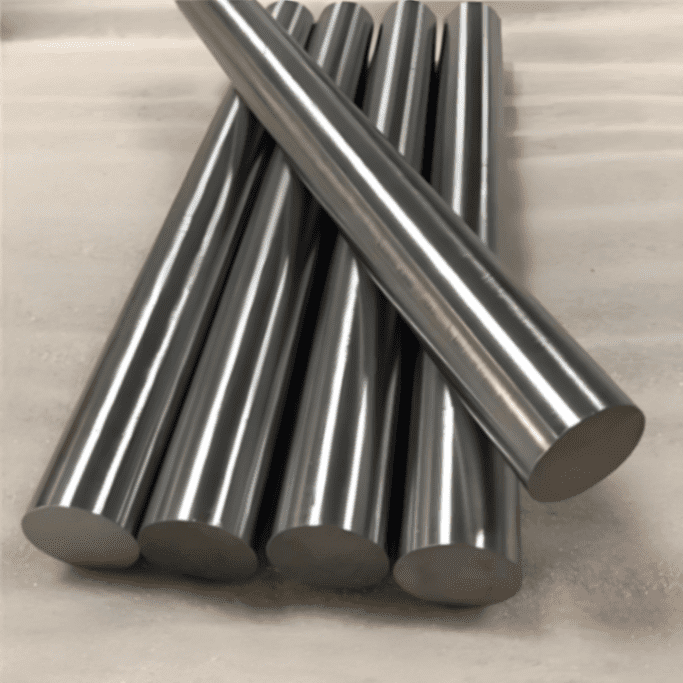
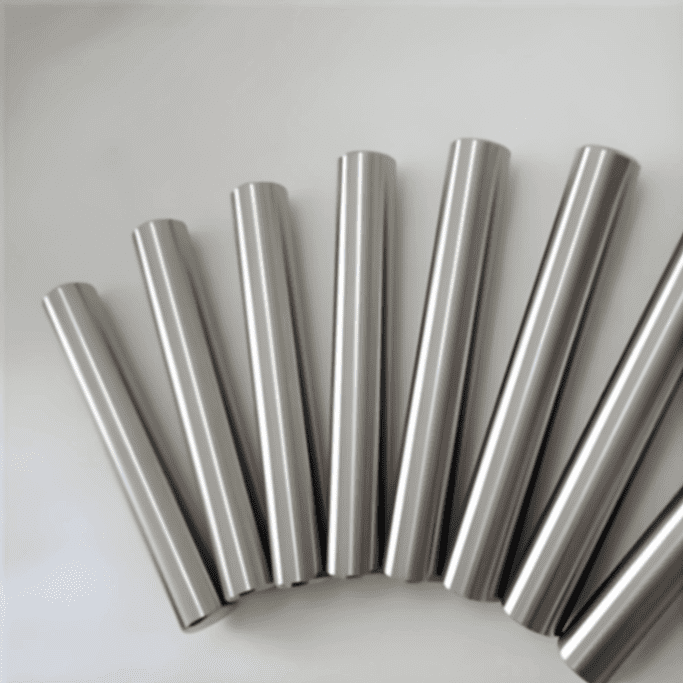
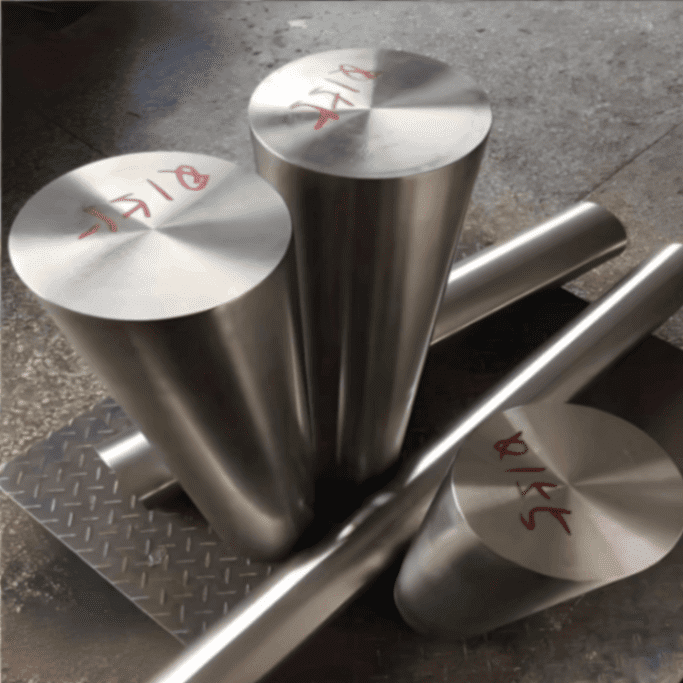
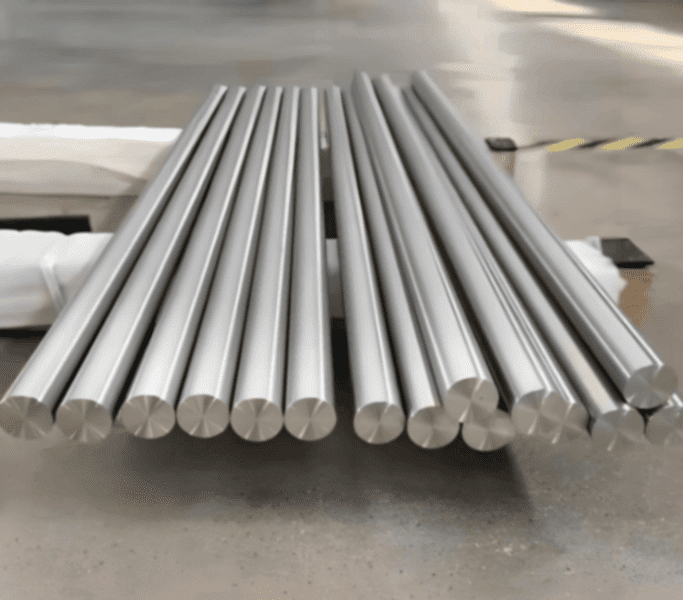
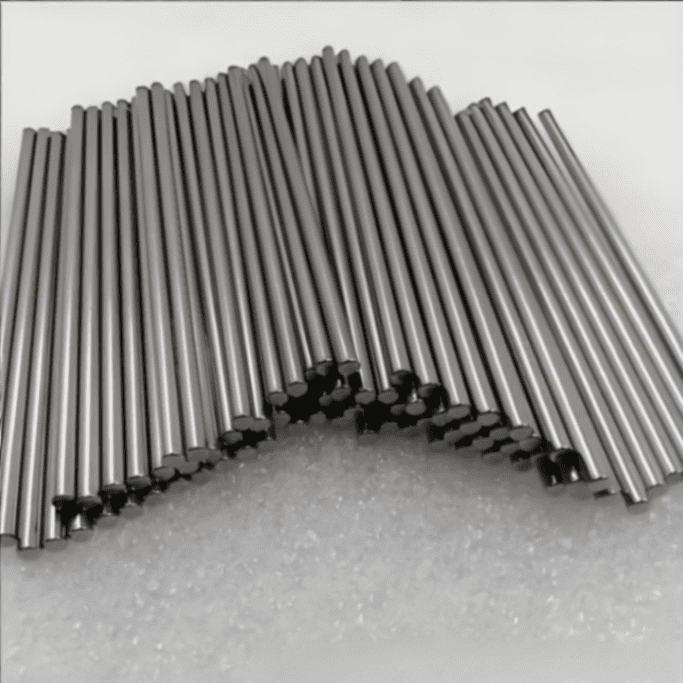
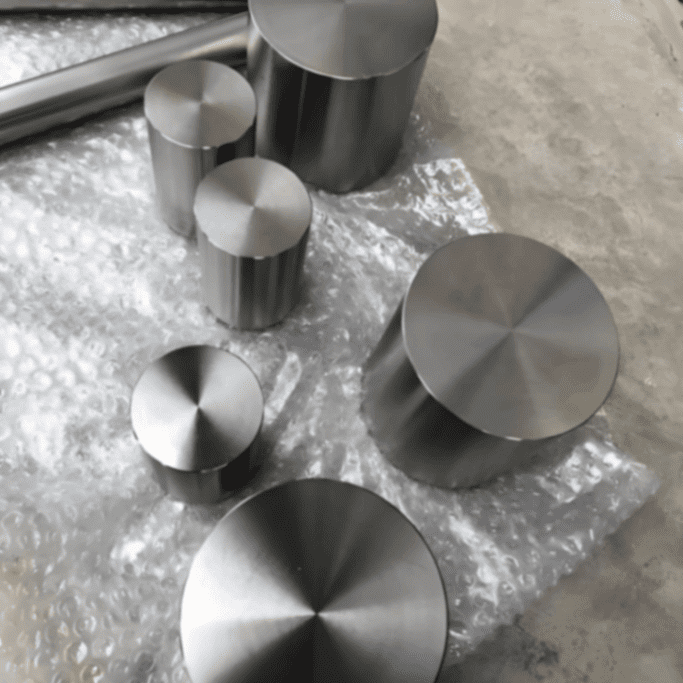
Inconel 625 round bar with Inconel 718, These two nickel-based alloys are often grouped together because both offer strong oxidation resistance, good high-temperature performance, and broad industrial use. But in actual engineering, they solve different problems. Inconel 625 is usually chosen for corrosion resistance, weldability, and easier fabrication. Inconel 718 is usually chosen when the part must carry higher stress, especially at elevated temperature, and when precipitation hardening can be used to push the strength much higher. For purchasing, machining, and design teams, understanding the difference at the chemistry level is the shortest path to making the right material decision.
The most important difference between Inconel 625 and Inconel 718 round bar is their alloy design philosophy. Inconel 625 is mainly a solid-solution strengthened alloy. Its performance comes from a high nickel base combined with relatively high chromium and a notably high molybdenum content. Inconel 718, by contrast, is designed as a precipitation-hardening alloy. It still has a nickel-chromium base, but its chemistry is adjusted to allow age hardening, which is why its niobium content is higher and its iron content is much higher than 625.
Nickel content is the first clear difference. Inconel 625 typically contains at least 58.0% nickel, while Inconel 718 is usually in the 50.0% to 55.0% range. That means 625 has a more nickel-rich matrix, which helps its corrosion resistance and general stability in aggressive environments. Higher nickel is one reason 625 is often favored in chemical processing, offshore, and marine service.
Chromium content is also slightly higher in 625. Inconel 625 usually contains 20.0% to 23.0% chromium, while 718 is around 17.0% to 21.0%. Both alloys benefit from chromium for oxidation resistance and passivation, but 625 generally has a small edge in strongly oxidizing and mixed corrosion conditions because of the combined effect of chromium plus molybdenum.
Molybdenum is where the gap becomes much more meaningful. Inconel 625 contains roughly 8.0% to 10.0% molybdenum, while Inconel 718 contains only about 2.80% to 3.30%. This is a major reason why 625 performs better against pitting and crevice corrosion, especially in chloride-rich environments. In practical terms, if the round bar will be machined into parts for seawater service, wet scrubbers, sour gas systems, or chemical plant hardware, this high molybdenum content gives 625 a real advantage.
Niobium plus tantalum content tells another part of the story. Inconel 625 usually contains about 3.15% to 4.15% Nb+Ta, while Inconel 718 contains around 4.75% to 5.50%. In 718, niobium is especially important because it supports precipitation hardening and contributes to the formation of strengthening phases during aging treatment. That is one of the main metallurgical reasons 718 can achieve much higher strength after heat treatment.
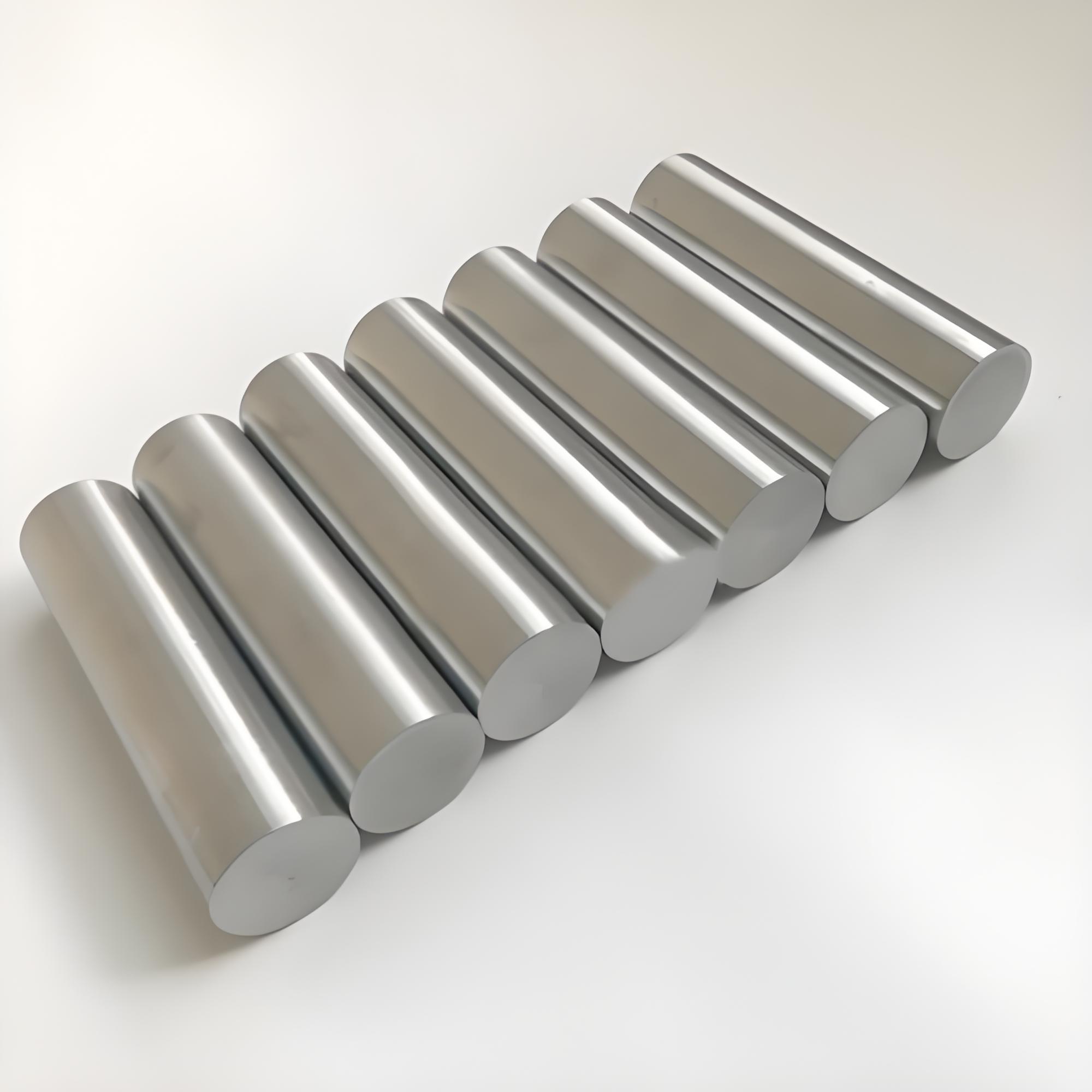
Iron content is one of the easiest ways to separate the two alloys on a cost and application basis. Inconel 625 limits iron to 5.0% maximum, while Inconel 718 uses iron as the balance element, typically around 17% to 21%. This high iron level helps reduce raw material cost in 718, but from a corrosion standpoint, it also means 718 is usually not the first choice when the operating medium is highly reducing or chloride-heavy.
So if we simplify the chemistry in one line: 625 is built around corrosion resistance and fabricability, while 718 is built around strength through heat treatment. That single difference explains most of what follows in mechanical behavior, welding response, and final material selection.
From a strength standpoint, Inconel 718 round bar is usually ahead of Inconel 625, especially after proper solution treatment and aging. This is the most important mechanical difference for engineers who are designing highly loaded components. In the aged condition, 718 develops significantly higher tensile and yield strength because of precipitation hardening. Inconel 625 does not rely on the same age-hardening mechanism, so its strength level is more moderate and stable, but not as high as 718.
In practical procurement terms, this means that if a designer is trying to reduce section size while maintaining high load capacity, 718 often becomes the preferred choice. Parts such as turbine fasteners, shafts, discs, and high-stress springs often benefit from the higher strength of 718. In contrast, 625 is often selected where design stress is lower but environmental resistance and manufacturing convenience are more important.
At elevated temperature, especially in the range of about 650°C to 700°C, 718 also performs better in creep resistance and stress-rupture strength. This is one of the main reasons why it is so widely used in aerospace and gas turbine hardware. If the part needs to carry a sustained load for a long time at elevated temperature, 718 generally provides a stronger safety margin than 625.
That said, strength is not the only mechanical property that matters. Inconel 625 usually offers better ductility and toughness, and it responds better to cold working. This makes it attractive for round bar applications that require subsequent drawing, forming, spinning, or cold rolling. It also tends to be more forgiving during shop fabrication. If a shop needs to machine, bend, or fabricate parts with less risk of cracking or process instability, 625 is often easier to work with.
Hardness of the two alloys can look fairly close in some delivery conditions, but aged 718 generally ends up slightly harder than 625. This is expected because the aging treatment increases strength and hardness together. However, from a machining point of view, higher hardness is not always an advantage. It can mean more tool wear, more strict cutting control, and higher machining cost.
So the mechanical comparison is fairly straightforward. If the application is driven by maximum tensile strength, elevated-temperature load-bearing capability, and creep resistance, 718 is usually the stronger engineering solution. If the application needs a more balanced property set with better ductility, better cold workability, and easier general fabrication, 625 often makes more sense.
Both Inconel 625 and Inconel 718 are corrosion-resistant nickel alloys, but they do not perform at the same level in all environments. In most corrosion-focused comparisons, Inconel 625 comes out ahead. The reason is mainly its chemistry: higher nickel, higher chromium, and much higher molybdenum. That combination gives it stronger protection against localized corrosion, especially pitting and crevice attack.
In chloride-bearing service, the difference becomes more visible. Inconel 625 is generally more suitable for seawater, marine splash zones, offshore equipment, desalination systems, and chloride-rich processing lines. The high molybdenum content helps it resist breakdown of the passive film in tight crevices or under deposits. For parts made from round bar, such as shafts, valve stems, connectors, fasteners, and pump components exposed to chlorides, 625 is often the safer material choice.
In seawater specifically, engineers usually trust 625 more than 718 when long-term corrosion is the controlling factor. That does not mean 718 is poor; it still offers good resistance compared with many stainless steels. But when the environment combines salt, stagnant crevices, and temperature fluctuation, 625 has the stronger reputation and the wider service record.
For high-temperature oxidation, both alloys perform very well. In many furnace, exhaust, and hot gas environments, either alloy can provide strong oxidation resistance. Even so, 625 is often considered slightly better overall in oxidation resistance because of its chemistry balance, particularly in applications where oxidation and corrosion act together rather than oxidation alone.
In reducing acid environments, 718 is usually a bit less resistant. Its higher iron content works against it compared with 625 in some chemical processing conditions. This is an important point for buyers in acid gas, flue gas desulfurization, and mixed-acid service. If the service fluid is chemically aggressive rather than simply hot, 625 is often chosen because it gives more corrosion margin and lower long-term risk.
So if corrosion is the first screening criterion, especially localized corrosion in chlorides or mixed aggressive media, 625 is usually the more reliable option. If corrosion is only secondary and the main requirement is high strength below around 700°C, then 718 can still be the better material overall.
From a manufacturing point of view, Inconel 625 is generally easier to forge and hot form than Inconel 718. Shops often find 625 more forgiving during thermal processing because it has better hot workability and a lower tendency toward process-related cracking. If the round bar will be converted into forged blocks, rings, flanges, or custom hot-formed parts, 625 can simplify production.
In cold working, the difference is also practical. Inconel 625 has better ductility and can be cold drawn or cold rolled more smoothly. It work hardens, of course, like other nickel alloys, but it remains more manageable than 718 in many fabrication routes. Inconel 718 can also be cold worked, but intermediate annealing is often needed to restore ductility and keep the process stable. That adds time and cost.
Welding is one of the strongest advantages of 625. It is widely recognized for good weldability and a relatively low tendency toward weld cracking when proper procedures are used. This makes 625 a common choice for welded structures, overlays, liners, chemical vessels, and fabricated assemblies. For projects where the final component includes multiple weld joints, 625 often lowers fabrication risk.
Inconel 718 is weldable, but it is more sensitive to hot cracking and process control. Welding procedure qualification usually needs tighter control of heat input, interpass temperature, filler selection, and post-weld heat treatment route. If the part geometry is complex or if shop welding consistency is a concern, 718 is less forgiving than 625.
Heat treatment is another key difference. Inconel 625 normally requires only solution annealing to restore a suitable microstructure after hot or cold processing. That makes inventory and processing simpler. Inconel 718, on the other hand, depends on a more complex thermal route: solution treatment followed by aging to develop its full precipitation-hardened strength. If that heat treatment is not done correctly, the expected mechanical performance will not be reached.
This matters a lot for buyers because the alloy cost is only one part of total manufacturing cost. Process steps, heat treatment complexity, welding qualification, and scrap risk all affect the final part price. In many low-to-medium stress applications, 625 can be more economical in finished-component terms even if the raw material itself is more expensive.
If the first priority is corrosion resistance, Inconel 625 round bar is usually the better starting point. It is commonly selected for strong corrosive environments such as seawater systems, acidic gas handling, scrubber internals, offshore hardware, chemical pipelines, and pump-and-valve components. It is also a good fit for welded structural parts, cladding support components, and assemblies where fabrication ease matters as much as alloy performance.
625 also makes sense when the project needs good formability. If the bar will later be machined and then bent, spun, swaged, or cold formed, its better ductility can reduce manufacturing headaches. In many real factory cases, this is not a small detail. A technically acceptable alloy that is difficult to process can still become the wrong commercial choice.
Inconel 718 should be prioritized when high temperature and high mechanical loading are the main design drivers. It is widely used in gas turbine parts, turbine discs, aerospace fasteners, high-strength shafts, springs, and sealing elements that benefit from precipitation hardening. For parts operating under sustained load below about 700°C, 718 offers stronger long-term mechanical reliability than 625.
It is especially valuable when section reduction matters. Because 718 can reach higher strength after aging, engineers can often use smaller dimensions without losing load capacity. This can help in aerospace, energy, and high-performance rotating equipment where weight and strength are both important.
A simple way to select between them is to ask four questions in order. First, is corrosion the main risk? If yes, lean toward 625. Second, is high strength at elevated temperature the main risk? If yes, lean toward 718. Third, does the design involve a lot of welding or complex fabrication? If yes, 625 usually becomes more attractive. Fourth, is cost pressure high while still needing strong mechanical performance? Then 718 may offer a better balance depending on the corrosion environment.
| Selection factor | Inconel 625 | Inconel 718 |
| Strength vs corrosion | Better for corrosion, weldability, formability | Better for strength, creep, long-term load below 700°C |
| Cost vs fabrication | Higher raw material cost, easier fabrication | Lower raw material cost, more complex heat treatment and welding control |
For buyers comparing stock round bar for general industrial use, a practical rule is this: choose 625 when failure by corrosion is more likely than failure by overload; choose 718 when failure by high stress or high-temperature loading is more likely than failure by corrosion. That is usually the clearest decision path.
If a project needs support in matching bar size, delivery condition, and downstream processing route, many buyers work directly with experienced stockists or mills such as Shanghai NC Metal Materials Co., Ltd. to confirm whether the requirement is best served by solution-annealed 625 or age-hardenable 718 material. The alloy name alone is not enough; final condition matters.
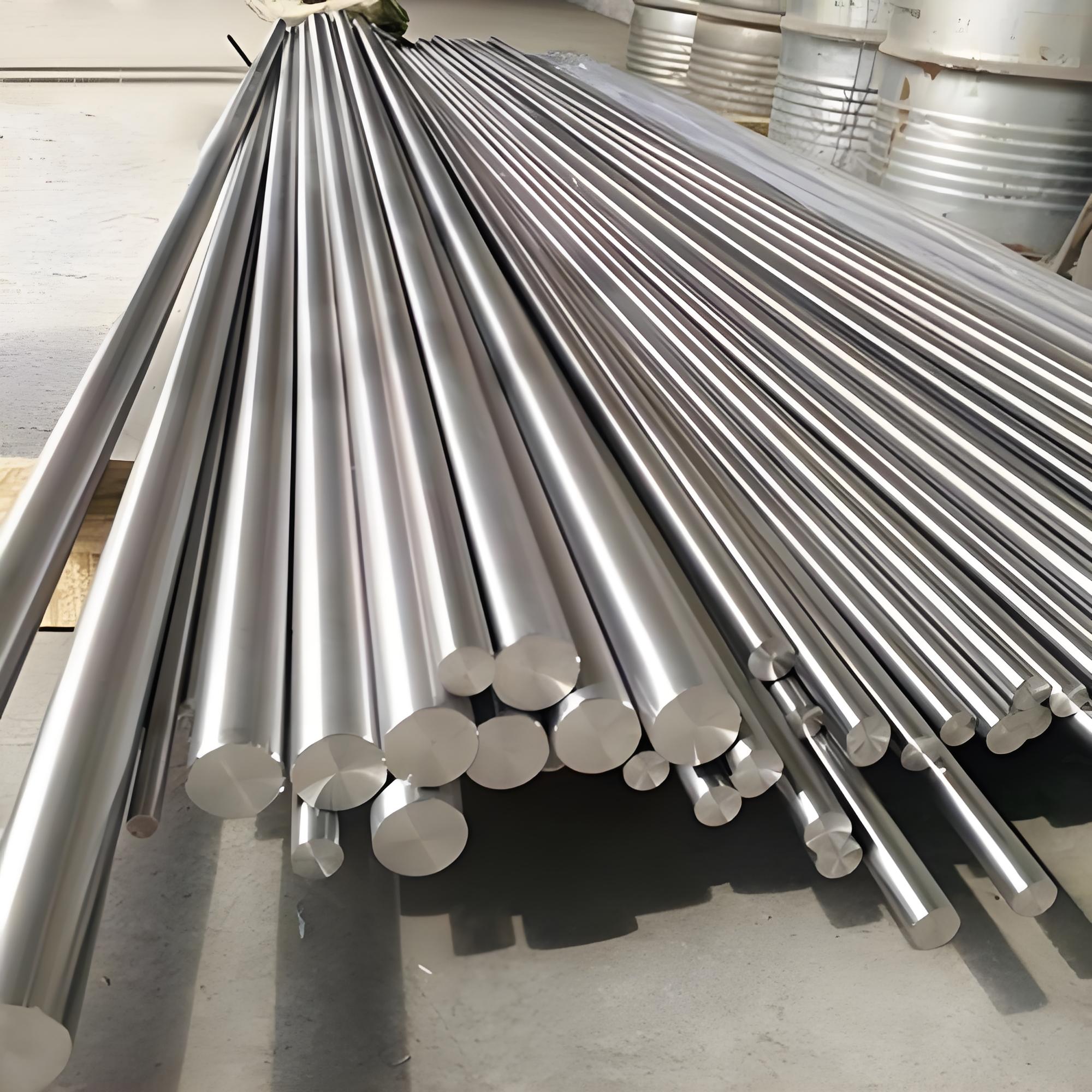
On raw material price alone, Inconel 625 is usually more expensive than Inconel 718. The reason is mainly its higher nickel content and much higher molybdenum content. Both nickel and molybdenum are major cost drivers in the alloy market, so when those elements go up, 625 is affected more directly.
Inconel 718 generally has a price advantage because its iron content is much higher and iron is far less expensive than nickel or molybdenum. For buyers who are comparing bar stock on a per-kilogram basis, 718 often looks more economical at the purchasing stage.
As a broad industry reference, Inconel 625 round bar may often fall in the range of about USD 28 to 45 per kg, while Inconel 718 round bar may often be around USD 22 to 38 per kg, depending on bar diameter, mill source, certification level, quantity, and market movement. Prices are for reference only.
However, the lower raw material cost of 718 does not always mean lower finished-part cost. If the component needs strict aging treatment, tighter welding control, extra machining effort, or more process qualification, the total manufacturing cost can rise. On the other side, even though 625 is usually more expensive per kilogram, it can reduce overall cost in corrosion-driven and fabrication-heavy projects because it is easier to weld and often easier to form.
In terms of availability, both 625 and 718 round bar are common in the nickel alloy market, especially in standard diameters. Inconel 718 is particularly widespread because of its heavy use in aerospace and high-performance industrial applications. Inconel 625 is also widely stocked due to demand from chemical processing, marine, oil and gas, and pollution-control sectors. So from a supply-chain perspective, both are generally obtainable, but lead time can vary depending on diameter, testing requirements, and whether the order is for standard stock or forged custom bar.
For procurement teams, the best approach is to compare not only the bar price, but also heat treatment route, machining allowance, corrosion life, welding cost, and inspection requirements. That gives a much more accurate picture than simply comparing the invoice price per kilogram.
Is Inconel 718 stronger than Inconel 625 round bar?
Yes. Inconel 718 is generally stronger than Inconel 625, especially after solution treatment and aging. Its precipitation-hardening mechanism gives it higher tensile strength, higher yield strength, and better creep and stress-rupture performance at elevated temperature. If the component must carry heavy load below about 700°C, 718 is usually the stronger option.
Which alloy is better for seawater service, Inconel 625 or 718?
In most cases, Inconel 625 is the better choice for seawater service. Its higher molybdenum and higher nickel content give it better resistance to pitting and crevice corrosion in chloride-rich environments. For marine shafts, fasteners, valves, connectors, and pump parts, 625 is normally preferred when corrosion life is the main concern.
Can Inconel 625 replace Inconel 718, or can 718 replace 625?
Sometimes, but not automatically. Inconel 625 can replace 718 in applications where corrosion resistance, weldability, and fabrication are more important than maximum strength. Inconel 718 can replace 625 in some cases where higher strength is needed and the corrosion environment is not too severe. The two alloys overlap in some temperature and oxidation applications, but they are not direct one-to-one substitutes because their design purpose is different.
More from this category
Inconel 617 alloy round bar price per kilogram is commonly about USD 45 to 90 per kg for standard industrial stock sizes. Large forged bars, small pre...
The latest Inconel 625 alloy bar price per kg depends on nickel, molybdenum, niobium, and chromium raw material costs, as well as bar diameter, manufa...
Inconel X-750 alloy bar price depends on nickel raw material cost, bar diameter, product condition, heat treatment, specification, surface finish, dim...
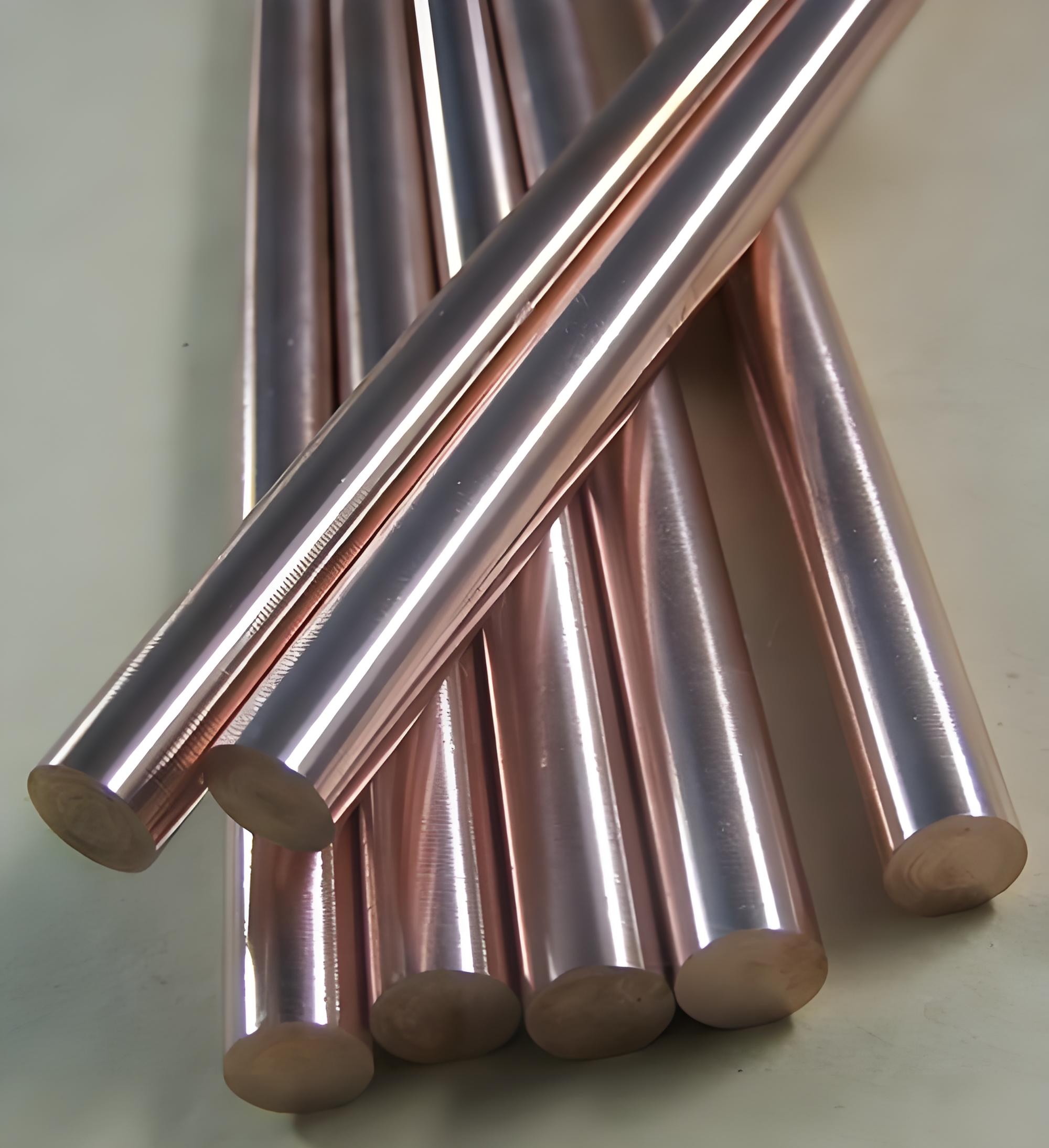
Inconel 602CA alloy bar price per kg is usually higher than common Inconel 600 and Inconel 601 bars because Alloy 602CA is a premium high-temperature ...
 English English
  Korean
 Arabic
 Spanish
 German
 Portuguese
 French
 Russian
 Italian
 Vietnamese