
Inconel 617 alloy round bar price per kilogram
Inconel 617 alloy round bar price per kilogram is commonly about USD 45 to 90 per kg for standard industrial stock sizes. Large forged bars, small pre...
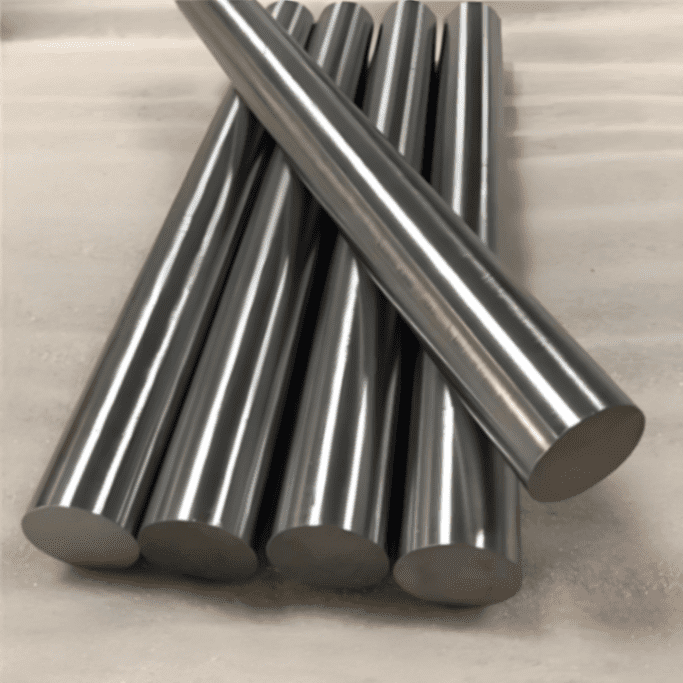
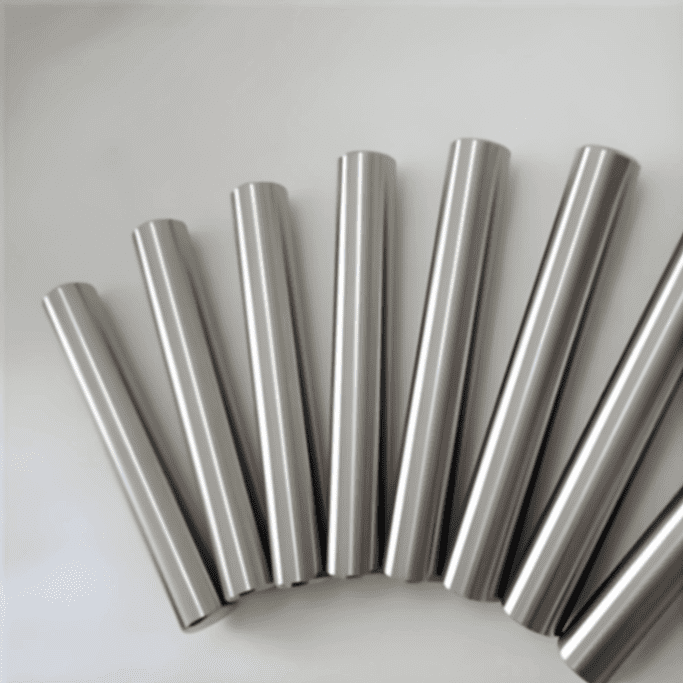
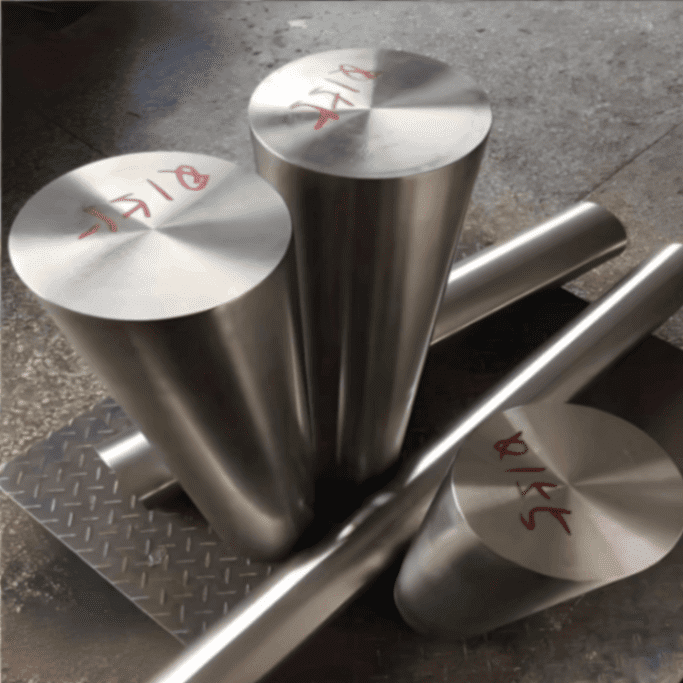
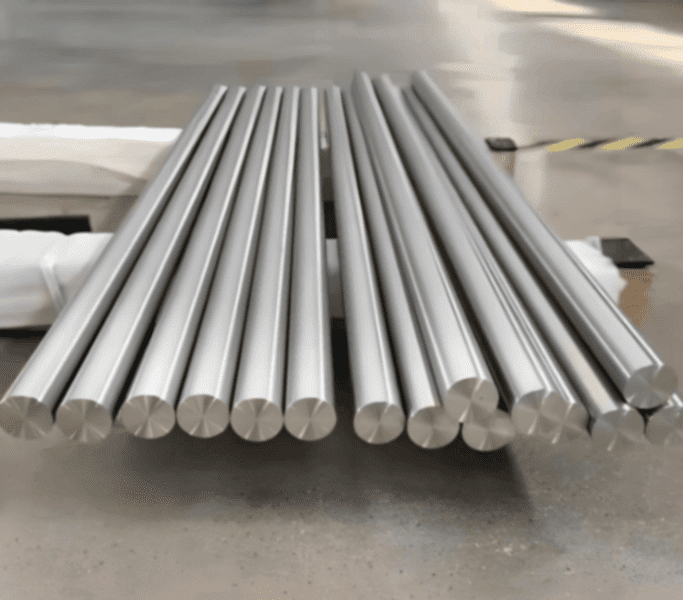
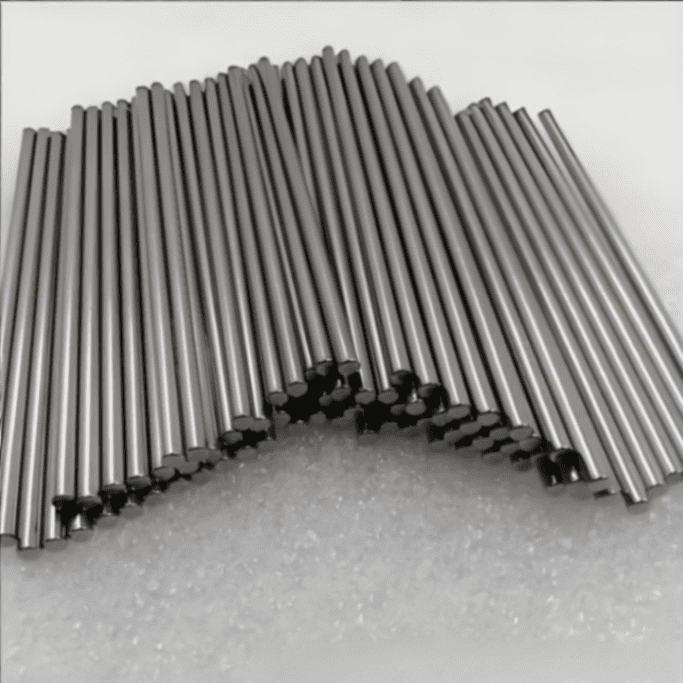
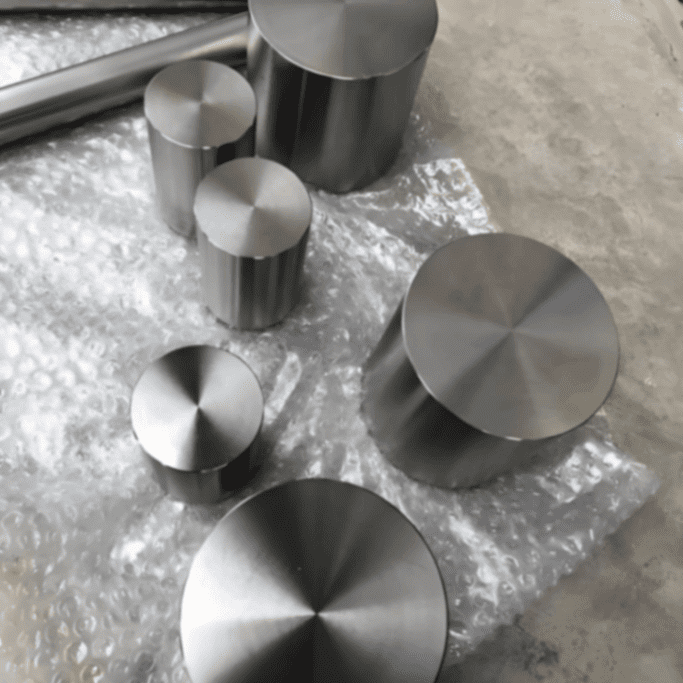
Inconel 625 round bar is one of the most commonly purchased nickel alloy bar products for parts that must work in seawater, chloride service, high-temperature process lines, and mixed corrosion environments. Buyers usually focus on a few practical points first: what sizes are actually available, which standards the bar is made to, whether the material is hot rolled, cold drawn, or forged, and how quickly a factory can supply both stock sizes and custom dimensions. For machining shops, EPC contractors, and distributors, these details matter more than broad claims, because bar selection affects machining yield, delivery time, certification, and final service life.
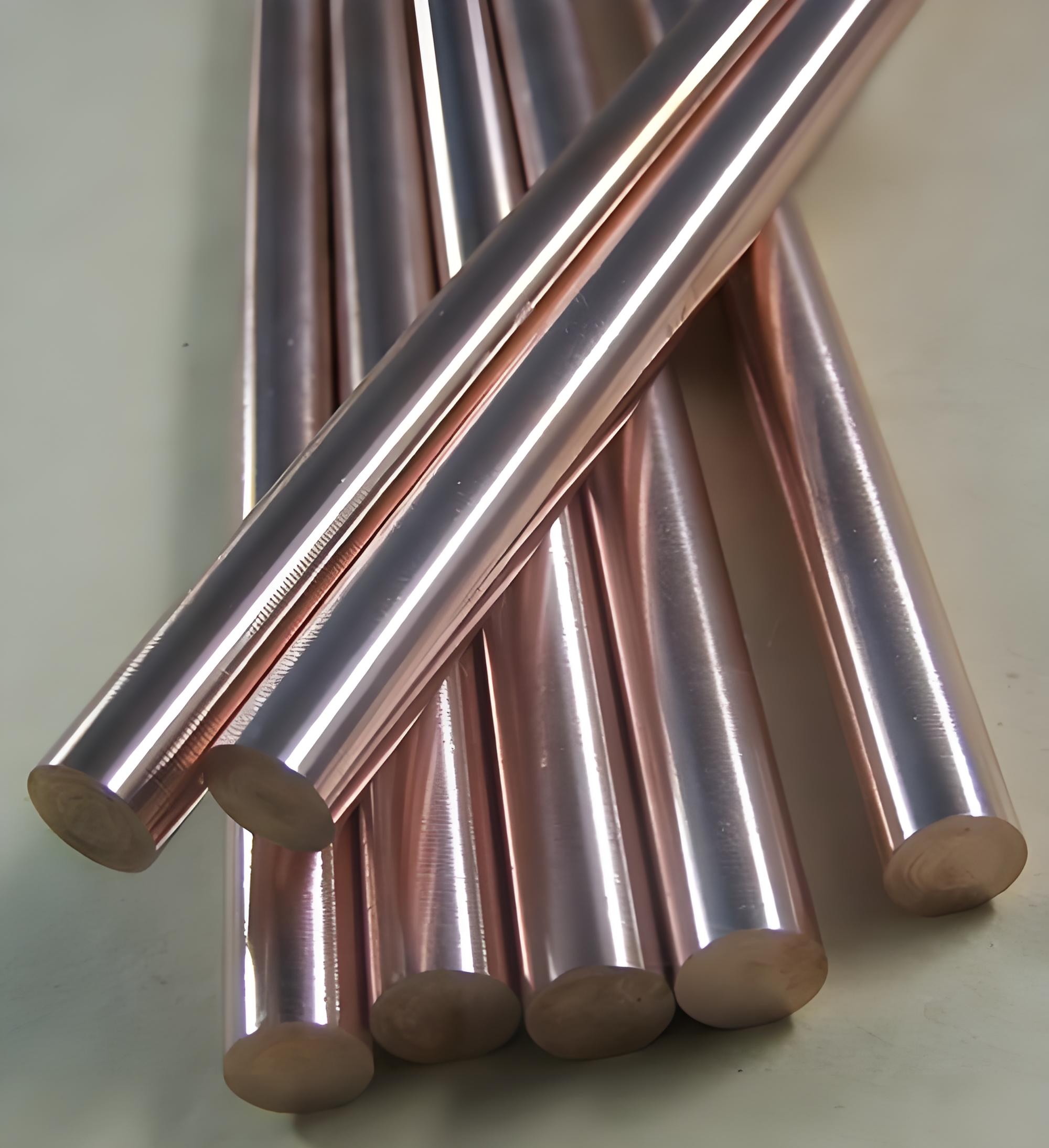
Inconel 625 round bar is normally supplied in a wide diameter range, starting from small precision bars around φ6.0 mm and extending to φ500 mm or even larger when the material is produced by forging. In actual purchasing, the most common stock range is usually from φ10 mm to φ200 mm, because these sizes cover a large part of the demand for shafts, bolts, valve components, pump parts, flanges, fastener blanks, and machined sealing elements.
For small diameters, especially below about φ50 mm, cold drawn or centerless ground bars are often preferred. The reason is simple: customers buying smaller diameters usually want tighter tolerance, cleaner surface, and more stable straightness. These bars are easier to machine into threaded parts, instrument components, and precision fittings. In contrast, medium and larger diameters are more often supplied in hot rolled or forged condition, depending on the target use and final machining allowance.
Length is another practical part of the order. Random length is commonly supplied in the 2 to 4 meter range, which is standard for many mill-produced bars and works well for general stock and machining use. If the customer has a fixed cutting plan, bars can also be ordered in cut-to-length form. For CNC shops and project buyers, precision cut lengths can reduce scrap and improve loading efficiency, especially when the bar is expensive and the alloy cost is high.
Large-diameter bars are often supplied in shorter lengths, not because of any quality issue, but because heavy nickel alloy bars are difficult to handle, transport, straighten, and process. A forged φ300 mm or φ400 mm Inconel 625 round bar may be supplied in shorter pieces to keep quality stable and logistics realistic. This is common industry practice.
Surface condition usually falls into four typical categories: black surface, turned bright, ground bright, and polished. A black surface bar is normally the result of hot rolling or forging, with oxide scale remaining on the outside. This is suitable when the customer will remove the outer layer during machining anyway. Turned bright bars have the outer skin removed by machining, giving a cleaner and more dimensionally controlled surface. Ground bright bars go further, offering better diameter consistency and surface finish. Polished bars are selected mainly when appearance, cleanliness, or reduced surface roughness is important.
In purchasing terms, the right size is not only the finished diameter on the drawing. Buyers also need to think about machining allowance. If a shaft is finished at φ80 mm, the purchased bar may need to be φ85 mm, φ90 mm, or another practical intermediate size depending on tolerance, straightness, and machining route. Choosing the nearest standard stock size can save both lead time and cost.
The core product standard for Inconel 625 round bar is ASTM B446. This is the standard most buyers refer to when they need nickel-chromium-molybdenum-columbium alloy bars and rods in hot-worked, cold-worked, or finished condition. In normal business communication, when someone asks for “625 bar to ASTM B446,” they are generally asking for a product that meets the dimensional, chemical, and mechanical requirements applicable to this alloy form.
For aerospace and elevated-temperature service, AMS 5666 is another important specification. This standard is often used when the bar will be machined into components that require closer control over chemistry, heat treatment, and mechanical properties for high-temperature duty. Even when a project is not strictly aerospace, some customers still request AMS-grade material because it gives them a more familiar qualification path.
The alloy designation is commonly shown as UNS N06625. In European and German-based project documentation, DIN 2.4856 is also widely used. These identifiers are important because different markets describe the same alloy in different ways. A buyer in Europe may ask for 2.4856 round bar, while a buyer in the US may ask for UNS N06625 bar, and both are usually referring to Inconel 625.
From a chemistry point of view, Inconel 625 is known for its high nickel content, with chromium and molybdenum providing strong resistance to oxidation and corrosion, while niobium contributes to strengthening. Typical chemistry expectations include nickel as the balance, chromium around 20 to 23%, molybdenum around 8 to 10%, and niobium plus tantalum generally around 3.15 to 4.15%. Iron is limited, and carbon, sulfur, and phosphorus are kept low. This combination is why the alloy performs well in pitting, crevice corrosion, and a wide range of aggressive industrial media.
When buyers mention that the chemistry should comply with ASTM B443 or B704 related requirements, the practical meaning is usually that the chemical composition must match the recognized UNS N06625 alloy limits used across multiple mill product forms. In factory documentation, the chemistry is verified by mill testing and then stated on the MTC. For procurement teams, the key point is not the paperwork code alone, but whether the actual heat analysis is within the accepted range for true 625 material.
Mechanical properties depend on supply condition. In solution annealed condition, Inconel 625 round bar offers a very good balance of strength, toughness, and corrosion resistance. If the material is requested in a special aged or strengthened state for a particular service requirement, the factory needs to confirm that this condition is achievable under the specified standard and section size. Larger diameters may show different property distribution than smaller cold worked bars, so this must be checked in advance rather than assumed.
For serious project orders, the specification should always include more than just “Inconel 625.” A workable purchase description normally includes alloy grade, product form, standard, size, tolerance, heat treatment condition, testing requirements, certification level, and any extra NDT or third-party inspection requirement. This avoids confusion between general commercial stock and project-controlled material.
Inconel 625 round bar is not supplied in one single manufacturing condition. The most common form is hot rolled round bar. This is usually chosen for general engineering use, larger machining allowance, and standard industrial components. Hot rolled bars are typically delivered in annealed or solution-treated condition, depending on the standard and customer requirement. This form gives a practical balance between cost, size availability, and performance.
Cold drawn or bright ground round bar is a different category. These products are used when dimensional accuracy matters more. Buyers who need better tolerance, smoother surface, and improved straightness often choose cold drawn or centerless ground bars, especially for smaller diameters. This is common for shafts, precision sleeves, instrument stems, pins, and fasteners. Since Inconel 625 is not the easiest alloy to machine, a better starting surface can make downstream production more stable.
Forged round bar is generally used for large diameters and shorter lengths. Once the section becomes too large for efficient rolling, forging becomes the practical route. Forged bars are often selected for heavy-duty parts in offshore equipment, pressure-containing systems, and large rotating components. In these cases, the customer is less concerned about polished surface and more concerned about internal soundness, grain flow, heat treatment uniformity, and enough machining stock to remove the outer layer.
Heat treatment condition is another point that should be stated clearly. Solution annealed condition is the most typical for corrosion-resistant use, because it keeps the alloy structure in a condition that supports its intended corrosion performance and workability. Some buyers ask about aged condition, but in practical procurement this should only be specified when there is a clear service-driven reason. Not every application benefits from it, and using the wrong condition can create unnecessary cost or qualification issues.
It is also worth separating “finished condition” from “final service condition.” A bar can be supplied solution annealed, then later machined, welded, stress relieved, or otherwise processed by the end user. So when discussing supply status, both sides should be clear whether the requirement applies to the raw bar shipment or to the final condition of the part after customer processing.
Surface treatment after production is often tailored to end use. Pickled bars are selected when oxide scale needs to be removed and a clean metallic surface is preferred. Mechanically polished bars are useful where reduced roughness helps with cleanliness or appearance. Centerless ground bars are common when exact diameter control is needed over long lengths. Each of these finishing routes changes cost, lead time, and in some cases packing method, so they are usually quoted separately rather than treated as standard for every order.
From a factory supply perspective, the first thing most buyers ask is stock availability. In normal market practice, the more common Inconel 625 round bar sizes from around φ10 mm to φ200 mm are the easiest to keep in stock or produce with shorter lead times. These sizes serve most machining and distribution demand, so they move faster and are more likely to be available for immediate shipment.
Shanghai NC Metal Materials Co., Ltd. typically handles both regular stock specifications and custom production requests. In practical terms, this means a buyer can source standard diameters for routine replacement parts, while also discussing non-standard diameters, special cut lengths, or tighter tolerances for project work. This kind of flexibility matters because nickel alloy procurement is rarely just about buying a bar by weight. It is often about reducing machining waste, meeting drawing dimensions efficiently, and matching project certification requirements.
Custom range usually includes non-standard diameters, special lengths, and specified tolerance grades. For example, some customers do not want the nearest mill size; they want a pre-machined or semi-finished bar that saves several hours of turning time. Others need short forged billets instead of full-length bars because their parts are thick and complex. These requests are common in nickel alloy projects, especially when the part cost is high and material recovery matters.
Documentation is another major part of factory supply. Commonly requested certificates include EN 10204 3.1 and, for more controlled projects, EN 10204 3.2. Buyers may also ask for full mill test certificates, heat number traceability, and third-party inspection from agencies such as SGS or BV. For critical service sectors like offshore, nuclear-related fabrication, and major chemical plants, paperwork is not a formality. It is part of the acceptance standard.
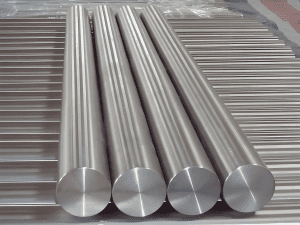
Third-party inspection can cover identity checks, dimensional verification, chemistry review, mechanical property witness, and sometimes positive material identification if the project requires it. In real purchasing practice, arranging inspection early is better than adding it after the bars are ready, because witness points and documentation flow are easier to control from the beginning.
Surface processing capacity also affects whether a factory is suitable for the order. Acid pickling is useful for removing oxide and surface contamination after hot working or heat treatment. Mechanical polishing helps when visual finish or lower roughness is needed. Centerless grinding is often required for precision bar supply. These are not minor add-ons; they directly affect bar usability in machining shops and can save the customer a separate processing step.
Lead time depends mainly on diameter, quantity, processing route, and testing level. A stock bright bar may be ready quickly, while a large forged bar with third-party inspection and custom cut length naturally needs longer. Buyers often focus only on melting and rolling time, but actual delivery also depends on heat treatment scheduling, NDT, surface finishing, cutting, marking, packing, and certificate preparation. A realistic supply plan should include all of these steps.
If pricing is discussed in the early stage, industry reference prices for Inconel 625 round bar can vary widely depending on size, origin, processing condition, and quantity. As a broad market indication, smaller bright bars and precision-finished bars may be around USD 35–65/kg, while larger hot rolled or forged bars may be lower or higher depending on conversion cost and order scale. Price is for reference only. For actual purchasing, the specification details usually change the quote more than buyers expect.
Inconel 625 round bar is widely used in marine engineering because it performs well in seawater and chloride-containing environments. This makes it suitable for shafts, fasteners, couplings, subsea connector parts, and components exposed to splash zones or saline process systems. Compared with many stainless steels, it offers stronger resistance to localized corrosion, especially where crevice attack is a concern.
In chemical processing equipment, the alloy is selected for parts that must handle mixed acids, high-temperature salts, wet chlorides, and oxidizing-reducing cycling conditions. Bars are commonly machined into pump shafts, valve stems, bolting, seal rings, and instrument hardware. In these applications, the material choice is rarely based on one property alone. What makes Inconel 625 useful is its combination of corrosion resistance, high-temperature strength, and good structural stability under demanding service conditions.
Nuclear and energy-related industries also use Inconel 625 round bar for components where reliability and traceability matter. Depending on design code and project qualification, bars may be used for fasteners, support parts, sealing pieces, and corrosion-resistant machined elements. Here, the supply route, heat identification, and certification level can be just as important as the nominal alloy grade.
For shafts, fasteners, and sealing parts working in both high temperature and high corrosion service, section size selection should be practical rather than theoretical. If the part is small and tolerance-sensitive, a cold drawn or ground bar is often the better starting material. If the part is large and heavily machined, a hot rolled or forged bar usually makes more sense. Choosing the wrong supply form can increase cost, machining time, or even the risk of distortion.
When comparing Inconel 625 with Inconel 600, one useful way to think about it is this: Inconel 600 is strong in general oxidation resistance and high-temperature service, but Inconel 625 provides a higher level of resistance in many severe corrosive environments because of its molybdenum and niobium content. So if the size requirement is similar but the service involves seawater, chlorides, or more aggressive chemical exposure, 625 is often the safer material choice. On the other hand, if the environment is less corrosive and cost control is important, some buyers will still evaluate 600 depending on design margin and service history.
Size suitability also changes the material decision. In very large diameters, buyers should confirm not only availability but also whether the required properties can be achieved through the chosen production route. A material that works well in small precision bar may have longer lead time or a different cost structure in forged heavy section. This is one reason why project engineers and procurement teams should discuss size and condition together instead of selecting the alloy name first and the bar form later.
Another practical recommendation is to look at the final machining ratio. Inconel 625 is a premium alloy, so ordering excessive stock allowance can become expensive very quickly. If the finished part is close to a standard bar diameter, it is usually worth checking whether a bright bar or ground bar can reduce waste. For larger parts, a forged preform may be more economical than machining from a full solid oversize bar.
What is the standard size range for Inconel 625 round bar?
The commonly supplied range starts around φ6 mm and can extend to φ500 mm or larger depending on whether the bar is rolled or forged. In routine stock programs, φ10–200 mm is the most common range because it covers most industrial machining demand. Smaller sizes are often supplied as cold drawn or ground bars, while larger sizes are usually hot rolled or forged.
What specification should I ask for when buying Inconel 625 round bar?
For general industrial procurement, ASTM B446 is the main round bar standard to specify. If the application is aerospace-related or requires elevated-temperature qualification, AMS 5666 may also be relevant. It is also good practice to state the alloy designation as UNS N06625 or DIN 2.4856, then add the required size, tolerance, surface condition, heat treatment condition, certificate type, and any inspection requirement.
Can Inconel 625 round bar be supplied with custom lengths, tight tolerances, and 3.1 or 3.2 certificates?
Yes. This is a normal requirement in nickel alloy bar supply. Factories can usually provide cut-to-length bars, non-standard diameters, precision tolerance processing such as centerless grinding, and certification such as EN 10204 3.1 or 3.2 depending on the project. If third-party inspection from SGS or BV is needed, it should be confirmed before production or final testing so the documentation and witness steps are properly arranged.
More from this category
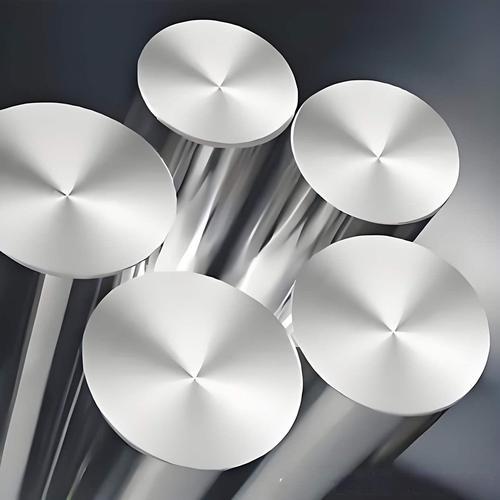
Inconel 617 alloy round bar price per kilogram is commonly about USD 45 to 90 per kg for standard industrial stock sizes. Large forged bars, small pre...
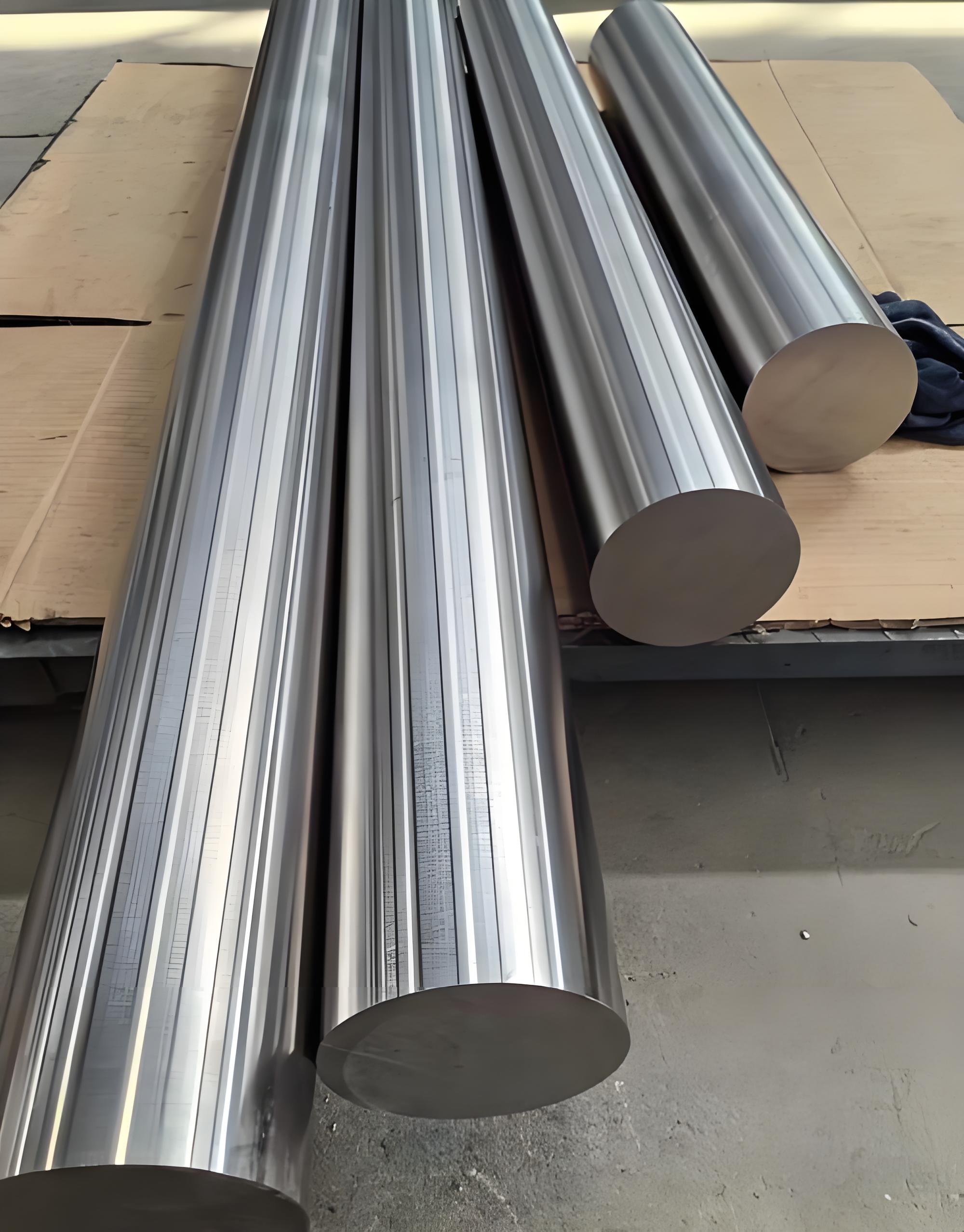
The latest Inconel 625 alloy bar price per kg depends on nickel, molybdenum, niobium, and chromium raw material costs, as well as bar diameter, manufa...
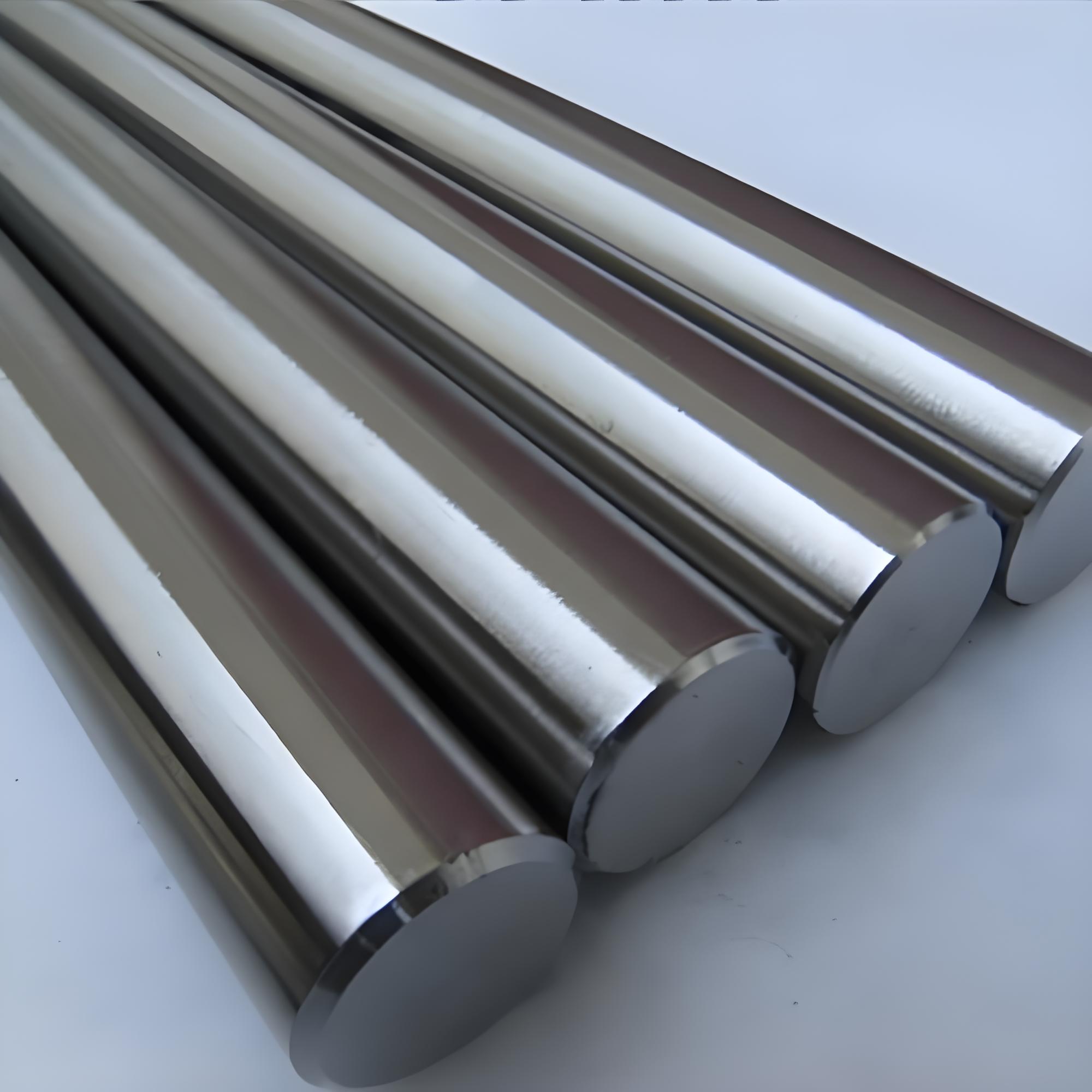
Inconel X-750 alloy bar price depends on nickel raw material cost, bar diameter, product condition, heat treatment, specification, surface finish, dim...
Inconel 602CA alloy bar price per kg is usually higher than common Inconel 600 and Inconel 601 bars because Alloy 602CA is a premium high-temperature ...
 English English
  Korean
 Arabic
 Spanish
 German
 Portuguese
 French
 Russian
 Italian
 Vietnamese