
Incoloy 825 Bar Price | UNS N08825 Supplier
Incoloy 825 bar price depends on the nickel-based alloy composition, bar dimensions, manufacturing route, heat-treatment condition, surface finish, in...
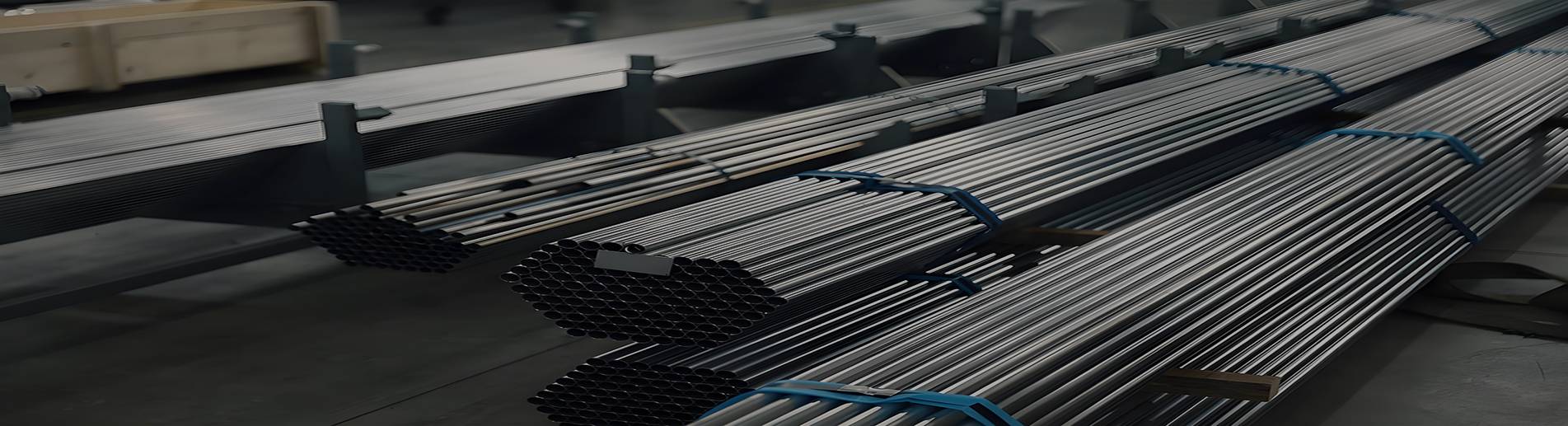
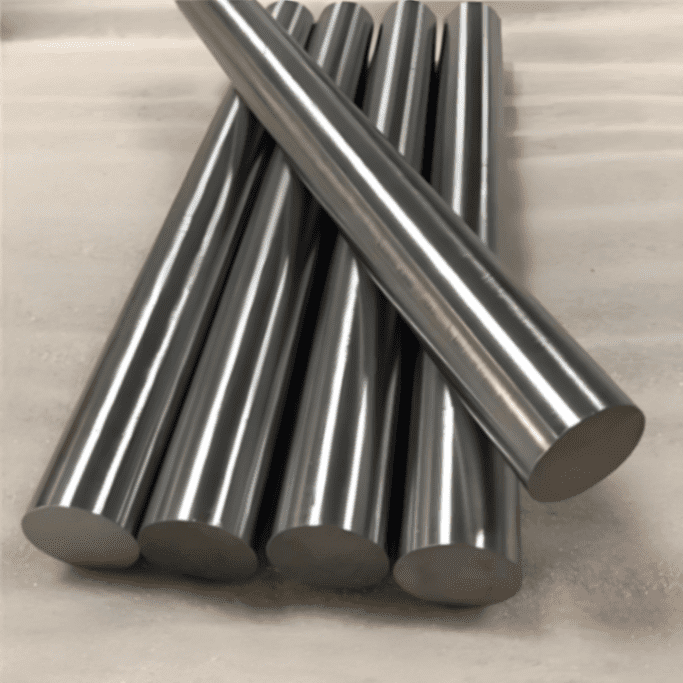
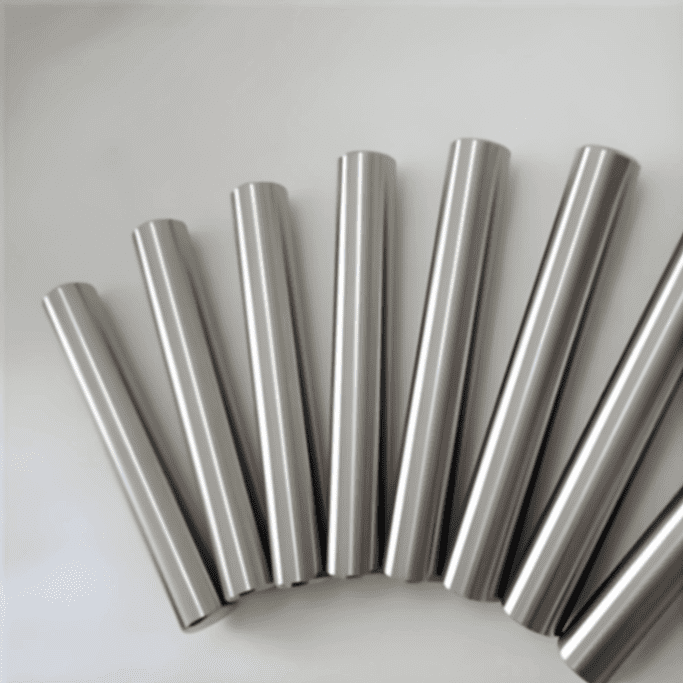
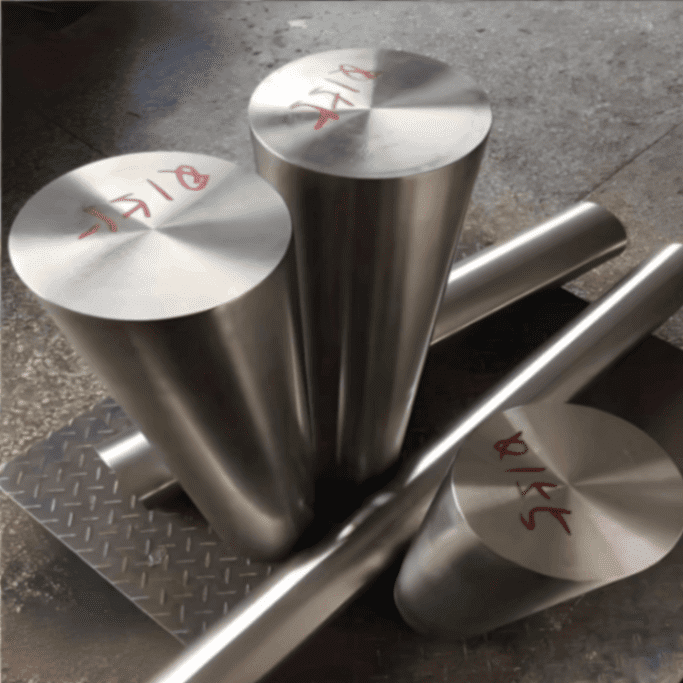
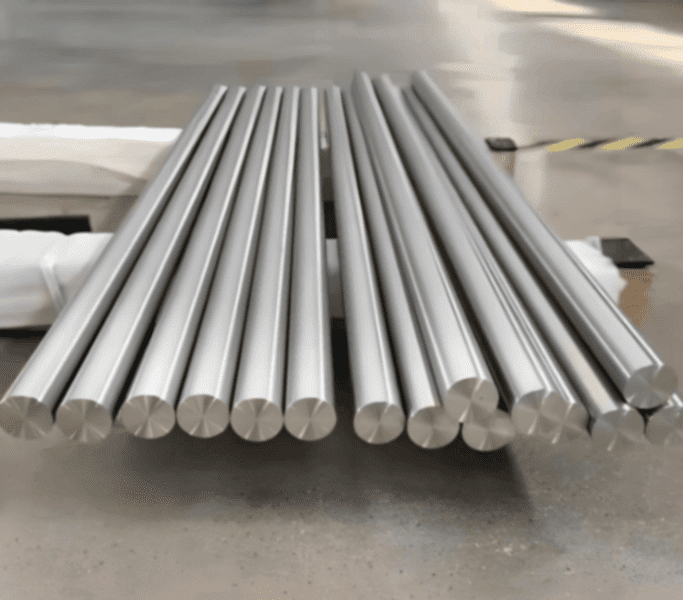
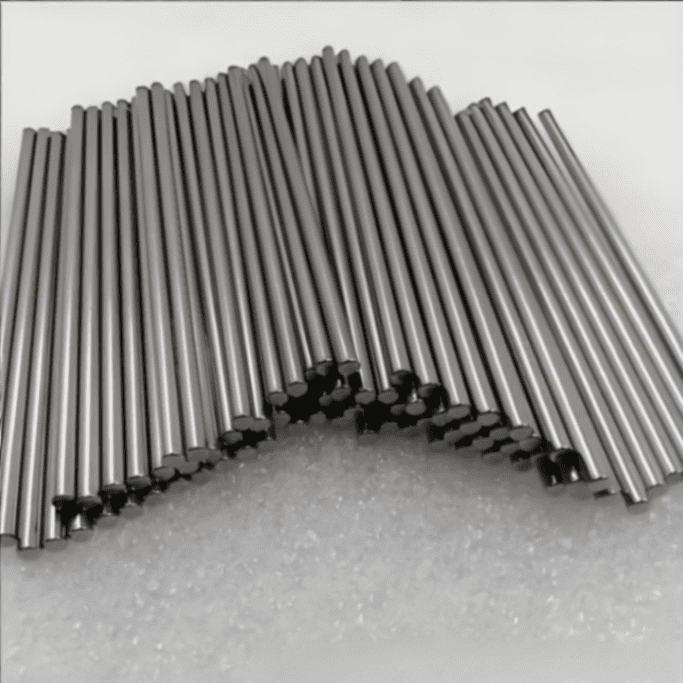
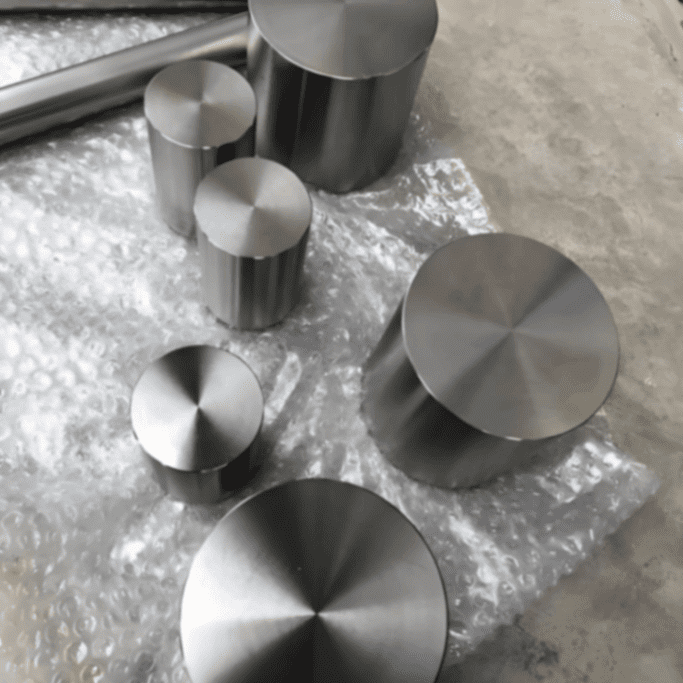
Monel 400 bar is a nickel-copper alloy bar mainly composed of nickel and copper, with controlled amounts of iron, manganese, carbon, silicon, and sulfur. Its chemical composition is the main reason why Monel 400 bar has excellent resistance to seawater, saltwater, brine, marine atmosphere, alkalis, and many reducing corrosive environments. For buyers, engineers, and machining factories, understanding Monel 400 bar chemical composition is important because the element balance affects corrosion resistance, mechanical performance, weldability, machinability, and long-term service reliability. When purchasing Monel 400 round bar, forged bar, flat bar, or precision machined bar stock, the chemical composition should always be checked through the material test certificate, heat number, and applicable standard such as UNS N04400.
Monel 400 bar is a solid-solution nickel-copper alloy bar. It is commonly known as Alloy 400 and identified by the UNS designation N04400. The alloy is not strengthened by precipitation hardening like Monel K500. Instead, Monel 400 obtains its performance from the natural nickel-copper alloy structure and can be strengthened by cold working if higher strength is required.
Monel 400 bar is widely supplied as round bar, flat bar, square bar, hex bar, forged bar, hot rolled bar, cold drawn bar, peeled bar, and centerless ground bar. Among these forms, Monel 400 round bar is especially common because it is often machined into shafts, pump parts, valve stems, fasteners, fittings, sleeves, rods, and corrosion-resistant mechanical components.
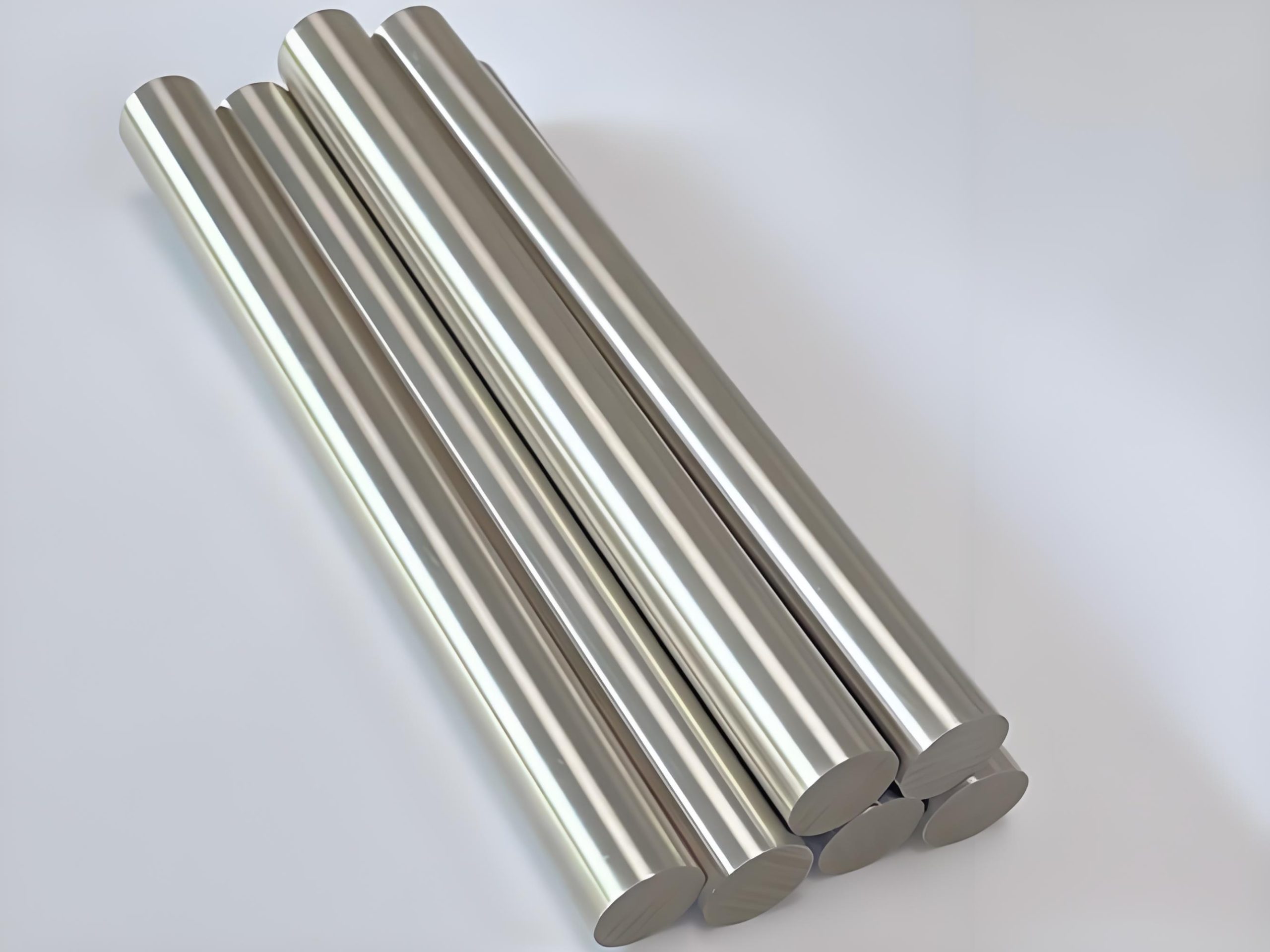
Monel 400 is not a stainless steel and it is not an Inconel alloy. It belongs to the nickel-copper alloy family. This distinction is important because its chemical composition is very different from chromium-based stainless steels and nickel-chromium-molybdenum alloys such as Inconel 625.
| Item | Monel 400 Bar Information |
|---|---|
| Common Name | Monel 400 / Alloy 400 |
| UNS Designation | UNS N04400 |
| Main Alloy System | Nickel-Copper |
| Main Product Forms | Round bar, flat bar, square bar, hex bar, forged bar, cold drawn bar |
| Main Performance Direction | Seawater resistance, brine resistance, alkali resistance, good toughness |
| Typical Applications | Marine shafts, pump shafts, valve stems, fasteners, fittings, heat exchanger parts |
The chemical composition of Monel 400 bar is based on high nickel and high copper. Nickel is the main element, usually with a minimum content of 63%. Copper is the second major element, usually controlled around 28% to 34%. Small amounts of iron, manganese, carbon, silicon, and sulfur are also controlled to maintain alloy quality, processing stability, and service performance.
The key point is that Monel 400 does not rely on chromium or molybdenum as its main corrosion-resistant elements. This is different from stainless steel and many Inconel or Hastelloy alloys. Monel 400 relies mainly on the nickel-copper alloy system. This gives it excellent resistance to seawater, saltwater, brine, marine atmosphere, hydrofluoric acid in suitable conditions, alkalis, and many reducing environments.
In Monel 400 bar, nickel provides the base structure and general corrosion resistance. Copper improves resistance to seawater and many reducing media. Iron and manganese are controlled secondary elements. Carbon, silicon, and sulfur are limited because excessive amounts may affect hot working, welding, corrosion behavior, and final bar quality.
| Element | General Content Level | Main Function in Monel 400 Bar |
|---|---|---|
| Nickel | Main element | Provides alloy base, corrosion resistance, toughness, and stability |
| Copper | Second major element | Improves seawater, brine, and reducing media resistance |
| Iron | Controlled minor element | Affects strength, processing behavior, and alloy balance |
| Manganese | Controlled minor element | Helps metallurgical control and deoxidation during production |
| Carbon | Limited element | Should be controlled to maintain corrosion and processing quality |
| Silicon | Limited element | Helps deoxidation but must remain controlled |
| Sulfur | Very low impurity | Should be minimized because it may affect hot workability and quality |
Nickel is the most important element in Monel 400 bar. The nickel content is usually specified as a minimum of 63%. Because nickel is the base element, Monel 400 has better corrosion resistance and toughness than many common iron-based alloys in seawater and reducing environments.
Nickel improves resistance to many corrosive media and helps the alloy maintain ductility and toughness. In marine environments, nickel contributes to stable performance in saltwater and brine. In chemical environments, nickel helps resist many reducing conditions where ordinary stainless steel may not perform well enough.
Nickel also supports good mechanical stability over a wide temperature range. This is one reason Monel 400 bar is used for shafts, valve stems, pump rods, and fasteners where both corrosion resistance and toughness are required.
The high nickel content helps Monel 400 resist general corrosion in seawater, marine atmosphere, and many alkaline solutions. It also improves resistance to chloride stress corrosion cracking compared with many common stainless steels. This is important for marine components working under both corrosion and mechanical stress.
Because nickel is a major cost driver, Monel 400 bar price is strongly affected by nickel market changes. When nickel prices rise, the cost of Monel 400 round bar, forged bar, and precision bar stock may also increase. For large-size bars or heavy orders, nickel cost can significantly affect quotation and procurement planning.
Copper is the second major element in Monel 400 alloy. It is usually controlled around 28% to 34%. The high copper content is one of the main reasons Monel 400 performs so well in seawater, saltwater, brine, and many reducing environments.
Monel 400 is widely used in marine engineering because the nickel-copper combination provides excellent resistance to seawater corrosion. Copper helps the alloy resist saltwater attack and supports stable performance in marine atmosphere. This is why Monel 400 bar is commonly selected for marine shafts, seawater pump parts, valve components, fittings, and fasteners.
Copper also improves resistance to many reducing environments. In suitable conditions, Monel 400 can resist certain acids and alkaline solutions better than many ordinary materials. However, this does not mean Monel 400 is suitable for every acid. Strong oxidizing acids and highly oxidizing salt solutions may require other nickel alloys.
Many Inconel alloys are nickel-chromium or nickel-chromium-molybdenum alloys. Monel 400 is different because copper is its main alloying partner with nickel. This gives Monel 400 a different corrosion resistance profile. It is excellent for many seawater and reducing media applications, while Inconel 625 is often stronger for high-temperature oxidation, severe pitting, and more aggressive chemical environments.
Although nickel and copper are the main elements in Monel 400 bar, minor elements also matter. Iron, manganese, carbon, silicon, and sulfur are controlled within specific limits because they affect production quality, hot working behavior, welding performance, machinability, and corrosion resistance.
Iron is present as a controlled minor element in Monel 400. It can influence strength and alloy balance, but excessive iron is not desirable. For corrosion-resistant service, the material should remain within the standard chemical composition range.
Manganese is usually controlled within a maximum limit. It helps with metallurgical processing and deoxidation. In finished Monel 400 bar, manganese should remain within specification to ensure stable material quality.
Carbon is limited in Monel 400 bar. Too much carbon can affect metallurgical behavior, corrosion resistance, and processing quality. For bars that will be welded or used in corrosive environments, carbon control is important.
Silicon is often used as a deoxidizing element during melting, but it must be controlled. Excessive silicon may influence hot workability and overall alloy behavior. In a qualified Monel 400 bar, silicon should remain within the specified maximum range.
Sulfur is usually kept very low because excessive sulfur can reduce hot workability and may affect surface quality during bar production. For forged bars, hot rolled bars, and machined round bars, low sulfur content helps support better processing quality and more reliable performance.
| Minor Element | Why It Must Be Controlled | Possible Issue if Excessive |
|---|---|---|
| Iron | Maintains alloy balance and mechanical behavior | May affect corrosion behavior if outside specification |
| Manganese | Supports metallurgical processing | May affect composition balance if uncontrolled |
| Carbon | Controls metallurgical quality | May affect corrosion and weld performance |
| Silicon | Helps deoxidation but must be limited | May affect hot workability and material behavior |
| Sulfur | Should remain very low | May reduce hot workability and surface quality |
The standard chemical composition range of Monel 400 bar is usually based on UNS N04400 requirements. Different standards and product forms may have slight wording differences, but the basic chemical composition is generally consistent. Buyers should always follow the exact standard required by the project, such as ASTM, ASME, or customer-specific technical specifications.
| Element | Typical Composition Range | Notes |
|---|---|---|
| Nickel (Ni) | 63.0% min | Main base element; nickel content usually includes cobalt if specified by the standard |
| Copper (Cu) | 28.0% – 34.0% | Main alloying element after nickel |
| Iron (Fe) | 2.5% max | Controlled minor element |
| Manganese (Mn) | 2.0% max | Controlled minor element |
| Carbon (C) | 0.30% max | Limited element |
| Silicon (Si) | 0.50% max | Limited element |
| Sulfur (S) | 0.024% max | Very low impurity limit |
This table is a practical reference for Monel 400 bar chemical composition. For actual purchasing, the final acceptance should be based on the required material standard and the supplier’s material test certificate. If the project requires ASTM B164, ASME SB164, or another standard, the MTC should match that standard.
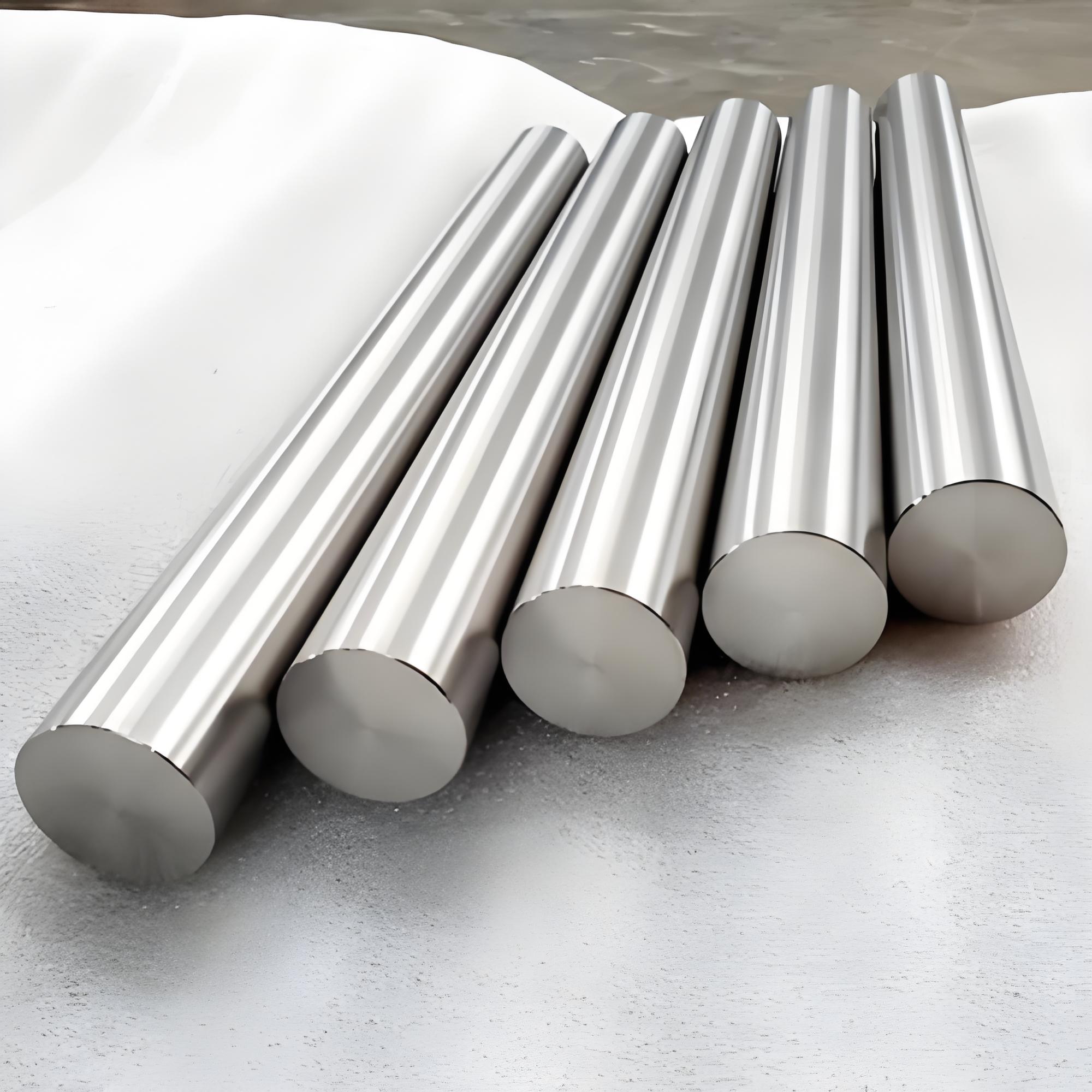
Monel 400 chemical composition is given as a range, not a single fixed value. This is normal for industrial alloys. As long as each element remains within the allowed range and the mechanical properties meet the standard, the material can be accepted. However, for critical applications, buyers may compare heat-to-heat variation, especially for large projects requiring consistent machining behavior or corrosion performance.
UNS N04400 is the unified designation for Monel 400. When a buyer requests Monel 400 bar, Alloy 400 bar, or UNS N04400 bar, they are usually referring to the same nickel-copper alloy grade. The UNS number helps avoid confusion between similar trade names, standards, and product descriptions.
UNS N04400 confirms that the material belongs to the nickel-copper Alloy 400 family. For international procurement, this designation is useful because different countries, suppliers, and standards may use different naming styles. A buyer may write Monel 400, Alloy 400, Nickel Alloy 400, or UNS N04400, but the chemical composition should correspond to the required standard.
| Common Name | UNS Number | Main Composition Type | Main Application Direction |
|---|---|---|---|
| Monel 400 | UNS N04400 | Nickel-Copper Alloy | Marine, seawater, brine, alkali, reducing media |
For serious industrial orders, the MTC, quotation, invoice, packing list, and product label should clearly identify the material as Monel 400 or UNS N04400. This reduces the risk of confusing Monel 400 with Monel K500, Inconel 625, Nickel 200, or other nickel alloy bars.
The corrosion resistance of Monel 400 bar is mainly created by the nickel-copper alloy system. Nickel and copper work together to resist seawater, saltwater, brine, alkaline solutions, and many reducing corrosive media. This is the reason Monel 400 bar has remained a popular material for marine and chemical applications.
Nickel improves general corrosion resistance and provides stable performance in many water-based and chemical environments. It also helps Monel 400 maintain good ductility and toughness. This is useful for parts that must resist both corrosion and mechanical stress, such as pump shafts, valve stems, fasteners, and marine rods.
Copper improves resistance to seawater and brine. It also supports performance in many reducing environments. This makes Monel 400 different from stainless steel, which relies mainly on chromium, and different from Inconel 625, which relies on nickel, chromium, molybdenum, and niobium.
The important point is not simply that Monel 400 contains nickel or copper. The important point is the balance between them. The nickel-copper structure creates a practical alloy that can be processed into bar stock, machined into components, welded with proper procedures, and used in corrosive environments.
| Element Combination | Performance Contribution | Typical Result in Service |
|---|---|---|
| High Nickel | General corrosion resistance and toughness | Good performance in marine and chemical environments |
| High Copper | Seawater and reducing media resistance | Excellent use in saltwater, brine, and marine parts |
| Nickel-Copper System | Stable alloy structure | Reliable corrosion resistance with good mechanical behavior |
Monel 400 bar is well known for excellent seawater resistance, and this performance is directly related to its chemical composition. The high nickel and copper content gives the alloy strong resistance to saltwater corrosion, making it suitable for marine shafts, seawater pump parts, valve components, fasteners, fittings, and heat exchanger hardware.
Seawater contains chloride ions, dissolved oxygen, salts, and sometimes biological or industrial contaminants. Many materials suffer from rusting, pitting, or crevice corrosion in this environment. Monel 400 performs well because its nickel-copper composition is naturally resistant to many seawater conditions, especially flowing seawater.
Monel 400 bar is often used in flowing seawater systems because the alloy can maintain stable performance in saltwater movement. It also resists marine atmosphere, salt spray, and coastal humidity better than many ordinary materials. This is one reason it is used for shipbuilding, offshore equipment, seawater valves, and pump components.
Although Monel 400 has excellent seawater resistance, stagnant seawater, deposits, crevices, and polluted marine conditions can increase localized corrosion risk. Material composition is important, but component design also matters. Crevices, blind holes, trapped saltwater, and poor drainage should be avoided whenever possible.
| Seawater Condition | Monel 400 Composition Advantage | Practical Note |
|---|---|---|
| Flowing Seawater | Nickel-copper alloy system resists saltwater corrosion | One of the strongest application areas for Monel 400 bar |
| Salt Spray | High nickel and copper improve marine atmosphere resistance | Suitable for coastal and offshore hardware |
| Brine | Copper supports resistance to high-salt media | Temperature and concentration should be reviewed |
| Stagnant Seawater | Good resistance, but localized corrosion risk may increase | Avoid crevices, deposits, and dead zones |
The chemical composition of Monel 400 bar affects not only corrosion resistance but also mechanical performance. Monel 400 has good strength, excellent toughness, and reliable ductility. It can be hot worked, cold worked, welded, and machined with proper process control.
The nickel-copper alloy structure gives Monel 400 good toughness across a wide range of service conditions. This is useful for marine shafts, pump shafts, valve stems, and fasteners where impact, vibration, rotation, or mechanical load may be present.
Monel 400 is not precipitation hardened, but it can be strengthened by cold working. Cold drawn Monel 400 bar may have higher strength than annealed bar, but it may also have different machinability and residual stress conditions. Buyers should select the delivery condition according to the final application.
Monel 400 has good machinability compared with some higher-strength nickel alloys, but it still work-hardens during machining. Sharp tools, stable cutting, proper coolant, and suitable feeds are important. Composition control helps maintain consistent machining behavior from one heat to another.
Monel 400 bar can be welded using suitable nickel-copper filler metals and proper welding procedures. Chemical composition control is important because welding performance, hot cracking resistance, and corrosion performance can be affected by impurity levels and improper processing.
| Performance Area | Composition Influence | Practical Meaning |
|---|---|---|
| Toughness | High nickel-copper base supports ductility | Useful for shafts, rods, fasteners, and marine hardware |
| Strength | Solid-solution alloy structure with cold work strengthening | Suitable for many mechanical and corrosion-resistant parts |
| Machinability | Nickel-copper alloy can work harden | Requires sharp tools and stable cutting parameters |
| Weldability | Controlled composition supports weld quality | Proper filler metal and surface cleaning are important |
| Service Life | Composition determines corrosion behavior | Correct grade verification is essential for corrosive environments |
Monel 400 and Monel K500 are both nickel-copper alloys, but their chemical compositions are not the same. Monel K500 is based on a similar nickel-copper system, but it contains aluminum and titanium for age hardening. This makes Monel K500 stronger and harder than Monel 400, while Monel 400 remains more widely used for general corrosion-resistant bar applications.
The main chemical composition difference is that Monel K500 contains aluminum and titanium, while Monel 400 does not use these elements for precipitation hardening. Aluminum and titanium allow Monel K500 to be age hardened, resulting in higher strength and hardness.
| Element / Feature | Monel 400 Bar | Monel K500 Bar |
|---|---|---|
| UNS Designation | UNS N04400 | UNS N05500 |
| Main Alloy System | Nickel-Copper | Nickel-Copper-Aluminum-Titanium |
| Nickel | High nickel base | High nickel base |
| Copper | High copper content | High copper content |
| Aluminum | Not a major hardening element | Added for age hardening |
| Titanium | Not a major hardening element | Added for age hardening |
| Strength Level | Good strength and toughness | Higher strength and hardness |
| Typical Use | Marine shafts, valves, fittings, pump parts | High-strength shafts, springs, fasteners, oilfield parts |
Monel 400 bar is usually selected when excellent corrosion resistance, toughness, weldability, and general fabrication are more important than very high strength. It is also generally easier to source and process than Monel K500 in many projects.
Monel K500 bar is usually selected when the part requires higher strength, higher hardness, or better wear resistance while still needing nickel-copper corrosion resistance. However, Monel K500 may require more careful heat treatment and processing control.
Monel 400 bar and stainless steel bar have very different chemical compositions. Stainless steel is mainly iron-based and relies on chromium to form a passive oxide film. Monel 400 is nickel-copper based and does not rely on high chromium content. This difference explains why Monel 400 and stainless steel behave differently in seawater, brine, acids, alkalis, and marine atmosphere.
304 stainless steel is an iron-chromium-nickel alloy. It is widely used for general corrosion resistance, food equipment, architectural parts, and many industrial components. However, 304 stainless steel is not ideal for long-term seawater exposure because chloride ions can cause pitting and crevice corrosion.
Monel 400 bar performs much better than 304 stainless steel in many seawater and brine environments because its nickel-copper composition is more suitable for marine corrosion resistance.
316 stainless steel contains molybdenum, so it has better chloride resistance than 304 stainless steel. However, in many seawater conditions, 316 stainless steel can still suffer from pitting and crevice corrosion. Monel 400 is often selected when stainless steel corrosion resistance is not enough for marine service.
| Material | Main Composition System | Main Corrosion Strength | Common Limitation |
|---|---|---|---|
| Monel 400 Bar | Nickel-Copper | Seawater, brine, marine atmosphere, reducing media | Not ideal for strong oxidizing acids or high-temperature oxidation |
| 304 Stainless Steel Bar | Iron-Chromium-Nickel | General atmospheric and mild corrosion resistance | Limited resistance to seawater pitting |
| 316 Stainless Steel Bar | Iron-Chromium-Nickel-Molybdenum | Better chloride resistance than 304 | May still corrode in seawater or severe chloride service |
| Inconel 625 Bar | Nickel-Chromium-Molybdenum-Niobium | Severe pitting, crevice corrosion, high-temperature oxidation | Higher cost and more difficult machining |
If the project only needs general corrosion resistance, stainless steel may be more economical. If the project involves seawater, saltwater, brine, marine shafts, pump rods, or valve stems, Monel 400 bar may provide better service life. If the project involves severe pitting, crevice corrosion, high temperature, or aggressive chemical media, Inconel 625 or another high-alloy material may be more suitable.
Chemical composition matters when buying Monel 400 bar because it confirms whether the material is truly Alloy 400 / UNS N04400. In industrial procurement, a wrong material grade can lead to corrosion failure, machining problems, welding issues, rejected inspection, and project delays.
Monel 400, Monel K500, Nickel 200, Inconel 625, and stainless steel may look similar in bar form. A buyer cannot confirm the grade by appearance. Chemical composition verification is necessary to ensure the correct alloy has been supplied.
The corrosion resistance of Monel 400 depends on the correct nickel-copper composition. If the composition is outside the required range, the material may not provide the expected performance in seawater, brine, or chemical environments.
Composition also affects strength, ductility, hot working quality, welding behavior, and machining performance. For precision machined components, stable composition helps maintain consistent production behavior from one batch to another.
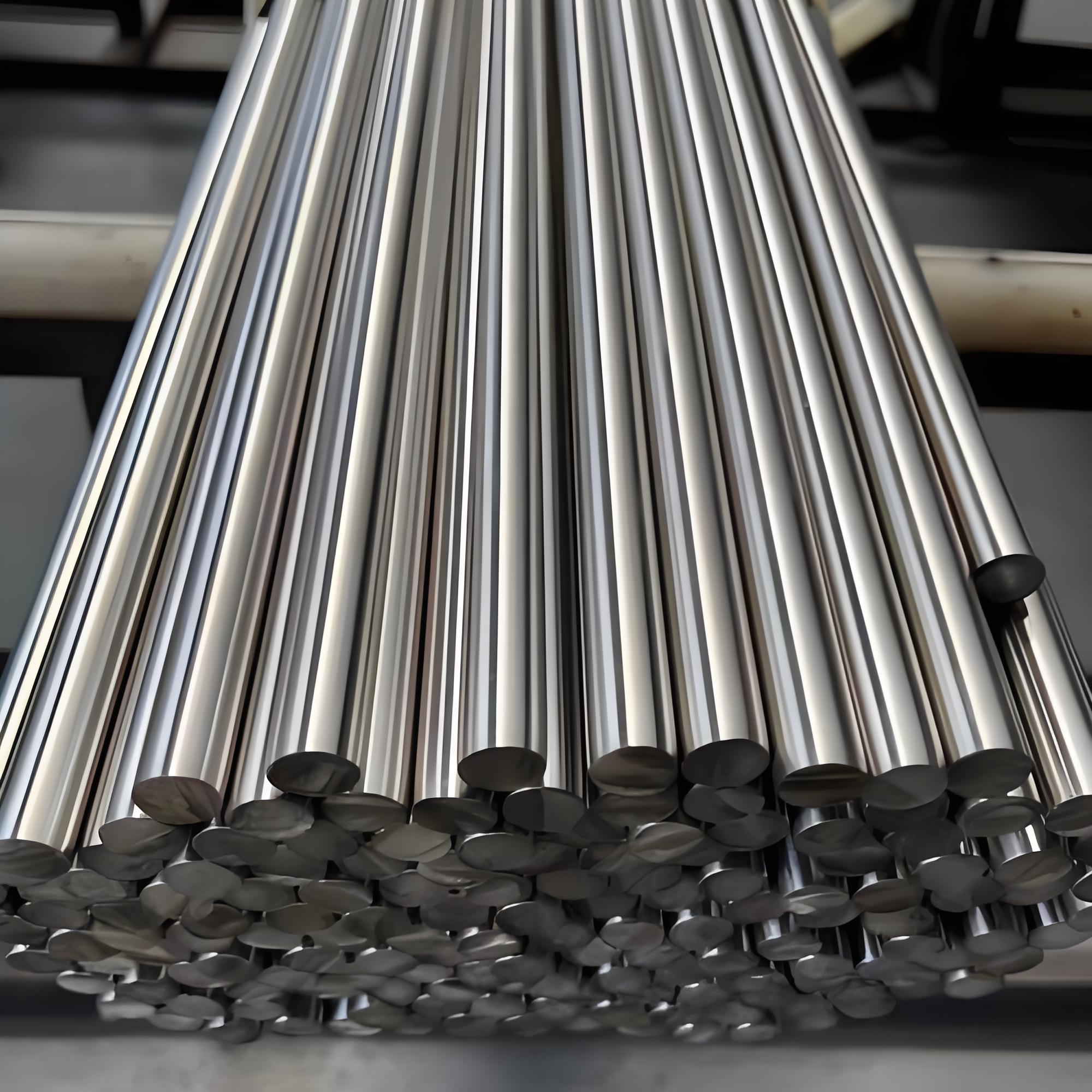
Many engineering projects require material traceability. The chemical composition shown in the MTC must match the required standard. If the document does not show correct composition, heat number, standard, or test result, the material may be rejected by the customer or inspection agency.
| Buying Concern | Why Composition Matters | What Buyers Should Check |
|---|---|---|
| Correct Grade | Confirms the bar is Monel 400 / UNS N04400 | Material name, UNS number, standard |
| Corrosion Resistance | Nickel and copper content determine service performance | Ni, Cu, Fe, Mn, C, Si, S values |
| Machining Quality | Stable composition supports predictable machining behavior | Heat number, delivery condition, hardness if required |
| Welding Reliability | Impurities and composition balance affect weld performance | C, S, Si, and standard compliance |
| Inspection Acceptance | Project documents must match specification | MTC, PMI, heat number, test reports |
MTC means Material Test Certificate. For Monel 400 bar, the MTC is the key document used to check chemical composition, mechanical properties, heat number, product size, standard, and delivery condition. When buyers receive a quotation or shipment, they should carefully check the MTC before using the material in critical projects.
The MTC should clearly show Monel 400, Alloy 400, or UNS N04400. If the document only says nickel alloy bar without a specific grade, it is not enough for serious industrial use. The UNS number helps confirm the exact alloy identity.
The MTC should show the applicable standard, such as ASTM B164 or another agreed specification. The chemical composition should be compared with the standard required in the purchase order. If the customer requires a specific standard, the MTC should match that requirement.
The MTC should list the actual tested values of nickel, copper, iron, manganese, carbon, silicon, sulfur, and other elements if required. These values should fall within the standard range. For Monel 400 bar, nickel should meet the minimum requirement and copper should normally fall within the specified range.
The heat number connects the physical bar to the test certificate. The heat number on the bar label, packing list, and MTC should match. Without heat number traceability, it is difficult to prove that the supplied bar and the certificate belong to the same batch.
Although this article focuses on chemical composition, mechanical properties should also be checked. Tensile strength, yield strength, elongation, hardness, and delivery condition may be required depending on the standard and project specification.
PMI means Positive Material Identification. It can quickly check major alloying elements such as nickel and copper. PMI is useful for incoming inspection, warehouse control, and preventing material mix-up. However, PMI may not accurately measure very light elements such as carbon or sulfur, so it should not fully replace laboratory chemical analysis or MTC review.
| MTC Check Point | What to Look For | Why It Matters |
|---|---|---|
| Material Name | Monel 400 / Alloy 400 | Confirms basic material identity |
| UNS Number | UNS N04400 | Confirms exact alloy designation |
| Standard | ASTM, ASME, or customer specification | Ensures composition and testing follow required rules |
| Chemical Values | Ni, Cu, Fe, Mn, C, Si, S | Verifies the bar meets Monel 400 composition range |
| Heat Number | Same number on MTC, label, and product | Provides traceability |
| Mechanical Properties | Tensile strength, yield strength, elongation, hardness if required | Confirms the bar meets performance requirements |
| Delivery Condition | Hot rolled, forged, annealed, cold drawn, peeled, ground | Affects machining, strength, and final use |
If a buyer orders Monel 400 round bar according to UNS N04400, the chemical composition table should show nickel at or above the minimum requirement, copper within the required range, and iron, manganese, carbon, silicon, and sulfur below their maximum limits. If copper is outside the specified range, or if the material does not show UNS N04400, the buyer should ask the supplier to clarify before accepting the shipment.
What is the main composition of Monel 400?
The main composition of Monel 400 is nickel and copper. Nickel is usually the base element with a minimum content of about 63%, while copper is commonly controlled around 28% to 34%. Small amounts of iron, manganese, carbon, silicon, and sulfur are also controlled according to the applicable standard. This nickel-copper composition gives Monel 400 bar excellent resistance to seawater, brine, marine atmosphere, alkalis, and many reducing environments.
Is Monel 400 the same as UNS N04400?
Yes, Monel 400 is commonly identified as UNS N04400. In purchasing documents, MTCs, and technical specifications, Monel 400, Alloy 400, Nickel Alloy 400, and UNS N04400 usually refer to the same nickel-copper alloy grade. When buying Monel 400 bar, the MTC should clearly show the correct grade name, UNS number, chemical composition, heat number, and applicable standard.
Does Monel 400 contain chromium?
Monel 400 does not use chromium as a major alloying element. Its corrosion resistance mainly comes from nickel and copper, not from a chromium oxide passive film like stainless steel. This is why Monel 400 performs very well in seawater, brine, and many reducing environments, but it is not the same as chromium-bearing alloys such as 304 stainless steel, 316 stainless steel, or Inconel 625.
More from this category
Incoloy 825 bar price depends on the nickel-based alloy composition, bar dimensions, manufacturing route, heat-treatment condition, surface finish, in...
Incoloy 800HT bar price is shaped by nickel, chromium, titanium, and aluminum raw-material costs, together with bar dimensions, heat-treatment conditi...
Incoloy 20 round bar price per kg depends on the alloy composition, bar size, manufacturing method, surface finish, tolerance, certificates, inspectio...
Hastelloy G-30 N06030 bar factory price is determined by the alloy’s high nickel, chromium, iron, molybdenum, copper, and tungsten content, together...
 English English
  Korean
 Arabic
 Spanish
 German
 Portuguese
 French
 Russian
 Italian
 Vietnamese