- E-mail: [email protected]
- WhatsApp: +86 18533346372
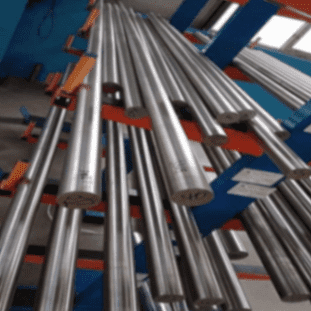
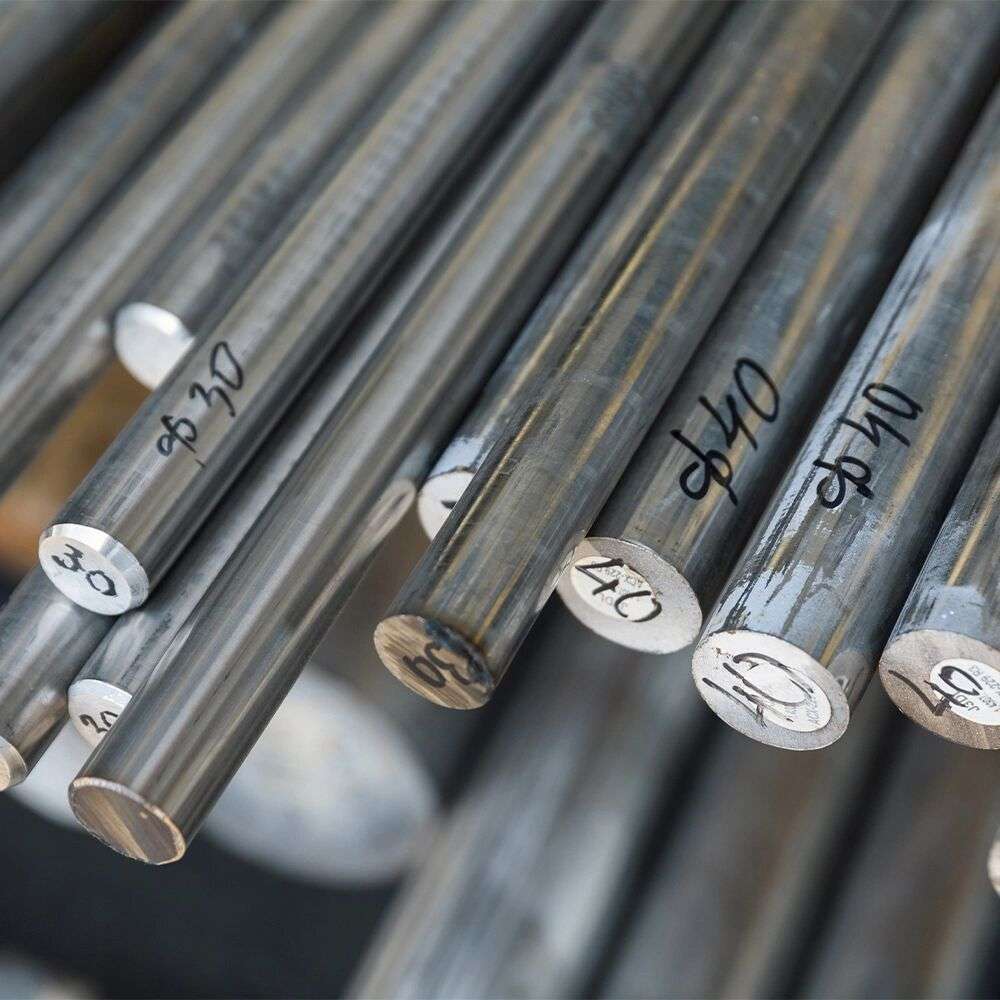
Inconel 690 bar, designated as UNS N06690 and conforming to DIN 17752, DIN 17751, and DIN 17750 standards for bar, sheet, and plate respectively, is a high-chromium nickel-based alloy specifically engineered for exceptional resistance to stress corrosion cracking and
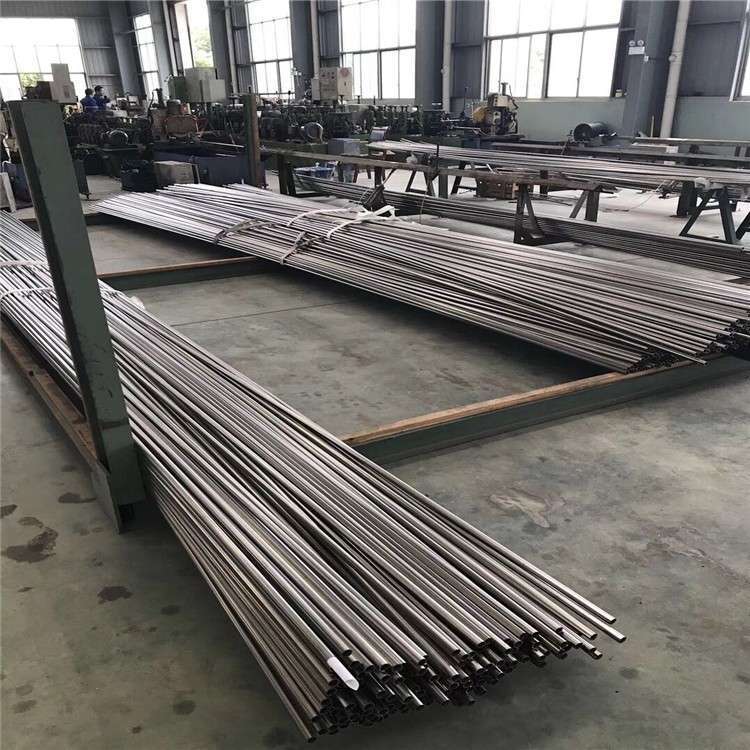
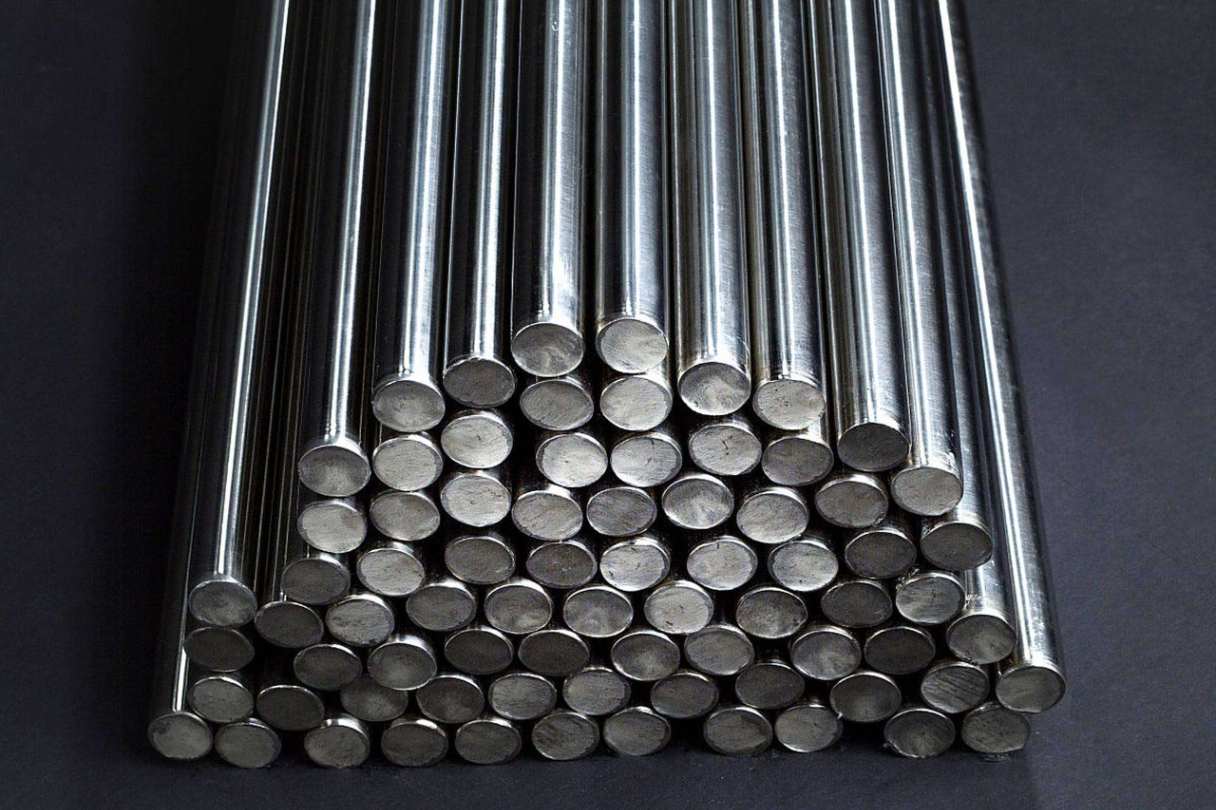
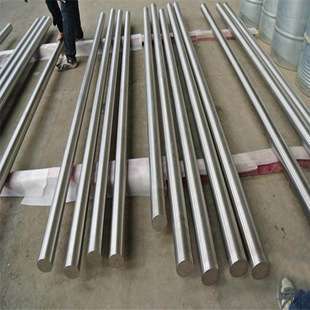
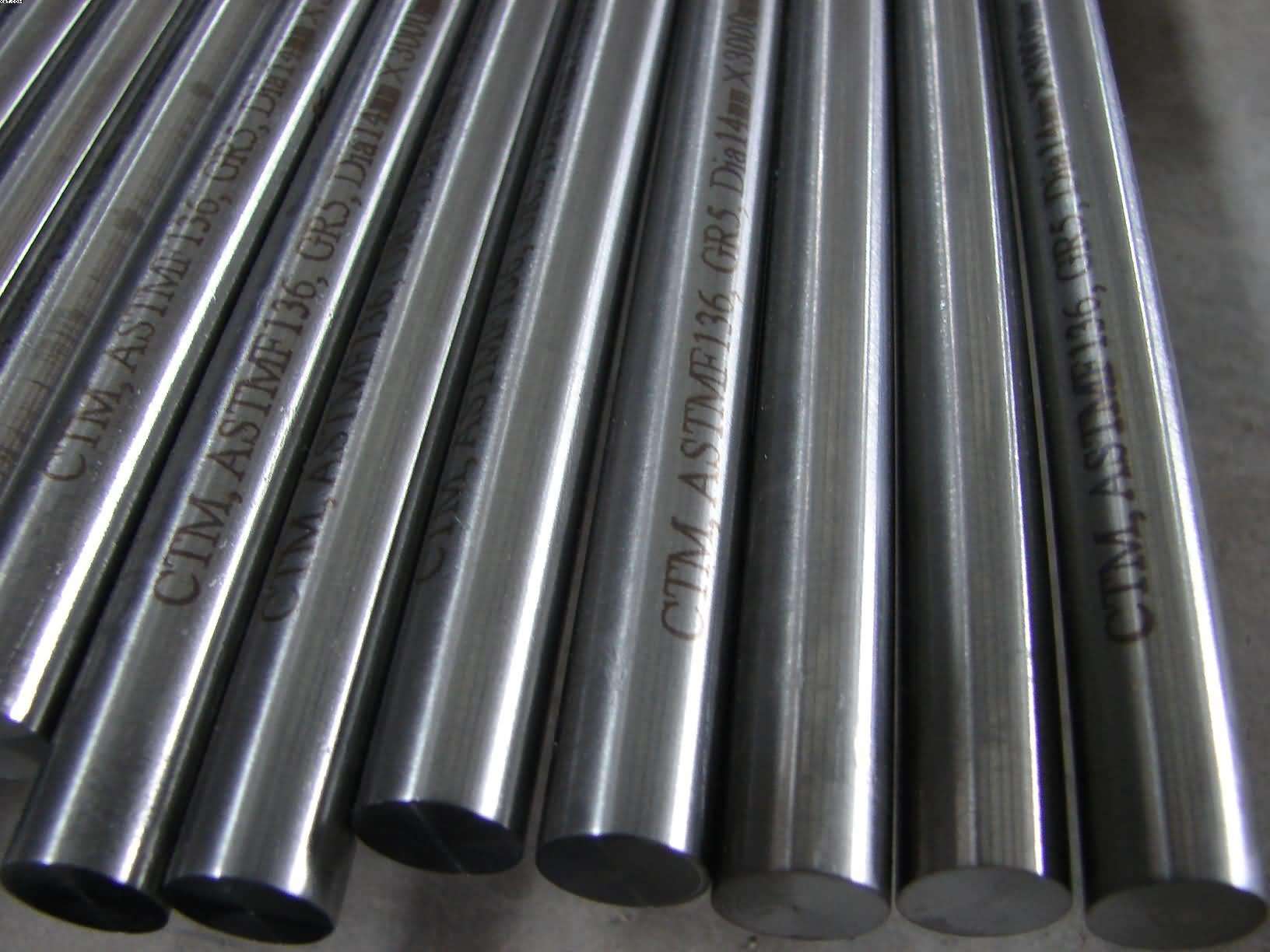
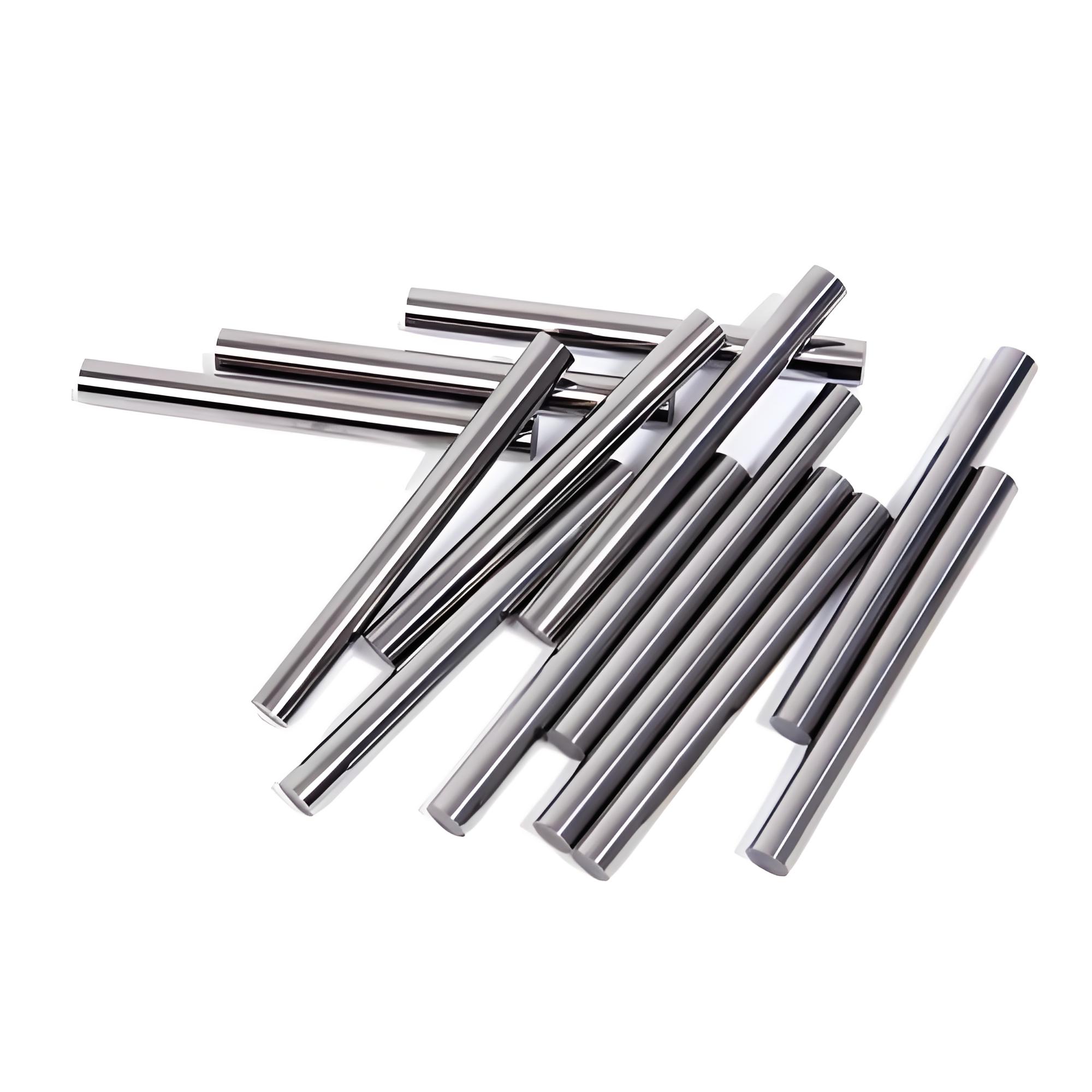
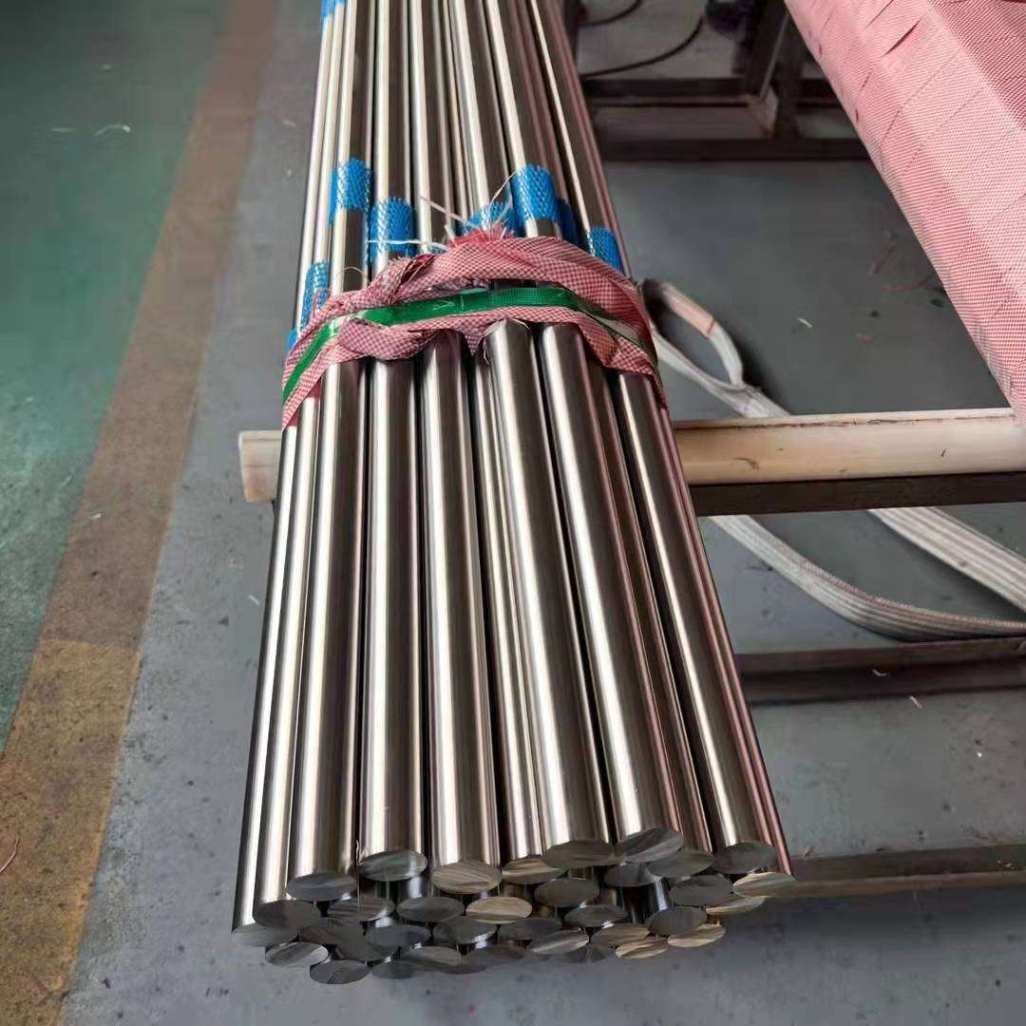
Inconel alloy 690 bar, designated as UNS N06690 and conforming to DIN 17752, DIN 17751, and DIN 17750 standards for bar, sheet, and plate respectively, is a high-chromium nickel-based alloy specifically engineered for exceptional resistance to stress corrosion cracking and oxidation in high-temperature aqueous environments. This bar stock form serves as a critical raw material for machining components in nuclear power, chemical processing, and waste incineration industries where long-term reliability under corrosive conditions is paramount.
Inconel 690 is an austenitic nickel-chromium-iron alloy developed as an enhanced version of Alloy 600. Its significantly higher chromium content (approx. 29%) dramatically improves its resistance to oxidizing media, sulfur-containing atmospheres, and most importantly, intergranular attack and stress corrosion cracking in high-temperature water. This makes the bar stock ideal for fabricating pressure vessel penetrations, heat exchanger tubesheets, and other structural components in demanding service.
The superior corrosion resistance of Inconel 690 bar originates from its meticulously balanced chemistry. Shanghai NC Metal Materials Co., Ltd. supplies bar stock that strictly adheres to the compositional limits set by international specifications, ensuring consistent performance in critical applications.
| Element | Percentage (%) – Typical Range | Primary Role in the Alloy |
|---|---|---|
| Nickel (Ni) | ≥ 58.0 | Base element; provides excellent resistance to chloride stress corrosion cracking and reducing chemicals. |
| Chromium (Cr) | 27.0 – 31.0 | Key element; imparts outstanding resistance to oxidizing corrosives, sulfur compounds, and high-temperature oxidation. Crucial for resisting stress corrosion cracking in pure water. |
| Iron (Fe) | 7.0 – 11.0 | Balances the microstructure and contributes to solid-solution strength. |
| Carbon (C) | 0.05 max | Kept very low to prevent sensitization (chromium carbide precipitation) during welding or high-temperature exposure, preserving corrosion resistance. |
| Manganese (Mn) | 0.50 max | Deoxidizer and sulfur control agent. |
| Silicon (Si) | 0.50 max | Enhances oxidation resistance. |
| Copper (Cu) | 0.50 max | Residual element; controlled to maintain corrosion properties. |
| Aluminum (Al) | 0.50 max | Residual element. |
| Titanium (Ti) | 0.50 max | Residual element. |
Inconel Alloy 690 bar exhibits a good combination of strength and ductility, particularly in the annealed condition. Its mechanical properties are stable over a wide temperature range, making it suitable for high-pressure, high-temperature components.
| Mechanical Property | Typical Value at Room Temperature (Annealed) | Typical Value at 350°C (660°F) | Relevant Standard (e.g., ASTM B166 for Bar) |
|---|---|---|---|
| Tensile Strength | ≥ 585 MPa (85 ksi) | ≈ 480 MPa (70 ksi) | ASTM B166 |
| Yield Strength (0.2% Offset) | ≥ 240 MPa (35 ksi) | ≈ 200 MPa (29 ksi) | ASTM B166 |
| Elongation in 2 inches (50mm) | ≥ 30% | ≥ 30% | ASTM B166 |
| Hardness (Rockwell B) | ≤ 92 HRB | N/A | ASTM B166 |
| Reduction of Area | ≈ 40% | N/A | – |
The physical characteristics of Inconel 690 are essential for thermal, electrical, and mechanical design calculations in engineering applications. Its low thermal expansion coefficient is a notable feature.
| Physical Property | Value at Room Temperature (20°C / 68°F) | Notes / Condition |
|---|---|---|
| Density | 8.19 g/cm³ (0.296 lb/in³) | – |
| Melting Range | 1343 – 1377°C (2450 – 2510°F) | – |
| Specific Heat | 450 J/kg·°C (0.107 BTU/lb·°F) | At 100°C |
| Thermal Conductivity | 12.5 W/m·K (86.5 BTU·in/hr·ft²·°F) | At 212°F (100°C) |
| Mean Coefficient of Thermal Expansion | 13.8 μm/m·°C (7.7 μin/in·°F) | 20-100°C (68-212°F) |
| Electrical Resistivity | 1.15 μΩ·m (45.3 μΩ·in) | At 20°C |
| Modulus of Elasticity (Tensile) | 211 GPa (30.6 x 10^6 psi) | At 20°C |
| Poisson’s Ratio | 0.29 | At 20°C |
Shanghai NC Metal Materials Co., Ltd. supplies Inconel 690 bar in various forms, meeting a comprehensive set of international and industry-specific standards critical for nuclear and chemical applications.
| Product Form | Standard Size Range | Standard Specifications (Bar Focus) | Common Conditions |
|---|---|---|---|
| Round Bar | 6mm (0.25″) to 400mm (16″) Diameter | ASTM B166 (UNS N06690), ASME SB-166, DIN 17752, RCC-M M4101 | Hot Finished & Annealed, Cold Drawn & Annealed, Peeled/Turned, Centerless Ground |
| Hexagonal Bar | 8mm to 100mm Across Flats | ASTM B166, DIN 17752 | Hot Rolled & Annealed |
| Square Bar | 8mm to 100mm Width | ASTM B166 | Hot Rolled & Annealed |
| Flat Bar / Forging Billet | Thickness: 10-200mm; Width: 50-500mm | ASTM B168 (Sheet/Plate), DIN 17751, Custom Forging Specs | Hot Rolled & Annealed, As-Forged & Annealed |
Machined from bar stock, Inconel 690 components are primarily used in: Nuclear Power Generation: Steam generator tubesheets, heater sleeves, penetration nozzles, and control rod drive mechanisms in pressurized water reactors (PWRs). Chemical & Petrochemical Processing: Components in nitric acid production, pickling tanks, and radioactive waste processing systems. Pollution Control: Structural parts in flue gas desulfurization (FGD) systems and waste incinerators.
Inconel 690 bar is machinable using techniques standard for austenitic nickel alloys, but its high work-hardening rate requires attention. Recommendations include: using rigid machine tools, sharp carbide or ceramic cutting tools with positive rake angles, moderate to low cutting speeds, and firm, continuous feed rates to avoid work hardening at the cut surface. High-pressure, copious coolant flow is essential for heat dissipation and chip removal.
The price of Inconel 690 bar from Shanghai NC Metal Materials Co., Ltd. is influenced by its high nickel and chromium content, stringent manufacturing requirements for nuclear grades, and specific customer demands. Pricing is typically per kilogram and varies with order specifics.
| Pricing Factor | Impact on Reference Price | Buyer Guidance |
|---|---|---|
| Material Grade & Certification | Nuclear-grade bar (with RCC-M, ASME NCA-3800 certs) commands a significant premium over standard industrial grade due to extensive documentation and testing. | Clearly specify the required grade and certification level for your application to obtain accurate pricing. |
| Bar Size & Dimensional Tolerance | Large diameter bars (>200mm) and bars requiring tight dimensional tolerances (e.g., h11) are more expensive to produce. | Review design tolerances; specify commercial tolerances where possible to reduce cost. |
| Quantity & Order Complexity | Large, continuous-weight orders from a single heat lot are most cost-effective. Small cuts or multiple small diameters increase processing cost. | Consolidate requirements and order full lengths when feasible. |
| Testing & Documentation | Additional tests (e.g., Charpy impact, intergranular corrosion test per ASTM G28, extensive NDE) add substantial cost. | Specify only the tests required by the governing design code or customer specification. |
We are factory wholesale price, and the prices are lower than 95% of suppliers. Our professional quotation will help you with your project. Expecting our long-term cooperation. )
 English English
  Korean
 Arabic
 Spanish
 German
 Portuguese
 French
 Russian
 Italian
 Vietnamese