- E-mail: [email protected]
- WhatsApp: +86 18533346372
Home > Products > Inconel bar > Inconel 602CA/Alloy 602CA/RA 602CA bar
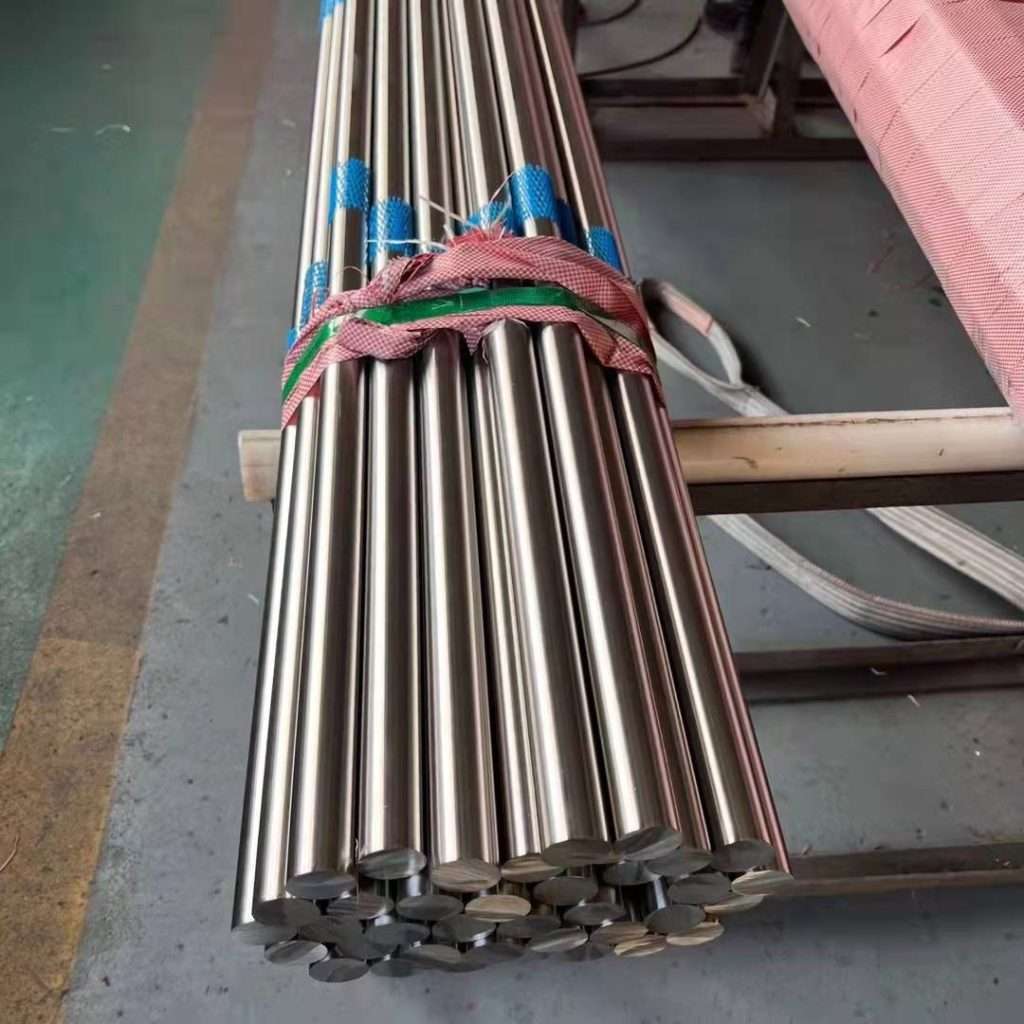
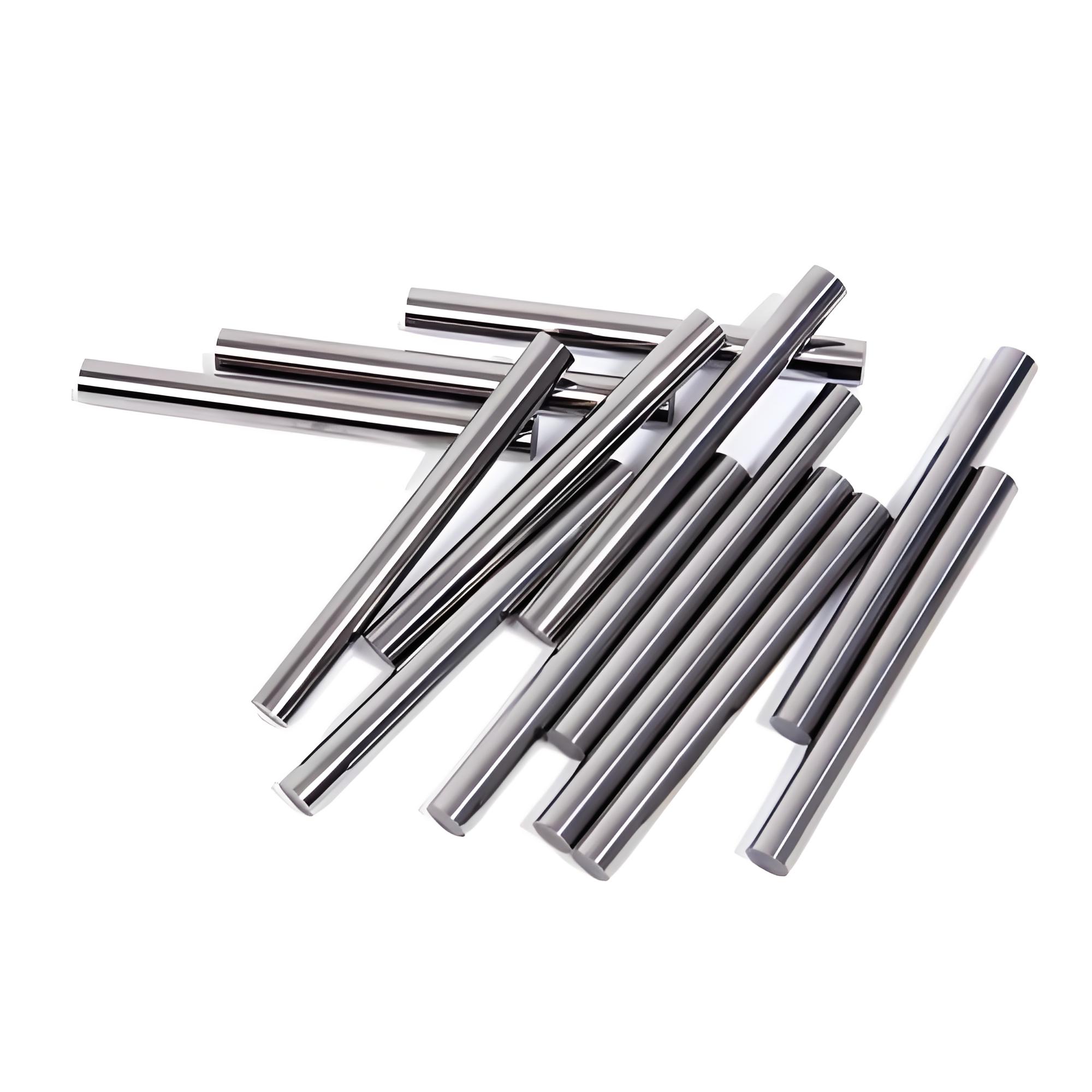
Inconel 602CA bar, also commonly referred to as Alloy 602CA or RA 602CA, is a high-performance nickel-chromium-iron-aluminum alloy specifically engine…
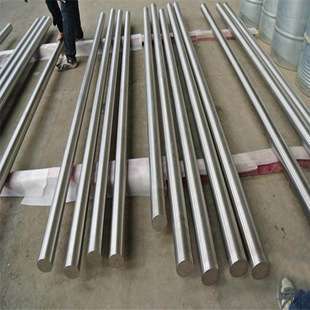
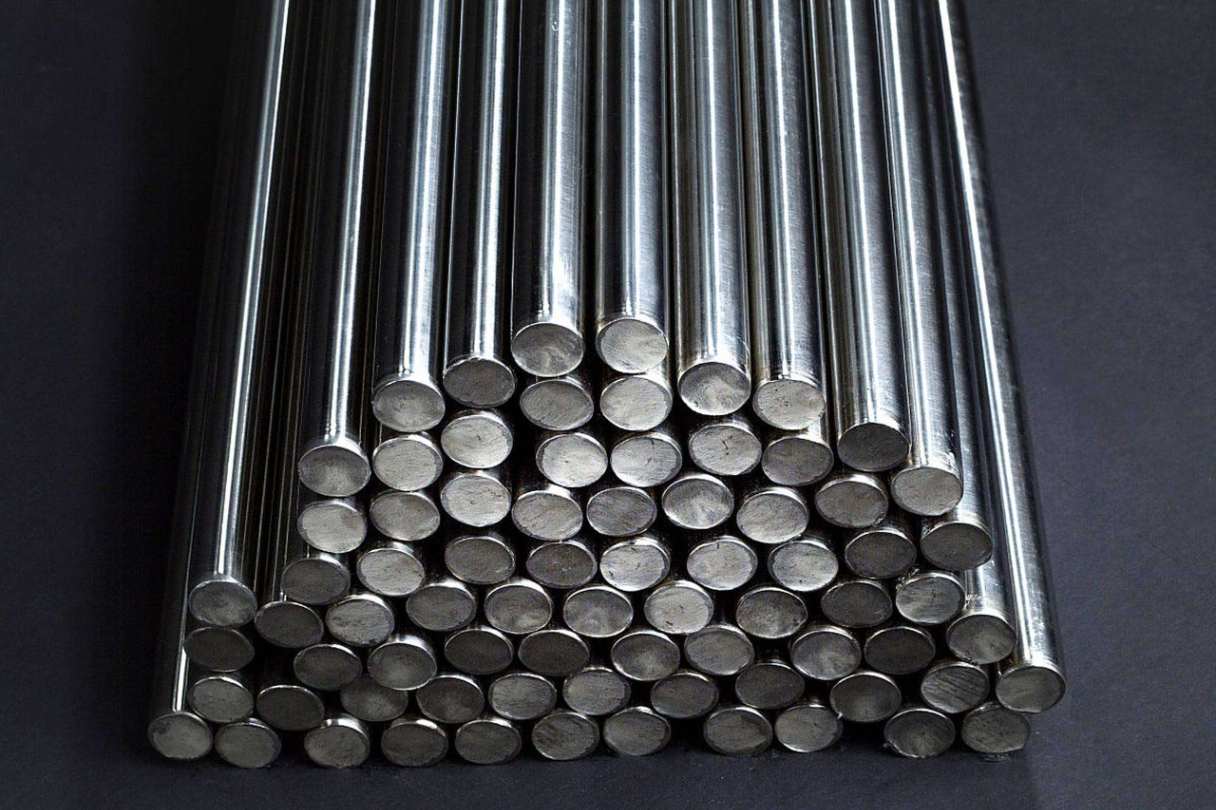
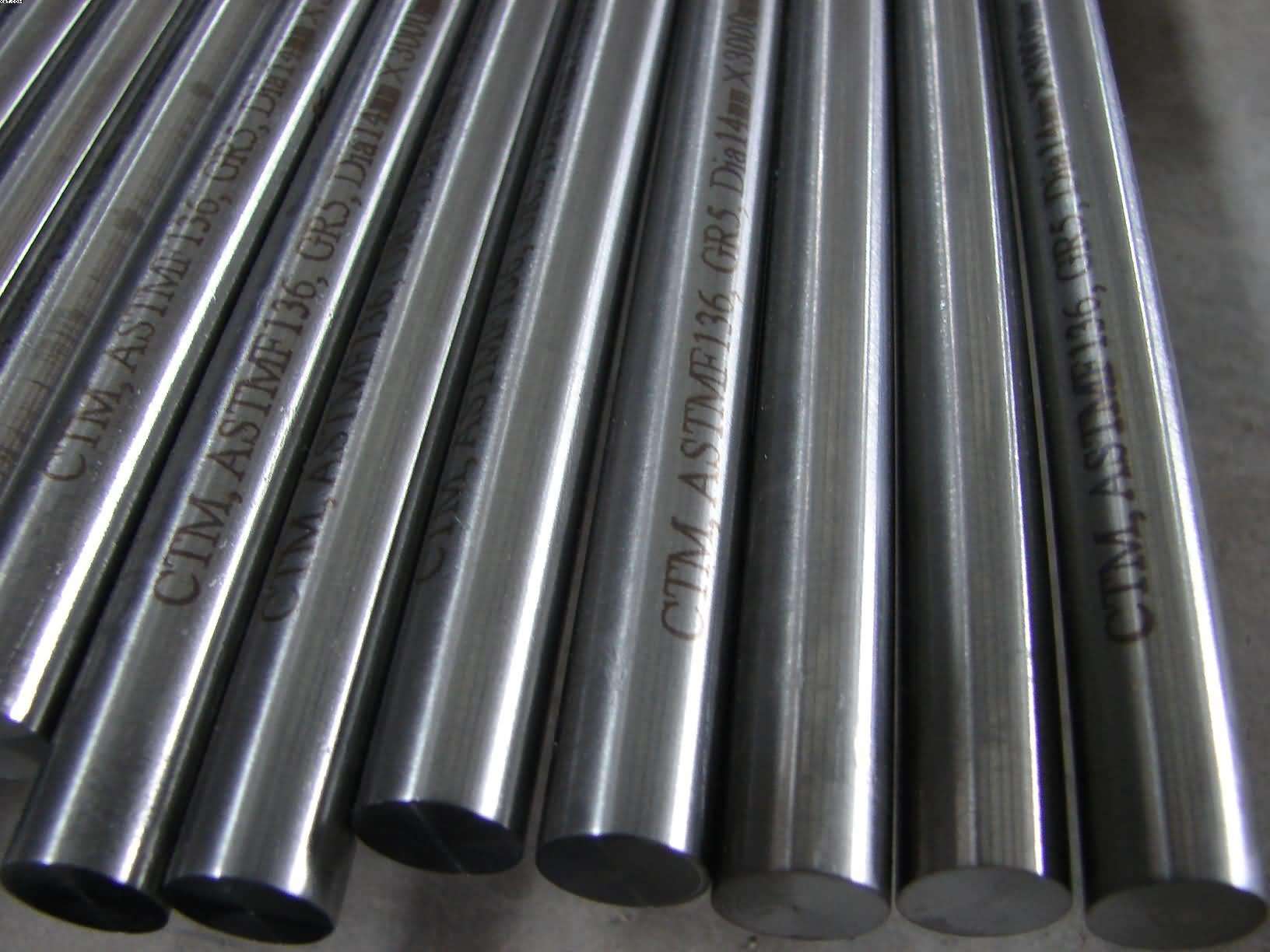
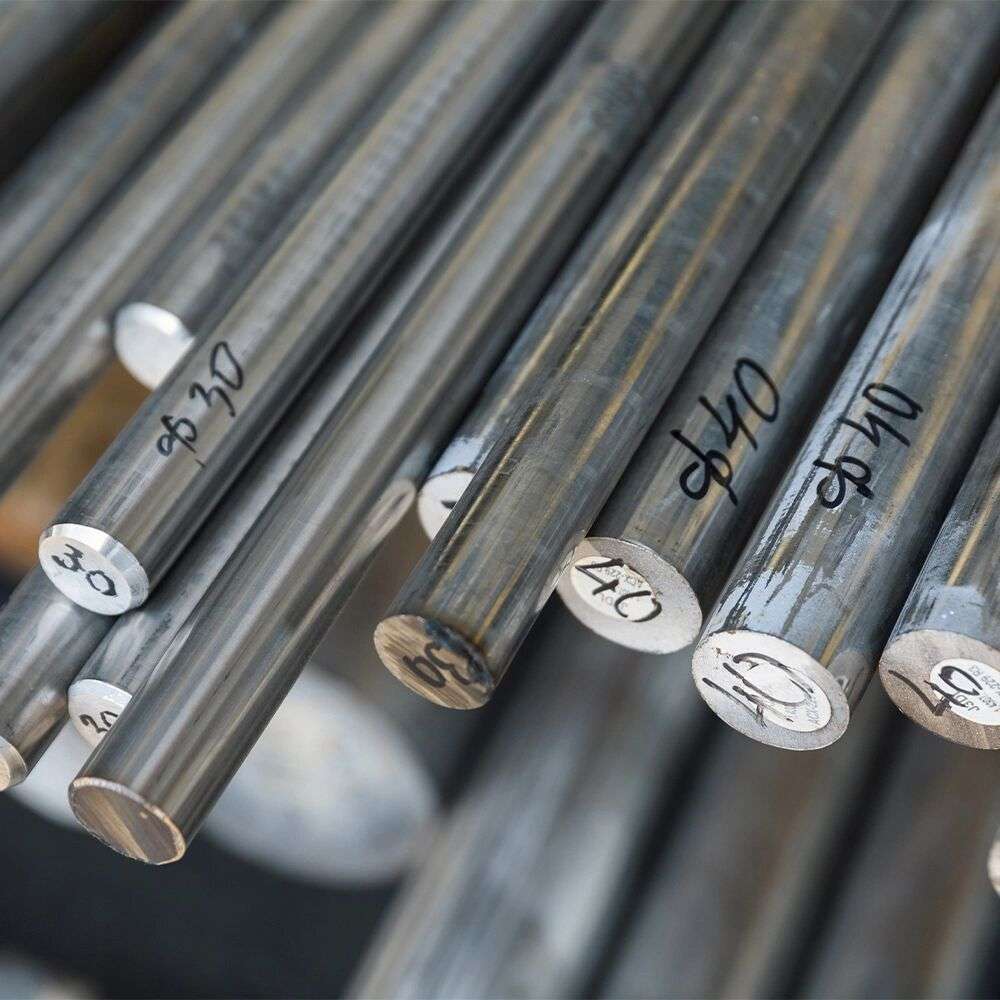
Inconel 602CA bar, also commonly referred to as Alloy 602CA or RA 602CA, is a high-performance nickel-chromium-iron-aluminum alloy specifically engineered for extreme temperature applications where exceptional oxidation, carburization, and nitriding resistance are required. The “CA” designation stands for “carburization resistant, aluminum enhanced,” highlighting its key attribute: the formation of a highly protective and stable alumina (Al2O3) scale at temperatures up to 1250°C (2280°F). This bar stock is a critical material for machining components in industrial heating, chemical processing, and power generation sectors.
Inconel 602CA represents a significant advancement in high-temperature alloy technology. By combining high chromium content with a precisely controlled high aluminum content and micro-alloying additions of zirconium and yttrium, it achieves an unparalleled ability to withstand aggressive oxidizing, carburizing, and sulfidizing atmospheres under cyclic heating conditions. The bar stock form is ideal for fabricating furnace fixtures, heat treatment retorts, radiant tubes, and other critical components subject to severe thermal cycling and corrosive environments.
The exceptional high-temperature stability of Inconel 602CA bar stems from its unique and tightly controlled chemical composition. Supplied by Shanghai NC Metal Materials Co., Ltd., the bar stock adheres to proprietary and industry-accepted specifications to ensure consistent performance in the most demanding service conditions.
| Element | Percentage (%) – Typical Range | Primary Function in the Alloy |
|---|---|---|
| Nickel (Ni) | Balance (≥ 60.0) | Forms the stable austenitic matrix, providing the foundation for high-temperature strength and basic corrosion resistance. |
| Chromium (Cr) | 24.0 – 26.0 | Provides excellent resistance to oxidation and sulfidation by forming a protective chromium oxide (Cr2O3) layer. |
| Iron (Fe) | 8.0 – 11.0 | Contributes to solid-solution strengthening and cost structure. |
| Aluminum (Al) | 1.8 – 2.4 | The most critical element. Enables the formation of a continuous, adherent, and slow-growing alumina (Al2O3) scale beneath the chromia layer, providing exceptional long-term protection against oxidation, carburization, and metal dusting. |
| Carbon (C) | 0.15 – 0.25 | Higher than in many nickel alloys; provides high-temperature strength through controlled carbide formation. |
| Yttrium (Y) | 0.05 – 0.12 | Rare earth addition that dramatically improves the adhesion (spalling resistance) of the protective oxide scale during thermal cycling. |
| Zirconium (Zr) | 0.01 – 0.10 | Micro-alloying addition that improves high-temperature strength and contributes to oxide scale adhesion. |
| Titanium (Ti) | 0.10 – 0.20 | Residual/controlled element. |
| Manganese (Mn) | 0.10 max | Residual element. |
| Silicon (Si) | 0.10 max | Residual element; kept very low to avoid silica formation which can impair scale stability. |
Inconel 602CA bar offers good high-temperature strength and, most importantly, retains its ductility and does not become embrittled after long-term high-temperature exposure. It is typically supplied in the solution-annealed condition.
| Mechanical Property | Typical Value at Room Temperature (Annealed) | Typical Value at 1100°C (2012°F) | Key Characteristic |
|---|---|---|---|
| Tensile Strength | 650 – 750 MPa (94 – 109 ksi) | ≈ 50 MPa (7.3 ksi) | Maintains useful strength at extreme temperatures. |
| Yield Strength (0.2% Offset) | 300 – 400 MPa (44 – 58 ksi) | ≈ 40 MPa (5.8 ksi) | – |
| Elongation in 2 inches (50mm) | ≥ 40% | ≥ 60% | Excellent ductility, even after aging at high temperature. |
| Hardness (Rockwell B) | 85 – 95 HRB | N/A | – |
| Creep Rupture Strength (1000h) | N/A | ≈ 25 MPa (3.6 ksi) at 1100°C | Outstanding load-bearing capability in ultra-high temperature service. |
The physical properties of Alloy 602CA bar are essential for designing systems involving significant thermal expansion and heat transfer.
| Physical Property | Value at Room Temperature (20°C / 68°F) | Notes / Condition |
|---|---|---|
| Density | 7.93 g/cm³ (0.286 lb/in³) | – |
| Melting Range | 1350 – 1380°C (2460 – 2520°F) | – |
| Specific Heat | ≈ 460 J/kg·°C (0.110 BTU/lb·°F) | At 100°C |
| Thermal Conductivity | 12.5 W/m·K (86.6 BTU·in/hr·ft²·°F) | At 100°C |
| Mean Coefficient of Thermal Expansion | 13.5 μm/m·°C (7.5 μin/in·°F) | 20-200°C (68-392°F) |
| Electrical Resistivity | 1.18 μΩ·m (46.5 μΩ·in) | At 20°C |
| Modulus of Elasticity (Tensile) | 215 GPa (31.2 x 10^6 psi) | At 20°C |
Shanghai NC Metal Materials Co., Ltd. supplies Inconel 602CA bar primarily to proprietary specifications from material developers and widely accepted industry standards. It is a specialized alloy with specific form availability.
| Product Form | Standard Size Range | Key Standard Specifications | Common Supply Conditions |
|---|---|---|---|
| Round Bar (Hot Rolled/Forged) | 12mm (0.5″) to 250mm (10″) Diameter | UNS N06025 (related but not identical), DIN 17744, Proprietary ThyssenKrupp VDM® Alloy 602 CA spec, Customer-specific forging specs. | Solution Annealed (typically 1150-1200°C water quench) |
| Hexagonal Bar | 12mm to 80mm Across Flats | DIN 17744, Proprietary specs | Solution Annealed |
| Square Bar | 12mm to 80mm Width | Proprietary specs | Solution Annealed |
| Forging Billet | 150mm to 400mm Diameter | Customer-specific forging specifications | As-Forged, Solution Annealed |
Machined or forged components from Alloy 602CA bar are used in the most severe high-temperature processes: Heat Treatment Industry: Radiant tubes, muffles, retorts, baskets, and fixtures for carburizing, nitriding, and sintering furnaces where resistance to carbon and nitrogen penetration is critical. Chemical & Petrochemical Processing: Reformer components, catalyst grid supports, and tubing in processes involving steam methane reforming and other syngas production. Power Generation: Combustion system components, heat recuperators, and fuel cell interconnects. Waste Incineration & Environmental: Grate bars, support elements, and thermocouple protection tubes in waste-to-energy plants.
Machining Inconel 602CA bar requires strategies for tough, high-temperature nickel alloys. Its high carbon and aluminum content contribute to its abrasiveness. Recommended practices include: using rigid machine setups with ample power; sharp carbide tools with positive or neutral rake angles (ceramic tools may also be used); moderate cutting speeds; consistent feed rates; and high-pressure coolant to manage heat and clear chips. It is generally more difficult to machine than standard Inconel 600 series alloys due to its higher strength and hardness in the annealed condition.
Alloy 602CA is weldable using standard processes like GTAW (TIG) and SMAW (Stick), but requires care due to its high aluminum content, which can lead to hot cracking. Use of matching or over-alloyed filler metals (e.g., alloys with higher niobium content) is recommended. Post-weld heat treatment is advisable to restore optimum corrosion and oxidation resistance in the heat-affected zone. The standard heat treatment for bar stock is solution annealing at 1150-1200°C followed by rapid cooling to achieve the best combination of ductility and high-temperature performance.
The price of Inconel 602CA bar from Shanghai NC Metal Materials Co., Ltd. is influenced by its specialized composition, particularly the high-cost additions of yttrium and zirconium, and the premium associated with its niche, high-performance application space.
| Pricing Factor | Impact on Reference Price | Procurement Guidance |
|---|---|---|
| Specialty Alloying Elements (Y, Zr, High Al) | The addition of yttrium and precise control of high aluminum and carbon content make this a premium-priced alloy, significantly more expensive than common grades like Inconel 600 or 601. | This alloy is selected for its specific performance, not cost. Ensure its superior oxidation/carburization resistance is genuinely required for the application to justify the investment. |
| Manufacturing Scale and Availability | As a niche alloy, it is not produced in the same high volumes as mainstream superalloys. This lower production scale and the specialized melting (often VIM/VAR) contribute to a higher base cost. | Lead times may be longer than for standard alloys. Plan procurement accordingly for project timelines. |
| Form and Size | Large diameter forging billets and custom extruded or drawn shapes carry a premium. Standard hot-rolled round bar is the most readily available and cost-effective form. | Design components to use standard bar sizes. Complex shapes might be more economically produced from bar via machining rather than seeking a custom extruded profile. |
| Certification and Testing | Certification to specific high-temperature property guarantees (e.g., oxidation weight gain per ASTM G54, carburization testing) or for use in pressure equipment (ASME approval) adds to the cost. | Discuss with Shanghai NC Metal Materials Co., Ltd. the availability of standard mill certifications and whether project-specific testing data is available from prior orders to avoid duplicate testing charges. |
We are factory wholesale price, and the prices are lower than 95% of suppliers. Our professional quotation will help you with your project. Expecting our long-term cooperation. )
 English English
  Korean
 Arabic
 Spanish
 German
 Portuguese
 French
 Russian
 Italian
 Vietnamese