
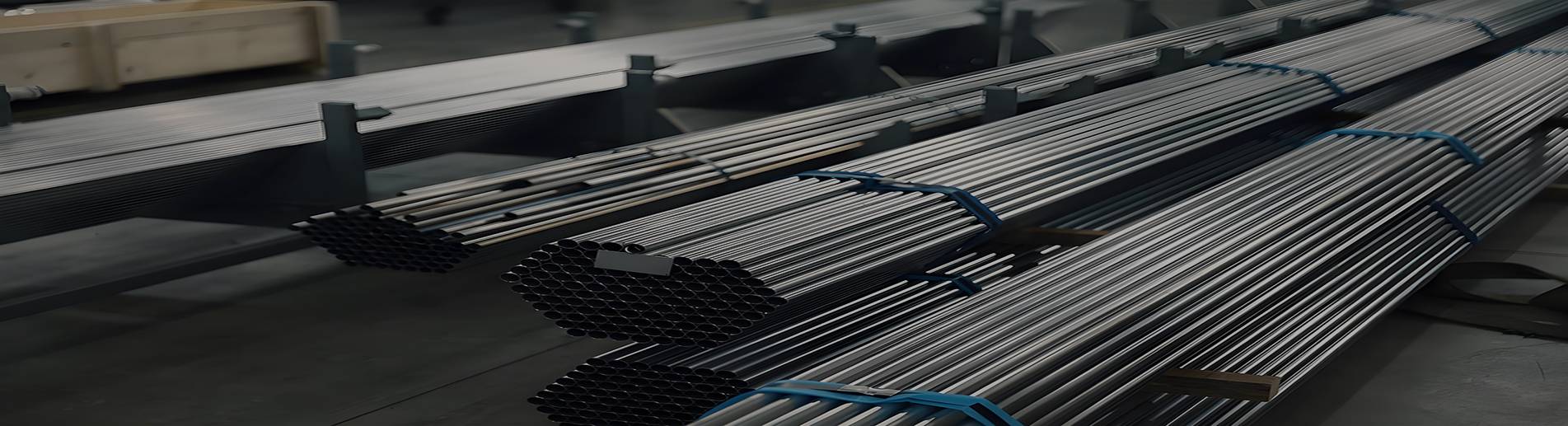
Inconel 617 alloy round bar price per kilogram
Inconel 617 alloy round bar price per kilogram is commonly about USD 45 to 90 per kg for standard industrial stock sizes. Large forged bars, small pre...
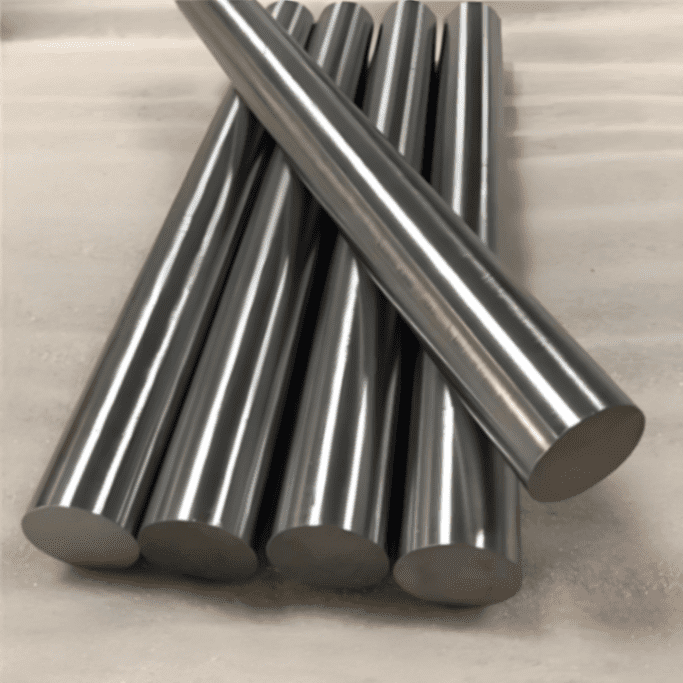
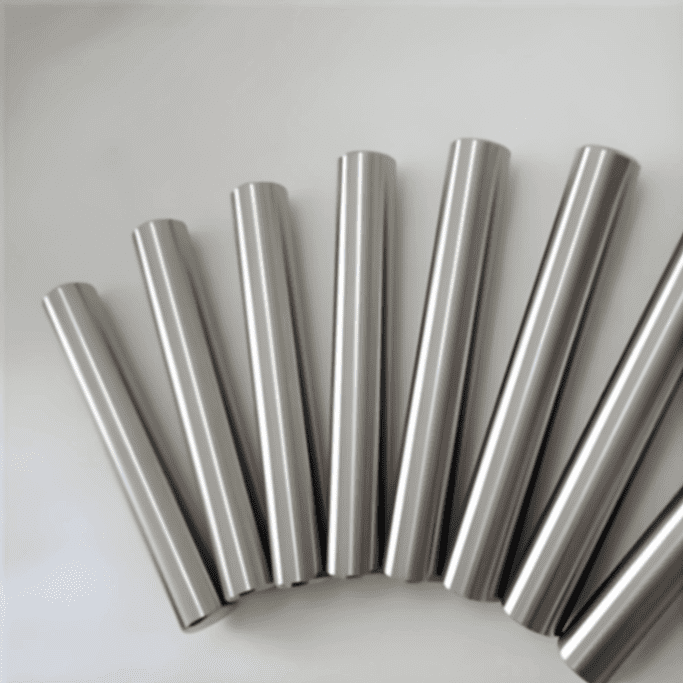
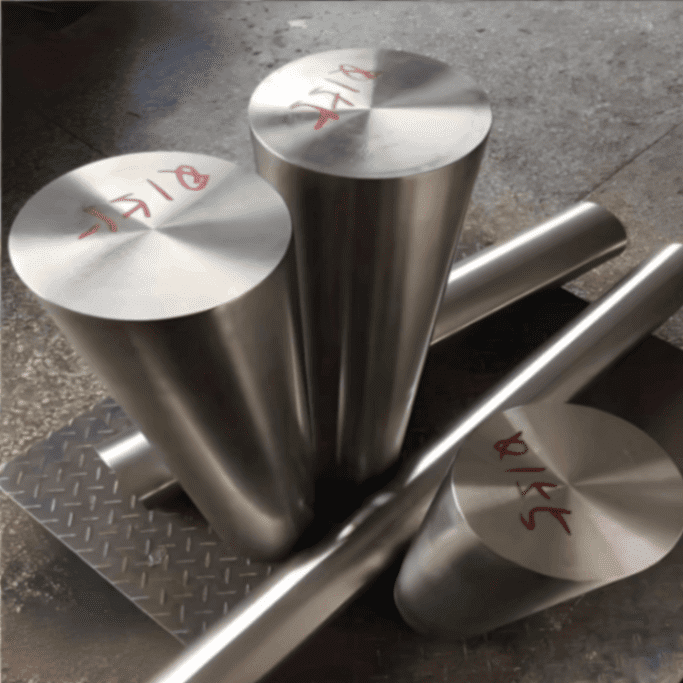
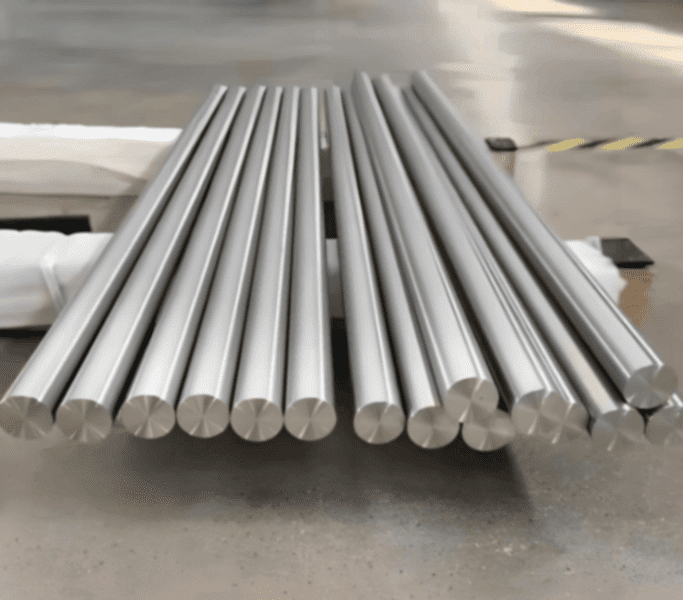
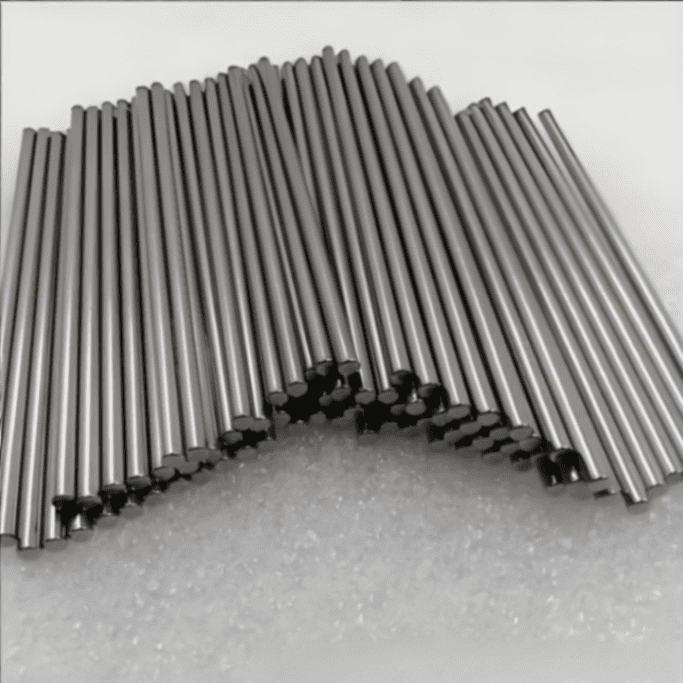
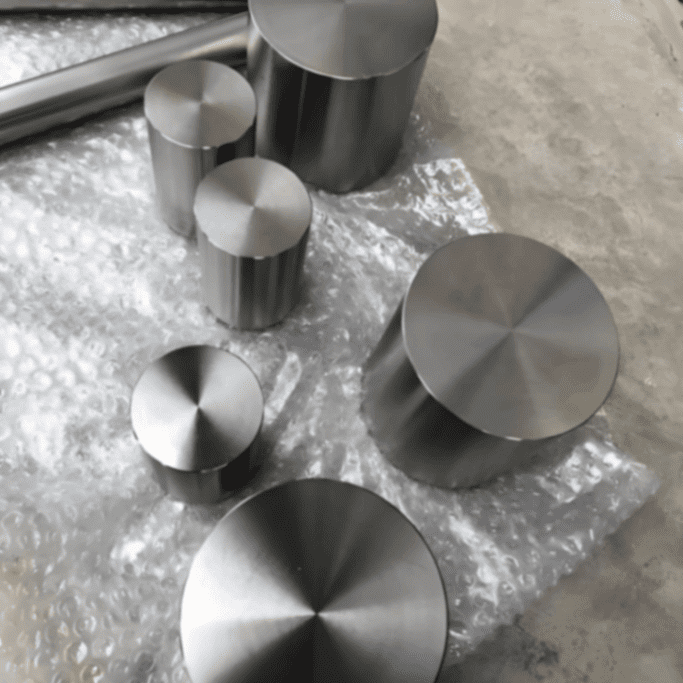
When discussing the Hastelloy C-276 bar maximum service temperature, it is important to focus on the bar product form rather than only the alloy name. In actual plant service, a solid bar behaves differently from a thin-wall tube or sheet because thermal mass, section thickness, surface condition, and heat stress distribution all influence its usable temperature range. Based on production experience and technical support practice at Shanghai NC Metal Materials Co., Ltd., Hastelloy C-276 bar can generally be used at 900–1000°C for short-term exposure in oxidizing atmosphere, at not more than 900°C for long-term oxidizing service, and around 1050°C in reducing or inert atmosphere. In corrosive media, however, the practical limit is usually kept at or below 400°C, because corrosion resistance declines significantly once temperature becomes too high.
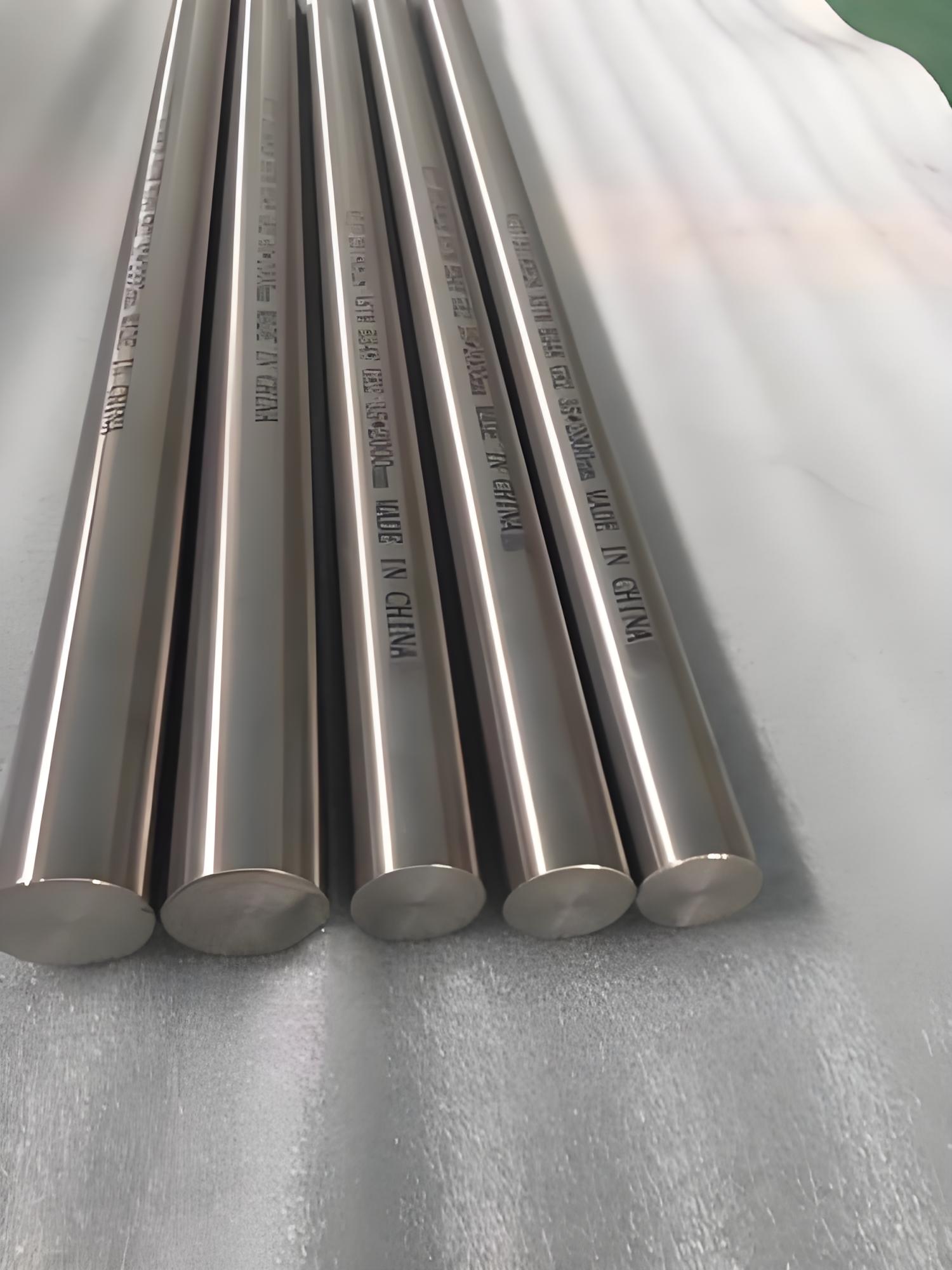
For procurement teams and design engineers, the first question is usually simple: how hot can Hastelloy C-276 bar really go? The practical answer depends on whether the service is oxidizing, reducing, inert, or chemically corrosive. A single number is not sufficient for safe material selection.
In oxidizing atmosphere, such as static air or furnace gas containing oxygen, Hastelloy C-276 bar can generally tolerate 900–1000°C for short periods. This short-term range is suitable for temporary heating, startup fluctuation, upset conditions, or limited thermal excursions where the bar does not remain under severe load for long durations.
For long-term oxidizing service, our recommendation is more conservative: keep the bar at 900°C or below. This is the more relevant limit for users who expect stable operation over months or years. At higher temperature, oxidation thickens, scale adhesion weakens, and repeated thermal exposure can lead to surface degradation.
In reducing or inert atmospheres, such as hydrogen-rich, carbon monoxide-rich, or protected non-oxidizing furnace conditions, Hastelloy C-276 bar may be used up to around 1050°C. In these cases, oxidation is no longer the main limitation, although high-temperature strength loss and microstructural change still require consideration.
In corrosive media, especially those containing chlorides, wet acids, or mixed aggressive chemistry, the maximum practical temperature is usually limited to 400°C or below. This point is often misunderstood. C-276 is famous for excellent corrosion resistance, but high temperature can accelerate corrosion kinetics sharply. Above this threshold, even a strong corrosion-resistant alloy may begin to lose its margin of safety.
The bar product form has its own service characteristics. A solid bar is not simply a tube with more wall thickness. It stores heat differently, cools more slowly, and can experience different temperature gradients between the surface and the core. These effects must be considered when setting the service limit.
Compared with thin-wall tube, solid bar generally has a larger heat capacity. This means the bar may tolerate slightly higher short-term thermal exposure, often by roughly 20–30°C, because temperature penetration into the core is slower and short spikes do not affect the entire cross-section immediately. However, this does not mean a solid bar is automatically better for long-term overtemperature use. Long duration exposure can create internal stress and grain coarsening, especially in larger diameters.
Surface finish also matters. Turned, bright, or ground bars usually show somewhat better oxidation resistance than black surface bars, because smoother surfaces reduce local crack initiation sites and make oxide scale formation more uniform. A rough black scale surface may trap defects, encourage local oxide separation, and create weak points during thermal cycling.
For large diameter bars above about 100 mm, the core heat stress risk becomes more important. During heating and cooling, the surface and center do not expand and contract at exactly the same rate. This can create internal thermal stress, particularly under cyclic conditions. For this reason, when large bars are used for long-term hot service, we typically recommend staying at or below 900°C.
These bar-specific effects are especially relevant for valve stems, stirrer shafts, furnace supports, and heavy machined components. A small bar in short exposure and a large machined shaft in continuous service should never be assigned the same temperature limit without adjustment.
The usable temperature of Hastelloy C-276 bar changes significantly with operating condition. The environment determines whether the main risk is oxidation, thermal fatigue, chloride attack, sulfur damage, or general mechanical weakening.
| Service Condition | Maximum Temperature | Main Limitation |
| Static air / thermal cycling | 900–950°C / 850–900°C | Oxide scale growth, spallation, thermal stress |
| Reducing gas / chloride media | 1000–1050°C / ≤400°C | Strength loss in heat, rapid corrosion in aggressive media |
In static air, a practical upper range of 900–950°C is commonly used for bar applications. The limitation is mainly oxide film thickening and eventual spallation. Once oxide scale begins to detach, fresh alloy surface is exposed repeatedly, which speeds up material loss.
Under cyclic heating and cooling, the range is lower, around 850–900°C. The repeated expansion and contraction generate thermal stress, and oxide scale is more likely to crack and fall away. This is often more damaging than steady heating at the same nominal temperature.
In reducing atmospheres such as hydrogen or carbon monoxide, a range of 1000–1050°C is possible because oxidation is minimized. Even so, the bar still suffers from strength reduction and microstructural change if heavily loaded or held for long periods.
In chloride-bearing or acidic gas environments, the practical limit is usually 400°C or below. In seawater or chloride solutions, many engineers prefer to stay at or below 350°C because pitting and crevice corrosion can become much more dangerous as temperature rises.
In sulfur-containing atmospheres, the practical upper range is about 800°C. This limit helps reduce the risk of low-melting nickel-sulfur eutectic formation, which can severely damage surface integrity and service reliability.
From a manufacturing and inspection perspective, the main high-temperature issue is not only whether the bar survives exposure, but how much performance it loses during service. This includes tensile strength, oxidation behavior, grain stability, and toughness retention.
At room temperature, Hastelloy C-276 bar typically shows tensile strength around 750 MPa. This level supports demanding corrosion-service applications at ambient or moderate process temperature. As temperature rises, however, the alloy gradually shifts from corrosion-dominant behavior to hot-strength-limited behavior.
At 800°C, tensile strength falls to about 550 MPa. At this stage, the bar may still be usable for moderate load, depending on design margin and exposure time. At 900°C, the tensile strength drops further to around 300 MPa, which is a major decline for shafts, stems, and structural support pieces.
At 1000°C, the tensile strength may be only around 140 MPa. This makes it unsuitable for demanding long-term load-bearing bar applications, even though the alloy itself has not melted and may still appear structurally intact from a visual standpoint.
| Temperature | Tensile Strength | Typical Observation |
| Room temp / 800°C | about 750 / 550 MPa | Useful load-bearing range |
| 900°C / 1000°C | about 300 / 140 MPa | Rapid loss of hot strength |
Oxidation weight gain is another useful reference. In our production-related experience, exposure at 950°C for 100 hours can produce oxidation weight gain around 2 mg/cm². The material is still usable in some cases, but the surface will show discoloration and oxide scale development. For customers requiring clean surface, repeat machining or post-service finishing may become necessary.
Grain growth is also important. If Hastelloy C-276 bar is held above 1000°C for a long time, grains can coarsen significantly. This often reduces impact toughness by about 30–50%, especially when compared with properly annealed material. For bars used in dynamic service or thermal cycling, this loss of toughness can be more critical than the visible oxidation itself.
Many buyers compare Hastelloy C-276 bar with Inconel 625 bar, Inconel 600 bar, Inconel 601 bar, and Haynes 230 bar. These comparisons are useful because each alloy is optimized for a different balance of corrosion resistance, oxidation resistance, and hot mechanical performance.
| Bar Grade | Oxidizing Temperature Limit | Typical Use |
| C-276 / 625 / 600 | 900–950 / 950–1050 / 1050–1100°C | Corrosion, balanced service, heat duty |
| 601 / Haynes 230 | 1150–1200 / about 1150°C | Extreme oxidation and hot strength |
Hastelloy C-276 bar is best suited to applications combining severe corrosion with moderate-to-high temperature, rather than extreme high-temperature oxidation. If corrosion is the main challenge and the temperature remains below about 400°C in aggressive media, C-276 is often one of the safest premium choices.
Inconel 625 bar is often preferred when the job involves elevated temperature together with moderate corrosion. Its oxidation limit is somewhat higher, and in some cases it offers a better price-to-performance balance than C-276 for service in the 500–800°C range where corrosion is not extremely severe.
Inconel 600 bar works well for higher-temperature and reducing environments, but it does not provide the same broad wet corrosion resistance as C-276. Inconel 601 bar is a much stronger option for extreme oxidation and cyclic furnace exposure because of its aluminum-assisted oxide film. Haynes 230 bar is often chosen for high-temperature strength combined with oxidation resistance.
From a purchasing standpoint, this comparison also affects reference U.S. dollar cost planning. C-276 bar is often priced at a premium because of its nickel, molybdenum, and tungsten content. If the actual service need is mainly thermal rather than corrosive, using 601 or 230 may deliver better life at a more rational total project cost.
Practical cases often explain alloy selection better than specification sheets. One common example is a chemical plant stirrer shaft operating in hydrochloric acid-containing media at around 380°C. In this case, Hastelloy C-276 bar performed well for more than five years because the temperature stayed below the practical corrosion threshold and the alloy’s corrosion resistance was the key requirement.
Another case involved bars used in molten salt thermal storage around 850°C, with chloride-containing salt exposure. Here, C-276 bar developed pitting within about three months. Although the nominal temperature was not beyond what some users consider moderate for nickel alloys, the chloride-rich high-temperature environment was too aggressive. After replacement with Inconel 625 in that specific design context, service stability improved.
In a heat treatment furnace shelving application at around 950°C in oxidizing atmosphere, C-276 bar survived for a period but developed significant oxide scale spallation after about two years. The customer later changed to Inconel 601 bar, and service life improved due to the superior cyclic oxidation resistance of that alloy.
For a deep-sea drilling valve stem operating at only 120°C in seawater environment, Hastelloy C-276 bar showed no service problem at all. This is exactly the type of application where C-276 bar performs strongly: relatively moderate temperature combined with harsh chloride-bearing corrosion conditions.
These examples show that the same alloy bar can be either an excellent long-life choice or a poor selection, depending entirely on the combination of temperature, medium, and exposure mode.
At Shanghai NC Metal Materials Co., Ltd., each batch of Hastelloy C-276 bar is supplied with chemical composition report and room-temperature tensile data in line with ASTM B574 practice for bar products. These are standard mill quality control items and form the basic foundation for traceable delivery.
For high-temperature service, however, standard room-temperature certification alone is not enough. Before using C-276 bar above 800°C, we recommend confirming that the surface is clean and free from heavy oil contamination, deep scratches, or machining damage. Surface defects can act as stress concentrators and may accelerate oxidation-related cracking during hot service.
For applications involving repeated heating and cooling, slow heating is recommended, typically not more than 10°C per minute where process conditions permit. This helps reduce thermal shock and lowers the risk of scale spallation or internally generated heat stress, especially in larger diameter bars.
For long-term service above 900°C, periodic weight checking can be useful. By monitoring oxidation-related mass change over time, maintenance teams can estimate material loss trends and schedule replacement before serious section reduction occurs.
We can also provide a preliminary maximum service temperature recommendation letter for customer design reference. This type of document is often helpful during inquiry review, internal technical approval, and early-stage project screening.
If the working condition involves acid or alkali service at 400°C or below, Hastelloy C-276 bar is usually a very safe and reliable option. In this range, the alloy’s corrosion resistance is the main advantage, and the bar form is commonly used for stems, shafts, supports, and machined components.
If the service temperature is between 500 and 800°C and there is no strong corrosive attack, C-276 bar may still work, but its cost effectiveness is often lower than Inconel 625 bar. In many such cases, 625 offers a more balanced combination of elevated-temperature service and material budget.
If the operating condition is above 900°C in oxidizing atmosphere, C-276 bar is generally not the preferred choice. In such cases, we usually recommend Inconel 601 bar or Haynes 230 bar, depending on the required strength, oxidation cycling, and expected service life.
If the service condition is not fully defined, the fastest and most practical approach is to provide four key parameters: temperature, medium, stress level, and target service life. Based on these inputs, Shanghai NC Metal Materials Co., Ltd. can give a first-round recommendation within a short review cycle and help avoid expensive misselection.
All temperature data discussed here are based on manufacturing experience at Shanghai NC Metal Materials Co., Ltd. together with generally accepted technical literature and industry understanding of Hastelloy C-276 bar behavior. These values are useful for screening and procurement discussion, but they should not replace formal engineering design verification.
The final design temperature should be checked against the applicable equipment code and project standard, such as ASME B31.3, EN 13445, or other relevant design rules used by the owner or EPC contractor. This is especially important where pressure, cyclic load, thermal shock, or corrosive process uncertainty is involved.
We can assist by supplying test bar samples for customer high-temperature evaluation. This is often the best route when the application is unusual, the process medium is mixed, or the required life is long enough that laboratory confirmation becomes worthwhile.
It should also be clearly understood that failure caused by overtemperature use is outside normal warranty scope. If the bar is used above the recommended temperature range, especially in combination with corrosive media, the risk of oxidation, pitting, embrittlement, or strength loss increases beyond the expected design basis.
What is the maximum service temperature of Hastelloy C-276 bar in air?
In oxidizing atmosphere such as air, Hastelloy C-276 bar is generally suitable for 900–1000°C short-term exposure, while long-term service is usually kept at 900°C or below to control oxidation and strength loss.
Can Hastelloy C-276 bar be used in chloride service at high temperature?
It can be used very effectively in chloride-bearing environments at moderate temperature, but in most corrosive chloride media the practical limit is usually 400°C or below. Above that range, pitting and crevice corrosion can increase rapidly.
Is Hastelloy C-276 bar better than Inconel 625 bar for hot service?
Not always. C-276 bar is generally better when severe corrosion is the main challenge at moderate temperature. For 500–800°C service without strong corrosion, Inconel 625 bar often provides better overall value, and for oxidizing service above 900°C, alloys such as 601 or Haynes 230 are usually more suitable.
More from this category
Inconel 617 alloy round bar price per kilogram is commonly about USD 45 to 90 per kg for standard industrial stock sizes. Large forged bars, small pre...
The latest Inconel 625 alloy bar price per kg depends on nickel, molybdenum, niobium, and chromium raw material costs, as well as bar diameter, manufa...
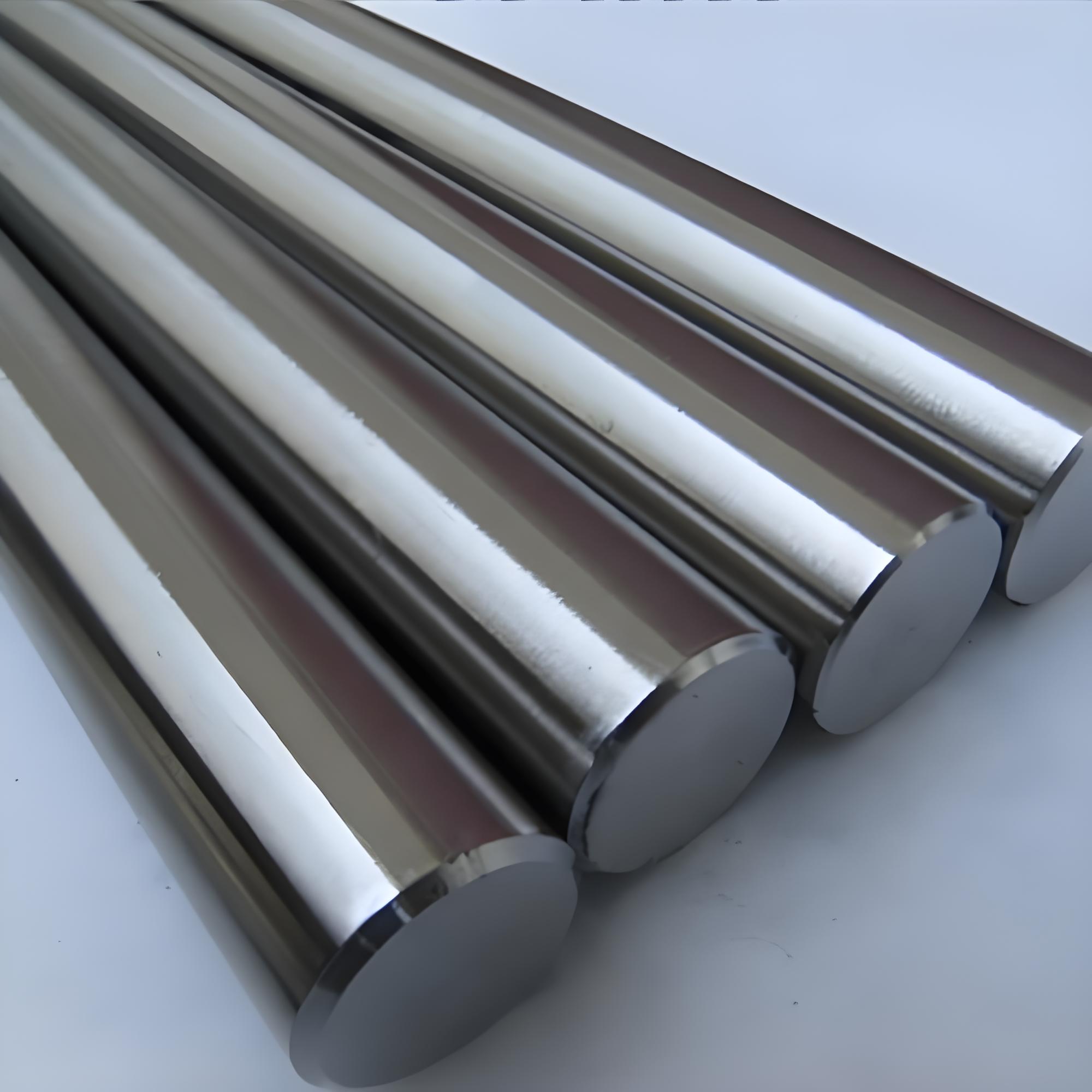
Inconel X-750 alloy bar price depends on nickel raw material cost, bar diameter, product condition, heat treatment, specification, surface finish, dim...
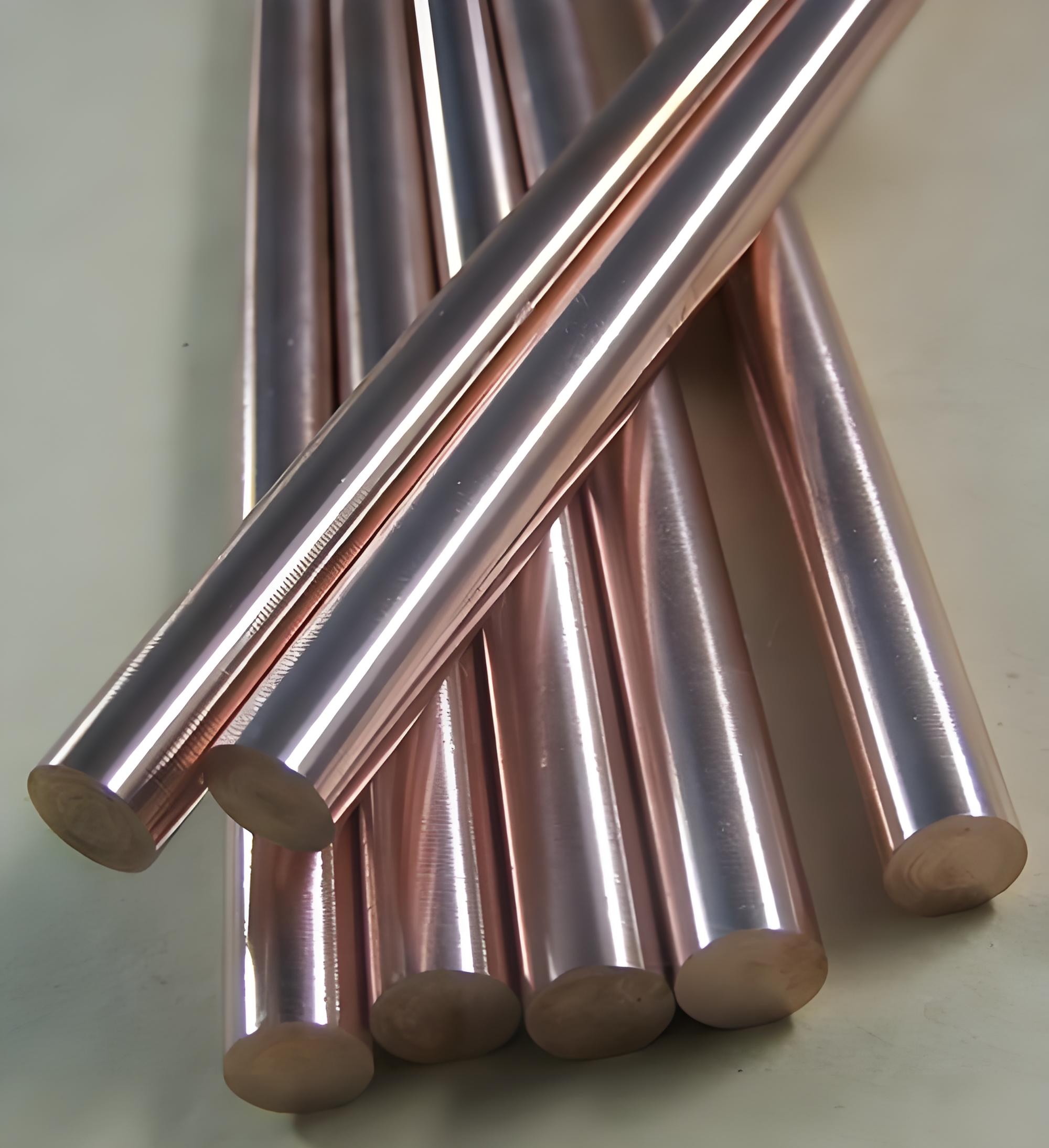
Inconel 602CA alloy bar price per kg is usually higher than common Inconel 600 and Inconel 601 bars because Alloy 602CA is a premium high-temperature ...
 English English
  Korean
 Arabic
 Spanish
 German
 Portuguese
 French
 Russian
 Italian
 Vietnamese